
The allure of gold has, throughout history, been a powerful catalyst for human migration, innovation, and societal upheaval. Few events exemplify this more dramatically than the California Gold Rush, a period between 1848 and 1855 that irrevocably reshaped the destiny of California and left an indelible mark on the broader United States. From its remote frontier status to its emergence as a global economic and cultural powerhouse, California’s transformation can largely be attributed to the discovery of a few glittering flakes in a sawmill stream. This epochal event didn’t merely redistribute wealth; it engineered a new society, fueled unprecedented infrastructure development, and forged the distinctive spirit that still defines the Golden State today, offering a wealth of experiences for modern travelers fascinated by its dramatic past.

A Golden Spark Ignites a Continent
The story began quietly, on January 24, 1848, when James W. Marshall, a carpenter working for John Sutter at Sutter’s Mill in Coloma, spotted something shimmering in the American River. Initially, both Marshall and Sutter attempted to keep the discovery a secret, understanding its potential to disrupt Sutter’s agricultural empire. However, news of the gold, like a wildfire, could not be contained. Within months, reports began to filter eastward, reaching the bustling port of San Francisco and eventually the newspapers of the East Coast and beyond. The official confirmation by President James K. Polk in December 1848, during his address to Congress, served as the ultimate siren call, turning a local phenomenon into a national obsession.
The Discovery and the Deluge of Dreams
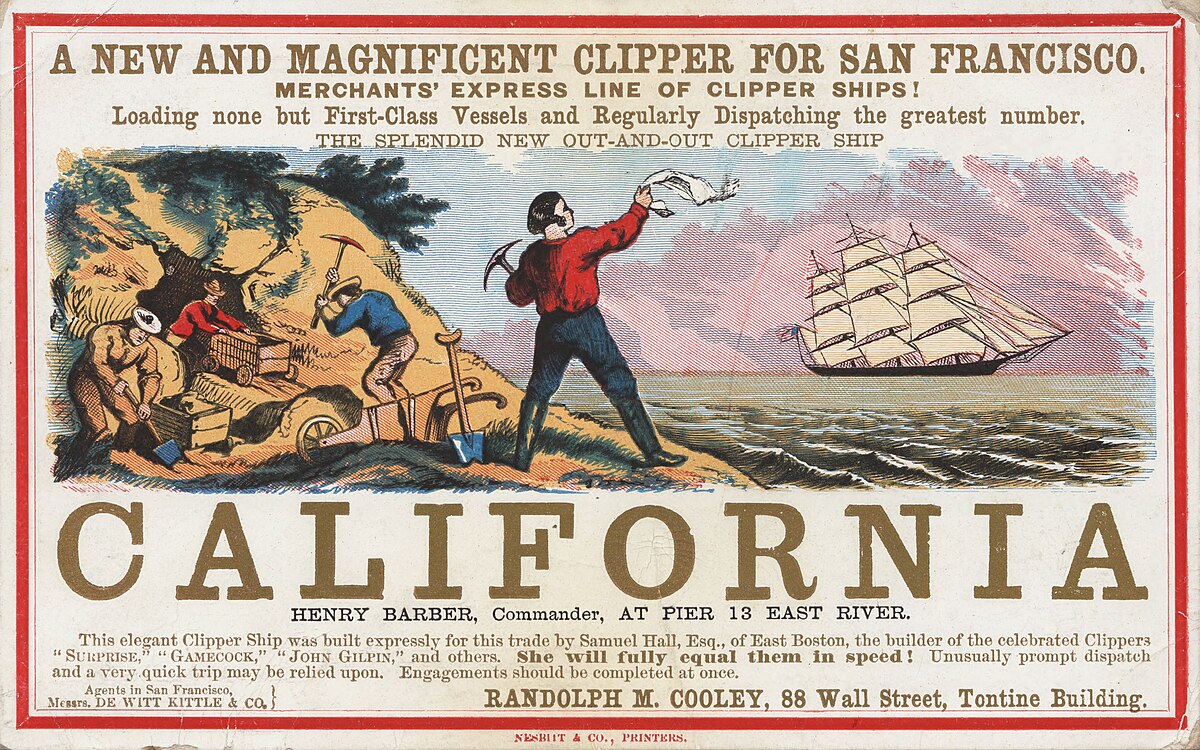
The prospect of instant riches proved irresistible, drawing hundreds of thousands of fortune-seekers, known as “forty-niners,” from every corner of the globe. They came by land, enduring treacherous journeys across the American continent, through deserts and mountains, often succumbing to disease and hardship. Others embarked on arduous sea voyages, either around Cape Horn at the southern tip of South America or across the Isthmus of Panama, facing storms, crowded conditions, and the ever-present threat of tropical diseases. These perilous journeys were often the first taste of the challenges awaiting them. Many arrived with little more than the clothes on their backs and an unwavering belief in their golden destiny.
This initial wave of migration was unlike anything seen before. Prior to 1848, California was a sparsely populated land, primarily inhabited by indigenous peoples and a small number of Mexican Californios and American settlers. Its economy was largely agrarian, centered around ranching and agriculture. The discovery of gold immediately shattered this tranquil existence, initiating a period of profound and often chaotic transformation. The early mining camps were raw, makeshift settlements born overnight, characterized by crude shelters, rampant speculation, and a desperate struggle for resources. The sheer scale of human ambition converging on a single, previously remote region set the stage for a societal experiment that would define the state for generations. This period offers fascinating insights for today’s travelers, providing glimpses into the rugged lifestyle and pioneering spirit that shaped early California.
The Unprecedented Demographic and Urban Transformation
The influx of population triggered by the Gold Rush was nothing short of miraculous, rapidly transforming California from a sparsely populated frontier into a burgeoning territory. Within a mere decade, the population exploded from an estimated 14,000 non-native inhabitants in 1848 to over 380,000 by 1860. This wasn’t just a population increase; it was a fundamental demographic restructuring, giving rise to new cities, diverse communities, and a complex social fabric.
From Frontier Outpost to Bustling Metropolis
Before the gold discovery, San Francisco was a sleepy village known as Yerba Buena. By 1850, it had exploded into a chaotic, vibrant port city of over 25,000 residents, a magnet for supplies, miners, and entrepreneurial hopefuls. Its docks teemed with ships, many abandoned by crews who deserted for the goldfields. Hotels, saloons, gambling halls, and various other establishments sprang up overnight, catering to the transient population. Accommodation, in particular, saw an unprecedented demand, leading to the rapid construction of rudimentary lodging options and, eventually, more sophisticated hotels as the city began to stabilize. The rapid urbanization also saw the growth of other key cities like Sacramento, which became a crucial supply hub for the mining districts along the American River, and Stockton, serving the southern mines. These cities became melting pots of cultures and commerce, centers of activity and innovation, where the latest news from the mines was exchanged, fortunes were made and lost, and the foundations of modern California were laid.
For those interested in exploring this pivotal era, historical destinations like Columbia State Historic Park and Marshall Gold Discovery State Historic Park offer immersive experiences. Visitors can walk through preserved gold rush towns, witness period reenactments, and gain a tangible sense of what life was like for the miners and merchants. These landmarks serve as living museums, demonstrating the architectural styles, daily routines, and social dynamics of the era. Many smaller towns in the Sierra Nevada foothills, such as Nevada City and Grass Valley, still retain much of their Gold Rush charm, offering unique boutique hotels and accommodations that blend historical ambiance with modern comfort.
A Melting Pot of Cultures and Conflicts
The Gold Rush attracted a truly global community. While Americans formed the largest contingent, significant populations arrived from Mexico, Chile, China, France, Ireland, Germany, and various other European countries. This created an extraordinarily diverse society, fostering a vibrant exchange of cultures, languages, and ideas. However, this diversity was not without its challenges. Racial tensions and xenophobia were prevalent, leading to discriminatory laws, taxes, and violence against non-white miners, particularly Chinese and Mexican immigrants.
The indigenous populations of California suffered immensely during this period. Displaced from their ancestral lands, subjected to violence, disease, and starvation, their traditional ways of life were shattered. The ecological devastation wrought by mining further exacerbated their plight. The legacy of these conflicts and cultural clashes is a complex part of California’s history, offering valuable lessons in human migration and social dynamics that resonate with contemporary global tourism discussions. Understanding these nuances enriches the travel experience, allowing visitors to appreciate not just the golden dream but also the human cost. Exploring historical markers and museums dedicated to the indigenous experience provides a more complete picture of the period.
Economic Engine and Infrastructure Boom
Beyond the immediate extraction of gold, the rush catalyzed an unparalleled economic transformation, laying the foundation for California’s future prosperity. It transitioned the state from an agrarian outpost into a dynamic capitalist economy, fueled by innovation and entrepreneurial spirit.
Fueling New Industries and Financial Powerhouses
The sheer demand for goods and services in the mining camps spurred the growth of numerous ancillary industries. Merchants, bankers, farmers, and teamsters often reaped greater and more stable profits than the miners themselves. Businesses that supplied miners with food, clothing, tools, and entertainment flourished. The most famous example is Levi Strauss & Co., which began by selling durable denim overalls to miners and grew into a global fashion icon. Similarly, Wells Fargo emerged from the need for secure transportation of gold and funds, becoming a banking and express delivery giant. The Gold Rush also stimulated advancements in mining technology, from simple panning to hydraulic mining (though environmentally destructive) and hard-rock quartz mining, which required significant capital investment and engineering prowess.
The financial infrastructure developed rapidly. Banks, assay offices, and stock exchanges were established to manage the vast sums of wealth flowing through the state. San Francisco quickly became a financial hub, attracting investors and entrepreneurs from around the world. This early economic dynamism fostered a culture of risk-taking and innovation that continues to characterize California’s economy, evident today in its global leadership in technology and venture capital. For lifestyle travelers, exploring the historic financial districts of San Francisco offers a glimpse into this powerful legacy, with many original buildings still standing, now often housing luxury hotels or unique boutiques.
Building the Backbone of a New State
The massive influx of people and goods necessitated rapid infrastructure development. Roads, though often crude, were carved through the wilderness to connect mining camps with supply centers. Major ports like San Francisco, Oakland, and Sacramento expanded dramatically to handle the immense maritime traffic. Ferry services and riverboats became vital for internal transport along the Sacramento River and San Joaquin River. The push for better communication led to the development of telegraph lines and faster mail routes.
Crucially, the Gold Rush directly contributed to California’s rapid admission as the 31st state into the United States in September 1850. The burgeoning population, economic significance, and need for organized governance made statehood imperative. This political integration, in turn, spurred even greater investment in infrastructure and public services. While the direct Gold Rush era did not see the Transcontinental Railroad, the wealth generated and the strategic importance of California were key drivers for its eventual construction, further integrating the state with the rest of the nation and solidifying its economic future. Travelers interested in history can explore remnants of early roads and transportation routes, providing a tangible connection to the arduous journeys of the past.
Enduring Legacy: Shaping California’s Identity and Tourism
The California Gold Rush may have officially ended in 1855, but its reverberations continue to echo through the landscape, culture, and economy of California to this day. It forged a unique identity for the state, characterized by optimism, innovation, and a constant drive for opportunity.
Echoes in Modern California Lifestyle
The “California Dream” itself, often associated with opportunity and reinvention, has its roots firmly planted in the Gold Rush era. The willingness of forty-niners to leave everything behind for a chance at a better life instilled a frontier spirit of entrepreneurship and risk-taking that remains a core part of the Californian lifestyle. This is evident in the state’s modern industries, from Hollywood’s entertainment empire to Silicon Valley’s tech innovation, where the pursuit of the next “big idea” mirrors the pursuit of gold. This ethos also permeates the travel landscape, where budget travelers and luxury seekers alike are drawn to California’s promise of diverse experiences, from exploring historic trails to indulging in world-class amenities.
Even in contemporary tourism, the Gold Rush narrative is a powerful draw. The promise of “striking it rich” has evolved into the promise of discovering unique experiences, whether it’s finding the perfect secluded beach, exploring vibrant urban centers, or uncovering hidden gems in historic towns. The state’s rapid growth post-gold rush also led to the development of early grand hotels in cities like San Francisco, setting a precedent for hospitality that continues today with an array of luxurious resorts, boutique hotels, and unique accommodation options catering to every taste. The demand for services that once sustained miners now fuels a robust tourism industry, offering guides, attractions, and diverse experiences.

Preserving the Past for Future Travelers
Today, numerous landmarks and historical sites across California keep the memory of the Gold Rush alive for current and future generations. Beyond Columbia State Historic Park and Marshall Gold Discovery State Historic Park, visitors can explore towns like Angel’s Camp, famous for Mark Twain’s “The Celebrated Jumping Frog of Calaveras County,” or the historic streets of Nevada City, with its beautifully preserved Victorian architecture. Museums like the California State Mining and Mineral Museum or the Oakland Museum of California provide deeper insights into the technological advancements, social impacts, and environmental consequences of the mining era.
These sites are not just relics; they are vibrant attractions that offer interactive exhibits, historical reenactments, and opportunities to pan for gold, providing a tangible connection to the past. They represent a significant aspect of California’s local culture and heritage, making them essential destinations for anyone interested in the state’s history. The stories of resilience, ambition, and adaptation woven into the fabric of the Gold Rush continue to inspire and educate, serving as a powerful reminder of how a single discovery can reshape landscapes, societies, and economies, leaving a golden legacy for centuries to come. The Gold Rush didn’t just affect California; it fundamentally created the California we recognize today—a land of opportunity, innovation, and an enduring allure for travelers worldwide.
LifeOutOfTheBox is a participant in the Amazon Services LLC Associates Program, an affiliate advertising program designed to provide a means for sites to earn advertising fees by advertising and linking to Amazon.com. Amazon, the Amazon logo, AmazonSupply, and the AmazonSupply logo are trademarks of Amazon.com, Inc. or its affiliates. As an Amazon Associate we earn affiliate commissions from qualifying purchases.