
Navigating the nuances of time zones can be a perplexing part of travel planning, and few places present as intriguing a challenge as Arizona. Often dubbed the “Grand Canyon State,” Arizona’s unique approach to timekeeping has bewildered many a traveler and even some long-term residents. The burning question for visitors and newcomers alike often boils down to: “Is Arizona MST or PST?” The answer, while seemingly straightforward for most of the state, contains a fascinating exception that makes understanding local time critical for a seamless travel experience.
Unraveling Arizona’s Unique Time Zone Enigma
For the vast majority of its expansive desert landscapes and bustling urban centers, Arizona operates on Mountain Standard Time (MST) year-round. This means that unlike many other states in the United States, Arizona does not observe Daylight Saving Time (DST). This seemingly simple fact creates a dynamic interplay with neighboring states that do spring forward and fall back, leading to a shifting time difference depending on the season.
A Deep Dive into Mountain Standard Time (MST)
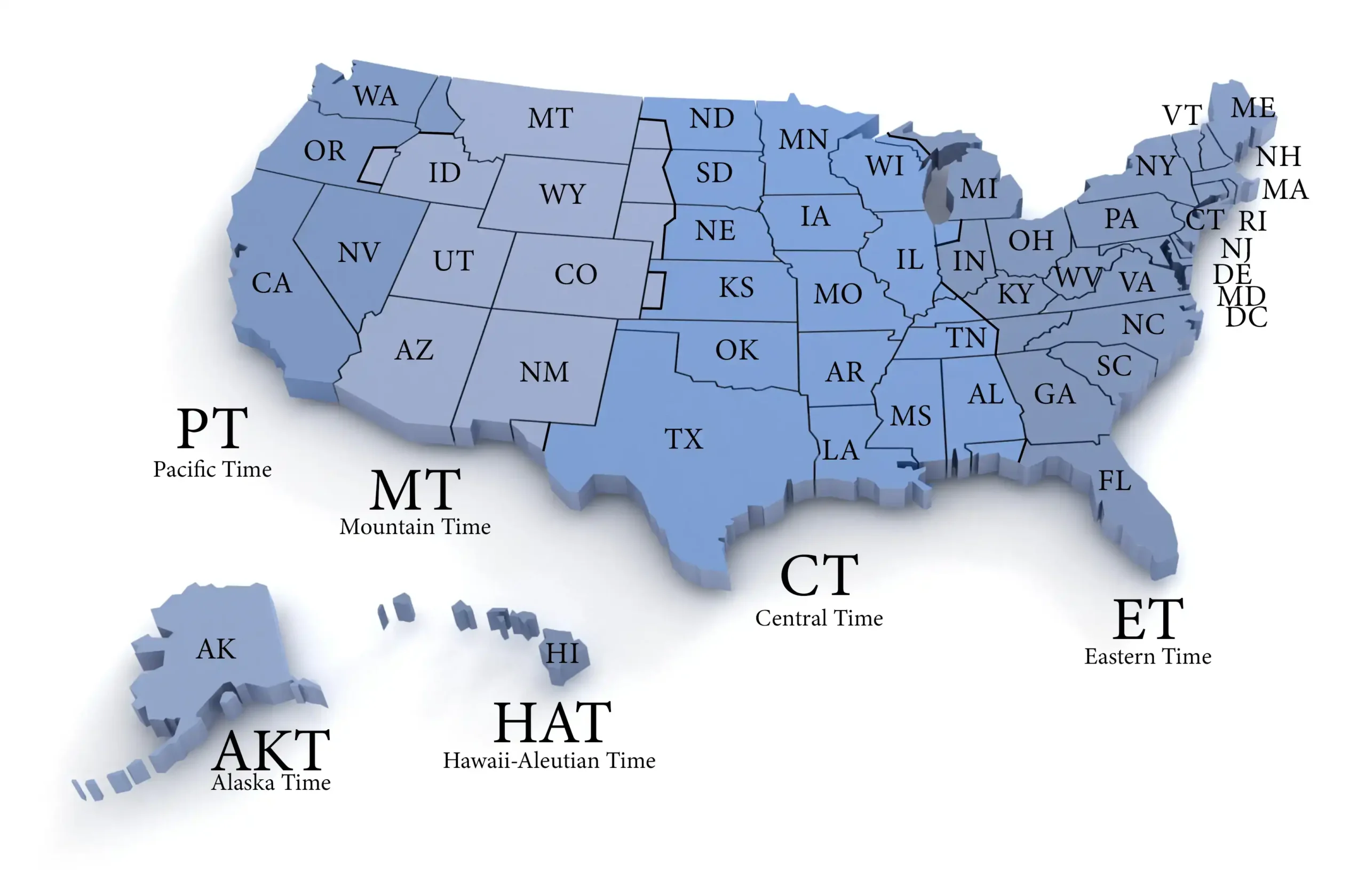
Mountain Standard Time (MST) is generally seven hours behind Coordinated Universal Time (UTC-7). It’s the standard time zone for several states in the Mountain West region, including parts of Colorado, New Mexico, Utah, and Wyoming. For most of the year, from early November to mid-March, these states, along with Arizona, share the same time. This consistency provides a steady rhythm to daily life, from sunrise to sunset, a choice rooted in the state’s historical decisions and climatic conditions. The absence of DST means that Arizona receives consistent sunlight patterns throughout the year, which is particularly appealing for those enjoying the state’s abundant outdoor attractions.
The Peculiar Case of Daylight Saving Time (DST) in Arizona
The decision for most of Arizona to opt out of Daylight Saving Time dates back to the 1960s. The primary reason cited was the state’s extreme summer heat. Shifting daylight hours forward in the summer would mean that the sun would set even later, extending the period of intense heat well into the evening. By sticking to MST year-round, Arizona ensures that evenings arrive sooner, allowing for cooler temperatures earlier in the day, which is more conducive to outdoor activities and energy conservation.
This choice means that for roughly half the year, specifically from the second Sunday in March to the first Sunday in November, Arizona’s time aligns with Pacific Daylight Time (PDT), which is UTC-7. During this period, Arizona will be the same time as its western neighbors like California and Nevada, which have switched to PDT. However, during the other half of the year, when these states revert to Pacific Standard Time (PST), Arizona (remaining on MST) will be one hour ahead of them. This creates a fascinating dance of time differences that can catch unprepared travelers off guard. For example, if you are visiting Las Vegas, Nevada in July and plan a day trip to the Grand Canyon in Arizona, your watch won’t need adjusting. But make that same trip in December, and you’ll suddenly be an hour ahead upon crossing the state line into Arizona.
The Navajo Nation Exception: A Patchwork of Time
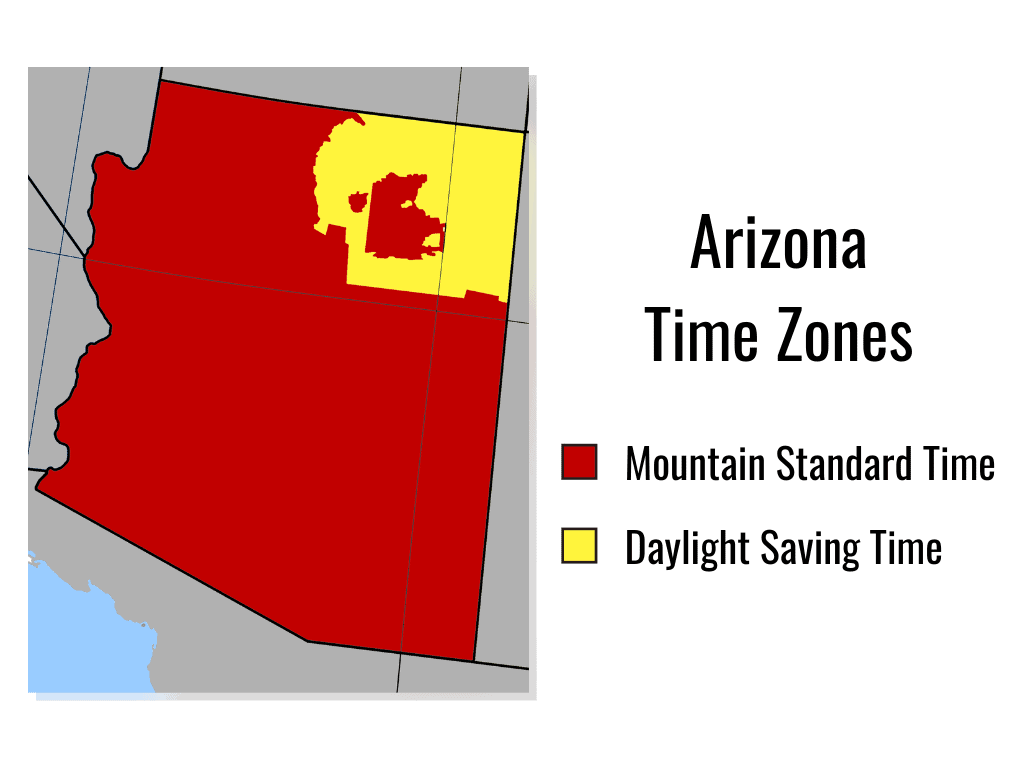
While the general rule is “MST year-round,” there’s a crucial exception that adds another layer of complexity to Arizona’s time zone story: the Navajo Nation. This sovereign tribal nation, which spans parts of northeastern Arizona as well as sections of Utah and New Mexico, does observe Daylight Saving Time.
The Grand Canyon State’s Internal Divide
The Navajo Nation chose to observe DST primarily for consistency with other parts of the reservation located in Utah and New Mexico, which both adhere to DST. This decision helps streamline administration, communication, and commerce across the vast tribal lands. The implications for travelers within Arizona are significant. Imagine driving through the state, heading north from Phoenix towards the Grand Canyon’s South Rim, then continuing northeast towards areas like Page, Antelope Canyon, or Monument Valley. Once you enter the boundaries of the Navajo Nation, you’ll need to adjust your clock during the DST period.
During Daylight Saving Time months (March to November), if you’re in Phoenix (MST), and then drive into the Navajo Nation, you will effectively lose an hour as the Navajo Nation will be on Mountain Daylight Time (MDT), which is UTC-6. Conversely, when you exit the Navajo Nation back into non-DST Arizona, you will gain an hour back. This creates a peculiar time warp that can be particularly confusing around border towns or for those visiting attractions like Antelope Canyon or the Monument Valley Tribal Park, which are located within the Navajo Nation. For example, a morning tour reservation for Antelope Canyon needs to be confirmed based on the local time of Page, which is within the Navajo Nation’s DST observance.
Practical Implications for Travelers and Residents
Understanding Arizona’s time zone situation is more than just a trivia fact; it has tangible impacts on everything from booking flights to planning leisurely drives. For anyone interacting with the state, whether for a quick getaway or a long-term stay, a grasp of these time zone dynamics is essential.
Planning Your Arizona Adventure: Time Zone Considerations
When organizing an itinerary for a trip to Arizona, especially during the spring, summer, or fall months when DST is active elsewhere, paying attention to time zones is paramount.
- Flights and Airports: Major airports like Phoenix Sky Harbor International Airport (PHX) and Tucson International Airport (TUS) operate on MST year-round. However, if you’re flying in from a state that observes DST, your departure time relative to your arrival time might seem off by an hour. Always double-check your flight schedule against local Arizona time.
- Hotel Bookings: Whether you’re reserving a suite at the Hyatt Regency Phoenix, a resort stay at The Boulders Resort & Spa Scottsdale, or a cozy apartment in Sedona, ensure your arrival and departure times are aligned with the non-DST MST observed in those cities.
- Tours and Attractions: Many popular attractions, especially those located within the Navajo Nation like Monument Valley or Canyon de Chelly National Monument, operate on MDT during DST. This means if you’re traveling from Flagstaff (MST) to Antelope Canyon (MDT) for a guided tour, you need to factor in that one-hour jump. Missing a timed entry slot due to a time zone miscalculation can be a costly mistake, especially for popular, limited-access tours.
- Road Trips: When embarking on a scenic road trip from Phoenix to the Grand Canyon, then towards the Four Corners area, your phone’s automatic time adjustment is your best friend. However, be aware that manual watches or car clocks might need frequent updates. Crossing into Utah or New Mexico (which observe DST) will also involve a time change during the relevant months.
Lifestyle and Daily Life in the Land of Perpetual Sun
For residents, Arizona’s consistent time zone choice profoundly impacts daily life.
- Consistent Daylight: The most celebrated benefit is the stable pattern of sunrise and sunset. This means brighter mornings in winter and earlier sunsets in summer, which helps mitigate the intense heat by ending the hottest part of the day sooner. This is particularly appreciated in cities like Phoenix, Tucson, and Yuma.
- Business and Education: Business hours, school schedules, and daily routines remain consistent throughout the year, removing the annual disruption of “springing forward” or “falling back.” This stability can simplify logistics for businesses and families alike.
- Coordination Challenges: The main challenge for Arizona residents often comes when coordinating with friends, family, or business associates in other states that do observe DST. Conference calls, flight bookings to other time zones, or simply calling relatives require an extra mental calculation for half the year. During DST, Arizona is the same time as PDT (e.g., Los Angeles, San Diego) and one hour behind MDT (e.g., Denver). When DST ends, Arizona becomes one hour ahead of PST and the same time as MST.
Maximizing Your Arizona Experience: Tips for Navigating Time Zones
Embracing the unique time zone situation in Arizona is part of appreciating the state’s distinct character. With a few smart strategies, you can effortlessly navigate the time differences and focus on enjoying your journey.
Essential Tips for Visitors
- Trust Your Tech: Modern smartphones and GPS devices are your best friends. They typically update automatically based on your location. Ensure your device’s time settings are set to automatic. However, double-check if you’re venturing deep into remote areas where signal might be spotty.
- Confirm Reservation Times: Always, always confirm reservation times with local operators, especially for tours, restaurant bookings, or hotel check-ins. When booking an adventure like a helicopter tour over the Grand Canyon or a jeep tour in Sedona, confirm if the time provided is local Arizona MST or if it’s specific to the Navajo Nation (MDT during DST).
- Be Aware of DST Months: The period from roughly March to November is when the time zone difference with surrounding states (and within the Navajo Nation) is most pronounced. Plan accordingly. During these months, Arizona aligns with Pacific Daylight Time (PDT).
- Physical Clocks: If you rely on a non-smartwatch or your car’s clock, remember to adjust it manually when crossing into/out of the Navajo Nation or other states observing DST.

Embracing Arizona’s Unique Rhythm
Arizona’s decision to forego DST is a part of its identity, contributing to a lifestyle that values consistent daylight and avoids unnecessary disruptions. It enables travelers to enjoy the natural beauty of landmarks like Saguaro National Park, the majestic Hoover Dam (just across the border), and the vibrant Desert Botanical Garden with predictable daylight hours year-round. This consistency fosters a deep connection to the natural environment, encouraging outdoor activities from hiking to stargazing, without the seasonal shift in perceived time.
Ultimately, while the question “Is Arizona MST or PST?” might initially seem complicated, the general rule is simple: most of Arizona is on MST year-round, never observing Daylight Saving Time. The key takeaway is to remember the crucial exception of the Navajo Nation, which does observe DST. With this knowledge, you are well-equipped to plan and enjoy all the incredible travel experiences, hotels, and vibrant tourism opportunities the Grand Canyon State has to offer, without missing a beat – or a precious hour.
LifeOutOfTheBox is a participant in the Amazon Services LLC Associates Program, an affiliate advertising program designed to provide a means for sites to earn advertising fees by advertising and linking to Amazon.com. Amazon, the Amazon logo, AmazonSupply, and the AmazonSupply logo are trademarks of Amazon.com, Inc. or its affiliates. As an Amazon Associate we earn affiliate commissions from qualifying purchases.