
The vast, sun-drenched landscapes of Arizona beckon travelers with their unique blend of natural wonders, vibrant cities, and rich cultural heritage. From the awe-inspiring depths of the Grand Canyon to the mystical red rock formations of Sedona, and the bustling urban hubs of Phoenix and Scottsdale, the Copper State offers an unparalleled array of experiences. However, amidst planning your itinerary, booking accommodations, and mapping out adventures, a persistent question often arises, causing a momentary pause for many a prospective visitor: “Is Arizona on Pacific Time?” The answer, like many things truly fascinating about Arizona, is a bit more nuanced than a simple yes or no, adding a distinctive charm and occasional head-scratching moment for those navigating its borders.
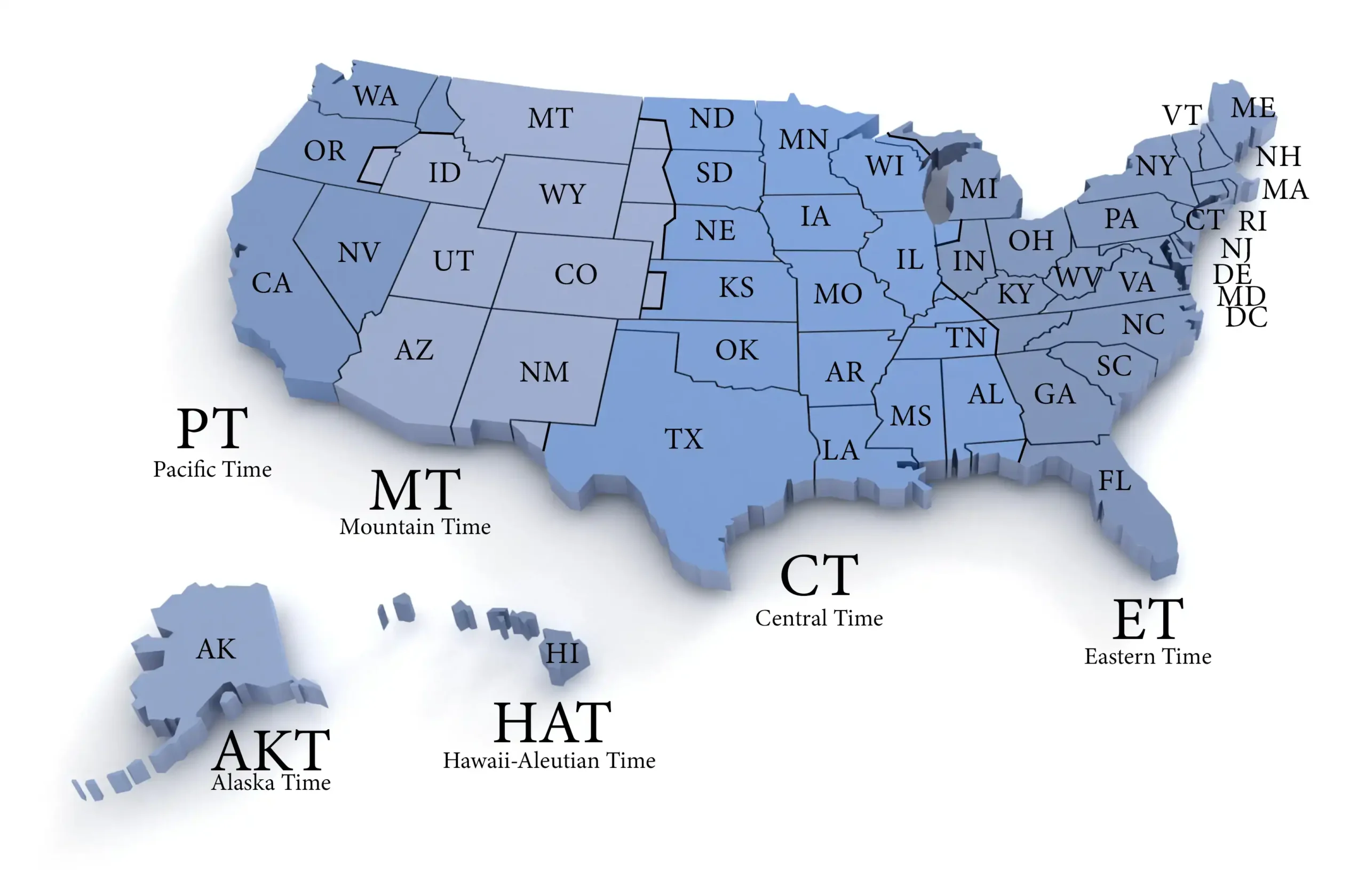
For the majority of the year, and for the vast majority of its geographical area, Arizona observes Mountain Standard Time (MST) year-round. What makes this seemingly straightforward fact a point of confusion is Arizona’s’s unique decision not to observe Daylight Saving Time. While most of the continental United States “springs forward” an hour in March and “falls back” in November, Arizona remains steadfast. This means that for roughly half of the year, from March to November, Arizona’s time aligns with Pacific Daylight Time (PDT), the time observed by neighboring states like California and Nevada during their Daylight Saving Time period. During the winter months, from November to March, Arizona (on MST) is one hour ahead of Pacific Standard Time (PST), observed by California and Nevada. This creates a fascinating dance of time zones, demanding a little extra attention from travelers and locals alike. Understanding this distinction is not merely a matter of trivia; it’s a crucial element for seamless travel planning, hotel bookings, and truly immersing oneself in the Arizona lifestyle.
Arizona’s Unique Time Zone Stance: A Desert Clockwork
The decision for Arizona to largely forgo Daylight Saving Time dates back to the 1960s. The primary reason is rooted in the state’s scorching summer climate. With temperatures often soaring well above 100 degrees Fahrenheit, residents prefer to have sunlight later in the evening, rather than shifting it to the morning. An extra hour of daylight in the evening allows outdoor activities to begin later when the intense desert heat has somewhat subsided, making evenings more comfortable for recreation, dining, and social gatherings. This practical choice has shaped the rhythm of life in Arizona, influencing everything from business hours to recreational schedules, and offering a unique perspective on local culture.
The Mountain Standard Time (MST) Allure
When most of the United States moves to Daylight Saving Time, Arizona stays fixed on Mountain Standard Time. This means that from the second Sunday in March until the first Sunday in November, Arizona’s clock is aligned with Pacific Daylight Time. If you’re flying in from Los Angeles or Las Vegas during these months, there will be no time change when you land in Phoenix or Tucson. However, during the winter months, when the Pacific Time states revert to Pacific Standard Time, Arizona is then one hour ahead. This consistent adherence to MST makes Arizona somewhat of a temporal island, a characteristic that seasoned Arizona travelers have learned to appreciate and account for. It simplifies things for locals, who don’t have to adjust their schedules twice a year, contributing to a more stable daily routine amidst the dramatic seasonal changes of the desert.
Dispelling the Pacific Time Myth
The common misconception that Arizona is on Pacific Time largely stems from the seven months of the year when its clock matches that of Pacific Daylight Time. Many people arriving from California or Nevada during the summer might notice no time change and incorrectly conclude that Arizona is simply on Pacific Time. However, the crucial distinction lies in the standard time observed. Arizona maintains Mountain Standard Time as its base, a fact that becomes particularly noticeable when comparing it to other Mountain Time states like Utah or Colorado, which do observe Daylight Saving Time. During the summer, Arizona is an hour behind Mountain Daylight Time (MDT), which is the time in Utah and Colorado. This unique relationship with its neighboring time zones is part of Arizona’s’s distinctive appeal and requires a slight mental adjustment for both visitors and those conducting business across state lines.
The Navajo Nation Anomaly: A Time Zone Within a Time Zone
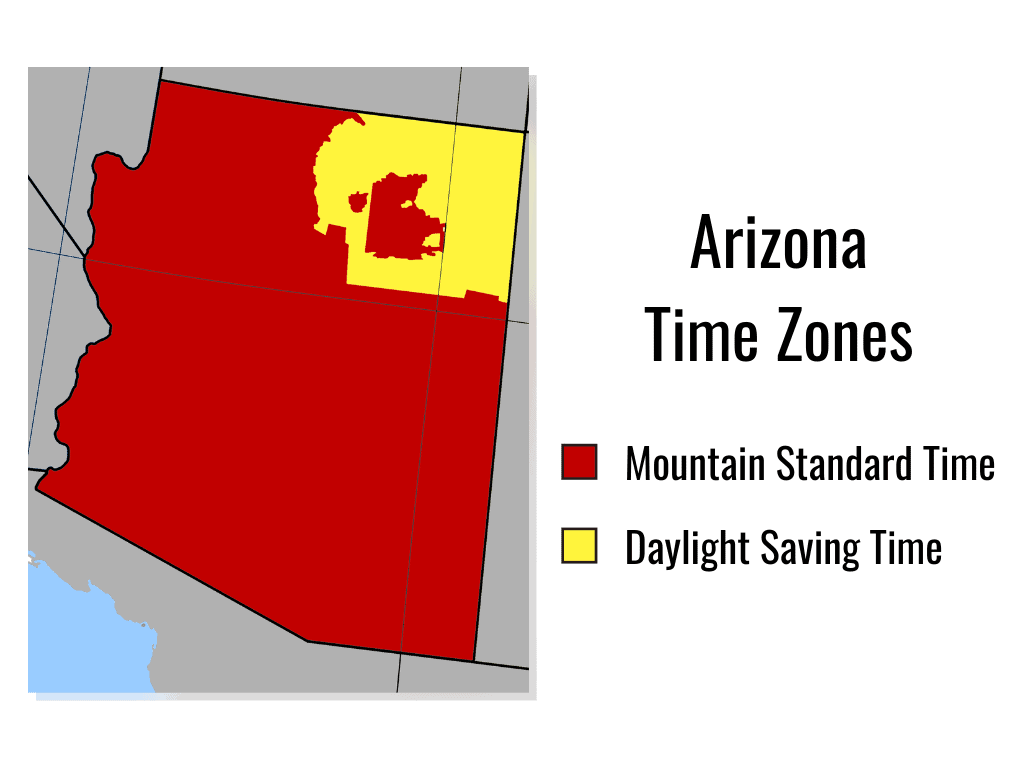
Adding another intriguing layer to Arizona’s’s time zone landscape is the Navajo Nation. This vast sovereign territory, spanning parts of northeastern Arizona, as well as New Mexico and Utah, does observe Daylight Saving Time. This means that for a portion of the year, when the rest of Arizona is on MST (which aligns with PDT), the Navajo Nation switches to Mountain Daylight Time (MDT), making it one hour ahead of the surrounding Arizona standard time.
Navigating the Navajo Time Shift
This creates a peculiar situation where driving across the Navajo Nation boundaries within Arizona requires adjusting your clock. For example, if you’re visiting stunning landmarks like Antelope Canyon or Monument Valley, which are located within the Navajo Nation, you need to be aware of this time difference, especially when booking tours or making reservations. If it’s 10:00 AM in Phoenix during summer, it’s 11:00 AM on the Navajo Nation. This can significantly impact tour schedules, particularly for popular activities that have strict start times.
For instance, guided tours through Antelope Canyon often operate on a tight schedule. Missing your booked slot due to a time zone miscalculation could mean missing the experience entirely. Similarly, planning a sunrise or sunset visit to Monument Valley requires precise timing, made more complex by this internal time shift. While the Hopi Tribe, whose reservation is entirely surrounded by the Navajo Nation within Arizona, follows the rest of Arizona in not observing Daylight Saving Time, further enhancing the complexity. This makes Arizona a fascinating case study in time zone dynamics and a testament to the diverse cultural and geographical considerations within a single state.
Navigating Time Zones for an Optimal Arizona Experience
Understanding Arizona’s time zone peculiarities is crucial for optimizing your travel experience. From flight arrivals to hotel check-ins, and from guided tours to dining reservations, a grasp of the local time ensures a smooth and stress-free journey. This is especially true for those crossing state lines or exploring the tribal lands.
Planning Your Travel Itinerary: From Phoenix to the Grand Canyon

When planning your Arizona travel itinerary, always clarify the time zone, especially if you’re coordinating with people in other states. For travelers from California or Nevada, the summer months offer a seamless transition, as Arizona’s MST aligns with their PDT. However, come winter, remember that Arizona will be one hour ahead. Conversely, if you’re traveling from other Mountain Time states like Utah or Colorado during their Daylight Saving Time period, Arizona will be an hour behind.
Consider a multi-state trip that might take you from Las Vegas (PST/PDT) to the Grand Canyon (MST) and then potentially into the Navajo Nation (MDT during DST). Each leg of your journey could involve a time shift, so keeping your devices updated and manually checking local times upon arrival in new areas is a wise practice. For iconic landmarks such as the Grand Canyon, knowing the exact time is vital for catching that breathtaking sunrise or sunset, which are often highlights of any visit. If you’re hiking in Sedona, starting your trek early to avoid the midday sun is always a good idea, and the time zone impacts when that “early” actually is. Similarly, stargazing at observatories near Flagstaff or exploring the ancient ruins at Canyon de Chelly National Monument will depend on accurate timekeeping.
Booking Accommodation and Activities: A Traveler’s Guide
When it comes to accommodation and activities, the time zone factor comes heavily into play. Hotels, resorts, and vacation rentals across Arizona – whether you’re staying in a luxurious suite at The Biltmore, A Waldorf Astoria Resort in Phoenix, the serene Enchantment Resort in Sedona, or a family-friendly spot in Tucson – will operate on the local MST schedule. This means confirming check-in and check-out times relative to your departure time zone is crucial to avoid any miscommunications or late fees. Many travelers arrive by plane, and flight schedules are notoriously unforgiving. Double-checking the arrival time against the local time upon booking can save a lot of hassle.
Similarly, booking tours, restaurant reservations, spa treatments at resorts like Omni Scottsdale Resort & Spa at Montelucia, or tee times at golf courses in Scottsdale requires careful attention to the specific time zone. For those planning a visit to the Grand Canyon Skywalk operated by the Hualapai Nation, they follow Arizona’s no-DST policy. This can simplify things, but again, always verify. Reputable tour operators and booking platforms generally account for local time, but a quick verification call or email can provide extra peace of mind, ensuring your meticulously planned travel schedule unfolds without a hitch.
Daily Lifestyle and Local Culture Immersion
Beyond strict scheduling, Arizona’s unique time zone choice subtly influences the everyday lifestyle and local culture. The later sunsets in summer mean evenings are often cooler and longer, fostering a vibrant outdoor dining scene and a relaxed pace of life. You’ll find families enjoying parks and community events well into the evening, capitalizing on the more pleasant temperatures. This rhythm can be a delightful aspect of your tourism experience, encouraging leisurely dinners and strolls.
Understanding this allows visitors to embrace the Arizona way of life more fully. If you’re planning a business trip, knowing that your Phoenix meeting at 9 AM is 9 AM in Los Angeles (during PDT) but 8 AM in Denver (during MDT) is crucial for scheduling calls and presentations. It’s also a point of local pride and identity, reflecting the state’s independent spirit and practical approach to its environment. Engaging with locals often involves navigating this time zone quirk, which can be a fun conversation starter and a unique cultural insight.
Essential Tips for Travelers to Arizona
To ensure your trip to Arizona is as enjoyable and confusion-free as possible, keep these practical tips in mind:
Stay Connected and Informed
Always set your smartphone and other electronic devices to automatically update their time zone. Most modern devices do this reliably when connected to cellular networks or Wi-Fi, but a quick double-check upon arrival is always a good idea. For those driving into the state, pay attention to road signs that might indicate time zone changes, especially when entering or exiting the Navajo Nation. Cross-referencing with a reliable world clock app can also be beneficial, particularly if your itinerary involves multiple state or tribal boundaries.
Confirm the local time with hotels like the Hyatt Regency Scottsdale Resort & Spa at Gainey Ranch or tour operators when making reservations. Don’t assume the time displayed on your booking confirmation is necessarily in your home time zone; clarify that it refers to Arizona local time. This proactive approach ensures you’re always on schedule for check-ins, excursions to Saguaro National Park, or dining reservations at popular restaurants in Old Town Scottsdale.
Embrace the Arizona Rhythm
Ultimately, Arizona’s unique time zone situation is part of its charm. It reflects a state that prioritizes the comfort and lifestyle of its residents over conformity, offering longer, cooler evenings perfect for enjoying the desert’s beauty. Embrace this distinct rhythm. Plan your outdoor activities, such as exploring the Petrified Forest National Park or visiting Horseshoe Bend, for early mornings or late afternoons, especially during the warmer months, taking full advantage of the extended daylight.
By being mindful of the time difference, especially when crossing into the Navajo Nation or coordinating with those outside the state, you can avoid common travel pitfalls. This understanding will not only make your trip smoother but also provide a deeper appreciation for the nuances that make Arizona such a captivating and rewarding destination for all types of travelers, from those seeking luxury travel experiences at Loews Ventana Canyon Resort to budget-conscious adventurers exploring the expansive Mojave Desert.
In conclusion, while the question “Is Arizona on Pacific Time?” might initially seem confusing, the answer reveals a fascinating aspect of the state’s identity. Arizona predominantly adheres to Mountain Standard Time year-round, eschewing Daylight Saving Time for practical reasons related to its climate. This means it aligns with Pacific Daylight Time during summer and is an hour ahead of Pacific Standard Time in winter. The notable exception is the Navajo Nation within Arizona, which does observe Daylight Saving Time. With a little awareness and foresight, navigating Arizona’s unique temporal landscape becomes an intriguing part of your adventure, ensuring that every moment, from the dramatic sunsets over the Sonoran Desert to the vibrant city life of Phoenix, is savored to the fullest.
LifeOutOfTheBox is a participant in the Amazon Services LLC Associates Program, an affiliate advertising program designed to provide a means for sites to earn advertising fees by advertising and linking to Amazon.com. Amazon, the Amazon logo, AmazonSupply, and the AmazonSupply logo are trademarks of Amazon.com, Inc. or its affiliates. As an Amazon Associate we earn affiliate commissions from qualifying purchases.