
The devastating fires that have become an unfortunate recurring event in California are a stark reminder of the delicate balance between human activity and the natural environment. While each fire has its unique genesis, understanding the overarching factors and common starting points provides crucial insight into their origins and, more importantly, how to prevent them. This exploration delves into the complex tapestry of elements that ignite these infernos, from the smallest spark to the most widespread environmental conditions, painting a comprehensive picture for travelers, locals, and anyone concerned about the Golden State’s vulnerability.
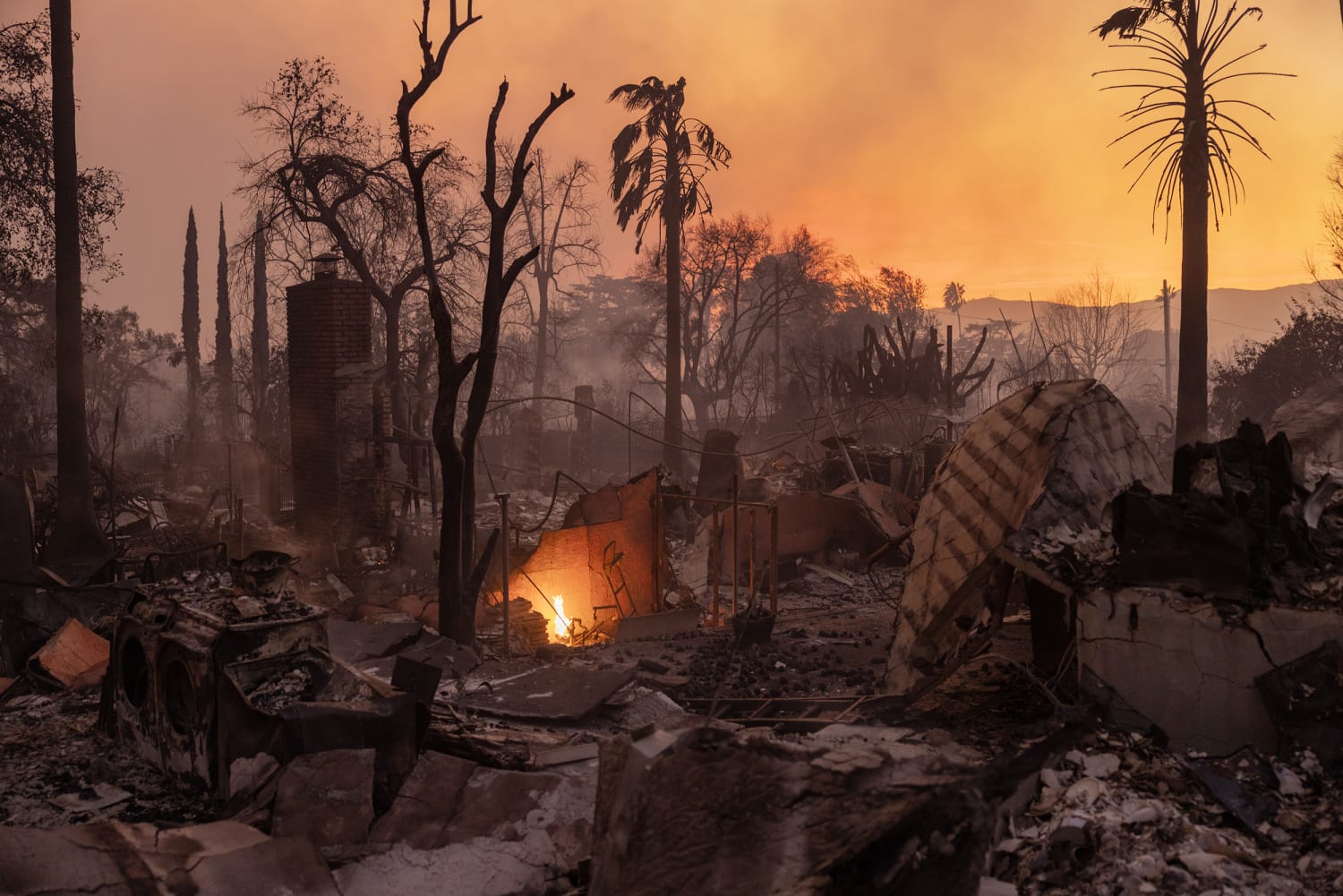
The Spark: Ignition Sources and Human Influence
The initiation of a wildfire is rarely a single, isolated event. It is often the confluence of a potential ignition source and the prevailing environmental conditions that allows a small spark to rapidly escalate into a destructive blaze. While natural causes like lightning strikes certainly play a role, a significant percentage of wildfires in California are, unfortunately, human-caused.
Accidental Sparks: The Unforeseen Hazards
Many fires begin through seemingly minor oversights and accidents. These can range from unattended campfires that aren’t fully extinguished to sparks from machinery operating in dry vegetation. For those enjoying the vast landscapes of California, whether on a road trip through the Sierra Nevada or exploring a national park like Yosemite National Park, understanding and adhering to fire safety regulations is paramount.
- Campfires: A seemingly innocent campfire, if not properly doused with water and stirred until cool to the touch, can reignite with the slightest gust of wind. Many popular camping destinations, from the coastal redwoods of Mendocino County to the desert trails near Palm Springs, have strict rules regarding open flames, especially during dry seasons. Heeding these restrictions, even if it means foregoing a traditional campfire experience, is a vital preventative measure.
- Equipment Malfunctions: Vehicles, with their hot exhaust systems and internal combustion engines, can be a source of ignition. Dragging chains from trailers, a practice sometimes seen on rural roads, can create sparks that easily ignite dry roadside grasses. Construction and landscaping equipment, especially during drought conditions, can also produce sparks that easily set off fires. Awareness of parking vehicles on dry vegetation, particularly in areas known for their flammable undergrowth, is a critical tip for any visitor exploring regions like Sonoma County.
- Discarded Cigarettes: This is a tragically common cause. A carelessly tossed cigarette butt, even if seemingly extinguished, can smolder and eventually ignite dry grasses, especially when exposed to wind. This highlights the importance of designated smoking areas and carrying portable ashtrays, particularly for those enjoying scenic drives through areas like the Pacific Coast Highway.
Intentional Acts: Arson and its Devastating Consequences
Beyond accidental ignitions, a somber reality is that some fires are deliberately set. Arson is a criminal act with devastating consequences, destroying homes, natural habitats, and tragically, claiming lives. Law enforcement agencies in California, from the Los Angeles Police Department to the San Francisco Police Department, actively investigate suspected arson cases. While the motives behind such acts can be complex and varied, the impact is universally destructive. Community vigilance and reporting suspicious activity are crucial in deterring and apprehending those responsible.
The Tinderbox: Environmental Conditions Fueling the Flames
Even the smallest spark needs fuel to ignite and grow. In California, a potent combination of natural and human-influenced environmental factors creates a tinderbox-like condition, turning dry vegetation into highly flammable material.
Drought and Dry Vegetation: A Persistent Challenge
California has experienced cycles of severe drought, exacerbated by climate change. Extended periods of low rainfall lead to parched landscapes where grasses, shrubs, and trees become brittle and highly susceptible to ignition. This is a perennial concern for the state’s diverse ecosystems, from the chaparral of Southern California to the pine forests of the Sierra Nevada mountains.

- Fuel Load: Over time, dead leaves, branches, and dry grass accumulate on the forest floor and in vegetation. This “fuel load” provides ample material for fires to consume and spread rapidly. Forest management practices, including prescribed burns and thinning, aim to reduce this fuel load, but the sheer scale of California’s wildlands presents a significant challenge. Travelers exploring national forests like Sequoia National Forest or state parks can observe the impact of these natural accumulations.
- Tree Mortality: Drought stress weakens trees, making them more vulnerable to insect infestations and diseases. This leads to widespread tree mortality, leaving behind a large number of dead, dry trees that act as exceptionally flammable vertical fuels, allowing fires to climb into the canopy and spread with terrifying speed. This is a particular concern in forest-heavy regions like Lake Tahoe or the San Bernardino National Forest.
Wind: The Fire’s Unpredictable Ally
Wind is a critical factor in the rapid spread and intensity of wildfires. During Santa Ana wind events in Southern California or Diablo winds in Northern California, strong, dry gusts can fan flames, pushing them across vast distances and making them incredibly difficult to control. These wind events are often associated with increased fire risk and can transform a manageable brush fire into a catastrophic inferno within hours, threatening communities from Malibu to the Ojai Valley.
- Santa Ana Winds: These hot, dry offshore winds blow from the desert interior towards the coast, typically in autumn and winter. They dramatically reduce humidity and increase fire danger across Southern California. Their unpredictable nature and ferocity make them a significant concern for residents and emergency responders in areas like Orange County and Riverside County.
- Diablo Winds: Similar to Santa Ana winds, these are strong, dry, gusty northeasterly winds that affect Northern California, particularly during the fall. They originate from the interior and can rapidly spread fires through dry vegetation, posing a severe threat to communities in wine country such as Napa Valley and extending towards the coast.
The Escalation: How Small Fires Become Disasters
Once ignited, a wildfire’s trajectory is dictated by a complex interplay of its ignition source, the surrounding environment, and the effectiveness of initial suppression efforts. Understanding these escalation factors is crucial for both prevention and response.
Topography and Fire Behavior: The Landscape’s Influence
The physical characteristics of the land play a significant role in how a fire behaves. Steep slopes, canyons, and the orientation of the terrain can dramatically influence the speed and direction of a wildfire’s advance.
- Upslope Movement: Fire travels much faster uphill than downhill. Flames preheat the vegetation above them, making it more susceptible to ignition. This means that fires burning on steep slopes can spread with alarming rapidity, often outpacing initial containment efforts. This is a critical consideration for communities nestled in the foothills of mountain ranges like the Santa Monica Mountains or the Santa Cruz Mountains.
- Canyon Effects: Canyons can act like chimneys, channeling wind and flames, accelerating fire spread. This phenomenon can trap air and heat, leading to more intense burning and making it exceptionally difficult for firefighters to establish control lines. Areas with significant canyon topography, such as parts of the Los Padres National Forest, are particularly susceptible to rapid fire growth.
Human Development in Wildland Interfaces: The WUI Challenge
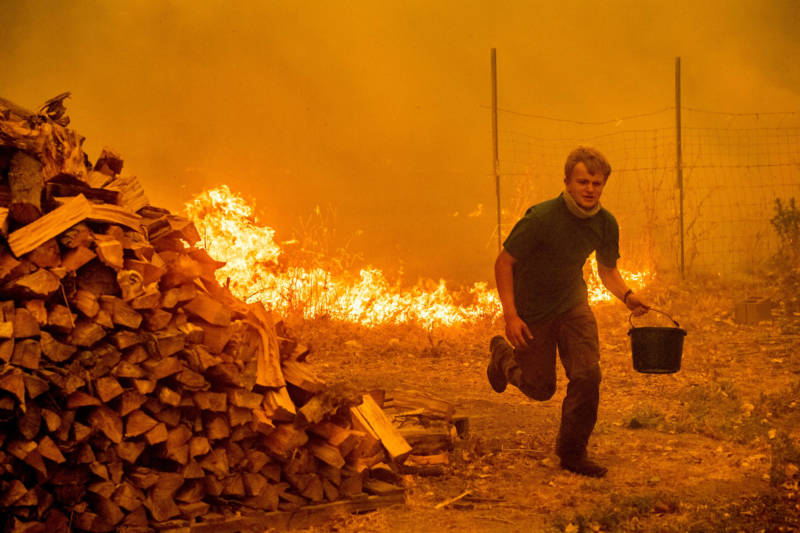
A significant factor contributing to the devastating impact of California wildfires is the increasing development of homes and communities within or adjacent to wildland areas. This “Wildland-Urban Interface” (WUI) creates a complex challenge for both fire prevention and evacuation.
- Increased Ignition Risk: More homes in wildland areas mean a greater potential for human-caused ignitions. Activities associated with daily life, from lawn mowing to outdoor cooking, can become fire hazards when conducted in close proximity to flammable vegetation.
- Evacuation Challenges: WUI communities often have limited egress routes, making evacuations difficult and dangerous during a fast-moving fire. The need to protect both human life and property in these areas puts immense pressure on emergency services. Planning for such events is a critical aspect of lifestyle choices for residents in areas like Santa Barbara County or the communities surrounding Big Bear Lake.
- Defensible Space: Creating “defensible space” around homes in the WUI is a crucial preventative measure. This involves clearing flammable vegetation, maintaining landscaping, and using fire-resistant building materials to reduce the risk of a structure igniting. This proactive approach is a vital part of responsible living in fire-prone regions.
In conclusion, understanding how fires start in California requires looking beyond a single cause. It is a multifaceted issue involving ignition sources, environmental conditions, and the ever-increasing overlap between human development and wildland ecosystems. By fostering awareness, promoting responsible practices, and supporting effective land management, California can work towards mitigating the devastating impact of these infernos and protecting its precious natural beauty and communities.
LifeOutOfTheBox is a participant in the Amazon Services LLC Associates Program, an affiliate advertising program designed to provide a means for sites to earn advertising fees by advertising and linking to Amazon.com. Amazon, the Amazon logo, AmazonSupply, and the AmazonSupply logo are trademarks of Amazon.com, Inc. or its affiliates. As an Amazon Associate we earn affiliate commissions from qualifying purchases.