Understanding the intricacies of time changes can be a perplexing task, especially when planning a trip or considering a long-term stay in a vibrant state like California. Known for its iconic landmarks, diverse destinations, and a lifestyle that often revolves around enjoying its extended daylight hours, California participates in Daylight Saving Time (DST), a biannual tradition that shifts clocks forward and backward. For both residents and visitors alike, knowing precisely “when” this time change occurs, and its implications, is crucial for seamless travel, accommodation bookings, and making the most of all the Golden State has to offer.
This guide delves into the specifics of California’s time change, its historical context, the ongoing legislative discussions, and most importantly, how it impacts your travel plans, tourism experiences, and daily routine in this sun-drenched paradise. From adjusting your sleep schedule to confirming attraction opening hours, mastering the time shift is key to an optimized California adventure.
Understanding California’s Daylight Saving Time
Daylight Saving Time is a practice of advancing clocks during warmer months so that evening daylight lasts longer, and morning daylight begins later. This tradition is observed across much of the United States, and California is no exception, adhering to the federal schedule for its time adjustments. These shifts, while sometimes inconvenient, aim to maximize daylight utilization, which historically was linked to energy conservation and agricultural productivity.
The Annual Shift: Spring Forward, Fall Back
For most of the United States, including California, Daylight Saving Time begins on the second Sunday in March and ends on the first Sunday in November.
-
Spring Forward: On the second Sunday in March, clocks “spring forward” one hour at 2:00 AM local time. This means 2:00 AM immediately becomes 3:00 AM. While this grants an extra hour of daylight in the evenings, it also means losing an hour of sleep on the night of the change. Travelers arriving in California around this time, especially from states or countries that do not observe DST, should be particularly mindful of this shift. For instance, a flight landing at what seems like 10:00 AM might actually arrive at 11:00 AM according to the new time, impacting onward connections, hotel check-ins, or pre-booked activities.
-
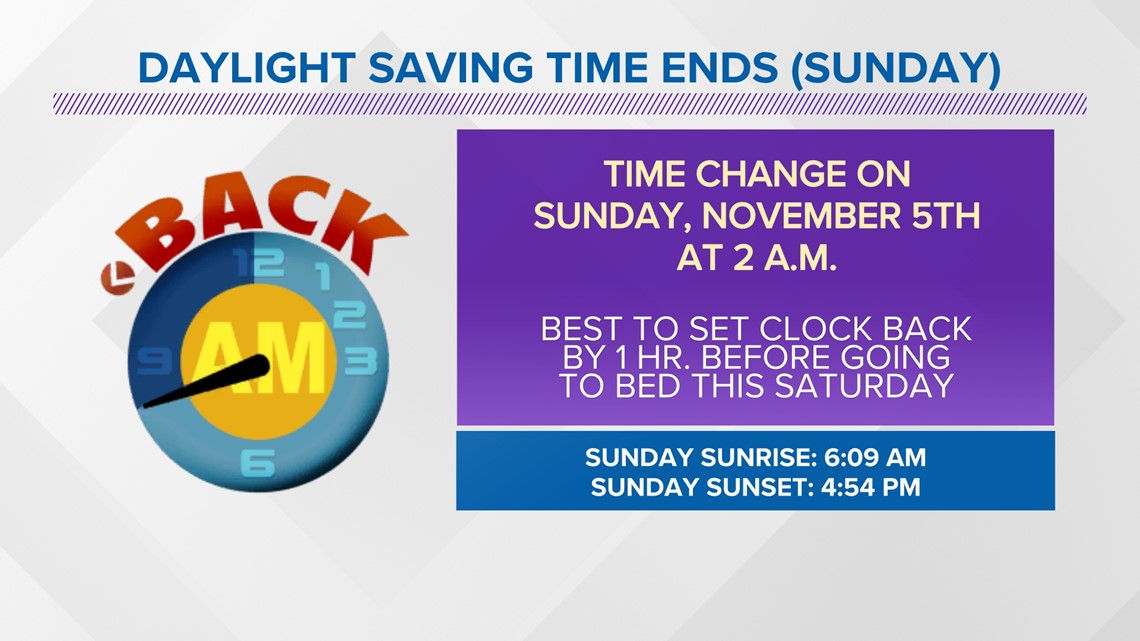
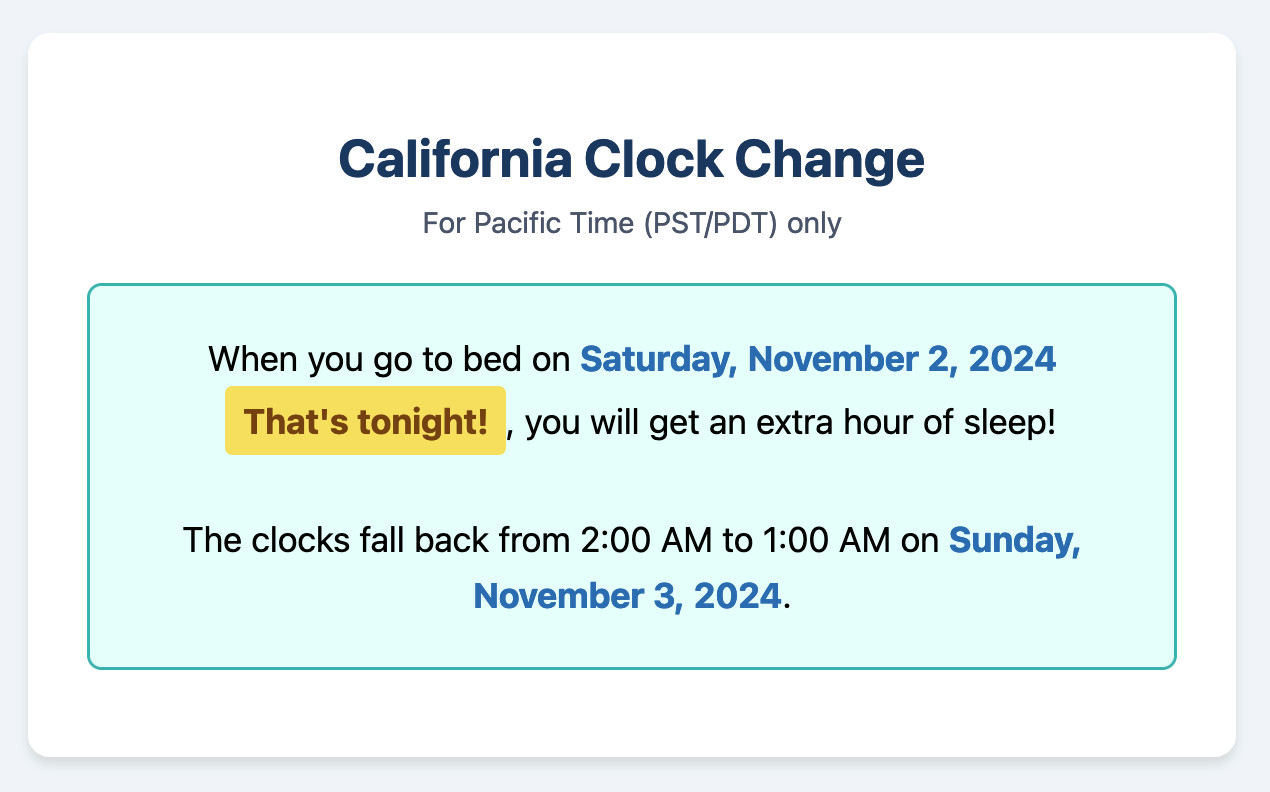
Fall Back: On the first Sunday in November, clocks “fall back” one hour at 2:00 AM local time. This means 2:00 AM immediately becomes 1:00 AM, effectively gaining an hour. While this provides an extra hour of sleep, it ushers in earlier sunsets, leading to shorter daylight hours in the evening. This shift can impact outdoor activities and evening excursions, especially in popular tourist destinations like Lake Tahoe or San Diego, where many experiences are daylight-dependent. For those enjoying a leisurely stay in a resort in Palm Springs, the earlier sunset might mean a shift in preferred dining times or evening entertainment schedules.
These biannual adjustments occur at 2:00 AM to minimize disruption to daily routines, commerce, and public transport schedules. However, for those traveling across time zones or embarking on a long road trip through California’s vast landscapes, keeping these dates in mind is vital for accurate itinerary planning.
A Look Back: The Roots of California’s DST
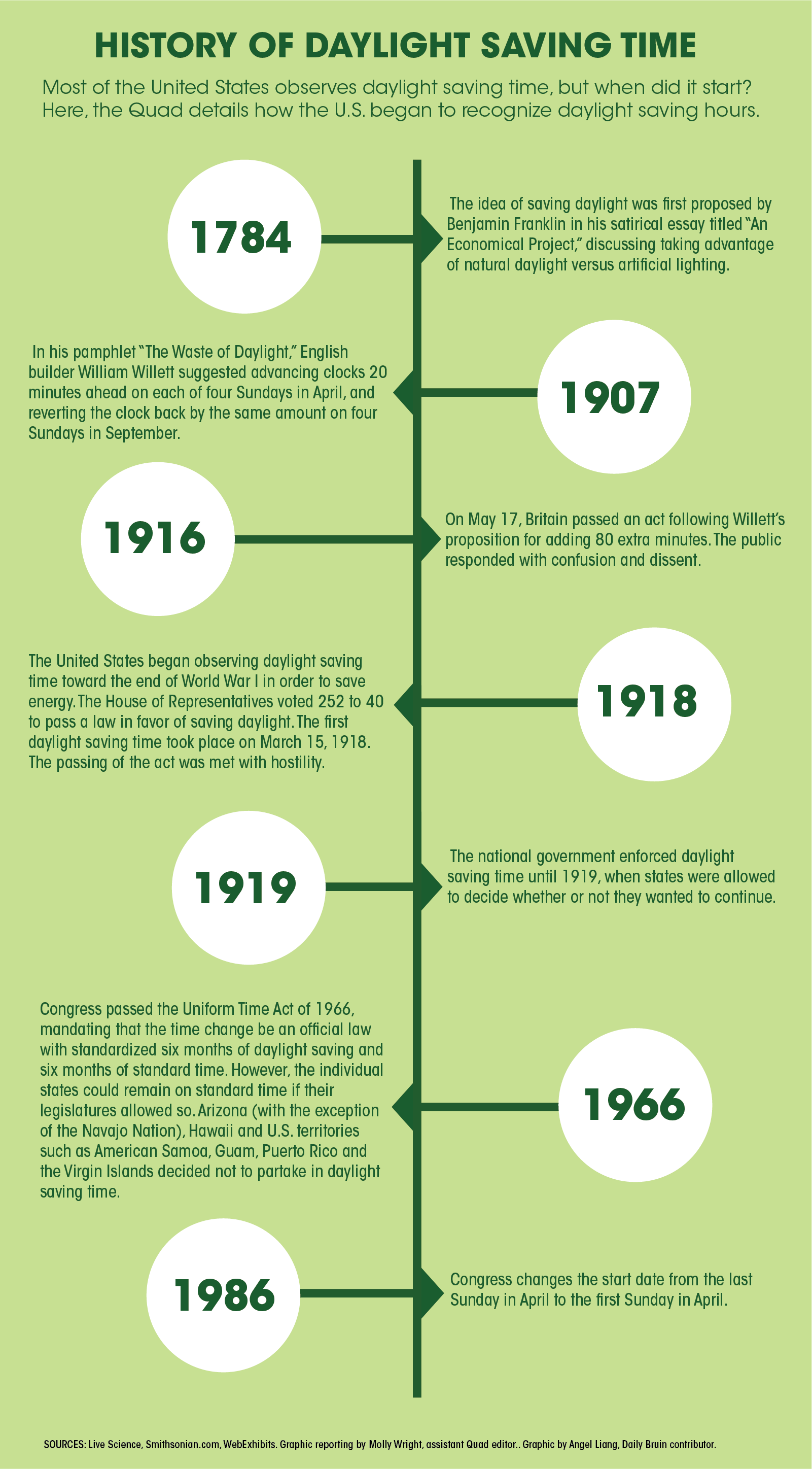
The concept of Daylight Saving Time is not a modern invention, nor is its adoption in California without a rich history. The idea was first widely implemented in the United States during World War I to save fuel and energy, and again during World War II. After varying state-level adoptions and rejections, the Uniform Time Act of 1966 standardized DST across the nation, allowing states to opt out. Arizona and Hawaii are two notable states that do not observe DST.
California has a long history with DST, consistently participating under federal guidelines. The logic behind its widespread acceptance has evolved over time, moving from wartime energy conservation to perceived benefits for retail, tourism, and outdoor leisure activities. The extended evening daylight hours are particularly cherished in California, a state where outdoor lifestyle and tourism are integral to its identity. Imagine a visitor to Disneyland or a wine taster in Napa Valley having an extra hour of sunlight to enjoy the park or linger at a vineyard – these are the subtle advantages that DST proponents often highlight.
The Ongoing Debate: Proposition 7 and Permanent DST
Despite its long-standing tradition, the future of Daylight Saving Time in California is far from settled. There’s a persistent, nationwide debate about the efficacy and necessity of biannual time changes, with a growing movement towards making DST permanent or abolishing it altogether. California has been at the forefront of this discussion, reflecting a desire among many residents and businesses for a more stable time standard.
The Legislative Journey: From Ballot to Congress
In 2018, California voters approved Proposition 7 with a resounding 60% majority. This proposition, officially known as the “Daylight Saving Time Act,” gave the California State Legislature the power to change DST laws, including establishing permanent, year-round Daylight Saving Time. While the vote was a strong indicator of public sentiment, it didn’t immediately change the clocks.
The key caveat is that for California to implement permanent Daylight Saving Time, federal law must be changed. The Uniform Time Act of 1966 currently allows states to opt out of DST and remain on standard time year-round (like Arizona), but it does not permit states to observe DST permanently. This requires an act of the United States Congress.
Following Proposition 7’s passage, several legislative efforts have been made at both the state and federal levels. In 2022, the U.S. Senate unanimously passed the Sunshine Protection Act, which would have made Daylight Saving Time permanent nationwide. However, the bill stalled in the House of Representatives and ultimately did not become law. As of the current date, California continues to observe the biannual time change in accordance with federal law. The debate, however, continues to simmer, with renewed pushes for federal legislation expected. The desire for stability in timekeeping, avoiding the disruption of “springing forward” and “falling back,” resonates with many.
Weighing the Pros and Cons for the Golden State
The discussion around permanent DST or year-round standard time involves various arguments, each with potential implications for California’s unique blend of lifestyle, economy, and tourism.
Arguments for Permanent DST (Year-Round Daylight Saving Time):
- Economic Benefits: Proponents argue that more evening daylight encourages greater consumer spending, particularly in retail and hospitality. People are more likely to shop, dine out, and engage in recreational activities after work if there’s still daylight. This would be a boon for California’s tourism sector, benefiting hotels, restaurants, and attractions.
- Safety: Extended evening daylight is often linked to a decrease in traffic accidents and street crime, as visibility is improved during peak commuting hours.
- Health and Wellness: Eliminating the biannual clock change could reduce the disruption to sleep patterns, which some studies link to increased heart attacks, strokes, and mental health issues in the days following the shift.
- Tourism Appeal: For travelers and residents, more daylight hours in the evening enhance the enjoyment of outdoor activities, from surfing in Santa Monica to hiking in Yosemite National Park or strolling across the Golden Gate Bridge.
Arguments Against Permanent DST (or for Permanent Standard Time):
- Early Morning Darkness: The main drawback of permanent DST is that sunrise would occur much later in winter months. In some parts of California, the sun might not rise until well after 8:00 AM or even 9:00 AM, especially in northern regions or during the heart of winter. This could impact school children waiting for buses in the dark, morning commuters, and certain outdoor work.
- Health Concerns: While some argue that eliminating the shift is beneficial, others contend that constantly aligning with a later sunrise could disrupt natural circadian rhythms, especially for those who need to start their day early.
- Interstate Commerce and Coordination: Maintaining a different time standard from neighboring states like Nevada or Oregon (if they don’t also adopt permanent DST) could create logistical challenges for businesses operating across state lines, particularly in border cities.
- Energy Savings Debate: The original premise of DST for energy saving has been largely debunked by modern studies, suggesting minimal to no energy savings, and sometimes even increased energy consumption due to factors like air conditioning use.
While California continues to observe the “spring forward, fall back” rhythm for now, the conversation about a more permanent solution is ongoing. For anyone planning a visit, staying informed about the current federal and state legislative landscape is wise, as changes could eventually impact future travel experiences.
Navigating the Time Shift: A Traveler’s Guide to California
The biannual time change, while a relatively minor adjustment for residents, can present unique challenges and opportunities for travelers. Whether you’re flying into Los Angeles, checking into an accommodation in San Francisco, or embarking on a scenic drive along Highway 1, understanding how DST impacts your journey is essential for a smooth and enjoyable California experience.
Travel Logistics: Flights, Hotels, and Itineraries
- Flights and Transportation: Airlines and other transportation providers typically adjust their schedules to reflect the time change well in advance. However, it’s always prudent to double-check your flight times if you are traveling on the day of or immediately following a time change. A flight departing at 8:00 AM on the “spring forward” Sunday will effectively be an hour earlier by your body clock, and you wouldn’t want to miss it. Similarly, train and bus schedules, particularly for long-distance routes like Amtrak’s Coast Starlight which connects cities like Sacramento, Oakland, and Los Angeles, will adhere to the local time changes.
- Hotel Check-in/Check-out: Most hotels and accommodation providers, whether a boutique hotel in Beverly Hills or a cozy Airbnb in Napa Valley, operate on local time. This means your check-in and check-out times will automatically adjust. If you’re arriving on a “spring forward” Sunday, you might feel an hour more tired upon arrival due to the lost hour. Conversely, on a “fall back” Sunday, you might appreciate the extra hour before heading out. Confirming precise times with your chosen accommodation (e.g., Hyatt Regency or a local boutique hotel) is always a good practice, especially if you have tight schedules or early morning departures.
- Itinerary Planning: When planning your daily itinerary, particularly for multi-day trips involving driving across various time zones (though California is primarily in one time zone, the proximity to states like Nevada or Arizona can be confusing), account for the time shift. If you’re driving from Las Vegas (which observes DST and is in Pacific Time) to Arizona (which does not observe DST and is usually on Mountain Standard Time), the time difference can change. This can affect meeting times, attraction visits, and restaurant reservations. For travel within California, the primary impact will be your body’s adjustment to the hour shift.
Maximizing Your Visit: Attractions and Experiences
- Attraction Hours: Major tourist attractions across California will adjust their operating hours to the new local time. However, it’s always wise to verify opening and closing times directly on the attraction’s website (e.g., Universal Studios Hollywood, San Diego Zoo, or Alcatraz Island) or by calling, particularly during the week of the time change. Some smaller, local businesses or niche attractions might have less immediate updates.
- Outdoor Activities: California’s appeal lies heavily in its outdoor lifestyle. During “spring forward,” you’ll benefit from more evening daylight, allowing for longer beach walks in Santa Cruz, sunset hikes in Griffith Park, or extended exploration of Joshua Tree National Park. Conversely, “fall back” means earlier sunsets, which can shorten the window for daylight activities. Plan accordingly, especially if you’re engaging in activities with time constraints, such as guided tours that end before dark.
- Dining and Entertainment: Restaurants, bars, and entertainment venues will operate on the new local time. For those with reservations, the time change is typically seamless as your booking will reflect the local time. However, your internal clock might be a bit off, so allow yourself extra time to adjust. Consider that dinner reservations might feel earlier or later than usual for a few days post-shift.
Practical Tips for a Smooth Transition
To ensure your California adventure isn’t thrown off by the time change, a few simple preparations can make all the difference:
- Adjust Devices Automatically: Most modern smartphones, computers, and smartwatches will automatically update to the correct time. However, double-check that this feature is enabled, especially if you rely on an alarm clock on your phone for an early flight or tour. Manually change any traditional wall clocks or travel alarms.
- Confirm Important Timings: Always verify flight departure/arrival times, hotel check-in/check-out, tour start times, and attraction opening hours directly with the providers, especially if your travel dates fall on or near the time change weekends.
- Prioritize Sleep: The “spring forward” shift is notorious for disrupting sleep. Try to adjust your sleep schedule gradually in the days leading up to the change, going to bed 15-30 minutes earlier. Even if you’re on vacation, maintaining a relatively consistent sleep schedule can mitigate the effects of jet lag-like symptoms.
- Embrace the Daylight: Leverage the extended evening daylight during DST for more outdoor experiences and sightseeing. In contrast, once clocks “fall back,” be mindful of earlier sunsets and plan any evening outings accordingly.
- Stay Hydrated and Active: These general travel tips are even more crucial when your body is adjusting to a time change. Staying hydrated and getting some light exercise can help your body adapt more quickly.
- Pack Smart: If you’re sensitive to light, an eye mask can be a lifesaver during the “spring forward” period when mornings feel darker, or during the “fall back” period if you prefer to sleep in and block out earlier morning light.
Conclusion: Embracing the Rhythms of California
While the biannual time change in California might seem like a minor detail, its implications for travelers and local tourism are significant. By understanding when clocks “spring forward” in March and “fall back” in November, and being aware of the ongoing debates surrounding DST’s future, visitors can better plan their journeys, manage their itineraries, and maximize their enjoyment of the Golden State’s myriad attractions.
From ensuring timely arrivals for flights to coordinating hotel stays, and from planning extended evenings in bustling Los Angeles to enjoying the tranquil sunsets over the Pacific Ocean, a proactive approach to the time change ensures a seamless and memorable California experience. The time change is simply another unique rhythm of life in this dynamic state, and embracing it allows you to truly immerse yourself in all the wonders California has waiting.