
Arizona, often hailed as the Grand Canyon State, is a magnet for travelers seeking everything from breathtaking natural landscapes and vibrant city life to rich cultural experiences and luxurious resort stays. Whether you’re planning an adventurous trek through the Grand Canyon, a serene retreat in Sedona, a bustling business stay in Phoenix, or a family trip exploring Tucson’s unique attractions, understanding the local tax structure is an often-overlooked yet crucial aspect of budgeting and financial planning. Unlike many other states in the United States that levy a traditional sales tax, Arizona operates under a somewhat distinct system known as the Transaction Privilege Tax (TPT). For anyone engaging in tourism, enjoying local food, or securing accommodation, grasping the nuances of Arizona’s TPT is essential for avoiding unexpected costs and ensuring a smooth travel experience. This comprehensive guide will demystify Arizona’s sales tax, detailing its structure, its impact on various services relevant to visitors and residents alike, and offering tips for navigating it successfully.
Understanding Arizona’s Transaction Privilege Tax (TPT)
At first glance, the term “sales tax” might be misleading when discussing Arizona’s tax system. While it functions similarly to what most people understand as a sales tax, the state officially refers to it as the Transaction Privilege Tax (TPT). This distinction is more than just semantics; it reflects a fundamental difference in who is legally responsible for the tax.
How TPT Differs from Traditional Sales Tax
In most states, a sales tax is a levy directly on the consumer for the privilege of purchasing goods or services. The retailer collects this tax and remits it to the state. In Arizona, however, the TPT is a tax on the vendor for the privilege of doing business in the state. While the vendor is legally obligated to pay the TPT, they are typically permitted to pass the cost on to the consumer, which is why it often appears on your receipt as a “sales tax” or “city tax.” This structure means that different business activities or “privileges” are taxed at varying rates, which can lead to a complex web of classifications and rates depending on the type of transaction. For travelers, this complexity primarily manifests in the final price of hotel rooms, dining bills, and retail purchases. Understanding that this tax is on the business, rather than directly on the consumer, helps clarify why certain services might have different tax rates. For example, a hotel providing lodging services is engaging in a different “privilege” than a restaurant selling food, and each activity is subject to its own TPT classification and rate.
State, County, and City Components
The total TPT rate you pay in Arizona is a composite of three levels: state, county, and city (or municipal) taxes. This multi-tiered system means that the effective tax rate can vary significantly depending on your exact destination within the state.
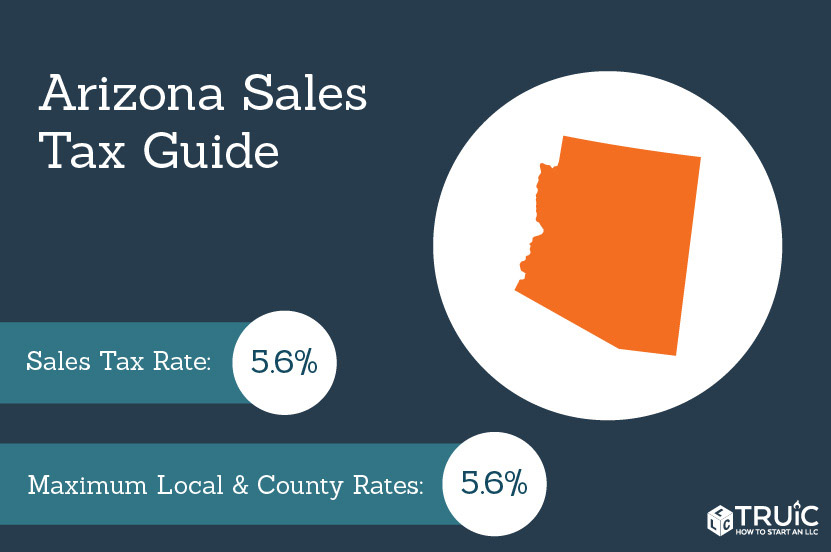
- State TPT Rate: The statewide TPT rate for most retail sales of tangible personal property is 5.6%. This is the baseline tax applied across Arizona for many common transactions. However, specific categories like contracting, utilities, and certain types of rentals may have different state rates.
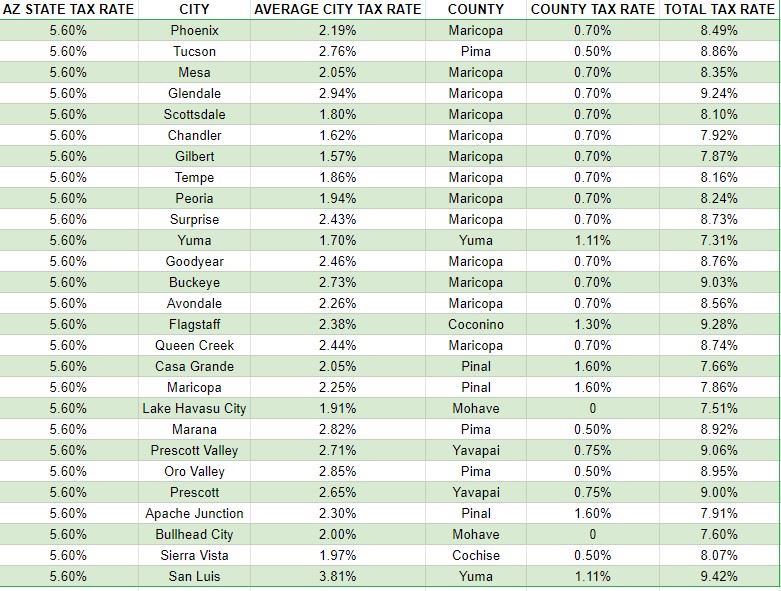
- County TPT Rate: On top of the state rate, counties also impose their own TPT. These rates are generally lower than the state rate, often ranging from 0.5% to 2%. For instance, Maricopa County (where Phoenix and Scottsdale are located) levies a specific rate that adds to the overall cost.
- City (Municipal) TPT Rate: This is where the greatest variation occurs. Each city or town in Arizona has the authority to set its own TPT rates, and these can range from zero to over 3%. Popular travel destinations like Phoenix, Tucson, Scottsdale, Sedona, and Flagstaff all have their unique municipal tax rates, which can significantly impact the final price of goods and services. For example, a purchase made in Phoenix will have a different combined TPT rate than the exact same purchase made in Mesa or Tempe, even though they are all within Maricopa County.
The cumulative effect of these three layers means that the combined TPT rate can easily exceed 9% or 10% in many Arizona cities for common retail purchases and even higher for specific services like lodging. This intricate structure necessitates a degree of awareness for anyone planning expenses, especially for those considering various destinations during their stay.
Sales Tax and the Arizona Visitor Experience
For the discerning traveler or anyone planning an extended stay in Arizona, the Transaction Privilege Tax directly influences the cost of virtually every aspect of their visit. From where you sleep to what you eat and the activities you enjoy, TPT plays a role.
Accommodation Taxes: A Closer Look at Hotels and Resorts
One of the most significant impacts of Arizona’s TPT for visitors is on accommodation. Hotels, resorts, suites, apartments, and villas are subject to the standard state, county, and city TPT rates. However, many municipalities and counties also impose an additional “transient lodging tax” or “bed tax.” This extra layer of taxation is specifically applied to short-term stays (typically less than 30 days) and is a common revenue source for funding tourism promotion and public services.
For example, in a major tourism hub like Scottsdale, a hotel room might be subject to the state TPT (5.6%), the Maricopa County TPT (around 0.7%), the Scottsdale city TPT (around 1.75%), plus an additional Scottsdale transient lodging tax (around 5%). This combination can push the total tax rate on your hotel bill to well over 12%, sometimes even approaching 15-16% depending on the specific city and its added levies. When booking accommodation, it’s crucial to look beyond the nightly rate and factor in these additional taxes, as they can significantly inflate the overall cost of your stay. Many online booking platforms now display an estimated total including taxes, but understanding the breakdown helps in comparison and budgeting. For those considering long-term stays (typically over 30 days), it’s worth noting that these transient lodging taxes often do not apply, offering potential savings. Always verify specific policies with your accommodation provider.
Dining, Retail, and Activities
Beyond accommodation, the TPT impacts almost every other transaction a traveler will make:
- Dining Out: Enjoying Arizona’s diverse food scene, from gourmet restaurants in Phoenix to authentic Southwestern cuisine in Tucson, will incur the combined state, county, and city TPT. The rates for restaurant meals are typically the same as for general retail sales. Don’t forget to account for this when budgeting for your food expenses, especially if you’re planning on frequenting high-end establishments or enjoying luxury travel experiences.
- Retail Purchases: Whether you’re buying souvenirs at the Grand Canyon, clothing in Old Town Scottsdale, or necessities in Flagstaff, these items are subject to the combined TPT rate of that specific location. Remember that these rates fluctuate greatly between municipalities.
- Activities and Experiences: Admission to attractions like the Desert Botanical Garden, tours of Antelope Canyon, or entry to the Heard Museum typically have TPT applied to their fees. Rental services, such as car rentals for exploring Saguaro National Park or equipment for water activities at Lake Havasu, are also subject to TPT, often with additional specific rental car surcharges that add to the total cost. Even guided tours and experiences fall under the TPT umbrella, so factoring these taxes into your adventure budget is crucial.
Understanding these tax applications allows for more accurate budgeting, helping travelers and residents to better plan their finances and avoid any unwelcome surprises.
Navigating TPT for Different Travel Styles
Arizona’s unique TPT system can present different challenges and considerations depending on your travel style and financial priorities. From luxury travelers seeking indulgent experiences to budget travelers meticulously tracking every dollar, awareness of these taxes is key.
Budgeting for Luxury and Family Trips
For those embarking on a luxury travel adventure, while the percentage of tax might seem small compared to the overall cost of premium suites or exclusive dining, the cumulative effect can be substantial. A 15% tax on a $500-a-night resort room adds $75 to your daily accommodation cost. Over a week, this translates to hundreds of dollars that could otherwise be spent on unique experiences or high-end amenities. Luxury travelers should specifically inquire about all inclusive pricing or detailed tax breakdowns when booking to ensure their expectations align with the final bill.
Family trips also require careful budgeting, as expenses for accommodation, food, and activities multiply with each family member. A seemingly modest sales tax can add up quickly when purchasing multiple tickets for attractions like the Wildlife World Zoo or dining out with children. Planning meals that include some cooking in apartment-style accommodations or choosing restaurants with family deals can mitigate some of these costs. Furthermore, many family-friendly resorts offer packages; always clarify if the advertised price includes all applicable taxes and fees to avoid surprises at check-out. Understanding that different cities like Phoenix vs. Tucson will have different rates can also influence where a family decides to base their travel.
Tips for Savvy Travelers in Arizona
For budget travelers and anyone looking to optimize their spending, a few tips can make a significant difference in navigating Arizona’s TPT:
- Always Look at the “All-Inclusive” Price: When booking hotels, car rentals, or tours, ensure the quoted price includes all taxes and fees. Many online platforms offer this option, providing a clear picture of the final cost. Don’t just compare base rates; compare the final price.
- Be Aware of City-Specific Rates: If your travel itinerary includes multiple cities, do a quick check of their respective TPT rates, especially for significant purchases like accommodation. A marginal difference in tax rates between neighboring cities like Mesa and Chandler could translate to noticeable savings over an extended stay. Resources from the Arizona Department of Revenue provide detailed current rates.
- Factor TPT into Your Daily Budget: Don’t forget to allocate an extra 8-15% (depending on the location and service) for TPT when planning your daily spending on food, souvenirs, and casual purchases. This foresight prevents overspending your allocated funds.
- Consider Longer Stays for Accommodation Tax Relief: If feasible, long-term stays (usually 30 days or more) are often exempt from transient lodging taxes, which can result in substantial savings on accommodation. This might be a viable option for remote workers or those planning extended exploration of a particular region.
- Utilize Reviews and Guides: Many travel reviews and guides from platforms like Life Out of the Box often provide insights into hidden costs or typical tax rates in popular destinations, helping you make informed decisions.
By proactively understanding and accounting for Arizona’s TPT, travelers can enhance their overall experience, making their trips more enjoyable and financially predictable. Whether you’re exploring the majestic Monument Valley, hiking Camelback Mountain, or delving into the history of the Petrified Forest National Park, being tax-savvy is part of smart travel.
Conclusion: Making Informed Choices in the Grand Canyon State
Navigating the financial landscape of any new destination requires a degree of preparation, and Arizona is no exception. While its Transaction Privilege Tax system might seem more complex than a standard sales tax, the fundamental principle remains the same: it’s an additional cost applied to most goods and services you’ll encounter. For anyone planning to visit or reside in the Grand Canyon State, from the bustling urban centers of Phoenix and Tucson to the serene natural beauty of Sedona and Flagstaff, understanding this tax is crucial for effective budgeting and financial peace of mind.
By familiarizing yourself with the state, county, and municipal components of the TPT, and recognizing its specific applications to accommodation, food, retail, and activities, you can make more informed choices. Whether you are a luxury traveler indulging in a lavish resort stay, a budget traveler seeking economical experiences, or planning a memorable family trip to see Landmarks like the Hoover Dam or Yuma’s historic sites, factoring in the TPT ensures there are no unpleasant surprises on your bill.
Arizona’s diverse offerings cater to every lifestyle and travel preference, promising unforgettable experiences amidst stunning desert landscapes and vibrant communities. By following the tips outlined in this guide and maintaining awareness of the tax implications, your journey through Arizona will be as smooth and enjoyable as its famous sunsets. So, go forth and explore, armed with the knowledge to make your Arizona adventure truly exceptional, free from unexpected financial hiccups.
LifeOutOfTheBox is a participant in the Amazon Services LLC Associates Program, an affiliate advertising program designed to provide a means for sites to earn advertising fees by advertising and linking to Amazon.com. Amazon, the Amazon logo, AmazonSupply, and the AmazonSupply logo are trademarks of Amazon.com, Inc. or its affiliates. As an Amazon Associate we earn affiliate commissions from qualifying purchases.