
Florida, a state renowned for its sun-drenched beaches, vibrant theme parks, and lush natural landscapes, is also home to a fascinating reptilian resident: the American crocodile. While many visitors flock to the Sunshine State for its iconic attractions like Walt Disney World or the Everglades National Park, a significant portion of Florida’s biodiversity thrives in its waterways and coastal areas, including these impressive ancient creatures. The question of “How many crocodiles are in Florida?” is one that sparks curiosity, blending the allure of wildlife encounters with the practicalities of conservation and ecological balance. Understanding the population of American crocodiles is not just an academic exercise; it provides vital insights into the health of Florida’s delicate ecosystems and informs ongoing efforts to protect these magnificent reptiles.

Unveiling the American Crocodile Population
The American crocodile (Crocodylus acutus) is one of two crocodilian species found in Florida, the other being the American alligator. However, unlike their more numerous alligator cousins, crocodiles are significantly rarer and have a more restricted range within the state. Their presence is a testament to Florida’s unique subtropical environment, providing the ideal conditions for these large, powerful reptiles to thrive.
Pinpointing an exact, real-time count of American crocodiles in Florida is a challenging endeavor. Wildlife populations are dynamic, influenced by breeding cycles, environmental factors, and the effectiveness of conservation programs. However, scientific surveys and monitoring efforts provide estimates that help us understand their numbers and distribution.
Population Estimates and Trends
Historically, the American crocodile population in Florida faced severe decline due to habitat loss and hunting. However, thanks to dedicated conservation initiatives and legal protections implemented over the past few decades, their numbers have shown a remarkable recovery. While a precise figure is elusive, current estimates suggest that the wild population of American crocodiles in Florida hovers in the low thousands, likely between 1,500 and 2,000 individuals.
This number is a stark contrast to the American alligator population, which numbers in the hundreds of thousands, if not millions, across the state. The difference highlights the more specialized habitat requirements of crocodiles and their greater susceptibility to environmental changes.
The primary stronghold for American crocodiles in Florida is in the southern tip of the state, particularly within Miami-Dade County and the surrounding coastal wetlands. Areas like Everglades National Park, Biscayne National Park, and the coastal mangrove forests play a crucial role in supporting their habitat. These regions offer the brackish or saltwater environments that crocodiles prefer, along with ample food sources and nesting grounds.
Conservation efforts have been instrumental in this recovery. The designation of protected areas, habitat restoration projects, and regulations against hunting have all contributed to a more stable and growing crocodile population. Researchers continuously monitor breeding success, track individuals, and study their behavior to ensure the long-term survival of the species in Florida. These efforts are crucial for maintaining the ecological balance of the unique wetland ecosystems that define South Florida.
Where Do Florida’s Crocodiles Live?
The habitat of the American crocodile in Florida is distinct and geographically concentrated, primarily in the southern reaches of the state. Unlike the American alligator, which is more adaptable and found in freshwater environments throughout Florida, the American crocodile has a strong preference for brackish and saltwater habitats. This preference is a key factor in their limited distribution.
Key Habitats and Distribution
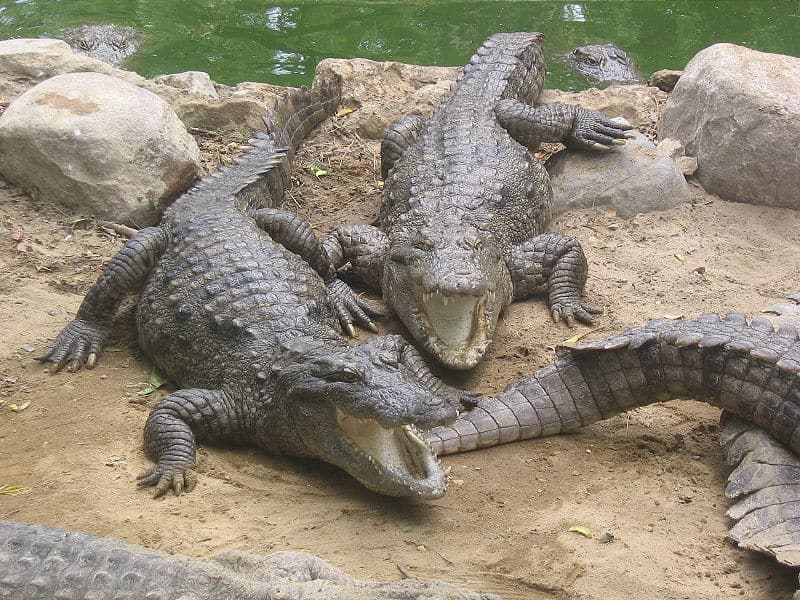
The most significant population of American crocodiles in Florida resides in Miami-Dade County. This includes crucial areas such as:
- Everglades National Park: This vast protected area offers extensive mangrove forests and estuarine environments, providing ideal hunting grounds and nesting sites for crocodiles. The sheer size and relative isolation of the park offer vital refuge.
- Biscayne National Park: Another significant protected area, Biscayne National Park encompasses a large portion of Biscayne Bay and its surrounding islands and coastal habitats, which are frequented by crocodiles.
- Coastal Mangrove Forests: These dense, intertidal forests are the quintessential habitat for American crocodiles in South Florida. They offer protection from predators, abundant food sources in the form of fish and other small animals, and suitable substrate for nesting.
- Saltwater Lagoons and Estuaries: Beyond the national parks, various coastal inlets, lagoons, and estuaries along the southeastern coast of Florida, particularly in the Keys region, can also harbor crocodiles.
- Man-Made Canals and Waterways: Interestingly, urban development has also created habitats that crocodiles utilize. In some areas of South Florida, particularly around power plants that discharge warm water, crocodiles have been observed in canals and industrial waterways. This phenomenon, while beneficial for the crocodiles’ thermoregulation and foraging, also brings them into closer proximity with human populations, necessitating careful management and public awareness.
The northernmost known breeding populations of American crocodiles are found in the Florida Keys, extending northwards into parts of the mainland coast. However, sightings become increasingly rare as one moves further north or into purely freshwater environments, where alligators dominate.
The limited distribution is a critical aspect of understanding their population. While the total number might be in the low thousands, their concentration in specific, often sensitive, ecological zones makes them particularly vulnerable to habitat degradation, pollution, and human disturbance. This emphasizes the importance of preserving and protecting these vital South Florida ecosystems.
Crocodile Encounters and Tourism in Florida
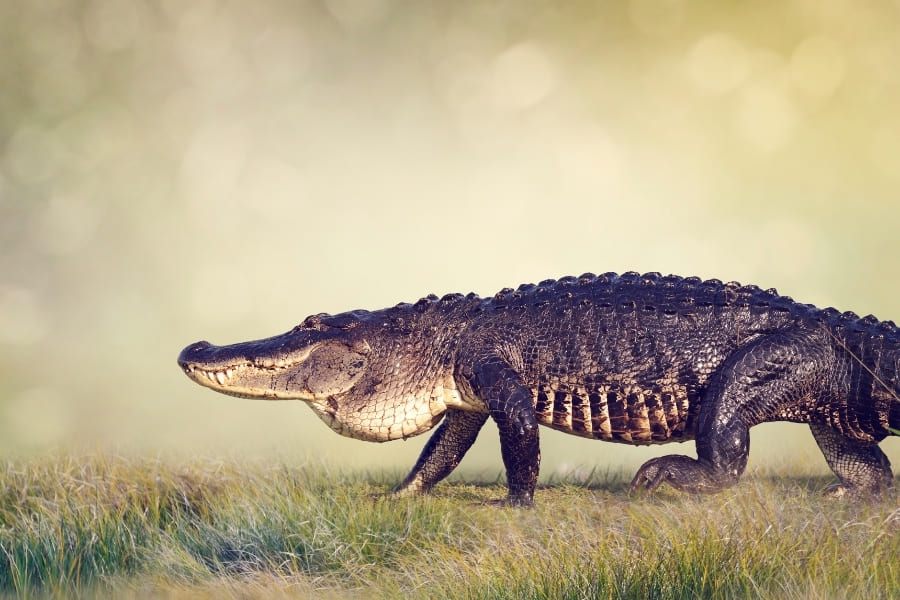
For many travelers, the allure of Florida includes the possibility of encountering its unique wildlife. While seeing an American alligator is a common experience for those visiting natural areas or even suburban lakes, spotting an American crocodile requires a bit more specific knowledge and a visit to their preferred habitats.
Experiencing Florida’s Crocodiles Responsibly
When visiting areas known for crocodile populations, such as the aforementioned Everglades National Park or Biscayne National Park, visitors have a chance to see these magnificent reptiles in their natural environment. However, it’s paramount to remember that these are wild animals, and encounters should be approached with respect and caution.
Best Places for Sightings:
- Anhinga Trail and Gumbo Limbo Trail in Everglades National Park: While primarily known for alligators, these well-maintained trails offer opportunities to see both species in their shared wetland environment.
- Flamingo Visitor Center Area: Located at the southern tip of the Everglades, the waters around Flamingo are a known hotspot for American crocodiles. Boat tours and kayaking expeditions in this area can offer excellent viewing opportunities.
- Coastal areas and mangrove fringes: Guided tours that navigate the mangrove tunnels and coastal waters of South Florida are often the most rewarding way to find crocodiles. Local tour operators are knowledgeable about the best spots and responsible viewing practices.
Responsible Viewing Tips:
- Maintain a Safe Distance: Crocodiles are powerful predators. Never approach, feed, or attempt to touch a wild crocodile. A minimum safe distance of at least 50 feet is recommended, though greater distances are always preferable.
- Do Not Feed Wildlife: Feeding crocodiles can alter their natural behavior, making them more habituated to humans and potentially leading to dangerous encounters. It is also illegal and harmful to their health.
- Stay on Designated Trails and Boardwalks: This minimizes disturbance to the habitat and ensures your safety.
- Be Quiet and Observe: Loud noises can startle wildlife. Patience and quiet observation are key to a successful and respectful viewing experience.
- Consider Guided Tours: Local guides possess invaluable knowledge of crocodile behavior, habitats, and the safest ways to observe them. Many tour operators in areas like Homestead or the Florida Keys specialize in wildlife excursions.
While not as common as alligator viewing, crocodile encounters add a unique dimension to a Florida wildlife adventure. The possibility of spotting these elusive reptiles enhances the appeal of exploring the state’s diverse natural landscapes, from the expansive sawgrass plains of the Everglades to the intricate network of mangrove waterways. It’s a reminder of the rich biodiversity that Florida protects, offering visitors a chance to witness a truly wild and remarkable species. For those planning a trip focused on nature and wildlife, understanding where and how to respectfully seek out these animals can be a highlight of their visit. Whether staying at a comfortable resort in Miami or exploring remote parts of the national parks, the presence of the American crocodile is a significant part of Florida’s natural heritage.
LifeOutOfTheBox is a participant in the Amazon Services LLC Associates Program, an affiliate advertising program designed to provide a means for sites to earn advertising fees by advertising and linking to Amazon.com. Amazon, the Amazon logo, AmazonSupply, and the AmazonSupply logo are trademarks of Amazon.com, Inc. or its affiliates. As an Amazon Associate we earn affiliate commissions from qualifying purchases.