
The vast expanse of the American Southwest offers a tapestry of diverse landscapes, vibrant cultures, and unforgettable experiences. When planning a journey between two of its most iconic states, Arizona and California, understanding the distances and travel times is paramount. The question “How Far Is Arizona To California?” is not a simple one, as the answer depends heavily on your starting point within the sprawling Arizona landscape and your intended destination in the equally expansive California. This exploration will delve into the geographical realities, the most popular routes, and the factors that influence your journey, all while considering the rich tapestry of attractions, accommodations, and experiences each state offers.
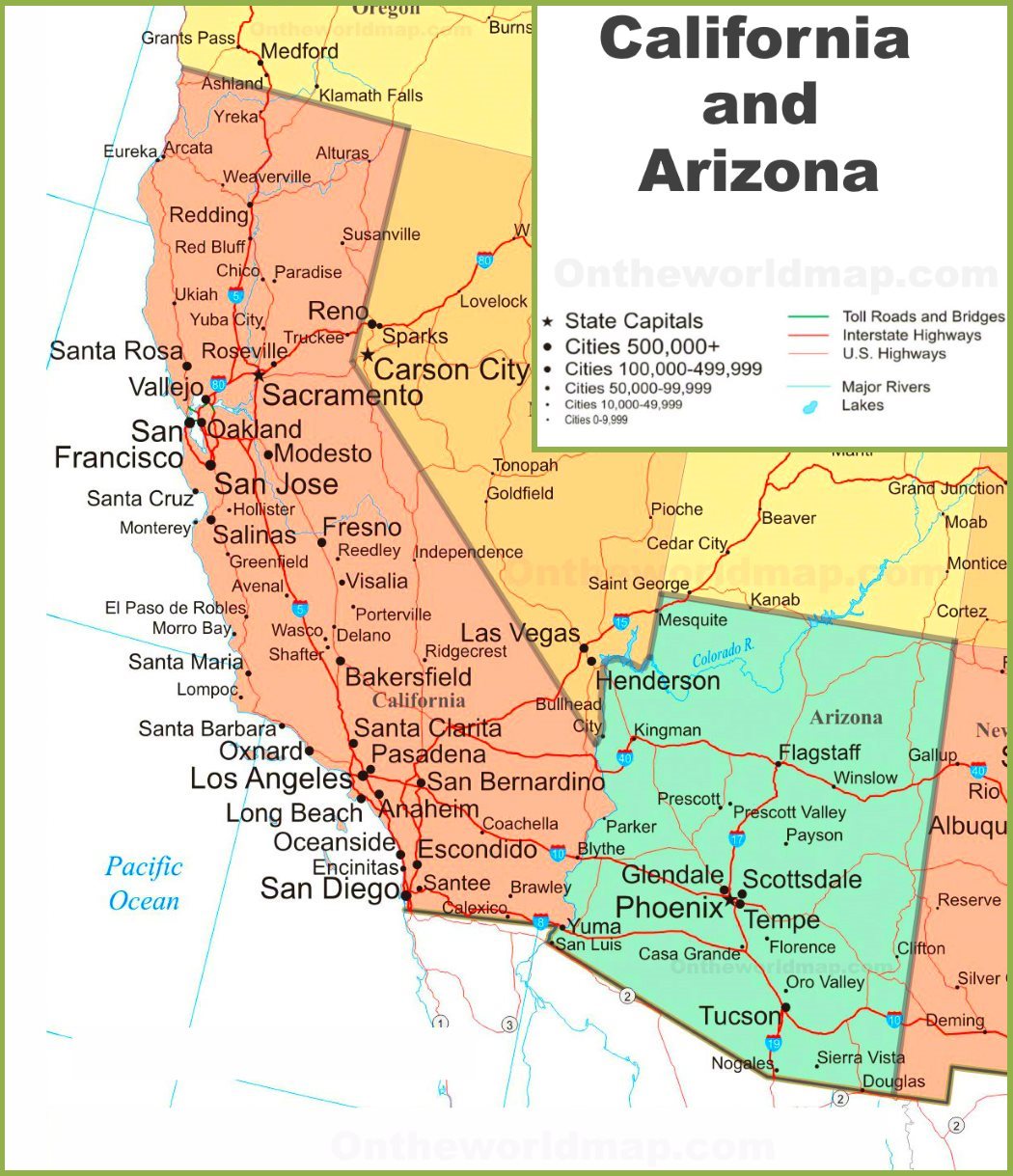
Navigating the Southwestern Divide: Distance and Driving Routes
The sheer size of both Arizona and California means that the distance between them can vary dramatically. Arizona, with its arid deserts, towering canyons, and lush mountain ranges, shares a significant border with California. This proximity makes driving a popular and often scenic choice for travelers.
The Southern Corridor: From Phoenix to Los Angeles
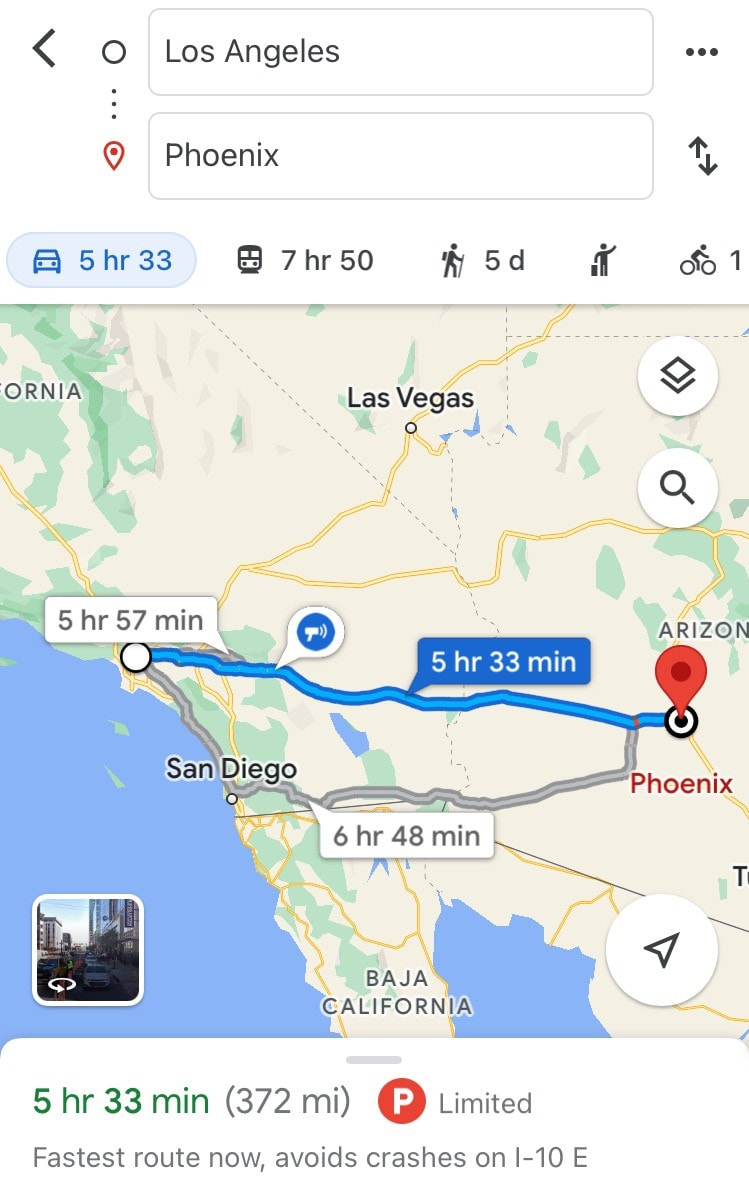
One of the most common routes for travelers is between Phoenix, Arizona’s bustling capital, and Los Angeles, California’s entertainment hub. The distance between these two major metropolitan areas is approximately 370 miles (around 595 kilometers). This journey typically takes about 5.5 to 6 hours of pure driving time, depending on traffic conditions, especially as you approach and enter the Los Angeles basin.
This southern corridor is primarily serviced by Interstate 10 (I-10), a major east-west highway that offers a relatively straightforward drive. Along this route, travelers can experience a shift in scenery, from the desert landscapes of Arizona, dotted with saguaro cacti and dramatic rock formations, to the more varied terrain of southern California.
Key Stops and Considerations Along I-10
While the drive itself is manageable, several points of interest and logistical considerations are worth noting:
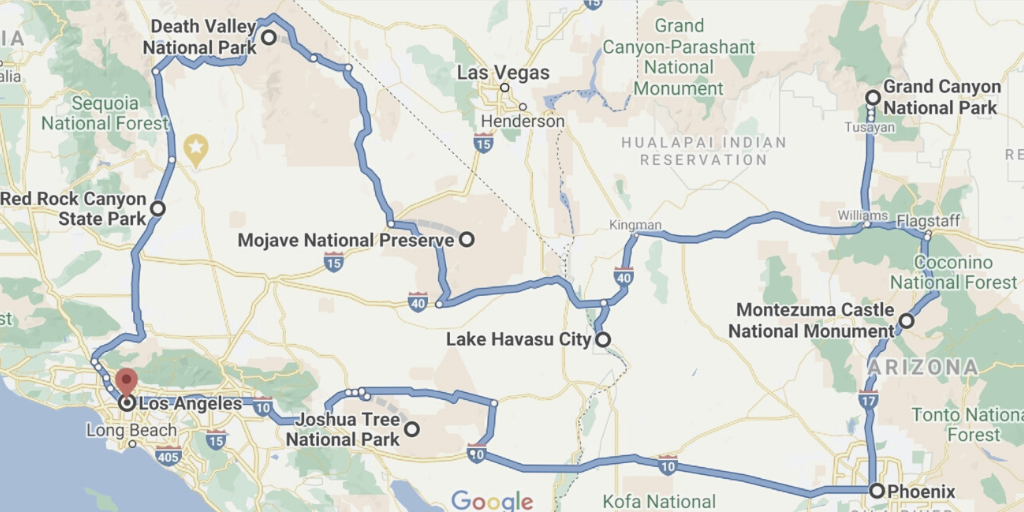
- Palm Springs, California: This desert oasis, known for its mid-century modern architecture, luxury resorts, and vibrant arts scene, makes an excellent mid-way stop or destination in itself. Its proximity to the Coachella Valley makes it a popular spot for music festival-goers and those seeking a relaxing desert retreat.
- Joshua Tree National Park: A slight detour off I-10 will lead you to the otherworldly landscapes of Joshua Tree National Park. Famous for its unique Joshua trees and surreal rock formations, this park is a haven for hikers, rock climbers, and photographers. The stark beauty of the desert is a stark contrast to the urban sprawl of Los Angeles.
- Traffic Congestion: Be prepared for significant traffic, especially during peak hours, as you approach Los Angeles. Planning your arrival to avoid rush hour can save you considerable time and frustration.
The Northern Route: From Flagstaff to Las Vegas (and beyond)
Another popular gateway, particularly for those interested in Arizona’s natural wonders, is from cities like Flagstaff or Kingman towards California. While not directly to the heart of California, this route often leads to Las Vegas, Nevada, which then serves as a springboard for onward travel into California‘s northern regions.
The drive from Flagstaff, Arizona, to Las Vegas, Nevada, is approximately 250 miles (around 400 kilometers) and takes about 4 hours. From Las Vegas, you can then embark on your journey further into California. For instance, driving from Las Vegas to Los Angeles is roughly 270 miles (about 435 kilometers) and takes around 4 to 4.5 hours.
Exploring the Grand Canyon Gateway and Hoover Dam
This northern approach offers access to some of Arizona’s most iconic landmarks:
- Grand Canyon National Park: Flagstaff is a prime base for exploring the magnificent Grand Canyon National Park. Visitors can spend days marveling at the vastness of the canyon, hiking its trails, or simply taking in the breathtaking vistas from the rim. The South Rim, the most accessible and popular section, is about a 1.5-hour drive from Flagstaff.
- Hoover Dam: As you travel towards Nevada, a stop at the monumental Hoover Dam is a must. This engineering marvel straddles the border between Arizona and Nevada and offers impressive views and guided tours.
The drive from Flagstaff to Las Vegas primarily utilizes US-93 North. This route is scenic, passing through high desert plains and offering glimpses of Arizona’s rugged beauty before entering Nevada.
Border Towns and Shorter Stretches
For travelers whose itineraries are focused on specific border regions, the distances can be considerably shorter. For example, the distance from Yuma, Arizona, a city on the Colorado River and the Mexico border, to San Diego, California, a major coastal city, is approximately 175 miles (about 280 kilometers). This drive typically takes around 3 hours via I-8 West.
This southern route connects two distinct desert environments, with Yuma offering a glimpse into Arizona‘s agricultural heartland and San Diego providing world-class beaches, a vibrant downtown, and attractions like Balboa Park and the San Diego Zoo.
Factors Influencing Travel Time and Distance
Beyond the direct mileage, several factors can significantly influence how long it takes to travel from Arizona to California:
Mode of Transportation
- Driving: As detailed above, driving offers flexibility and the opportunity to stop at numerous attractions. However, it is also subject to traffic, road construction, and weather conditions.
- Flying: For those seeking to cover vast distances quickly, flying is the most efficient option. Major airports in Arizona, such as Phoenix Sky Harbor International Airport (PHX) and Tucson International Airport (TUS), offer numerous direct flights to major California airports like Los Angeles International Airport (LAX), San Diego International Airport (SAN), and San Francisco International Airport (SFO). Flight times are typically around 1.5 to 2 hours, excluding travel to and from airports, check-in, and security.
- Bus and Train: While less common for this particular route due to the distances involved, bus services operate between cities in Arizona and California. Amtrak also offers rail services, though routes may not always be direct or the most time-efficient.
Time of Year and Weather
The Southwest experiences extreme weather conditions. Summer months in Arizona can bring scorching heat, making desert driving particularly challenging. California, especially inland areas, can also experience high temperatures. Conversely, winter can bring snow to higher elevations in Arizona, potentially impacting road conditions, particularly on routes north of Phoenix. It’s always advisable to check weather forecasts and road conditions before embarking on your journey.
Traffic and Road Conditions
As mentioned, traffic, especially around major California metropolitan areas like Los Angeles and San Diego, can add significant time to your trip. Road construction is also a common factor, particularly on major interstates, and can cause delays.
Destinations and Experiences Along the Way
The journey between Arizona and California is not just about covering distance; it’s an opportunity to immerse yourself in the diverse offerings of both states. Whether you’re a nature enthusiast, a culture seeker, a food lover, or a family on vacation, there’s something for everyone.
Embracing Arizona’s Natural Wonders and Cultural Heritage
Arizona is a state defined by its dramatic natural beauty and rich history.
Iconic Landmarks and Natural Parks
- Grand Canyon National Park: A UNESCO World Heritage Site, the Grand Canyon is an absolute must-see. Its sheer scale and geological significance are awe-inspiring. Visitors can enjoy hiking, mule rides, helicopter tours, and simply gazing at the panoramic vistas.
- Sedona: Famous for its stunning red rock formations and vibrant spiritual and wellness scene, Sedona offers a different kind of natural beauty. Visitors come for hiking, jeep tours, vortex sites, and the numerous art galleries and boutiques.
- Monument Valley Navajo Tribal Park: While further north and often a detour, Monument Valley offers iconic desert landscapes with towering sandstone buttes that have become synonymous with the American West. It’s a powerful place to experience Navajo culture.
Cities and Cultural Hubs
- Phoenix: The capital city boasts a thriving arts scene, excellent museums like the Heard Museum (dedicated to Native American art and culture), world-class dining, and a lively downtown area. It’s also a gateway to the beautiful Desert Botanical Garden.
- Tucson: Known for its Spanish colonial heritage and its UNESCO City of Gastronomy designation, Tucson offers a unique blend of cultures and flavors. Explore its historic missions, vibrant mercados, and indulge in its renowned Sonoran-style Mexican food.
California’s Diverse Landscapes and Attractions
California, the Golden State, lives up to its name with its incredible diversity, from sun-drenched beaches to snow-capped mountains and bustling metropolises.
Coastal Charm and Urban Excitement
- Los Angeles: The sprawling metropolis is a global center for entertainment, fashion, and culture. Visit the Hollywood Walk of Fame, explore the art collections at the Getty Center, enjoy the thrills at Universal Studios Hollywood, or relax on the iconic shores of Santa Monica Beach.
- San Diego: This picturesque coastal city offers a more relaxed vibe. Explore Balboa Park with its numerous museums and gardens, visit the San Diego Zoo, and enjoy the beautiful beaches of La Jolla or Coronado.
- San Francisco: Further north, this iconic city is known for its rolling hills, historic cable cars, the Golden Gate Bridge, and vibrant neighborhoods like Chinatown and North Beach.
Natural Wonders and Outdoor Adventures
- Yosemite National Park: While a significant drive north from the Arizona border, Yosemite is a jewel of the Sierra Nevada mountains, famous for its granite cliffs, giant sequoia trees, and stunning waterfalls.
- Death Valley National Park: Located on the border of California and Nevada, this is the hottest, driest, and lowest national park in the United States, offering a stark and beautiful desert landscape.
Accommodation and Lifestyle Considerations
When planning your trip between Arizona and California, considering your accommodation needs and preferred travel style is essential. Both states offer a vast array of options, catering to every budget and preference.
From Luxury Resorts to Budget-Friendly Stays
- Arizona Hotels and Resorts: From the luxurious resorts in Scottsdale and Sedona, offering spa treatments and championship golf courses, to more budget-friendly hotels in cities like Phoenix and Tucson, there are options for every traveler. Many resorts offer stunning desert views and access to outdoor activities.
- California Accommodation: California presents an even wider spectrum. You can find opulent beachfront resorts in Malibu, boutique hotels in San Francisco, charming inns in wine country, or family-friendly hotels and vacation rentals in Anaheim near Disneyland. Budget travelers can find numerous motels and hostels, while extended stay options are readily available in major cities.
Tailoring Your Trip: Family, Luxury, or Budget
- Family Trips: Both states are incredibly family-friendly. California boasts world-renowned theme parks like Disneyland and Knott’s Berry Farm. Arizona offers unique experiences like visiting Bearizona Wildlife Park or exploring the interactive exhibits at the Arizona Science Center in Phoenix.
- Luxury Travel: For those seeking a more indulgent experience, Arizona offers exclusive resorts with unparalleled service and amenities in places like Paradise Valley. California is replete with high-end hotels, private villas, and fine dining experiences, particularly in cities like Beverly Hills and Napa Valley.
- Budget Travel: Arizona can be more budget-friendly, especially outside of the major tourist hubs. Camping in national parks, staying in motels in smaller towns, and enjoying the free natural beauty are all excellent ways to save money. California also offers budget options, particularly if you venture away from the prime coastal areas or major tourist attractions. Consider vacation rentals or hostels for cost-effective stays.
Ultimately, the distance between Arizona and California is a flexible concept, defined by your starting point, your destination, and the journey you choose to embark on. Whether you are drawn to the majestic canyons of Arizona or the sun-kissed beaches of California, the road between these two remarkable states is paved with endless possibilities for exploration and adventure.
LifeOutOfTheBox is a participant in the Amazon Services LLC Associates Program, an affiliate advertising program designed to provide a means for sites to earn advertising fees by advertising and linking to Amazon.com. Amazon, the Amazon logo, AmazonSupply, and the AmazonSupply logo are trademarks of Amazon.com, Inc. or its affiliates. As an Amazon Associate we earn affiliate commissions from qualifying purchases.