
Planning a trip to the Grand Canyon National Park or envisioning a serene desert escape to Sedona? One of the most common, yet surprisingly complex, questions travelers and even residents grapple with is: “What time is it in Arizona right now?” Unlike most of the United States, the Grand Canyon State observes a unique timekeeping tradition, primarily opting out of Daylight Saving Time (DST). This seemingly minor detail can have significant implications for travel itineraries, accommodation bookings, and even daily communication, making it a crucial piece of information for anyone planning to immerse themselves in Arizona’s diverse landscapes and vibrant culture.

This article delves into the intricacies of Arizona’s time zone, offering essential insights for travelers, from navigating flight schedules to planning your perfect desert adventure. We’ll explore how this unique time system affects everything from booking your luxury Scottsdale resort to timing your visit to ancient Native American ruins, ensuring your journey through this captivating state is as smooth and enjoyable as possible. Whether you’re a first-time visitor or a seasoned traveler returning to explore more of Arizona’s hidden gems, understanding its time zone quirks is the first step towards an unforgettable experience.
Decoding Arizona’s Unique Time Zone
At the heart of the “What time is Arizona right now?” conundrum lies the state’s decision to mostly forgo Daylight Saving Time. For the majority of the year, particularly during the spring and summer months when most of the United States “springs forward,” Arizona remains firmly planted in Mountain Standard Time (MST).
Mountain Standard Time (MST) is typically seven hours behind Coordinated Universal Time (UTC-7). When Daylight Saving Time begins in March, areas observing it shift to Mountain Daylight Time (MDT), becoming UTC-6. However, Arizona doesn’t make this switch. This means that from roughly mid-March to early November, Arizona’s time aligns with Pacific Daylight Time (PDT), which is UTC-7. During the winter months, from early November to mid-March, when DST ends and other states “fall back,” Arizona reverts to being one hour ahead of Pacific Standard Time (PST). Effectively, Arizona is always on standard time, either Mountain Standard Time or effectively Pacific Daylight Time, depending on the season. This exception dates back to 1968, largely influenced by the state’s intense summer heat. The argument was that extending daylight into the evening would simply mean more time for air conditioners to run, rather than saving energy.
This unique approach has made Arizona a fascinating case study for time zone enthusiasts and a minor headache for the unprepared traveler. For instance, if you’re flying in from Los Angeles or Las Vegas in July, your watch won’t need adjusting upon arrival in Phoenix or Tucson, as both states will be on the same effective time. But if you’re coming from Denver or Salt Lake City during the same period, you’ll gain an hour when you arrive in Arizona, as Colorado and Utah will be observing MDT. The key takeaway is to always verify Arizona’s current time relative to your origin point, especially if traveling during the DST period.
The Navajo Nation Anomaly
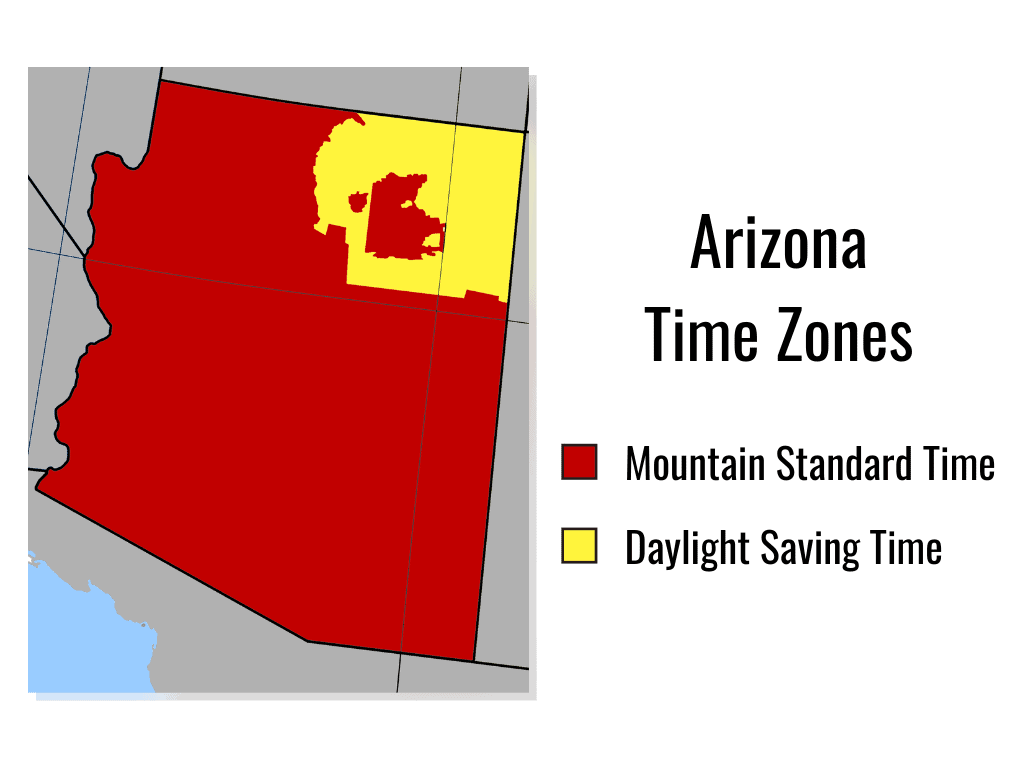
Adding another layer of complexity to Arizona’s time zone narrative is the Navajo Nation. This vast sovereign territory, encompassing portions of northeastern Arizona as well as parts of New Mexico and Utah, does observe Daylight Saving Time. This means that for roughly eight months of the year, a traveler driving through Arizona might cross a time zone boundary twice within the state: once entering the Navajo Nation (springing forward an hour) and again upon exiting (falling back an hour).
This is particularly relevant for those planning to visit iconic landmarks like Monument Valley, Antelope Canyon, or Canyon de Chelly National Monument, all of which are situated within Navajo Nation territory. Tour operators, reservation systems, and local businesses within the Navajo Nation will operate on Daylight Saving Time when applicable, which is one hour ahead of the rest of Arizona. Conversely, the Hopi Nation, an independent reservation entirely encircled by the Navajo Nation, does not observe DST, mirroring the rest of Arizona’s practice. This creates a fascinating “doughnut hole” effect on the time map, where one might pass through three different time zones (MST, MDT, MST) on a relatively short drive. For tourists, this necessitates careful verification of local times when booking guided tours or planning visits to attractions within these sovereign lands to avoid missing a scheduled activity or showing up an hour early/late.
Planning Your Arizona Adventure: Time-Sensitive Travel Tips
The unique time situation in Arizona isn’t just a fun fact; it’s a practical consideration that impacts various aspects of travel planning. From the moment you search for flights to booking your first sunset tour, understanding the clock is key to a seamless Arizona experience.
Flights and Road Trips: Navigating Time Zones on the Go
Air travel into Arizona usually means arriving at Phoenix Sky Harbor International Airport (PHX) or Tucson International Airport (TUS). When booking flights, particularly during the DST period (March-November), pay close attention to the arrival and departure times listed on your ticket and compare them to your origin city’s time zone. Airlines generally display times in local time for both origin and destination, but a quick double-check can prevent confusion. For example, a flight from Los Angeles (PDT) to Phoenix (MST, but effectively PDT) will show the same clock time, but a flight from Denver (MDT) to Phoenix will reflect a one-hour gain.
Road trippers, especially those crossing state lines, need to be particularly vigilant. If you’re driving into Arizona from California or Nevada during DST, your clock won’t change. However, if you’re coming from Utah, Colorado, or New Mexico, you’ll “gain” an hour as you enter Arizona, then “lose” it upon re-entry to one of those states. This is especially pertinent for those exploring the “Four Corners” region, where the intersection of four state boundaries (including the Navajo Nation) creates a time-zone mosaic. Always set your phone to update time automatically and consider carrying a traditional watch to confirm. When driving through the Navajo Nation, remember that their adherence to DST means you’ll need to adjust your clock by an hour, potentially multiple times depending on your route through their lands and neighboring Hopi Nation territory. It’s a small detail that can save you from missing a guided tour or a carefully planned sunset viewing.
Booking Accommodation and Activities: Avoiding Scheduling Mishaps
When it comes to booking hotels, resorts, or any form of accommodation, the time zone difference is primarily relevant for check-in and check-out times. Most properties, from luxurious suites in Scottsdale like The Phoenician or Hyatt Regency Scottsdale Resort & Spa at Gainey Ranch to cozy apartments in Flagstaff, will operate on local Arizona time. However, if you’re arriving from a region observing DST, be mindful of the effective time difference. If your flight lands at 10 AM Arizona time, but your body clock thinks it’s 11 AM, you might feel an hour more rushed for an early check-in or delayed for a late check-out. Confirm all timings with your accommodation provider, especially if you have specific requests or late arrivals.

Beyond hotels, virtually all tourism activities – from rafting tours on the Colorado River near Page, hot air balloon rides over Sedona, to reservations at acclaimed restaurants in Phoenix – will adhere to Arizona’s unique time. The critical exception, as mentioned, is activities within the Navajo Nation. If you’ve booked a guided tour of Antelope Canyon or a visit to Monument Valley, confirm with the tour operator whether they are operating on Arizona time or Navajo Nation time (which is one hour ahead during DST). A simple phone call or email before your trip can save you from missing a once-in-a-lifetime experience. This foresight is part of maximizing your travel investment, ensuring every moment of your exploration of Arizona’s landmarks and natural beauty is spent as planned.
Communication Across Time Zones: Staying Connected
For business travelers or those wanting to stay connected with family and friends across different time zones, Arizona’s time anomaly demands extra attention. If you’re participating in remote meetings or conference calls, remember that Arizona will be on Pacific Daylight Time during the spring/summer months, but revert to Mountain Standard Time in the winter. This means your colleagues in New York City (Eastern Time) will be three hours ahead for most of the year, while those in California will be on the same clock during DST, then one hour behind during standard time. Tools like world clock apps are indispensable for coordinating schedules.
For personal calls, simply remember the general rule: during DST, Arizona is the same time as California/Nevada, one hour behind Utah/Colorado/New Mexico, and three hours behind the East Coast. During the winter, Arizona is one hour ahead of California/Nevada, and the same time as Utah/Colorado/New Mexico. These minor adjustments can make all the difference in seamless communication, whether you’re coordinating a family trip or conducting critical business while enjoying the lifestyle of Arizona.
Experiencing Arizona: Time and Local Lifestyle
Beyond the logistics of travel, Arizona’s unique time zone also subtly influences the local lifestyle, from daily routines to how people experience the state’s natural beauty and rich cultural heritage.
Embracing the Arizona Pace: Culture and Cuisine
The absence of Daylight Saving Time means that for most of the year, sunsets in Arizona arrive an hour earlier by the clock compared to states observing DST in the same geographical longitude. This can lead to earlier evenings, which are often a welcome relief from the desert heat. Locals adapt to this, with many outdoor activities like hiking in South Mountain Park and Preserve or exploring the Desert Botanical Garden starting earlier in the morning to beat the midday sun. Evening events and dining experiences may also commence a bit earlier than in other parts of the United States. Embrace this pace; it’s an integral part of the Arizona lifestyle, designed to maximize comfort in its unique climate.
The food scene in Arizona thrives on its Sonoran Desert influences, offering everything from authentic Mexican cuisine to upscale dining. When making dinner reservations at a trendy restaurant in Old Town Scottsdale or a gourmet experience in Tucson, remember that the “prime time” might feel an hour earlier to your internal clock if you’re accustomed to DST. This can be an advantage, allowing you to enjoy world-class meals and still have time to catch a beautiful desert sunset or enjoy amenities at your chosen accommodation, be it a luxury resort or a boutique hotel. Exploring local culture also involves understanding these subtle rhythms, from farmers’ market hours to performances at venues like the Heard Museum.
Iconic Landmarks and Attractions: When to Visit
Arizona is brimming with world-renowned landmarks and natural wonders, and the timing of your visit can significantly enhance the experience. The Grand Canyon National Park, for instance, offers breathtaking sunrises and sunsets. Knowing the precise local time is essential for photographers and nature enthusiasts eager to capture these magical moments. Due to Arizona’s non-observance of DST, sunrise and sunset times will feel “earlier” in summer compared to a state that has sprung forward. This means spectacular light shows often occur at what might feel like an earlier hour to visitors from DST-observing regions.
For other natural wonders like Horseshoe Bend or Saguaro National Park, timing your visit to avoid the intense midday sun is crucial, especially from late spring through early fall. The cooler morning and late afternoon hours are ideal for hiking and exploration. Meanwhile, historical sites such as Montezuma Castle National Monument or Tumacácori National Historical Park operate on fixed schedules. Always check their official websites for current operating hours, paying particular attention if your visit involves crossing into or out of the Navajo Nation’s DST zone, as this could affect your arrival time for guided tours or ranger programs. Whether you’re interested in the ancient history of Petrified Forest National Park or the celestial marvels viewed from Lowell Observatory in Flagstaff, having an accurate grasp of local time is a small but important detail in orchestrating a memorable journey through Arizona’s incredible attractions.
Beyond the Clock: Maximizing Your Arizona Experience
While Arizona’s unique time zone can seem a bit bewildering at first glance, it quickly becomes an interesting aspect of the state’s character rather than a significant hurdle. Once understood, it rarely poses a problem for travelers eager to explore its diverse offerings. The key is simply awareness and a quick verification when planning crucial appointments or activities. Modern technology, with smartphones automatically updating to local time, greatly simplifies this process, making the unique time zone more of a quirky conversation starter than a genuine inconvenience.
Embracing Arizona’s time means embracing its lifestyle. It’s a state that values its unique identity, offering everything from luxury travel experiences at world-class resorts like the Ritz-Carlton in Dove Mountain or Enchantment Resort in Sedona, to budget-friendly family trips exploring U.S. Route 66 in towns like Williams or Holbrook. The absence of DST contributes to the overall rhythm of life here, encouraging early starts for outdoor adventures before the heat sets in and earlier evenings to appreciate the spectacular desert night skies.
Whether you’re visiting for business, a relaxing family vacation, or a solo adventure, Arizona presents a landscape of breathtaking beauty, rich history, and vibrant culture. From the architectural marvel of Taliesin West to the engineering feat of the Hoover Dam on the border with Nevada, or the vastness of the Meteor Crater Natural Landmark, there’s an attraction for every interest. Don’t let the clock deter you. Instead, let this small geographical eccentricity add to the distinctiveness of your Arizona travel experience.
In conclusion, “What time is Arizona right now?” is a question with a straightforward yet nuanced answer. Most of Arizona remains on Mountain Standard Time year-round, aligning with Pacific Daylight Time during the spring and summer. The Navajo Nation is the primary exception, observing DST. By keeping this in mind and leveraging modern tools, you’ll be well-prepared to enjoy every moment in this extraordinary state, where the sun always shines, and the adventures are endless, regardless of what time your watch says. Safe travels, and enjoy the timeless beauty of Arizona!
LifeOutOfTheBox is a participant in the Amazon Services LLC Associates Program, an affiliate advertising program designed to provide a means for sites to earn advertising fees by advertising and linking to Amazon.com. Amazon, the Amazon logo, AmazonSupply, and the AmazonSupply logo are trademarks of Amazon.com, Inc. or its affiliates. As an Amazon Associate we earn affiliate commissions from qualifying purchases.