
For families planning a trip to the Grand Canyon State or travelers looking to experience Arizona’s unique landscapes without the peak season crowds, understanding the local school calendar is an invaluable piece of information. The question “When do Arizona schools start?” isn’t just about academics; it’s a critical factor influencing everything from hotel prices and flight availability to the overall ambiance of popular tourist attractions and the pace of local life. As a hub for travel, accommodation, and lifestyle insights, understanding these academic cycles helps travelers craft the perfect Arizona adventure, whether it’s a budget-friendly family getaway or a luxurious escape.

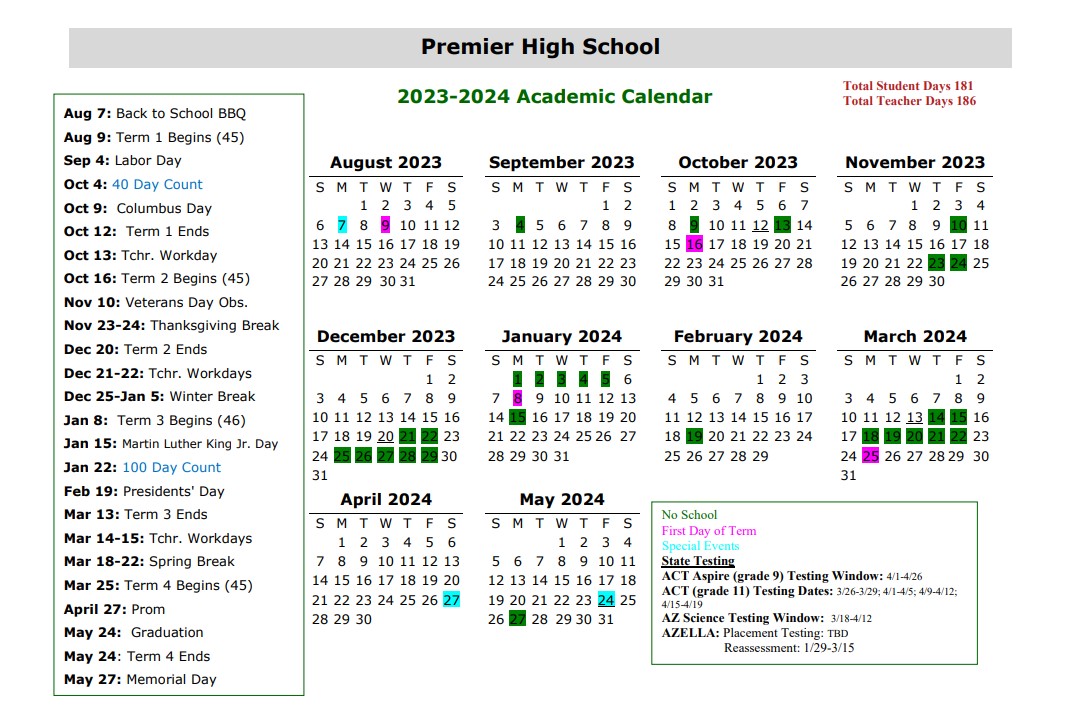
The answer to when Arizona schools typically start is quite consistent across the state, though minor variations exist between districts and charter schools. Generally, most public and charter schools in Arizona kick off their academic year in early August. This timing often catches visitors by surprise, as it’s earlier than many other states, where schools might resume after Labor Day. This early start has significant implications for tourism, shaping the ebb and flow of visitors to destinations like Phoenix, Tucson, Sedona, and the iconic Grand Canyon. For anyone planning to explore the vast beauty and vibrant culture of Arizona, knowing these dates is the first step towards a well-orchestrated itinerary, allowing you to optimize your experience, manage costs, and immerse yourself in the local lifestyle effectively.
Understanding Arizona’s Academic Calendar for Travelers
The academic calendar in Arizona is far more than just a schedule for students and teachers; it’s a rhythm that pulses through the state’s entire travel and tourism ecosystem. From the moment classes resume in early August to the last bell ringing in late May, the school year dictates periods of high and low demand for everything from resort bookings to availability for popular excursions. Savvy travelers leverage this knowledge to their advantage, planning trips that align with their preferences for crowd levels, weather conditions, and pricing.
Early August: The End of Summer Vacations
The return to school in early August marks a significant shift in Arizona’s tourism landscape. For many families, this signals the end of their summer travel window. Destinations that were bustling throughout June and July, particularly those offering cooler temperatures or water-based activities, begin to see a noticeable decrease in domestic family visitors. Cities like Flagstaff, nestled in the mountains and offering a respite from the desert heat, experience a quiet transition. Similarly, attractions around Lake Havasu City or the water parks in Scottsdale become less crowded.
This period, from mid-August through September, transforms into a shoulder season for many parts of Arizona. While the desert heat can still be intense, particularly in Phoenix and Tucson, many travelers from cooler climates find it manageable, especially for indoor attractions or early morning/late evening activities. This “back-to-school” effect often translates into better deals on flights, hotels, and car rentals, making it an ideal time for couples, solo travelers, or families with pre-school children to visit. The serene atmosphere allows for a deeper immersion into local culture without the hustle and bustle of peak summer crowds.
Navigating School Breaks and Holiday Travel
Just as the start of school influences travel patterns, so too do the various school breaks throughout the academic year. These periods become mini-peak seasons, each with its own unique characteristics and demand spikes.
-
Fall Break (October): Many Arizona school districts have a one-week fall break, typically in early to mid-October. This is a highly popular time for families to travel within the state or to nearby regions. The weather across Arizona is generally superb in October – warm days, cool nights, and less intense sun. Destinations like Sedona, with its vibrant red rock landscapes, and the Grand Canyon, offering ideal hiking conditions, see a significant surge in visitors. Booking accommodation and popular tours well in advance is crucial during this period.
-
Thanksgiving Break (Late November): A shorter break, usually a few days around the Thanksgiving holiday, sees a flurry of activity, particularly for families visiting relatives or taking short road trips. This period often blends with the start of the winter holiday season, bringing a festive atmosphere to many towns and cities.
-
Winter Break (Late December – Early January): This is another major peak season. With schools out for two weeks, coinciding with Christmas and New Year’s, Arizona becomes a magnet for visitors seeking a warm escape from colder climates. Phoenix and Tucson are particularly popular, with their mild winter temperatures, abundant sunshine, and festive events. Luxury resorts and spas fill up quickly, and prices for hotels and flights are at their highest. Even cooler destinations like Flagstaff draw crowds for winter sports at Arizona Snowbowl. Early booking, often 6-9 months in advance, is essential for securing preferred accommodation and competitive rates.
-
Spring Break (March): Arizona, particularly its metropolitan areas like Scottsdale and Tempe, is a nationally renowned Spring Break destination, attracting college students and families alike. While the atmosphere can be lively, particularly in certain hotspots, March is also an ideal month weather-wise across the entire state. Hiking, golfing, and outdoor exploration are at their prime. Expect increased crowds and higher prices for accommodation and activities throughout the state during this period. Many family travelers choose destinations like Sedona or the Grand Canyon to avoid the college crowds while still enjoying the fantastic weather.
Maximizing Your Arizona Travel Experience Around School Schedules
Aligning your travel plans with Arizona’s school calendar can significantly enhance your trip, allowing you to tailor your visit to your specific needs and desires. Whether you’re seeking solitude and savings or a vibrant, family-focused adventure, understanding these rhythms is key to unlocking the best of what Arizona has to offer.
Off-Peak Advantages: Budget-Friendly Adventures
For travelers seeking to maximize their budget and avoid large crowds, planning a trip during the off-peak and shoulder seasons, often dictated by school attendance, is a strategic move. The period from mid-August to late September stands out as an excellent time for value. While the desert heat can still be formidable, particularly in Phoenix and Tucson, many hotels and resorts offer significantly reduced rates. Deals on luxury accommodation become more accessible, allowing travelers to experience five-star amenities without the peak season price tag. This period is perfect for enjoying indoor attractions such as world-class museums like the Musical Instrument Museum in Phoenix or the Pima Air & Space Museum in Tucson. Early morning hikes in Papago Park or exploring the Desert Botanical Garden are also more serene experiences before the midday sun.
Another advantageous off-peak window for many destinations is early to mid-November (before Thanksgiving break) and mid-January through February (after Winter Break but before Spring Break). During these times, the weather is often ideal across much of the state, crowds are thinner, and accommodation prices are more moderate. It’s an excellent opportunity for snowbirds to enjoy the mild winters of southern Arizona or for adventurers to tackle popular trails in Sedona or around the Grand Canyon with greater tranquility.
Family-Friendly Destinations and Activities
For families traveling with school-aged children, timing their Arizona adventure around school breaks is typically the only option. Fortunately, Arizona excels at providing diverse and engaging experiences for all ages, regardless of the season.
During the popular Fall Break (October), families flock to the cooler climes of Northern Arizona. A trip to the Grand Canyon is almost mandatory, offering breathtaking views and accessible rim trails. Nearby Flagstaff provides a charming base with access to the Lowell Observatory and the beautiful fall foliage of the San Francisco Peaks. Sedona, with its mystical vortexes and family-friendly hiking paths, is another top choice.
Winter Break sees families heading to the sunny deserts. Phoenix and Tucson offer a plethora of attractions, including the Phoenix Zoo, OdySea Aquarium, and the Arizona-Sonora Desert Museum. Many resorts in Scottsdale transform into festive holiday destinations, complete with elaborate light displays, ice skating rinks, and visits from Santa.

For Spring Break (March), while some areas cater to a younger, livelier crowd, families can find serene havens. Exploring the ancient cliff dwellings at Montezuma Castle National Monument or kayaking along the Verde River offers memorable experiences away from the bustling city centers. The mild weather makes March perfect for outdoor activities across the state, ensuring that there’s always an adventure waiting, from exploring the saguaro forests of Saguaro National Park to marveling at the geological wonders of Antelope Canyon near Page.
Accommodation and Booking Strategies for Academic Cycles
The timing of Arizona’s school year has a direct and profound impact on the availability and pricing of accommodation. Strategic planning is crucial to secure the best stays at the most favorable rates, aligning with the type of travel experience you desire.
Finding the Perfect Stay: Hotels, Resorts, and Vacation Rentals
Arizona boasts an incredibly diverse range of accommodation options to suit every preference and budget, from opulent five-star resorts to charming boutique hotels, family-friendly vacation rentals, and rustic cabins.
During peak seasons (school breaks like Fall, Winter, and Spring Break), demand for all types of accommodation skyrockets. Luxury resorts in Scottsdale (such as the Hyatt Regency Scottsdale Resort & Spa at Gainey Ranch or The Phoenician, a Luxury Collection Resort, Scottsdale) and Sedona’s scenic retreats (Enchantment Resort comes to mind) will have limited availability and command premium rates. Vacation rentals (through platforms like Airbnb or VRBO) also see high demand, especially for larger groups or those seeking a home-away-from-home experience. For families traveling during these busy periods, a vacation rental can offer more space, a kitchen for self-catering, and often a more authentic local living experience.
In off-peak periods (mid-August to September, mid-January to February), the landscape changes dramatically. Many of the same high-end properties become more affordable, and boutique hotels offer enticing packages. This is an opportune time to indulge in a luxury stay or explore less conventional accommodation options, like glamping sites near Grand Canyon National Park or charming bed and breakfasts in historic towns like Bisbee or Jerome. The reduced demand also means more flexibility for last-minute bookings, though planning ahead is always recommended for specific preferences.
Planning Ahead: When to Book for Best Value
The golden rule for securing the best value and preferred accommodation in Arizona, especially during school breaks, is to book early.
- Peak Season (Winter Break, Spring Break, Fall Break): For these high-demand periods, aim to book your accommodation at least 6 to 9 months in advance. This not only guarantees availability at popular resorts and hotels but also often secures better rates before prices begin to climb as demand peaks. Many resorts and vacation rental owners offer early bird discounts.
- Shoulder Seasons (October, November, March, April, Early June): Booking 3 to 5 months in advance is generally sufficient for these periods. You’ll still have a good selection of properties, and prices will be more reasonable than during peak times. This flexibility allows for better comparison shopping and the chance to snag promotional offers.
- Off-Peak Season (Mid-August to September, Mid-January to February): While you might find good deals closer to your travel date, booking 1 to 3 months in advance is still a safe bet. This provides peace of mind and ensures you get the specific type of accommodation you prefer, especially if you have particular amenities or locations in mind. If you’re truly flexible, last-minute deals can sometimes be found during these periods, particularly in Phoenix and Tucson where the summer heat can deter some visitors.
Regardless of when you travel, always consider bundling flights and hotels or looking for packages that include attractions or tours. Many Arizona destinations, from the bustling streets of Phoenix to the tranquil beauty of Lake Powell, offer diverse experiences that can be tailored to various budgets and schedules, all influenced by the rhythm of the academic year.
Exploring Arizona’s Iconic Landmarks and Hidden Gems
Arizona is a land of striking contrasts, where towering saguaros meet pine-clad mountains, and ancient cultures blend with modern innovation. The school calendar not only influences crowd levels but also helps travelers decide which landmarks and activities are best suited for particular times of the year, ensuring a comfortable and memorable exploration.
Deserts to Mountains: Seasonal Considerations
The vast geographic diversity of Arizona means that seasonal considerations are paramount when planning your visit around school schedules.
- Summer (June – Early August, before school starts): This is prime time for the “high country” of Arizona. Flagstaff, Prescott, and the White Mountains offer cooler temperatures, making them ideal for hiking, camping, and escaping the intense desert heat. The Grand Canyon is also extremely popular during summer, attracting families before school resumes. Expect larger crowds and book everything well in advance. Meanwhile, the desert cities like Phoenix and Tucson experience their low season due to extreme heat, offering significant discounts on accommodation and opportunities to enjoy indoor attractions or early morning activities.
- Fall (Mid-August – November): As schools resume and the intense summer heat begins to subside, fall becomes a magnificent time to explore the entire state. From late September through October, the weather in Sedona and the Grand Canyon is nearly perfect for hiking and sightseeing. Southern Arizona (Phoenix, Tucson) becomes more pleasant for outdoor activities, especially from October onwards. Fall foliage in Northern Arizona (around Flagstaff and Oak Creek Canyon) provides stunning visual experiences.
- Winter (December – February): This is the peak season for southern Arizona. The mild, sunny weather in Phoenix, Scottsdale, and Tucson attracts snowbirds and holiday travelers seeking warmth. Golf courses are in full swing, and outdoor patios buzz with activity. Northern Arizona experiences true winter, with snow in Flagstaff and at the Grand Canyon, offering opportunities for skiing at Arizona Snowbowl or unique snowy vistas of the canyon.
- Spring (March – May, until school ends): Arguably the best time to visit Arizona overall. Wildflowers bloom in the desert, temperatures are pleasant across the state, and outdoor activities are abundant. This is a very popular time for hiking, exploring national parks like Saguaro National Park, and visiting unique geological formations such as the Wave (requires a lottery permit) or Antelope Canyon. However, it’s also a busy period due to Spring Break and vacationers, so planning ahead is critical.
Cultural Immersion and Local Experiences
Beyond the well-known landmarks, Arizona offers a rich tapestry of cultural experiences that can be enjoyed throughout the year, with school schedules impacting the local flavor. During the school year, particularly in the off-peak shoulder seasons, visitors have a better chance to engage with genuine local lifestyle and tourism without the overlay of mass tourism.
Cities like Tucson, a UNESCO City of Gastronomy, offer incredible culinary experiences that are perhaps best savored during quieter times. Exploring the historic barrios and enjoying authentic Sonoran hot dogs from a local vendor feels more authentic when not surrounded by throngs of tourists. The numerous Native American cultural centers and historic sites, such as Canyon de Chelly National Monument or the Hohokam Pima National Monument, offer profound insights into the state’s indigenous heritage. These sites are typically more accessible and less crowded during the school year’s quieter months, allowing for a more reflective and personal experience.
Visiting art galleries in Old Town Scottsdale or exploring the unique shops in Jerome, a historic mining town, can be more enjoyable when you have the space and time to interact with local artists and shopkeepers. Attending local festivals, farmers’ markets, and community events, which often continue year-round but take on a different character outside of major holiday rushes, provides a true taste of Arizona’s vibrant local culture. Even a simple drive along Route 66 through towns like Seligman or Oatman feels more like stepping back in time when the roads are less congested with fellow travelers. Understanding the academic calendar allows you to peel back the layers of tourism and discover the true heart of Arizona.
The Arizona Lifestyle: Blending Education with Exploration
The intersection of Arizona’s school calendar and its appeal as a global travel destination creates a unique dynamic for both residents and visitors. For families considering a move to the state, the early August start date is a key factor in adjusting to the local rhythm. For travelers, it presents opportunities to either embrace the lively energy of peak seasons or relish the tranquility and value of the shoulder months.
Ultimately, “When do Arizona schools start?” is a question whose answer provides a valuable framework for any journey through this captivating state. It allows for intentional choices about crowds, climate, cost, and the overall tenor of your travel experience. Whether you’re planning a thrilling adventure to Hoover Dam and the Grand Canyon, a serene escape to a desert spa resort, or a cultural immersion in Tucson’s historic streets, factoring in the academic cycle ensures that your trip to Arizona is not just a visit, but a perfectly choreographed exploration of its wonders. By understanding these seasonal shifts, travelers can unlock Arizona’s full potential, experiencing its natural beauty, rich history, and diverse lifestyle on their own terms.
LifeOutOfTheBox is a participant in the Amazon Services LLC Associates Program, an affiliate advertising program designed to provide a means for sites to earn advertising fees by advertising and linking to Amazon.com. Amazon, the Amazon logo, AmazonSupply, and the AmazonSupply logo are trademarks of Amazon.com, Inc. or its affiliates. As an Amazon Associate we earn affiliate commissions from qualifying purchases.