
Superstition Mountain, a name that echoes with mystery, ancient legends, and the promise of untold riches, stands as one of Arizona’s most iconic and enigmatic landmarks. This majestic natural formation, steeped in both geological grandeur and captivating folklore, beckons adventurers, history buffs, and nature enthusiasts alike. Its rugged peaks and sun-drenched canyons harbor tales of lost gold mines, vengeful spirits, and native prophecies, making it far more than just a mountain range—it’s a living legend. For travelers seeking a destination that offers a unique blend of breathtaking natural beauty, thrilling outdoor activities, and a deep dive into local culture and history, the Superstitions present an unparalleled experience. Understanding its location is merely the first step on a journey into one of the American Southwest’s most compelling destinations.

Unveiling the Enigma: Locating Superstition Mountain
The Superstition Mountain range is a prominent feature on the horizon east of Phoenix, Arizona, anchoring the eastern boundary of the Phoenix metropolitan area. This vast wilderness stretches across the Sonoran Desert, primarily within Pinal County, though its northern reaches touch Gila County and its western flanks extend towards Maricopa County. Its imposing silhouette is visible from many points in the East Valley, dominating the skyline and inviting curious minds to explore its depths.
A Geographical Gem in the Sonoran Desert
Geographically, the Superstition Mountains are a part of the Basin and Range Province, characterized by dramatic fault-block mountains separated by broad valleys. This particular range rises sharply from the desert floor, creating a stark and awe-inspiring landscape. The nearest significant town to the most popular access points for the Superstitions is Apache Junction, which proudly embraces its identity as the gateway to this legendary wilderness. Other nearby communities include Gold Canyon to the south, known for its scenic golf courses and residential areas nestled at the base of the mountains, and the cities of Mesa and Gilbert further west, offering a wider array of amenities and services for travelers.
The mountain range itself covers a substantial area, approximately 160,000 acres, with much of it designated as the Superstition Wilderness Area, ensuring its pristine natural beauty and rugged character are preserved for generations to come. This designation limits development and motor vehicle access, emphasizing a backcountry experience for those who venture within. For adventurers and nature lovers, this means miles of untouched trails, opportunities for solitude, and an immersive encounter with the unique flora and fauna of the Sonoran Desert.
Accessing the Trailhead: Getting There
Reaching the Superstition Mountains is relatively straightforward for travelers arriving in Arizona. The primary international gateway is Phoenix Sky Harbor International Airport (PHX), located approximately 40-50 miles west of the main access points to the Superstitions. From the airport, visitors can rent a car and head east on US Route 60, which leads directly to Apache Junction.
One of the most popular and accessible entry points into the wilderness is via Lost Dutchman State Park, situated just north of Apache Junction on North Apache Trail (State Route 88). This state park serves as an excellent basecamp, offering camping facilities, hiking trails of varying difficulty, and interpretive programs that delve into the region’s history and ecology. It provides stunning close-up views of Weaver’s Needle, one of the Superstitions’ most iconic pinnacles.
Another historic and scenic route is the Apache Trail (State Route 88), a portion of which is a rough, unpaved road traversing through the heart of the Superstitions and leading to destinations like Canyon Lake and Tortilla Flat. While incredibly picturesque, this section of the trail requires careful driving, ideally in a high-clearance vehicle, and is often closed after heavy rains. For those seeking adventure and dramatic vistas, the Apache Trail offers an unforgettable journey into the raw beauty of the region, revealing glimpses of the mountains from different perspectives and connecting travelers with historical sites from Arizona’s early mining and dam-building eras.
Beyond the Horizon: The Allure of Superstition Mountain
The true charm of Superstition Mountain lies not just in its formidable presence but in the rich tapestry of stories, natural wonders, and recreational opportunities it presents. It’s a landmark where history, geology, and mythology intertwine, offering an experience that transcends mere sightseeing. The draw of the Superstitions is multifaceted, appealing to various types of travelers from the intrepid explorer to the casual day-tripper.
Legends, Lore, and the Lost Dutchman’s Gold Mine
At the heart of the Superstition Mountains’ allure is the legend of the Lost Dutchman’s Gold Mine. This enduring tale centers around Jacob Waltz, a German immigrant who, in the late 19th century, reputedly discovered a fabulously rich gold mine within the mountains. On his deathbed, Waltz gave cryptic clues to the mine’s location, but despite countless expeditions and treasure hunts over the decades, the mine has never been definitively found. The legend has inspired books, movies, and a ceaseless stream of prospectors, adding an almost mystical quality to the landscape. Many believe the mountain itself guards its secrets fiercely, with tales of lost souls, mysterious deaths, and supernatural occurrences plaguing those who venture too deep in search of the elusive treasure.
Beyond the Lost Dutchman saga, the Superstition Mountains are also sacred to the Western Apache people, who consider them a dwelling place for the thunder gods and the entrance to the lower world. Their legends speak of powerful spirits and ancient rituals performed within the canyons and on the peaks. This rich cultural heritage adds another layer of depth to any visit, encouraging respect for both the natural environment and the indigenous history it holds. Visitors are encouraged to learn about these stories, as they provide valuable context to the dramatic landscape and the sense of awe it inspires.
Activities and Adventures: Exploring the Wilderness
For those drawn to outdoor adventure, the Superstition Wilderness Area is a paradise. Hiking is undoubtedly the most popular activity, with trails ranging from easy, family-friendly loops within Lost Dutchman State Park to strenuous, multi-day backpacking excursions into the remote backcountry. Popular trails include the Siphon Draw Trail, which leads to the iconic Flatiron, offering panoramic views of the surrounding Sonoran Desert and the Phoenix metropolitan area. Other notable trails lead to Weaver’s Needle, Peralta Canyon, and numerous other points of interest.
Beyond hiking, the area offers opportunities for rock climbing, especially on the challenging faces of Weaver’s Needle. Horseback riding is another fantastic way to experience the cowboy culture and rugged trails, with several local stables offering guided tours. Birdwatching is also a rewarding pastime, as the diverse ecosystem supports a variety of desert birds, including various raptors. Photography enthusiasts will find endless subjects in the dramatic landscapes, vibrant sunsets, and unique desert flora and fauna.
Nearby water bodies, like Canyon Lake, Saguaro Lake, and Apache Lake, formed by dams on the Salt River and Apache Trail, provide opportunities for boating, fishing, kayaking, and paddleboarding. These lakes offer a refreshing contrast to the arid mountain environment, allowing visitors to combine desert exploration with aquatic recreation, making for a comprehensive travel experience.

Planning Your Expedition: Travel, Accommodation, and Tips
A trip to Superstition Mountain requires thoughtful planning to ensure a safe, enjoyable, and enriching experience. Considering the remote nature of some areas and the extreme desert climate, preparation is key for any traveler. From choosing the right place to stay to understanding local customs and essential safety guidelines, every detail contributes to an unforgettable Arizona adventure.
Where to Stay: Hotels and Resorts Near the Superstitions
Accommodation options near the Superstition Mountains cater to a range of preferences and budgets. For those seeking an immersive nature experience, Lost Dutchman State Park offers well-maintained campgrounds with stunning mountain views, perfect for tents or RVs. This is an ideal choice for budget travelers or those who prefer to be as close to the trails as possible.
In Apache Junction itself, you’ll find a selection of budget-friendly hotels, motels, and extended-stay apartments, such as the Superstition Mountain Inn or La Quinta Inn & Suites by Wyndham Apache Junction. These provide convenient access to local eateries and the park. For a more upscale experience, the community of Gold Canyon, situated at the southern base of the mountains, boasts beautiful resorts and vacation rentals, like the Gold Canyon Golf Resort & Spa. These often feature amenities such as golf courses, swimming pools, and spa services, offering a luxurious retreat with direct mountain vistas.
Further west, in cities like Mesa, Gilbert, Chandler, and Tempe, travelers will find a much broader range of hotels, from international chains like Hilton and Marriott to boutique hotels and luxury resorts such as The Arizona Biltmore or the JW Marriott Scottsdale Camelback Inn Resort & Spa in nearby Scottsdale. While these are a bit further from the immediate mountain access, they offer extensive amenities, diverse dining options, and proximity to other Phoenix area attractions, allowing for a balanced travel itinerary. Booking in advance, especially during peak season (winter and spring), is highly recommended to secure the best rates and availability.
Culinary Delights and Local Experiences
Exploring the local food scene is an integral part of experiencing Arizona culture. Near Superstition Mountain, the culinary landscape ranges from casual diners to authentic Mexican restaurants. In Apache Junction, you’ll find classic American comfort food, BBQ joints, and several establishments serving hearty Southwestern fare. Don’t miss the opportunity to try some green chili stew or a Sonoran hot dog, regional specialties that delight the palate.
A unique experience awaits at Tortilla Flat, a historic stagecoach stop located deep within the Apache Trail section of the mountains. This tiny town, with a population of only six, offers a memorable dining experience at the Tortilla Flat Restaurant and Saloon, famous for its chili and prickly pear ice cream. It’s a step back in time, providing a glimpse into the Old West lifestyle that once defined this rugged terrain.
Beyond dining, engaging with local tourism experiences can enrich your trip. Consider visiting the Superstition Mountain Museum in Apache Junction to delve deeper into the legends, history, and geology of the area. Here, you can see artifacts, learn about the Lost Dutchman’s Gold Mine theories, and explore a replica Old West town. Local outfitters offer guided jeep tours, horseback riding expeditions, and even hot air balloon rides for breathtaking aerial views of the mountains, providing different perspectives of this iconic landmark.
Essential Travel Tips for an Unforgettable Visit
Visiting the Superstition Mountains demands respect for its challenging environment and careful preparation. Here are some essential tips for a safe and enjoyable trip:
- Best Time to Visit: The ideal time to explore is from late fall (October) through spring (April), when temperatures are mild and pleasant for hiking. Summers (May-September) are extremely hot, with daytime temperatures often exceeding 100°F (38°C), making outdoor activities hazardous. If visiting in summer, limit activities to early mornings and late evenings.
- Hydration is Key: The Sonoran Desert is arid. Carry significantly more water than you think you’ll need, especially when hiking. Electrolyte drinks can also be beneficial.
- Sun Protection: Wear wide-brimmed hats, sunglasses, and apply high-SPF sunscreen generously. Long-sleeved, lightweight clothing is also advisable.
- Appropriate Footwear: Sturdy hiking boots with good ankle support are crucial for navigating the rocky, uneven terrain.
- Wildlife Awareness: The desert is home to various wildlife, including rattlesnakes, Gila monsters, and scorpions. Be aware of your surroundings, especially when placing hands or feet, and maintain a safe distance from all animals.
- Leave No Trace: Practice “Leave No Trace” principles. Pack out everything you pack in, stay on marked trails, and respect the natural and cultural resources of the wilderness.
- Inform Others: If you’re venturing into the backcountry for an extended hike, inform someone of your plans, including your route and expected return time.
- Maps and Navigation: Cell service can be spotty in the wilderness. Carry physical maps or download offline maps to your device. A compass or GPS device can also be invaluable.
- Flash Floods: During the monsoon season (July-September), sudden heavy rains can cause dangerous flash floods in washes and canyons. Always check weather forecasts before heading out.
By adhering to these guidelines, travelers can fully immerse themselves in the awe-inspiring beauty and mysterious allure of Superstition Mountain while ensuring their safety and preserving this natural treasure for future explorers.
A Landmark of Legends and Natural Beauty
Superstition Mountain is undeniably one of Arizona’s most captivating landmarks, a testament to the raw power of nature and the enduring human fascination with the unknown. Its designation as a wilderness area ensures that its wild character remains intact, offering a sanctuary for both wildlife and those seeking refuge from urban sprawl. The unique blend of rugged geology, ancient legends, and diverse recreational opportunities solidifies its place as a premier travel destination in the American Southwest.
The Geological Marvel of the Superstitions
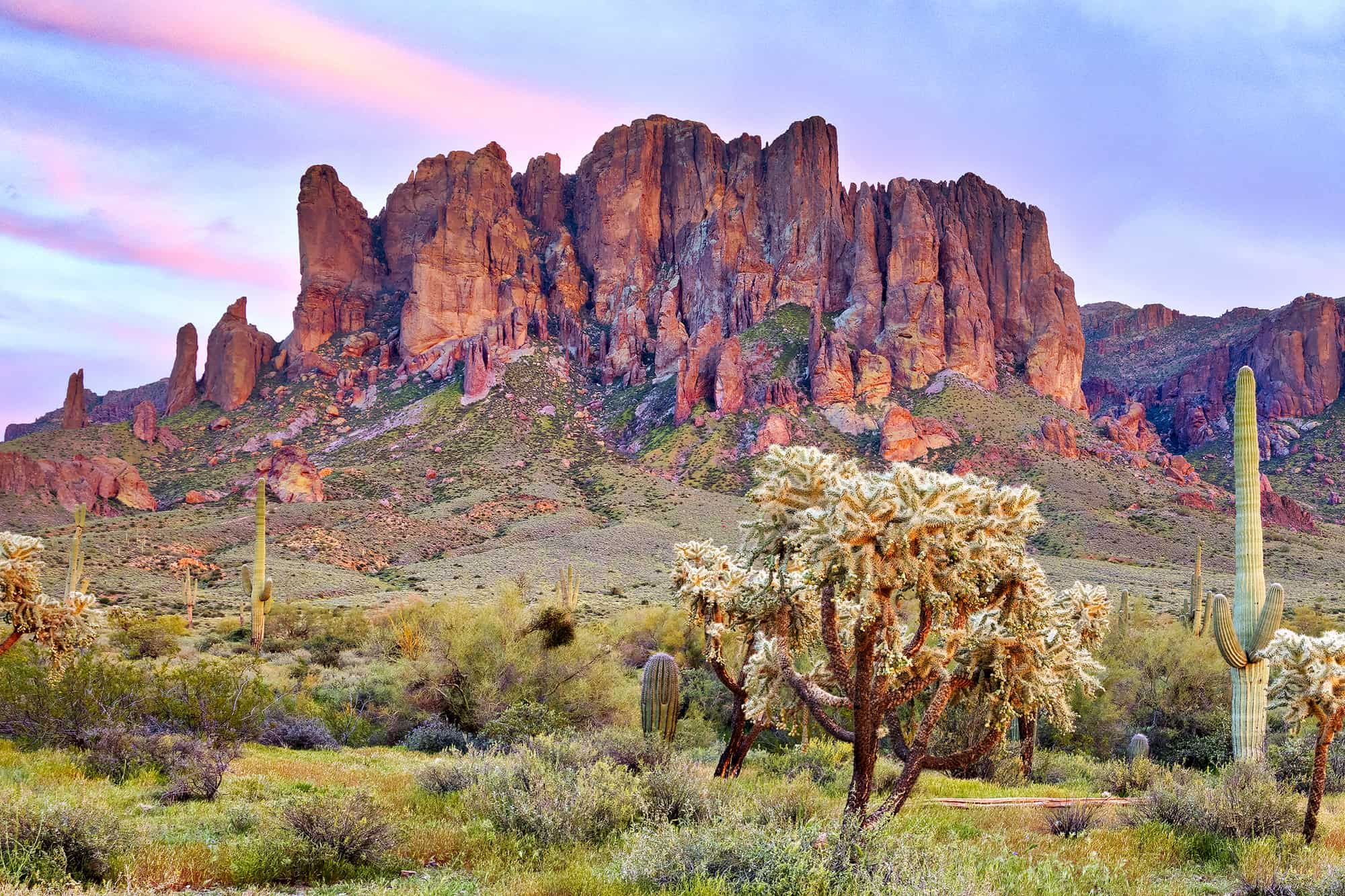
From a geological perspective, the Superstition Mountains are remnants of a massive ancient volcanic caldera, formed by powerful eruptions millions of years ago. The dramatic cliffs, pinnacles like Weaver’s Needle, and deep canyons are all products of this intense volcanic activity, followed by eons of erosion from wind and water. The colorful rock formations, ranging from deep reds and oranges to purples and grays, tell a story of geological upheaval, adding to the visual spectacle of the landscape. This geological history contributes significantly to the unique ecosystem found here, supporting a fascinating array of desert plants and animals adapted to its harsh conditions.
Preserving the Legacy: Conservation and Respect
The continued preservation of Superstition Mountain and its surrounding wilderness is paramount. Efforts by the U.S. Forest Service, Arizona State Parks, and local conservation groups are vital in protecting its delicate ecosystem, historical sites, and cultural significance. Visitors play a crucial role in this preservation by adhering to wilderness regulations, practicing responsible tourism, and respecting both the natural environment and the stories and traditions of the indigenous peoples who have long held this land sacred. By doing so, we ensure that the legends and allure of Superstition Mountain will continue to inspire and challenge future generations of travelers.
Whether you’re drawn by the promise of lost gold, the challenge of its rugged trails, or simply the desire to witness a landscape of unparalleled beauty and mystery, Superstition Mountain stands ready to captivate your imagination and provide an adventure like no other in the heart of Arizona.
LifeOutOfTheBox is a participant in the Amazon Services LLC Associates Program, an affiliate advertising program designed to provide a means for sites to earn advertising fees by advertising and linking to Amazon.com. Amazon, the Amazon logo, AmazonSupply, and the AmazonSupply logo are trademarks of Amazon.com, Inc. or its affiliates. As an Amazon Associate we earn affiliate commissions from qualifying purchases.