
The Boston Marathon bombing on April 15, 2013, remains a raw and somber chapter in the history of the vibrant city of Boston, Massachusetts. This tragic event, which occurred near the finish line of one of the world’s most iconic road races, sent shockwaves across the globe, claiming lives, inflicting severe injuries, and forever altering the landscape of an otherwise joyous annual celebration. While the immediate aftermath was marked by chaos and uncertainty, the enduring spirit of Boston quickly emerged, demonstrating a profound sense of unity, resilience, and remembrance that continues to inspire.
For travelers and visitors to Boston, understanding this pivotal moment is an important part of engaging with the city’s contemporary identity. Beyond its historical landmarks like the Freedom Trail and its charming neighborhoods, Boston is a place where community strength and collective memory are deeply woven into the urban fabric. This article delves into the lives lost, the heroes who emerged, and the ways in which Boston has chosen to remember, rebuild, and move forward, inviting visitors to reflect on this powerful story of human courage and enduring hope.
Remembering the Victims: A City’s Enduring Spirit
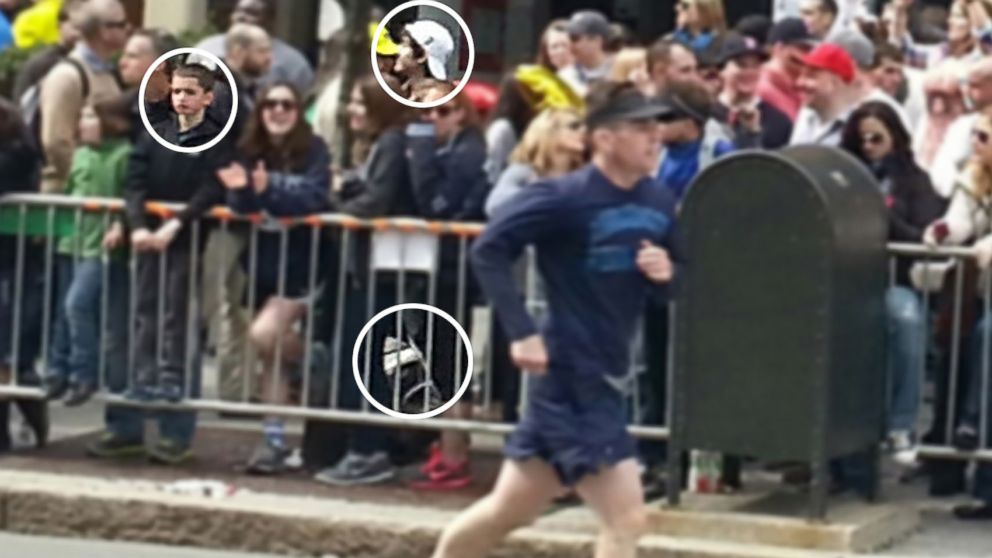
The question “Who died in the Boston Marathon bombing?” is not just a query for facts, but a call to remember the individuals whose lives were tragically cut short. Three innocent spectators lost their lives at the scene, with a fourth victim, a police officer, dying days later in the subsequent manhunt. Their stories are central to understanding the human cost of the attack and the depth of the city’s grief.
The Tragic Day and Its Immediate Aftermath
The sunny spring afternoon of April 15, 2013, was filled with the usual jubilation of Patriots’ Day, a state holiday in Massachusetts that culminates in the Boston Marathon. Thousands of runners, many having trained for months, were nearing the finish line on Boylston Street, cheered on by an equally vast crowd of spectators, family, and friends. The atmosphere was electric, a testament to athletic achievement and community spirit.
At precisely 2:49 PM, the first of two improvised explosive devices detonated near the finish line, followed seconds later by a second blast a block away. The celebratory cheers turned to screams of terror, and the festive scene was instantly transformed into one of carnage and chaos. First responders, medical personnel, and even ordinary citizens reacted with extraordinary courage, rushing towards the injured while others fled. The streets, which moments before had been a corridor of triumph, became an emergency triage center.
In the immediate aftermath, the city, and indeed the world, grappled with the enormity of the attack. News channels were awash with images of smoke, debris, and the heroic efforts of those who aided the wounded. Boston went into lockdown, and a massive manhunt ensued, eventually leading to the identification of two brothers, Tamerlan and Dzhokhar Tsarnaev, as the perpetrators. The pursuit of the bombers gripped the nation, culminating in a tense standoff in Watertown, a suburb of Boston, which resulted in the death of Tamerlan Tsarnaev and the capture of Dzhokhar Tsarnaev.
Honoring Lives Lost: Martin Richard, Lingzi Lu, Krystle Campbell
The most profound impact of the Boston Marathon bombing was the loss of life. Each victim represented a unique story, a family shattered, and a future unfulfilled.
Martin Richard was an 8-year-old boy from Dorchester, Boston, who had gone to watch the race with his family. He was an avid sports fan, loved to read, and was known for his kind and thoughtful nature. A photograph of Martin holding a handmade poster with the words “No more hurting people. Peace.” became a powerful symbol of the tragedy and a plea for a more compassionate world. His death, alongside the severe injuries sustained by his mother and sister, particularly resonated with the public due to his young age and the innocence he represented. The Martin Richard Foundation was established in his memory, dedicated to promoting peace, justice, and community service.
Lingzi Lu was a 23-year-old graduate student from China, studying at Boston University‘s School of Management. She was an enthusiastic and bright student, enjoying her new life in America and exploring its culture. Lingzi had been at the finish line with friends, eager to experience the excitement of the marathon. Her dreams of a future in finance were tragically cut short. Her loss highlighted the international reach of the tragedy and the global community that felt its impact. Boston University established a scholarship in her name, celebrating her academic ambition and vibrant spirit.
Krystle Campbell was a 29-year-old restaurant manager from Medford, Massachusetts. Described as a bright and outgoing individual, Krystle was at the finish line cheering on her friend when the bombs detonated. She was known for her infectious laugh, her love for animals, and her dedication to her family and friends. Her death left a profound void in the lives of those who knew her. Her story underscores the arbitrary nature of the violence, as she was simply enjoying a beautiful day with loved ones.
In the days following the bombing, the city was rocked by further tragedy when MIT Police Officer Sean Collier, a 27-year-old officer, was ambushed and killed by the Tsarnaev brothers on April 18, 2013, during their escape attempt. Officer Collier was a beloved member of the Massachusetts Institute of Technology (MIT) community, known for his dedication, kindness, and commitment to service. His sacrifice further deepened the sorrow in Boston and highlighted the bravery of law enforcement personnel. A permanent memorial stands on the MIT campus in his honor, a place of quiet reflection for students, faculty, and visitors.
These four individuals represent not just statistics but lives full of potential, dreams, and love. Their memory is kept alive through their families, friends, and the collective resolve of a city that refuses to let their sacrifice be in vain.
The Legacy of Resilience: Boston Strong
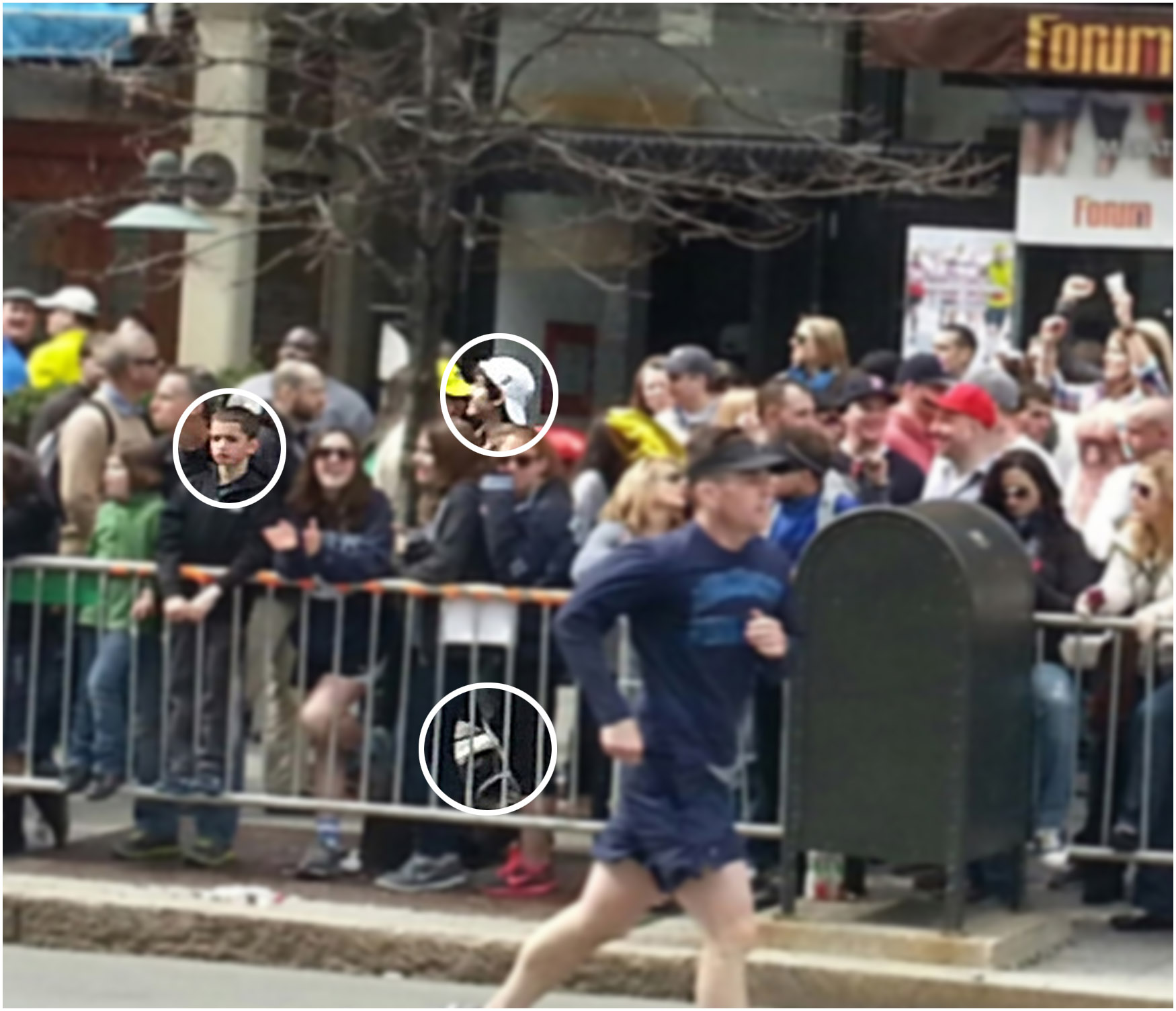
In the wake of such a profound tragedy, the rallying cry “Boston Strong” emerged, quickly becoming a symbol of the city’s unwavering determination to heal, unite, and overcome. This phrase encapsulated the collective spirit of resilience that permeated every facet of Boston, from its bustling streets to its quiet neighborhoods. It became a promise to the victims and survivors that their ordeal would not break the city, but rather fortify its resolve.
The Boston Marathon: A Symbol of Unity
The Boston Marathon itself, far from being diminished by the attacks, transformed into an even more powerful symbol of unity and defiance. Each year, thousands of runners, volunteers, and spectators return to Boston not only to participate in the iconic race but also to honor the memory of the victims and celebrate the city’s indomitable spirit. The race route, stretching 26.2 miles from Hopkinton to Boston’s Copley Square, has become a pilgrimage for many, a testament to endurance in the face of adversity.
For tourists and seasoned travelers alike, attending the Boston Marathon is an experience unlike any other. The energy is palpable, a mix of athletic ambition and heartfelt commemoration. Spectators line the entire course, from the picturesque towns of Framingham and Natick to the challenging “Heartbreak Hill” in Newton and the final, triumphant stretch down Boylston Street. Many runners wear ribbons or symbols in remembrance, and the cheers are often interspersed with moments of quiet reflection, particularly as runners pass the memorial sites. The marathon weekend is a vibrant display of local culture and hospitality, offering an authentic Boston experience that blends history with a forward-looking spirit. Hotels in the Back Bay area, such as The Fairmont Copley Plaza or the Mandarin Oriental, Boston, become central hubs of activity, filled with runners and their support teams, contributing to the electric atmosphere that draws visitors from around the globe.
Permanent Memorials and Places of Reflection
To ensure that the victims are never forgotten, Boston has created lasting memorials that serve as places of reflection and remembrance. The most prominent is the Boston Marathon Memorial on Boylston Street, located at the sites of the two bombings. Unveiled in 2019, the memorial consists of four bronze spires, each representing one of the lives lost, intertwined with plantings and stone. These beautifully crafted structures offer a quiet space for visitors to pause, reflect, and pay their respects. The design thoughtfully integrates into the urban landscape, becoming a part of the daily life of the city while maintaining its solemn purpose.
Near the memorial, visitors can also find the Boston Public Library in Copley Square, which became a crucial gathering point and sanctuary in the hours following the attacks. Its historical significance, combined with its role during the tragedy, makes it another important landmark for quiet contemplation. The library’s grand architecture and serene reading rooms provide a stark contrast to the violence that once occurred just outside its doors, offering a sense of peace and enduring knowledge.
Additionally, various community gardens, plaques, and smaller tributes can be found throughout the city, each contributing to the collective memory. For instance, in Dorchester, the community rallied to create lasting tributes to Martin Richard, reinforcing the local bonds that define Boston’s neighborhoods. These sites, whether grand or modest, serve as constant reminders of the human cost of the tragedy and the resilience that followed, inviting visitors to engage with the deeper narrative of the city.
Experiencing Boston Today: History, Hope, and Hospitality
Boston today is a city that carries its history with grace, embracing its past while constantly innovating and looking to the future. For those planning a visit, understanding the city’s complex narrative, including the events of 2013, enriches the travel experience, offering a deeper connection to its people and culture.
Iconic Landmarks and Vibrant Neighborhoods
Beyond the marathon route and its memorials, Boston offers an incredible array of attractions that cater to every interest. History buffs can walk the Freedom Trail, visiting sites like Faneuil Hall Marketplace, the Old State House, and Paul Revere House, immersing themselves in the birth of a nation. The Boston Common and the Public Garden provide serene green spaces for relaxation, particularly beautiful during spring and autumn.
Art and culture enthusiasts will find themselves at home in institutions like the Museum of Fine Arts and the exquisite Isabella Stewart Gardner Museum, each offering world-class collections. Science and nature lovers can explore the New England Aquarium or the Museum of Science, making Boston an ideal destination for family trips. The city’s diverse neighborhoods, from the historic charm of Beacon Hill to the bustling modernity of the Seaport District, offer unique dining experiences, boutique shopping, and lively nightlife. Foodies will particularly enjoy exploring the culinary scene, from classic New England seafood to innovative global cuisine.
The Prudential Center offers panoramic views of the city skyline from its Skywalk Observatory, while a visit to Fenway Park, home of the Boston Red Sox, provides a taste of America’s beloved pastime. Each of these landmarks and experiences contributes to the rich tapestry of Boston, showcasing its blend of historical depth and contemporary vibrancy.

Planning Your Visit: Travel and Accommodation
Traveling to Boston is made easy with Logan International Airport providing excellent connectivity. Once in the city, the “T” (the subway system) makes navigating most attractions convenient and efficient. For accommodation, Boston boasts a wide range of options to suit every preference and budget, from luxury hotels to charming boutique stays and comfortable apartments.
Travelers seeking a luxurious experience might consider hotels like the Omni Parker House, renowned for its historic elegance and central location, or modern resorts offering comprehensive amenities. For those on a budget or looking for a more local experience, numerous guesthouses and long-term stay apartments are available, particularly in areas like the South End or near universities in Cambridge. Websites dedicated to accommodation booking and reviews can assist in comparing options and finding the perfect place, whether you’re planning a romantic getaway, a business stay, or a family adventure. Many hotels, especially those around Copley Square and the Back Bay, offer stunning views and easy access to the Marathon finish line, providing a unique perspective for those visiting around Patriots’ Day.
Beyond the physical sites, engaging with Boston’s tourism involves connecting with its people. The warmth and resilience of Bostonians are palpable, and their readiness to share their city’s story is a testament to their enduring spirit. Visiting Boston is not just about seeing landmarks; it’s about experiencing a city that has faced adversity with courage and emerged stronger, offering a profound journey through history, hope, and unparalleled hospitality.
LifeOutOfTheBox is a participant in the Amazon Services LLC Associates Program, an affiliate advertising program designed to provide a means for sites to earn advertising fees by advertising and linking to Amazon.com. Amazon, the Amazon logo, AmazonSupply, and the AmazonSupply logo are trademarks of Amazon.com, Inc. or its affiliates. As an Amazon Associate we earn affiliate commissions from qualifying purchases.