
California is a land of dreams, known for its breathtaking landmarks, vibrant tourism, and diverse lifestyle options, from the bustling streets of Los Angeles to the serene vineyards of Napa Valley. Whether you’re exploring its iconic cities, settling into a long-term accommodation, or simply enjoying a luxurious travel experience, personal safety and peace of mind are paramount. While we often focus on the joys of discovering new destinations or finding the perfect hotel, it’s equally important to understand the legal frameworks that safeguard individual well-being. Sometimes, navigating life’s challenges means seeking legal protection, and in California, a restraining order is a critical tool for ensuring personal safety from abuse, harassment, or threats.

This comprehensive guide is designed to demystify the process of obtaining a restraining order in California. Understanding these legal protections can provide immense reassurance, especially if you are considering relocation, extended stays, or are simply a resident needing to secure a safe environment. We aim to equip you with the knowledge needed to navigate this complex legal journey, ensuring your personal tranquility aligns with the golden state’s promise of a rich and fulfilling life.
Understanding Restraining Orders in California
Before embarking on the process, it’s crucial to understand what a restraining order is, its purpose, and the various types available under California law. At its core, a restraining order is a court order that prohibits a person from doing certain things, such as contacting, harassing, or coming within a specified distance of another person. It’s a legal shield designed to protect individuals from harm and maintain a safe distance from a person who poses a threat.
The purpose extends beyond immediate physical safety; it also aims to prevent emotional distress, stalking, and repeated harassment that can severely impact one’s quality of life and sense of security. For residents and visitors alike, knowing these protections exist can be a vital component of a secure and enjoyable lifestyle in California.
Types of Restraining Orders
California law recognizes several distinct types of restraining orders, each tailored to specific circumstances and relationships between the parties involved. Identifying the correct type is the first critical step in filing your petition.
-
Domestic Violence Restraining Order (DVRO): This is perhaps the most common type and is intended for protection against abuse by someone with whom you have a close relationship. This includes a spouse, former spouse, fiancé(e), former fiancé(e), cohabitant, former cohabitant, someone with whom you have or had a dating or engagement relationship, or someone with whom you have a child. “Abuse” in this context is broad and can include physical harm, sexual assault, threats, harassment, stalking, disturbing the peace, or controlling behavior. This order is critical for maintaining safety within personal relationships, ensuring that your home, a sanctuary of peace, remains undisturbed.
-
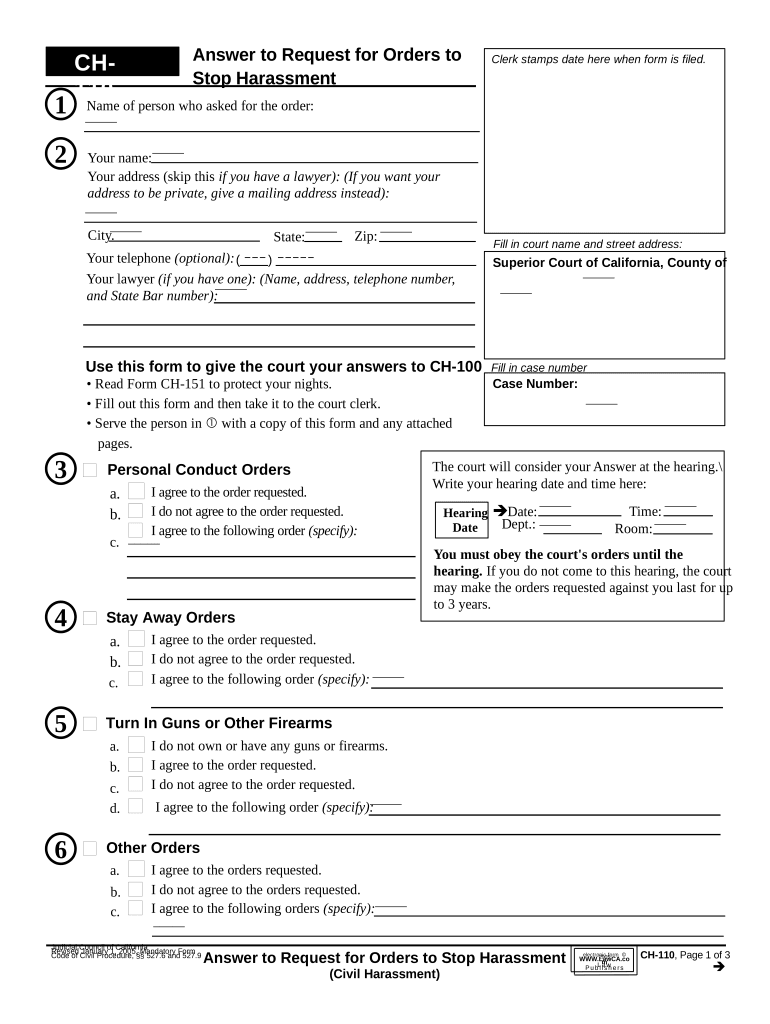
Civil Harassment Restraining Order (CHRO): A CHRO is applicable when the person you seek protection from is not a close family member or someone with whom you have a domestic relationship. This type of order is used when someone has harassed, stalked, threatened violence against, or violently assaulted you. Harassment typically involves a course of conduct that seriously alarms, annoys, or harasses you, and causes substantial emotional distress. This could be a neighbor, a distant relative, a coworker, or even a stranger. For those exploring California’s diverse communities or engaging in new activities, understanding this general protection can be invaluable.
-
Elder or Dependent Adult Abuse Restraining Order: This order protects individuals aged 65 or older, or dependent adults (ages 18-64) with certain mental or physical disabilities, from abuse, neglect, abandonment, or financial exploitation. The abuse can be physical, emotional, or sexual. This type of restraining order emphasizes California’s commitment to protecting its vulnerable populations, ensuring that even within the context of family or caregiving, safety and dignity are upheld.
-
Workplace Violence Restraining Order (WVRO): An employer can request this type of restraining order on behalf of an employee who has suffered violence or a credible threat of violence in the workplace. This is crucial for maintaining a safe professional environment, whether in a bustling San Francisco office or a resort in Palm Springs. It underscores the importance of a secure professional life as part of one’s overall well-being.
-
Gun Violence Restraining Order (GVRO): Distinct from other restraining orders, a GVRO (also known as a “Red Flag Law”) allows certain individuals (law enforcement, immediate family members) to petition the court to temporarily remove firearms from a person deemed to pose a significant danger to themselves or others. While not directly aimed at protecting a specific individual from another’s direct harassment in the same way as other orders, it serves a broader public safety purpose, which indirectly contributes to the peace of mind of the community.
Who Can File for a Restraining Order?
The person filing for a restraining order is called the “Petitioner,” and the person against whom the order is sought is the “Respondent.” Generally, any adult who is a victim of abuse or harassment can file for a restraining order on their own behalf. In the case of minors, a parent, guardian, or an attorney can file on their behalf. For elder or dependent adult abuse, a conservator or other interested party might be able to file. Understanding your standing as a Petitioner is key to initiating the process successfully. This legal avenue ensures that individuals, regardless of their current lifestyle or travel plans in California, have access to necessary legal safeguards.
The Process of Filing for a Restraining Order
The journey to obtaining a restraining order in California involves several structured steps, from preparing your case to attending court hearings. While it can seem daunting, particularly when dealing with emotional distress, breaking it down into manageable stages can help. Many resources exist to guide Petitioners through this process, which prioritizes safety and due process.
Gathering Evidence and Documentation
This is arguably the most crucial initial step. The strength of your case hinges on the evidence you present to the court. The more detailed and corroborating evidence you have, the higher your chances of the court granting your request. Consider the following:

- Detailed Incident Reports: Document every instance of abuse, harassment, or threats. Include dates, times, locations, a clear description of what happened, and any witnesses present. Even if an incident seems minor, it can contribute to a pattern of behavior. For example, if you encountered harassment near a popular tourist attraction in San Diego, note the specific location and time.
- Police Reports: If you have called the police for any incidents, obtain copies of the police reports. These are official documents that lend significant weight to your claims.
- Medical Records: If you sustained any physical injuries, medical records, doctor’s notes, and photographs of injuries are essential.
- Communications: Save all relevant text messages, emails, voicemails, social media posts, or letters from the Respondent. These can directly demonstrate threats, harassment, or violations of boundaries.
- Witness Statements: If there were witnesses to any incidents, ask them if they would be willing to provide a written statement or testify in court.
- Photographs and Videos: Any visual evidence of property damage, injuries, or the Respondent’s harassing behavior can be very compelling.
- Protective Orders from Other Jurisdictions: If you have received protection from another court, include this documentation.
Organizing this evidence meticulously will not only strengthen your case but also help you articulate your experiences clearly and concisely to the court.
Filing Your Petition and Attending Hearings
Once you have gathered your evidence, the next step is to complete the necessary court forms. These forms require you to provide a detailed account of the abuse or harassment, explaining why you need the court’s protection. The primary forms include a Request for Restraining Order (various forms for DVRO, CHRO, etc.) and a Confidential CLETS Information form. Be specific and factual in your descriptions; avoid emotional language and stick to verifiable details.
- Filing the Forms: Take your completed forms to the clerk’s office at the Superior Court in your county (e.g., Orange County Superior Court). There might be filing fees, but you can request a fee waiver if you cannot afford them.
- Temporary Restraining Order (TRO): In urgent situations where there is immediate danger, you can request a Temporary Restraining Order (TRO). The court can issue a TRO on the same day or within a few days, without the Respondent being present. This order provides immediate, temporary protection until a full hearing can be held. If granted, the TRO usually lasts until the date of your court hearing.
- Notice of Hearing: Once your forms are filed and if a TRO is issued, the court will schedule a hearing date. You will receive a notice with the date, time, and location of this hearing. It is crucial to mark this date on your calendar and prepare thoroughly.
- The Court Hearing: Both the Petitioner and the Respondent will have the opportunity to present their case to a judge. You will need to explain why you need the restraining order, present your evidence, and answer the judge’s questions. The Respondent will have the chance to tell their side of the story. This hearing is where the judge will decide whether to issue a permanent restraining order. It can be an intimidating experience, but remembering your purpose — to secure your safety and peace — can help you navigate it.
Serving the Restraining Order
A court order is only effective if the other party knows about it. This is where “service of process” comes in. The Respondent must be legally notified of the filed petition and any temporary restraining order issued, as well as the date of the upcoming court hearing.
- Who Can Serve: A copy of your filed documents, including the TRO (if issued) and the Notice of Hearing, must be “served” on the Respondent. This cannot be done by you. It must be done by someone else who is at least 18 years old and not involved in the case. This could be a professional process server, a sheriff’s deputy, or even a friend or family member who meets the criteria.
- Proof of Service: Once the Respondent has been served, the person who performed the service must complete a “Proof of Service” form and file it with the court. This document confirms that the Respondent has been legally notified and is essential for the court to proceed with your hearing. Without proper service, the court may not be able to issue a final restraining order, or your hearing might be postponed.
Proper service is a critical legal requirement that ensures the Respondent’s due process rights are protected while simultaneously moving your case forward toward securing your safety.
Life Under a Restraining Order and Beyond
Obtaining a restraining order is a significant step towards ensuring your safety and regaining control over your life. However, it’s not the end of the journey. Understanding what happens once an order is granted and how to maintain your safety going forward is essential for a truly peaceful lifestyle.
What Happens After a Restraining Order is Granted?
If the judge rules in your favor at the hearing, a “permanent” restraining order will be issued. While commonly referred to as permanent, these orders typically have a specific duration, most often lasting up to five years in California. In some cases, especially for DVROs, they can be made for a longer period or even permanently.
-
Terms of the Order: The restraining order will outline specific prohibitions against the Respondent. These commonly include:
- No contact, direct or indirect, including through third parties or social media.
- Staying a certain distance away from you, your home, workplace, children’s school, or other specific locations.
- Not owning or possessing firearms.
- Specific orders regarding child custody or visitation (in DVRO cases).
- Orders for the Respondent to move out of a shared residence.
-
Enforcement: A restraining order is a powerful legal document, and violating its terms is a criminal offense. If the Respondent violates any part of the order, you should immediately call 911. Law enforcement officers are legally empowered to arrest individuals who violate a valid restraining order. It’s crucial to always keep a copy of your restraining order with you, or at least have access to its details, so you can provide it to law enforcement if needed.
-
Renewals: As the expiration date of your restraining order approaches, you have the option to file a request with the court to renew it. You will need to demonstrate to the court that you still have a reasonable apprehension of future abuse or harassment from the Respondent. This process allows for continued protection should the threat persist, offering long-term peace of mind.
Navigating Personal Safety and Well-being
While a restraining order offers legal protection, it’s also important to consider additional safety planning and well-being strategies to complement this legal shield. For those who may have relocated to California or are contemplating it, integrating safety measures into your new environment is key to a fulfilling lifestyle.
- Safety Plan: Develop a personal safety plan that outlines steps you will take if you feel threatened or if the order is violated. This might include identifying safe places, people you can call, and emergency escape routes.
- Inform Trusted Individuals: Share the existence and terms of your restraining order with trusted friends, family, employers, and schools (if children are involved). This network can provide support and additional vigilance.
- Self-Care: The process of obtaining a restraining order and living with the aftermath can be emotionally taxing. Prioritize self-care, which might include seeking therapy, joining support groups, or engaging in activities that bring you joy and peace. California’s natural beauty, from its beaches to its national parks, offers many opportunities for restorative experiences.
- Legal Counsel: While this guide provides general information, every situation is unique. Consulting with a qualified attorney in California is always recommended. Legal professionals can offer personalized advice, help you navigate the complexities of court procedures, and ensure all forms are correctly filed. Organizations like the California Courts Self-Help Center also provide valuable resources.
In conclusion, understanding how to obtain a restraining order in California is a vital aspect of personal safety and well-being. While California offers countless opportunities for enriching travel, vibrant tourism, and an unparalleled lifestyle, ensuring your personal security is the foundation upon which all these experiences are built. By being informed and prepared, you can confidently protect your peace of mind and continue to embrace all that the Golden State has to offer.
LifeOutOfTheBox is a participant in the Amazon Services LLC Associates Program, an affiliate advertising program designed to provide a means for sites to earn advertising fees by advertising and linking to Amazon.com. Amazon, the Amazon logo, AmazonSupply, and the AmazonSupply logo are trademarks of Amazon.com, Inc. or its affiliates. As an Amazon Associate we earn affiliate commissions from qualifying purchases.