
California is a dream destination for many, known for its stunning landscapes, vibrant cities, and diverse culture. While its allure makes it a popular spot for travel and tourism, it also presents an attractive option for those looking to enjoy their golden years. However, the high cost of living, particularly housing, can be a significant hurdle for seniors on a fixed or limited income. Navigating the process of securing affordable senior housing in the Golden State requires a clear understanding of the programs available, the application steps, and a good deal of perseverance. This comprehensive guide aims to demystify the journey, offering insights into how low-income seniors can find and apply for suitable accommodation, ensuring a comfortable and fulfilling lifestyle in California.
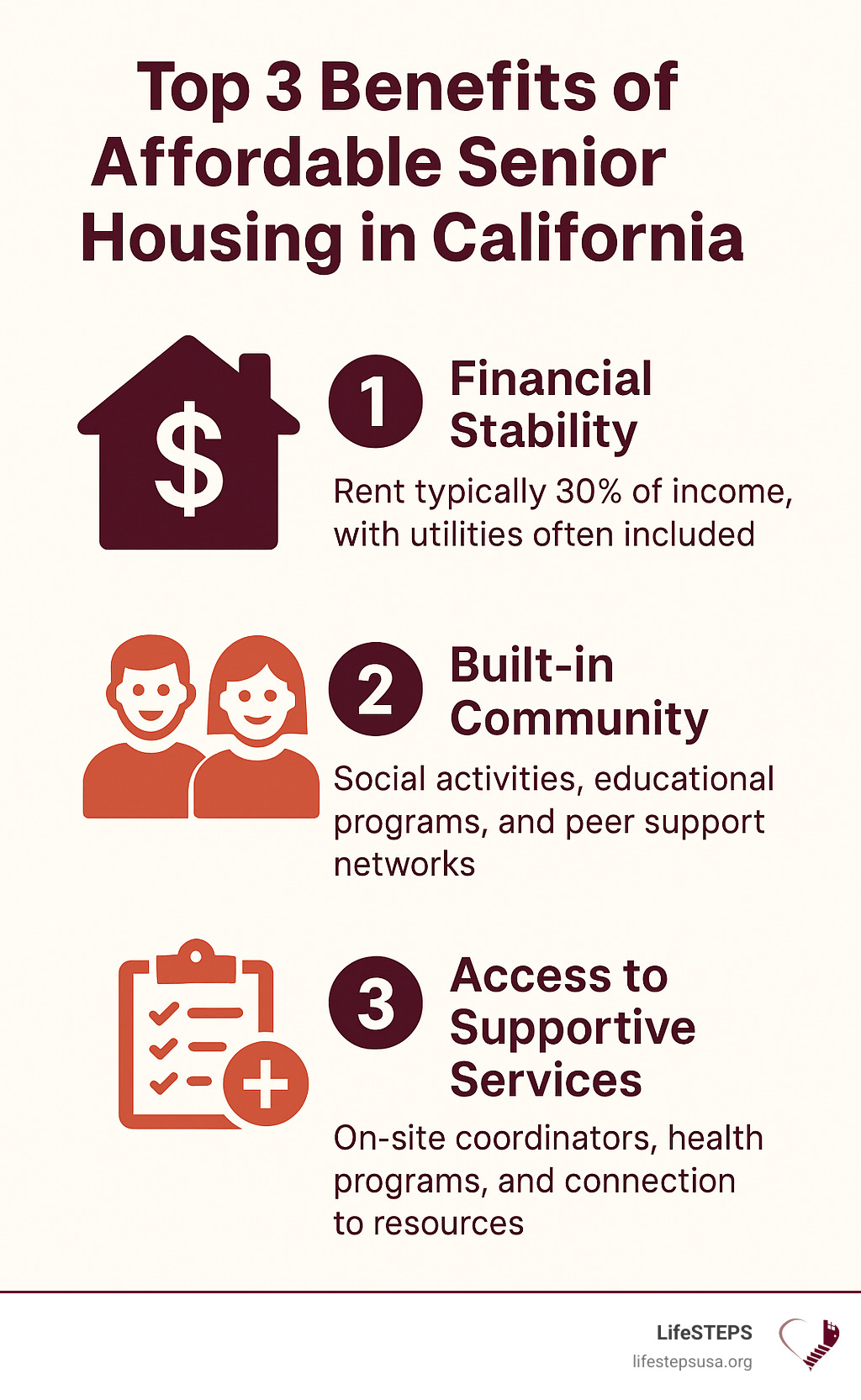
The quest for a secure and affordable home is more than just about a roof over one’s head; it’s about maintaining independence, fostering community, and ensuring access to essential services that contribute to overall well-being. For many seniors, finding the right long-term accommodation means the difference between a life of dignity and constant financial strain. This article will serve as your essential resource, outlining the critical programs, required documentation, and the strategic approach needed to successfully apply for low-income senior housing in this beautiful and desirable state.
Understanding Low-Income Senior Housing Programs
Before diving into the application process, it’s crucial to understand the foundational programs that make affordable senior housing a reality in California. These initiatives are designed to bridge the gap between fixed incomes and the rising cost of living, providing a lifeline for many retirees. Familiarizing yourself with these programs is the first step towards identifying the right opportunities and ensuring you meet the necessary eligibility criteria.
The Basics of Eligibility and Income Limits
Low-income senior housing programs primarily cater to individuals who are typically aged 55 or 62 and older, depending on the specific community or program guidelines. The “low-income” designation is determined by the Area Median Income (AMI) for a specific region, which varies significantly across California’s diverse counties and cities. Generally, eligibility requires household income to be at or below a certain percentage of the AMI, often 50% or 60%. Some programs may even target extremely low-income individuals, with limits as low as 30% of the AMI.
Understanding your household income relative to the local AMI is paramount. This includes all sources of income, such as Social Security Administration benefits, pensions, savings interest, and any part-time employment wages. Asset limits may also apply, though certain assets like primary residences are typically excluded. It’s important to remember that these thresholds are not static; they are adjusted annually and vary by location, making it essential to consult the most current guidelines for your specific area of interest. This ensures you’re applying for housing options where you realistically qualify, preventing wasted effort and managing expectations effectively.
Key Government and State-Supported Initiatives
Several vital programs underpin affordable senior housing efforts in the United States, with significant implementation in California. These include federal initiatives like Section 202 and the broader framework overseen by the U.S. Department of Housing and Urban Development (HUD), as well as state-level support through mechanisms like the Low-Income Housing Tax Credit (LIHTC).
-
HUD Section 202 Supportive Housing for the Elderly Program: This program provides capital advances to non-profit organizations to construct or rehabilitate housing specifically for very low-income seniors. It also offers rental subsidies, making housing affordable by limiting rent payments to 30% of a resident’s adjusted income. Section 202 communities are designed not just for affordability but also to provide an environment with supportive services, promoting independent living. These might include meal services, transportation, and health and wellness programs, enhancing the overall lifestyle and sense of community for residents. These projects are usually apartment-style accommodations, often with common areas that foster social interaction, much like the communal aspects of certain resorts or boutique hotels geared towards long-term stays.
-
Low-Income Housing Tax Credit (LIHTC) Program: While not exclusively for seniors, the LIHTC program is the largest source of affordable housing development in the U.S., including a substantial number of senior-specific projects. It incentivizes private developers to build or renovate affordable rental housing by offering tax credits. Properties built under LIHTC rules must set aside a certain percentage of units for low-income tenants and adhere to rent limits for a set period, typically 30 years or more. These properties often offer modern amenities and are professionally managed, providing quality accommodation options. Seniors apply directly to these properties, which operate under different rules than Section 202 properties regarding income limits and rent calculations, though they still adhere to strict affordability standards.
-
Housing Choice Voucher Program (HUD Section 8): While less common for dedicated senior housing complexes, the Section 8 program allows eligible low-income families, seniors, and individuals to use a voucher to help pay rent in privately-owned housing that meets program requirements. This offers flexibility in choosing a suitable home within the private market. However, waitlists for Section 8 vouchers can be exceptionally long in California’s high-demand areas.
Understanding these programs clarifies the landscape of affordable senior housing and helps potential applicants target their search more effectively, aligning their needs with the specific benefits each program offers.
The Application Process: A Step-by-Step Guide
Securing low-income senior housing is a detailed process that demands careful preparation, diligent research, and often, significant patience. It’s not simply a matter of filling out a single form; rather, it involves a series of coordinated steps designed to ensure that housing resources are allocated fairly to those who need them most. Approaching this process methodically will significantly increase your chances of success.
Gathering Essential Documents
The cornerstone of any successful application is a complete and accurate set of documentation. Housing providers need comprehensive information to verify eligibility, income, assets, and other crucial factors. Missing or incorrect documents can lead to delays or outright rejection. Therefore, before you even begin searching for specific properties, dedicate time to compile the following:
- Proof of Identity: Government-issued identification, such as a driver’s license, state ID card, or passport. Social security cards for all household members.
- Proof of Income: This is critical for income verification. You will need recent bank statements, Social Security award letters, pension statements, veterans’ benefits statements, current pay stubs (if applicable), and tax returns from the previous one or two years. Be prepared to show all sources of income for every household member.
- Proof of Assets: Documentation for all financial assets, including checking and savings accounts, CDs, stocks, bonds, IRAs, and any other investments. While a primary residence may be excluded, other real estate or significant assets will be considered.
- Medical and Disability Expenses: If you have significant ongoing medical expenses or are receiving disability benefits, provide documentation. These expenses can sometimes be deducted from your gross income when calculating rent, potentially lowering your monthly housing costs. This might include medical bills, prescription receipts, and letters from doctors.
- Housing History: Previous landlord contact information, rental history, and references. Some applications may also require proof of residency in California.
- Proof of Age: Birth certificate or other official documentation confirming your age to verify eligibility for senior housing.
- Citizenship or Legal Residency Documentation: Proof of U.S. citizenship or legal alien status for all household members.
Organizing these documents in a dedicated folder or digital file will save time and reduce stress when you begin applying to multiple properties. Always provide copies, not originals, unless explicitly requested.
Finding Available Housing Options
Once your documents are in order, the next challenge is locating suitable low-income senior housing communities. This requires a multi-faceted approach, as there isn’t one centralized database for all affordable senior housing in California.

- HUD Resources: The U.S. Department of Housing and Urban Development website is an excellent starting point. They offer an online search tool to find affordable housing properties in your desired area. You can filter by state and city, and look specifically for “elderly” housing options. These listings often include contact information for property managers.
- Local Public Housing Authorities (PHAs): Each county and many major cities in California have a Public Housing Authority. PHAs administer various affordable housing programs, including Section 8 vouchers and properties. Visit or call your local PHA to inquire about their specific programs, available senior housing developments, and waitlist procedures. They are a crucial local resource for information.
- California Department of Housing and Community Development (HCD): The state’s HCD website offers information and resources on various affordable housing initiatives across California. While they may not list every single property, they can provide links to regional resources and non-profit organizations focused on senior housing.
- Non-Profit Organizations and Senior Advocates: Many non-profit organizations specialize in assisting seniors with housing needs. Organizations like the Area Agencies on Aging (AAAs), local senior centers, and housing counseling agencies often have up-to-date lists of available properties, waitlist statuses, and can provide personalized guidance. They can also help you understand local nuances and connect you with other support services, such as transportation or meal programs.
- Online Search Engines and Directories: Websites like affordablehousing.com, housingsearch.ca.gov, and even general real estate sites with specific filters (e.g., “senior living,” “affordable housing”) can help identify properties. Be sure to verify information directly with the property management.
- Word of Mouth and Community Boards: Sometimes, the best leads come from local community networks. Visit senior centers, libraries, and community notice boards in the areas you are interested in.
When you find potential properties, contact them directly to inquire about their specific eligibility criteria, income limits, availability, and their application process. Many properties will have their own unique application forms in addition to requiring your compiled documents.
Navigating the Application and Waitlist
The application phase requires meticulous attention to detail and a proactive approach. Each property will have its own application form, which you must complete thoroughly and accurately.
- Complete Applications Precisely: Fill out every section of the application form. If a section doesn’t apply, write “N/A” rather than leaving it blank. Double-check for any errors before submission. Attach all requested documents, clearly labeled.
- Be Prepared for Waitlists: Demand for affordable senior housing in California far outstrips supply, leading to lengthy waitlists. It is common for waitlists to be years long, especially for popular properties in desirable locations. Do not be discouraged; apply to as many eligible properties as possible to maximize your chances. Some properties may open and close their waitlists periodically, so consistent monitoring and quick action are crucial.
- Follow Up Regularly (but Respectfully): After submitting an application, follow up periodically (e.g., every few months) to inquire about your status on the waitlist. Be polite and persistent. This shows your continued interest and ensures your application hasn’t been overlooked. Always keep a record of who you spoke with, when, and what was discussed.
- Update Information Promptly: If there are any changes to your contact information, income, or household composition while you are on a waitlist, inform each property immediately. Failure to update information can result in your application being removed from the waitlist.
- Be Patient and Persistent: The process can be long and frustrating. It’s a marathon, not a sprint. Maintain your focus, continue your search, and utilize all available resources. Securing affordable housing is a significant achievement that requires enduring dedication.
Beyond the Application: Important Considerations for Senior Living in California
The journey to finding low-income senior housing extends beyond just filling out forms. It involves strategic planning, understanding the broader context of senior living, and leveraging support systems. For those considering California as their long-term home, these additional considerations can significantly impact their quality of life.
Financial Planning and Long-Term Eligibility
While initial eligibility is key, maintaining that eligibility is equally important for long-term secure accommodation. Your financial situation can change, and it’s essential to understand how these changes might affect your housing status.
- Understanding Rent Calculations: For many subsidized programs (like Section 202 and some LIHTC properties), your rent is typically calculated as a percentage of your adjusted gross income, often 30%. This means that if your income increases significantly, your rent may also increase. Conversely, if your income decreases, your rent could be adjusted downwards.
- Annual Recertification: Be prepared for annual income and asset recertification. Housing providers will require updated documentation to verify your continued eligibility and adjust rent as needed. Promptly providing these documents is crucial to avoid issues with your tenancy.
- Navigating Asset Growth: If your assets grow substantially (e.g., through an inheritance or a large gift), it could potentially impact your eligibility for certain programs. Understanding the asset limits for your specific housing program is important to avoid future complications. Seek financial advice if you anticipate significant changes to your assets.
- Medical Expense Deductions: Keep meticulous records of all out-of-pocket medical expenses. For many programs, these can be deducted from your gross income before rent is calculated, potentially lowering your housing costs. This includes costs for prescription drugs, doctor visits, home healthcare, and health insurance premiums not covered by Medicare or Medi-Cal.
Proactive financial planning and thorough record-keeping are your best allies in ensuring long-term affordability and stability in your senior housing.
Location, Amenities, and Lifestyle Considerations
Choosing where to live in California involves more than just affordability; it’s about selecting a community that aligns with your desired lifestyle and provides access to necessary services. California’s vast and varied landscape offers everything from bustling urban centers to serene coastal towns and quiet rural communities.
- Accessibility and Transportation: Consider the proximity to public transportation, medical facilities, grocery stores, and other essential services. If you no longer drive, access to reliable public transit or community shuttles offered by the housing complex itself (common in senior communities) is vital.
- Community and Social Engagement: Many senior housing developments offer a vibrant community atmosphere with shared common spaces, activities, and social events. These can be crucial for combating loneliness and fostering a sense of belonging, much like the communal aspects of a welcoming resort. Look for properties that offer activities like fitness classes, game nights, communal meals, or even organized outings to local attractions and landmarks.
- On-Site Amenities: Beyond the basic accommodation, what amenities does the property offer? Some senior housing options might include laundry facilities, communal dining areas, fitness centers, libraries, computer labs, or even small convenience stores. These amenities can greatly enhance daily living and contribute to a more enjoyable lifestyle.
- Safety and Security: Prioritize communities with good security features, such as controlled access, well-lit common areas, and emergency call systems within units. A sense of safety and peace of mind is invaluable for seniors.
- Climate and Environment: California’s climate varies dramatically from north to south and coast to inland. Consider what climate you prefer and what environment best suits your health needs and outdoor interests. Do you prefer the cooler coastal air, the warmth of the inland valleys, or mountain regions? Your environment plays a huge role in your daily lifestyle, especially for those who enjoy outdoor activities or simply appreciate a pleasant stroll.
Thinking about these lifestyle factors, much like one would when choosing a travel destination or a long-term hotel stay, ensures that your chosen senior housing not only meets your financial needs but also enriches your retirement experience.
Advocating for Yourself and Seeking Assistance
The process of finding and applying for low-income senior housing can be complex and emotionally taxing. You don’t have to go through it alone. Numerous organizations and resources are dedicated to assisting seniors.
- Area Agencies on Aging (AAAs): These local agencies are a treasure trove of information and support. They provide a wide range of services, including information and referral, benefits counseling, legal assistance, and often have specialists who can help you navigate housing options. Contact your local Area Agencies on Aging for personalized guidance.
- Housing Counseling Agencies: HUD-approved housing counseling agencies offer free or low-cost advice on various housing topics, including rental assistance, fair housing rights, and applying for subsidized housing.
- Legal Aid Societies: If you encounter discrimination or believe your rights are being violated during the application process or as a tenant, legal aid societies can provide assistance and representation.
- Senior Centers and Community Groups: These centers are often hubs of information and peer support. They can connect you with others who have gone through the process, share local tips, and sometimes host workshops or informational sessions on senior housing.
- Family and Friends: Enlist the help of trusted family members or friends to assist with research, document organization, and even accompanying you to appointments. A support system can make the process feel much less daunting.
- Veterans’ Benefits: If you are a veteran, explore housing assistance and benefits through the Veterans Affairs (VA). They may have specific programs or connections to housing resources tailored for veterans.
Empowering yourself with knowledge and knowing when to ask for help are critical components of successfully securing suitable low-income senior housing in California.

Conclusion
The journey to finding affordable senior housing in California can be intricate and demanding, yet it is undeniably a pursuit worth undertaking for the promise of security, comfort, and a fulfilling lifestyle in your golden years. By understanding the available programs like HUD‘s Section 202 and LIHTC properties, diligently preparing your documentation, and strategically searching for suitable options, you are laying a strong foundation for success.
Remember that patience, persistence, and proactive engagement are your greatest assets throughout this process. The waitlists can be long, and the application forms detailed, but each step brings you closer to a place you can truly call home. Furthermore, consider not just the affordability but also how the location, amenities, and community foster the kind of lifestyle you desire—whether it’s access to California’s natural beauty, vibrant urban centers, or a quiet, supportive environment.
Leveraging the extensive network of support available through Area Agencies on Aging, housing authorities, and non-profit organizations can significantly ease the burden and provide invaluable guidance. While California is famed for its attractions and diverse tourism, it also strives to be a welcoming home for its senior residents. With careful planning and a resilient spirit, securing low-income senior housing is an achievable goal, paving the way for a dignified, comfortable, and enjoyable retirement in one of the most beautiful states in the nation.
LifeOutOfTheBox is a participant in the Amazon Services LLC Associates Program, an affiliate advertising program designed to provide a means for sites to earn advertising fees by advertising and linking to Amazon.com. Amazon, the Amazon logo, AmazonSupply, and the AmazonSupply logo are trademarks of Amazon.com, Inc. or its affiliates. As an Amazon Associate we earn affiliate commissions from qualifying purchases.