
Embarking on a Southern California adventure often involves a quintessential debate: Disneyland or Universal Studios Hollywood? For many intrepid travelers, the answer is a resounding “both!” These two iconic theme parks offer distinct, immersive experiences, drawing millions of visitors each year to the golden state. Disneyland Resort, nestled in Anaheim, captivates with timeless magic, classic characters, and groundbreaking attractions across its two parks. Meanwhile, Universal Studios Hollywood, perched in the hills of Hollywood, provides a thrilling glimpse into movie-making magic, blockbuster rides, and a vibrant Universal CityWalk entertainment district.
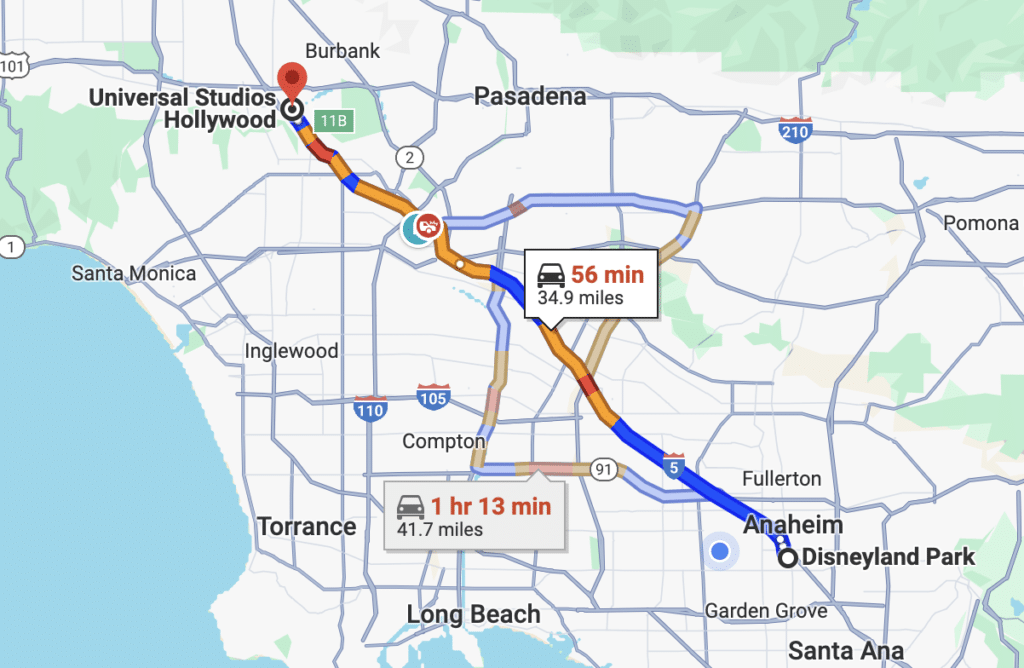
The burning question for anyone planning such an epic dual-park itinerary is naturally: “How far apart are they, and how complicated is the journey?” While both are prominent fixtures of the California tourism landscape, they are not next-door neighbors. The approximate driving distance between Disneyland Resort in Anaheim and Universal Studios Hollywood is around 35 to 40 miles (56 to 64 kilometers). However, this seemingly straightforward number belies the dynamic nature of travel in the sprawling Los Angeles metropolitan area. Depending on the time of day, day of the week, and unforeseen traffic conditions, the actual travel time can range significantly, typically from 45 minutes to 1.5 hours, or even longer during peak rush hours.
Understanding this distance and the various transportation options available is paramount for crafting a seamless and enjoyable vacation. This comprehensive guide will delve into the intricacies of traveling between these two world-class attractions, offering insights into travel times, costs, accommodation strategies, and tips to maximize your multi-park adventure in Southern California. Whether you dream of strolling down Main Street, U.S.A., or exploring the Wizarding World of Harry Potter, meticulous planning will ensure your journey between these two fantastic destinations is as magical as the parks themselves.
The Proximity Paradox: Unpacking the Distance and Travel Time
The idea of visiting two major theme parks in a single trip is exciting, but the reality of their geographic separation, coupled with Southern California’s notorious traffic, requires careful consideration. It’s not just about the mileage; it’s about navigating one of the busiest urban landscapes in the United States.
Straight Line vs. Road Distance: What to Expect
When looking at a map, Disneyland Resort in Anaheim (located in Orange County) and Universal Studios Hollywood (located in the San Fernando Valley section of Los Angeles) appear to be relatively close. However, the travel isn’t a straight shot. The actual road distance, predominantly via major freeways like the I-5 North and connecting routes, is typically between 35 and 40 miles. This distance, while manageable, is subject to the ebb and flow of daily commuter traffic that defines the region.
For instance, driving from the heart of Anaheim (near the Disneyland gates) to the entrance of Universal Studios Hollywood can take anywhere from 45 minutes to well over an hour and a half. On a clear, early morning or late evening without heavy traffic, you might shave that down to 45-50 minutes. Conversely, attempting the journey during the weekday morning rush (7 AM – 10 AM) or evening commute (3 PM – 7 PM) can easily push travel times past the 90-minute mark, sometimes even reaching two hours or more if there are accidents or significant congestion on the main arteries like the I-5 or US-101. Weekends can also present challenges, particularly around midday, as locals and tourists alike hit the roads for various activities.
Factors Influencing Travel Time: Traffic, Time, and Terrain
Several critical factors contribute to the variability of travel time between Disneyland and Universal Studios Hollywood:
- Time of Day and Week: This is arguably the most significant factor. Weekday rush hours are notorious. Traveling mid-day on a weekday (10 AM – 2 PM) or very early in the morning can offer the quickest routes. Weekends, especially holiday weekends, can have unpredictable traffic patterns throughout the day.
- Major Events and Holidays: Southern California is a hub for events, concerts, and conventions. Check local calendars for major occurrences in Anaheim, Los Angeles, or nearby areas that could impact traffic flow. Holiday periods like Christmas, Easter, and summer months will inevitably lead to increased road congestion.
- Road Construction and Accidents: Construction projects are a constant in a developing metropolis, and unexpected accidents can snarl traffic for hours. Relying on real-time navigation apps (like Google Maps, Waze, or Apple Maps) is crucial for staying informed and finding alternative routes.
- Route Choice: While the I-5 is the most direct freeway, alternative routes, sometimes involving surface streets or other freeways like the I-405 or US-101 through various parts of Los Angeles, might be recommended by navigation apps depending on real-time conditions. These alternatives might add mileage but could save time if the primary route is heavily congested.
Understanding these dynamics is key to setting realistic expectations and choosing the most efficient transportation method for your schedule and budget.
Navigating Between Magic: Transportation Options and Strategies
With the distance and traffic considerations in mind, selecting the right mode of transportation is crucial. There are several ways to travel between Disneyland and Universal Studios Hollywood, each with its own advantages and disadvantages in terms of cost, convenience, and time.
Self-Driving: Flexibility and Considerations
Renting a car offers the ultimate flexibility, allowing you to travel on your own schedule and explore other Southern California attractions beyond the theme parks. Many visitors flying into Los Angeles International Airport (LAX) or John Wayne Airport (SNA) choose to rent a car for their entire trip.
- Pros: Unmatched freedom, ability to make spontaneous stops, comfortable for families with luggage or strollers.
- Cons: Cost of rental car, fuel, and especially parking fees. Parking at both Disneyland and Universal Studios Hollywood can be expensive, often ranging from $30-$40 per day at each park. You’ll also contend with traffic and the stress of navigating unfamiliar roads.
- Tip: Utilize GPS navigation apps (Google Maps, Waze) for real-time traffic updates. Consider reserving parking in advance if available, especially at Universal Studios Hollywood.
Ride-Sharing Services: Convenience at Your Fingertips
Services like Uber and Lyft provide a convenient, on-demand solution without the hassle of driving or parking. They are particularly popular for travelers who don’t want to rent a car but prefer direct transportation.
- Pros: Door-to-door service, no parking worries, comfortable private ride.
- Cons: Cost can fluctuate significantly due to surge pricing during peak hours, special events, or bad weather. A one-way ride between the parks could range from $50 to $90 or more, not including tip. While convenient, you’re still subject to traffic delays.
- Tip: Check both Uber and Lyft apps for price comparisons before booking. Schedule your ride in advance if possible to lock in a rate and ensure availability, especially for early mornings or late nights. Understand the designated pick-up and drop-off zones at both parks.
Shuttles and Tours: Hassle-Free Travel
Several private shuttle companies and tour operators specialize in transporting visitors between Anaheim and the Universal Studios Hollywood area. These services often operate on fixed schedules or offer private transfers. Companies like Karmel Shuttle and Starline Tours are well-known in the region.
- Pros: Pre-booked convenience, often cheaper than ride-sharing for round trips, ideal for those who prefer not to drive. Some tour packages might include park admission.
- Cons: Less flexible than self-driving or ride-shares, as you’re tied to a schedule. Group shuttles may make multiple stops, increasing travel time.
- Tip: Research reputable companies, read reviews, and book well in advance. Confirm pick-up/drop-off locations and times carefully. Compare prices for one-way versus round-trip services.
Public Transportation: Budget-Friendly, Time-Consuming

While not the most direct or fastest option, public transportation is the most economical way to travel between the parks for budget-conscious travelers. This typically involves a combination of bus and train services.
- Pros: Significantly cheaper than other options (a few dollars per ride).
- Cons: Very time-consuming (often 2-3 hours or more one-way with transfers), requires multiple transfers, can be confusing for first-time visitors, and less comfortable, especially with luggage.
- Route Example: From Anaheim (near Disneyland), you would typically take a bus or shuttle (like the ART – Anaheim Resort Transportation) to the ARTIC (Anaheim Regional Transportation Intermodal Center). From ARTIC, you’d catch a Metrolink train towards Los Angeles’ Union Station. From Union Station, you would then transfer to the Metro Red Line (part of Metro Rail) towards North Hollywood, getting off at the Universal City/Studio City Station. A free tram then takes you from the station up to Universal Studios Hollywood.
- Tip: Plan your route meticulously using transit apps (Google Maps, Moovit) which provide real-time schedules and connections. Be prepared for walking and potential delays. This option is best for solo travelers or small groups who are comfortable with urban public transit and have ample time.
Strategic Stays: Optimizing Your Accommodation for a Dual Park Visit
Where you choose to lay your head can significantly impact the ease and enjoyment of your trip, especially when juggling two major theme parks. Strategic accommodation planning is not just about finding a comfortable bed; it’s about minimizing commute times, maximizing park access, and fitting your overall travel style and budget.
Staying Near Disneyland: The Anaheim Advantage
For many visitors, especially families, staying in Anaheim near Disneyland Resort is the most logical choice. Anaheim offers a vast array of hotels, from luxurious on-property resorts to budget-friendly motels, all within close proximity to Disneyland Park and Disney California Adventure Park.
- Benefits:
- Proximity to Disney: Many hotels are within walking distance or a short shuttle ride to the park gates, allowing for early entry, mid-day breaks for naps or swims, and easy late-night returns.
- Disney Immersion: Staying at one of the official Disneyland Resort hotels (like the iconic Disneyland Hotel, the grand Disney’s Grand Californian Hotel & Spa, or the recently re-themed Pixar Place Hotel) offers exclusive perks like early park entry, themed dining, and direct access to the parks.
- Variety: Beyond Disney’s properties, Anaheim boasts numerous Good Neighbor hotels that cater to various budgets, many offering shuttle services.
- Considerations: While ideal for Disneyland, you will have the daily commute to Universal Studios Hollywood to contend with. However, this is often preferred as most multi-day trips allocate more time to Disneyland Resort.
Staying Near Universal Studios: Hollywood Hills and Valley Views
Opting for accommodation near Universal Studios Hollywood places you closer to the vibrant energy of Los Angeles and the allure of Hollywood. This is a great choice if your trip focuses heavily on Universal Studios, the Hollywood area, and other Los Angeles landmarks.
- Benefits:
- Proximity to Universal: Hotels like Hilton Universal City and Sheraton Universal Hotel are often within walking distance or a very short shuttle ride to the park gates and Universal CityWalk.
- Los Angeles Exploration: Staying in this area provides easier access to other famous Los Angeles attractions, such as the Hollywood Walk of Fame, the Griffith Observatory, the Getty Center, Runyon Canyon for hiking, and the bustling scenes of West Hollywood.
- Urban Experience: You’ll be immersed in the dynamic atmosphere of Los Angeles with diverse dining, entertainment, and cultural experiences right outside your door.
- Considerations: Similar to staying in Anaheim, you’ll face a longer commute on the day you visit Disneyland. Hotels in the immediate Universal City area can also be pricier than some of the more budget-friendly options further from Disneyland in Anaheim.
Mid-Point Accommodation: A Compromise?
Some travelers consider staying at a mid-point location between Anaheim and Universal Studios Hollywood to minimize daily travel. Areas like Downtown LA or even Buena Park (which hosts Knott’s Berry Farm) might offer different price points or amenities.
- Pros: Potentially lower hotel costs compared to staying directly next to the parks, and you might get a feel for a different part of the city.
- Cons: You’ll still be commuting to both parks daily, perhaps splitting the difference in travel time but not eliminating it. This option might not offer the same level of convenience or theme park immersion as staying directly adjacent to either park.
- Tip: This strategy is usually only recommended if you have a specific reason to stay in a central Los Angeles location (e.g., attending a conference, visiting other specific Downtown LA attractions) or if you find an exceptional deal on accommodation that outweighs the daily commute. For most theme park-focused trips, staying near one park and making a single long commute to the other is more efficient.
Ultimately, your accommodation choice should align with your itinerary, budget, and preference for minimizing daily travel versus experiencing a broader range of Southern California sights.
Crafting Your California Adventure: Itineraries and Maximizing Your Trip
Visiting both Disneyland and Universal Studios Hollywood is a fantastic way to experience the best of Southern California’s theme park scene. With careful planning, you can create an unforgettable itinerary that balances magic, thrills, and exploration.
The Multi-Day Marvel: Two Parks, One Trip
To truly enjoy both destinations without feeling rushed, allocate sufficient time. A realistic itinerary for a dual-park visit typically spans 4 to 6 days.
- Suggested Itinerary Breakdown:
- Day 1-3: Disneyland Resort Immersion. Dedicate two to three full days to Disneyland Resort. This allows for a full day at Disneyland Park and another at Disney California Adventure Park, plus a potential return to your favorite park or time for exploring Downtown Disney District. Consider a Park Hopper ticket if you want the flexibility to move between Disneyland Park and Disney California Adventure Park on the same day.
- Travel Day/Buffer Day: This is the day you travel between Anaheim and Universal Studios Hollywood or use it to explore another attraction. If you choose to switch hotels, this day will involve check-out, travel, and check-in. If you keep one hotel base, it’s simply a travel day to and from Universal Studios.
- Day 4-5: Universal Studios Hollywood & Hollywood Exploration. Dedicate one to two full days to Universal Studios Hollywood. One full day is usually sufficient to experience the park’s major attractions, including the Studio Tour and the Wizarding World of Harry Potter. A second day allows for a more relaxed pace, re-riding favorites, and exploring Universal CityWalk, or venturing into nearby Hollywood for sights like the TCL Chinese Theatre, the Hollywood Walk of Fame, and the Hollywood Sign views from Griffith Observatory.
- When to Travel: Plan your transfer between parks on a weekday mid-morning (after 9:30 AM) or early afternoon (before 3 PM) to avoid the worst of Los Angeles rush hour traffic. Alternatively, dedicate a full “travel day” if changing accommodations, which can be less stressful.
Beyond the Theme Parks: Exploring Southern California
Don’t let the allure of the theme parks overshadow the many other incredible experiences Southern California has to offer. Integrating other attractions into your itinerary can enrich your trip and provide a welcome change of pace.
- Coastal Charms: Take a scenic drive to the beaches. Explore the lively Santa Monica Pier, stroll along Venice Beach with its quirky boardwalk, or relax on the shores of Malibu.
- Culture and Arts: Immerse yourself in Los Angeles’s diverse cultural scene. Visit the renowned Getty Center for art and stunning views, explore the exhibits at the Los Angeles County Museum of Art (LACMA), or delve into history at the Natural History Museum of Los Angeles County.
- More Theme Park Thrills: For the ultimate thrill-seekers, consider adding a day at Knott’s Berry Farm (a short drive from Disneyland in Buena Park) or even Six Flags Magic Mountain further north in Valencia for some of the world’s most intense roller coasters.
- Shopping and Dining: Experience world-class shopping on Rodeo Drive in Beverly Hills, or enjoy diverse culinary delights from gourmet restaurants to vibrant food trucks across Los Angeles and Orange County.

Essential Tips for Seamless Travel
To ensure your journey between Disneyland and Universal Studios Hollywood is as smooth as possible, keep these tips in mind:
- Book in Advance: Purchase your park tickets, reserve accommodation, and book any shuttle services well ahead of your trip, especially if traveling during peak season. Park reservations are often required for Disneyland.
- Check Park Hours and Event Schedules: Both parks have varying hours and special events throughout the year. Knowing these will help you plan your days effectively.
- Utilize Technology: Download the official Disneyland and Universal Studios Hollywood apps for wait times, park maps, mobile ordering, and show schedules. Use real-time traffic apps (Google Maps, Waze) for transportation.
- Pack Smart: Bring comfortable walking shoes, layers of clothing (evenings can be cool), sunscreen, hats, and portable phone chargers.
- Hydrate and Snack: Stay hydrated, especially on warm days. Bring snacks into the parks to save money and avoid long lines.
- Stay Flexible: Despite meticulous planning, unexpected things happen. Build some flexibility into your itinerary to adapt to changes or simply to enjoy an extra hour at a favorite attraction.
In conclusion, the distance between Disneyland and Universal Studios Hollywood is a manageable journey that adds another layer of adventure to your Southern California vacation. By understanding the travel logistics, choosing the right transportation, and strategically planning your accommodation and itinerary, you can seamlessly transition from the enchantment of one park to the cinematic thrills of the other. The magic and excitement of both await, promising a truly unforgettable experience for every traveler.
LifeOutOfTheBox is a participant in the Amazon Services LLC Associates Program, an affiliate advertising program designed to provide a means for sites to earn advertising fees by advertising and linking to Amazon.com. Amazon, the Amazon logo, AmazonSupply, and the AmazonSupply logo are trademarks of Amazon.com, Inc. or its affiliates. As an Amazon Associate we earn affiliate commissions from qualifying purchases.