
The question of how far Oakland, California, is from San Francisco, California, is more than a simple query about mileage. It’s an inquiry into the heart of the Bay Area’s connectivity, offering a window into the diverse travel experiences, accommodation options, and unique lifestyles that define this vibrant region. While geographically close, these two iconic cities, separated by the shimmering expanse of San Francisco Bay, boast distinct personalities and a plethora of ways to traverse the distance between them. For travelers looking to explore both the bustling metropolis of San Francisco and the vibrant, culturally rich city of Oakland, understanding this proximity and the various transportation modes is key to a fulfilling Bay Area adventure. This article delves into the exact distances, travel times, and the many facets of moving between these two incredible destinations, providing insights for every type of traveler, from luxury seekers to budget-conscious explorers, and from family vacationers to business professionals.
The Geographic Proximity: Bridging the Bay
At first glance, Oakland and San Francisco appear almost to touch across the bay, their skylines visible to each other on clear days. This visual proximity, however, belies the nuances of actual travel distance and time. Understanding the geographic relationship is the first step in planning any journey within the Bay Area.
The Straight-Line Distance
As the crow flies, the distance between the downtown areas of Oakland and San Francisco is remarkably short. Typically, this direct, straight-line measurement is about 8 to 10 miles (approximately 13 to 16 kilometers). This figure represents the shortest possible path, unhindered by land, water, or traffic, and is a testament to how closely situated these two major urban centers truly are. For aerial views or specific mapping purposes, this is the most accurate depiction of their immediate separation. However, for practical travel, navigating the urban landscape and the bay itself introduces various factors that extend this seemingly short distance.
Understanding the Bay Area Landscape
The San Francisco Bay is not merely a body of water; it’s a geographical feature that profoundly influences travel and connectivity throughout the region. San Francisco sits on a peninsula, while Oakland is part of the East Bay mainland. The primary arterial connecting them is the iconic San Francisco-Oakland Bay Bridge, a marvel of engineering that spans the bay, carrying millions of commuters and travelers each year.
The geography also means that travel isn’t just about moving from point A to point B; it’s about experiencing the unique vistas and engineering feats that define the Bay Area. Whether glimpsing the majestic Golden Gate Bridge in the distance from Oakland or looking back at the East Bay hills from San Francisco, the journey itself is often part of the destination’s appeal. The presence of smaller islands like Treasure Island mid-bay further punctuates the landscape, adding to the visual interest and sometimes serving as brief transit points. This geographical intimacy fosters a unique cultural exchange and economic interdependence, making both cities essential components of the broader Bay Area experience.
Navigating the Waters: Transportation Options Between Cities
The beauty of the Bay Area lies not just in its stunning scenery, but also in the diverse and efficient transportation networks connecting its various parts. For travelers moving between Oakland and San Francisco, a range of options caters to different preferences, budgets, and schedules, making inter-city exploration a seamless part of any travel itinerary.
Driving Across the Bay Bridge
Driving is one of the most common ways to travel between Oakland and San Francisco. The most direct route involves crossing the San Francisco-Oakland Bay Bridge. The driving distance via the bridge is typically around 12 to 15 miles (approximately 19 to 24 kilometers), depending on your specific starting and ending points within each city.
Travel Time: Without traffic, the drive can take as little as 15 to 25 minutes. However, the Bay Bridge is infamous for its congestion, particularly during peak commute hours (roughly 6 AM to 10 AM and 3 PM to 7 PM on weekdays). During these times, the journey can easily extend to 45 minutes to an hour or even longer. Travelers should always check real-time traffic updates before departing.
Considerations:
- Tolls: There is a toll for westbound travel (towards San Francisco) on the Bay Bridge. Eastbound travel is free. Tolls can vary based on the time of day and day of the week, so it’s wise to check current rates. Most tolls are collected electronically via FasTrak, though options for one-time payments exist.
- Parking: Parking in San Francisco, especially downtown and near popular attractions like Fisherman’s Wharf, can be expensive and challenging to find. Oakland generally offers more accessible and affordable parking options.
- Car Rentals: For those flying into either San Francisco International Airport (SFO) or Oakland International Airport (OAK), numerous car rental companies are available. While a car offers flexibility, the costs of tolls, parking, and potential traffic should be factored into the overall travel budget.
Public Transit: BART and Ferries
The Bay Area boasts an extensive public transportation system, making car-free travel not only feasible but often preferable.
BART (Bay Area Rapid Transit)
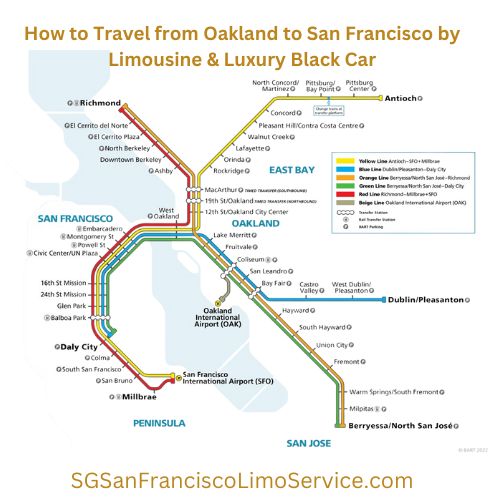
BART is the most efficient and popular public transit option between Oakland and San Francisco. The rapid rail system runs underneath the bay through the Transbay Tube, connecting downtown Oakland stations (like 12th Street/Oakland City Center or Lake Merritt) directly to San Francisco stations (such as Embarcadero, Montgomery Street, Powell Street, or Civic Center).
- Travel Time: A BART ride from downtown Oakland to downtown San Francisco typically takes about 10-15 minutes, not including the time to get to and from the stations. This makes it significantly faster than driving during rush hour.
- Cost: Fares are based on distance and can be paid using a Clipper card (a reloadable transit card) or a single-use paper ticket. It’s an economical choice for individual and family travel.
- Frequency: BART trains run frequently throughout the day, though service is reduced on weekends and late evenings. It also provides direct connections to both SFO and OAK.
Ferry Services
For a more scenic and relaxed journey, ferry services operated by WETA (Water Emergency Transportation Authority) offer routes from Oakland’s Jack London Square and Alameda to San Francisco’s Ferry Building and Pier 41.
- Travel Time: Ferry rides usually take about 20-30 minutes, offering breathtaking views of the Bay Bridge, Alcatraz Island, and the San Francisco skyline.
- Cost: Fares are comparable to BART and can also be paid with a Clipper card.
- Experience: This option is highly recommended for tourists seeking a unique and enjoyable travel experience, especially during good weather. It’s a fantastic way to combine transportation with sightseeing.
Alternative Ways to Travel
Beyond the main methods, several other options cater to niche travel styles.
- Ride-Sharing Services: Uber and Lyft are readily available in both cities, offering a convenient door-to-door service. While often more expensive than public transit, especially with surge pricing, they provide flexibility, particularly for groups or those with luggage. Travel times mirror driving times over the Bay Bridge.
- Bus Services: AC Transit operates bus lines that cross the Bay Bridge, offering a more budget-friendly alternative to ride-shares, though often slower than BART due to traffic.
- Amtrak: While not the most direct route between the two cities themselves, Amtrak has a station in Oakland (Jack London Square) and connects to cities further afield. For local travel, it’s generally less practical than BART or ferry.
- Bicycling: For the adventurous and fit, cycling across the Bay Bridge is an option, specifically on the dedicated pedestrian and bike path on the eastern span, which connects Oakland to Yerba Buena Island and Treasure Island. A shuttle service usually bridges the gap to San Francisco’s western side for the full experience. This is less about speed and more about the experience and scenic views, aligning with a lifestyle of active travel and unique experiences.

Choosing the right mode of transportation depends heavily on your priorities: speed, cost, convenience, and the desire for a scenic experience. Each option offers a distinct way to bridge the waters between Oakland and San Francisco, enhancing your overall Bay Area journey.
Dual Destinations: Exploring San Francisco and Oakland
The proximity of Oakland and San Francisco creates a unique opportunity for travelers to experience two distinct urban cultures within a single trip. Both cities are rich in attractions, history, and culinary delights, catering to a wide array of interests and lifestyles. For those planning a Bay Area adventure, considering both as dual destinations significantly enhances the travel experience, offering a comprehensive look at the region’s diverse offerings.
Iconic San Francisco Attractions
San Francisco, with its steep hills, iconic landmarks, and vibrant neighborhoods, remains a perennial favorite on global travel lists. Its tourism draws are world-renowned, blending history, natural beauty, and modern innovation.
- Golden Gate Bridge: No visit to San Francisco is complete without seeing, walking, or biking across this engineering marvel. The views of the Pacific Ocean, San Francisco Bay, and the city skyline are breathtaking.
- Alcatraz Island: A short ferry ride takes visitors to this infamous former prison, offering a chilling glimpse into its past and stunning panoramic views of the city. Booking tickets well in advance is essential due to high demand.
- Fisherman’s Wharf & Pier 39: Bustling with activity, these areas offer fresh seafood, street performers, souvenir shops, and the famous sea lions of Pier 39.
- Golden Gate Park: Larger than New York City’s Central Park, this urban oasis houses the California Academy of Sciences, the de Young Museum, a Japanese Tea Garden, and much more.
- Chinatown: The oldest Chinatown in North America, it’s a vibrant district filled with authentic restaurants, unique shops, and cultural landmarks.
- Cable Cars: A ride on one of San Francisco’s historic cable cars is a quintessential experience, offering a charming way to navigate the city’s steep streets and soak in its atmosphere.
- Other Landmarks: Don’t miss the art deco architecture of Coit Tower for 360-degree views, the striking Transamerica Pyramid, or the cultural institutions like the Exploratorium on the Embarcadero and the Legion of Honor. The historic Presidio and Fort Mason offer beautiful parkland and cultural events.
Oakland’s Vibrant Culture and Hidden Gems
Often overshadowed by its famous neighbor, Oakland is a destination in its own right, boasting a rich history, diverse cultural scene, thriving culinary landscape, and a more laid-back, authentic California vibe. Its appeal often lies in its local culture and less-trafficked, yet equally rewarding, experiences.
- Lake Merritt: The crown jewel of Oakland, this tidal lagoon is surrounded by a beautiful park, perfect for walking, jogging, boating, or simply enjoying the scenery. It’s home to the oldest wildlife refuge in North America.
- Jack London Square: A historic waterfront area named after the famous author, it features restaurants, shops, hotels, and a bustling ferry terminal. It’s a fantastic spot for dining with bay views and catching live music.
- Uptown Arts District: This revitalized neighborhood is a hub for arts and entertainment, featuring historic theaters like the Fox Theater and Paramount Theatre, art galleries, and acclaimed restaurants. It’s perfect for nightlife and experiencing Oakland’s burgeoning food scene.
- Oakland Museum of California: This museum offers a comprehensive look at California’s art, history, and natural science, with engaging exhibits for all ages.
- Oakland Zoo: A family-friendly attraction with a focus on animal welfare and conservation, featuring a gondola ride to the California Trail exhibit with stunning views.
- Redwood Regional Park: Just a short drive from downtown, this park offers towering redwood trees, miles of hiking trails, and a serene escape into nature – a testament to Oakland’s proximity to diverse natural landscapes.
- Chabot Space & Science Center: Offering planetarium shows, observatory viewing, and interactive exhibits, it’s an excellent spot for science enthusiasts and families.
- USS Hornet Museum: Located in Alameda, a short hop from Oakland, this historic aircraft carrier museum provides an immersive look at naval aviation and space recovery.
Strategic Accommodation for a Bay Area Adventure
When planning a trip to the Bay Area, choosing your accommodation strategically can greatly impact your experience and budget. Both San Francisco and Oakland offer a range of hotels, suites, resorts, apartments, and villas to suit various lifestyles and preferences.
- San Francisco Accommodation: Often more expensive, especially for luxury travel, San Francisco hotels offer unparalleled access to iconic landmarks and a bustling city atmosphere. Areas like Union Square, Fisherman’s Wharf, and the Financial District are popular. For budget travelers, hostels or boutique hotels in less central neighborhoods can offer value.
- Oakland Accommodation: Generally, Oakland provides more affordable accommodation options without sacrificing quality or convenience. Staying in Oakland, particularly near a BART station or Jack London Square, allows for easy and quick access to San Francisco while enjoying Oakland’s vibrant local scene and often larger, more amenity-rich rooms or suites. This can be a smart choice for family trips or extended stays, balancing cost with convenience.
- Hybrid Stays: A sophisticated travel strategy might involve splitting your accommodation: a few nights in a premium San Francisco hotel to soak in the classic tourist experience, followed by a longer, more relaxed stay in an Oakland apartment or boutique hotel to explore the East Bay and experience local life.
By embracing both cities, travelers can curate a comprehensive Bay Area experience that combines the iconic with the authentic, the metropolitan with the local, ensuring a memorable and diverse journey.
Planning Your Bay Area Experience: Tips for Travelers
Making the most of your journey between Oakland and San Francisco requires a bit of foresight and strategic planning. Whether you’re traveling for leisure, business, or a mix of both, a well-thought-out itinerary can enhance your experience, streamline your movements, and help manage your budget effectively. Here are some essential tips for a seamless Bay Area adventure.
Maximizing Your Stay: Lifestyle Considerations
The Bay Area offers a spectrum of experiences, from luxury travel to budget-conscious exploration. Tailoring your trip to your preferred lifestyle is crucial.
- Luxury Travel: If luxury is your priority, consider high-end hotels in San Francisco or exclusive resorts in Marin County with private transport options. Indulge in fine dining in both cities, private tours of landmarks, and exclusive experiences like sunset cruises on the bay. For business stays, selecting hotels with top-tier amenities and easy access to financial districts in both cities is paramount.
- Budget Travel: For those on a tighter budget, Oakland often provides more affordable accommodation options without sacrificing quality. Utilize public transportation like BART and ferries, seek out free attractions (e.g., walking the Golden Gate Bridge, exploring Golden Gate Park, enjoying Lake Merritt), and explore Oakland’s diverse and more wallet-friendly culinary scene. Many local tourism offices offer guides to free and low-cost activities.
- Family Trips: The proximity of Oakland and San Francisco makes for an excellent family vacation. Both cities offer kid-friendly attractions such as the California Academy of Sciences, Exploratorium, Oakland Zoo, and the Chabot Space & Science Center. Consider booking apartments or suites for more space and kitchen facilities, particularly in Oakland for better value. The ferry ride can be an adventure in itself for children.
- Local Culture and Food: Immerse yourself in the local culture by exploring neighborhoods beyond the main tourist traps. In San Francisco, visit North Beach for Italian heritage, or the Mission District for its vibrant murals and Latin American flavors. In Oakland, the Grand Lake Theater area and Uptown Arts District offer fantastic dining and entertainment. Don’t shy away from farmers’ markets and food trucks for authentic tastes.
Budgeting for Your Journey
Being mindful of costs can significantly impact your overall travel experience.
- Transportation Costs: If driving, factor in bridge tolls (westbound on the Bay Bridge), parking fees, and fuel. Public transit, particularly BART and ferries, offers a cost-effective alternative. Consider purchasing a Clipper Card for seamless travel across multiple transit agencies, which often provides discounts compared to single-use tickets.
- Accommodation Costs: As mentioned, Oakland typically offers more competitive pricing for hotels and vacation rentals. Booking in advance, especially during peak season or major events, can also secure better rates. Compare various accommodation types – from hotels and suites to apartments and villas – based on your needs and budget.
- Food and Activities: While both cities have world-class dining, they also offer plenty of affordable eateries. Look for happy hour specials, consider picnics from local markets, and take advantage of free walking tours or self-guided explorations of parks and landmarks. Many museums offer specific free days or discounted entry hours.
Seamless Transitions and Local Insights
- Weather Awareness: San Francisco is famous for its microclimates and often foggy, cooler weather, especially during summer months. Oakland, being further inland, typically enjoys warmer, sunnier days. Pack layers to be prepared for varying conditions across the bay.
- Connectivity: Both San Francisco International Airport (SFO) and Oakland International Airport (OAK) serve the Bay Area with excellent public transit connections. SFO offers direct BART access to downtown San Francisco and Oakland, while OAK has an AirBART connector to the Coliseum BART station, providing easy access to both cities.
- Utilize Apps and Maps: Navigation apps are invaluable for real-time traffic updates, public transit schedules, and walking directions. Apps like Google Maps or Citymapper can help you navigate the complex transit system with ease.
- Embrace the Pace: While San Francisco can feel fast-paced, Oakland often offers a more relaxed atmosphere. Allow yourself to slow down and enjoy the unique rhythm of each city. Take time to interact with locals, who can offer invaluable tips on hidden gems and authentic experiences.
In conclusion, the distance between Oakland and San Francisco is minimal, but the journey between them is rich with options and opportunities. By understanding the logistics, exploring the diverse attractions, and planning strategically, travelers can unlock an extraordinary Bay Area experience that seamlessly blends two distinct and captivating California cities. Whether for a quick business trip or an extended family vacation, the bridge between Oakland and San Francisco offers not just passage, but a gateway to discovery.
LifeOutOfTheBox is a participant in the Amazon Services LLC Associates Program, an affiliate advertising program designed to provide a means for sites to earn advertising fees by advertising and linking to Amazon.com. Amazon, the Amazon logo, AmazonSupply, and the AmazonSupply logo are trademarks of Amazon.com, Inc. or its affiliates. As an Amazon Associate we earn affiliate commissions from qualifying purchases.