
Southern California is a captivating region, a mosaic of sprawling urban landscapes, sun-kissed beaches, and world-renowned attractions. At its heart lie two of the most iconic and frequently visited areas in the United States: Los Angeles and Orange County. For first-time visitors and seasoned travelers alike, understanding the geographical relationship between these two hubs is paramount to planning an efficient, enjoyable, and unforgettable trip. It’s not just about the miles; it’s about navigating the vibrant culture, diverse attractions, and unique lifestyles that each region offers. This guide delves into the proximity of Orange County to Los Angeles, exploring transportation options, must-see destinations, and accommodation strategies to help you craft the perfect Southern California adventure.
The Proximity and Practicalities: Understanding the Distance
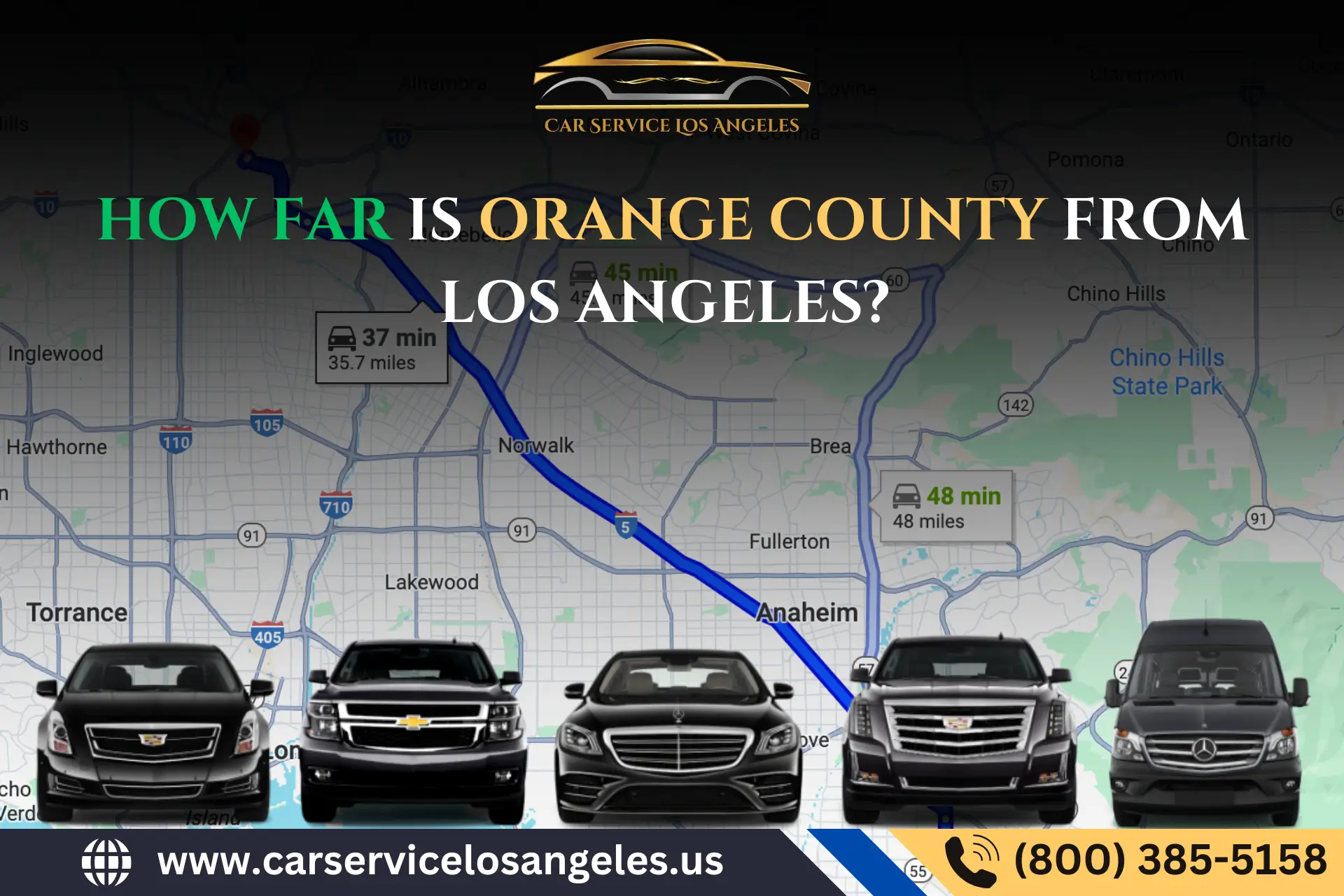
The question “How far is Orange County from Los Angeles?” is more nuanced than a simple mileage count. While geographically distinct, these two counties share a contiguous border, making travel between them a common endeavor for tourists and locals alike.
Geographical Overview: Orange County and Los Angeles County
Los Angeles County is vast, covering over 4,000 square miles, encompassing the mega-city of Los Angeles itself, along with numerous other cities, mountain ranges, and stretches of coastline. To its immediate southeast lies Orange County, a smaller but densely populated area known for its distinct suburban charm, pristine beaches, and world-famous theme parks.
The distance between central points in these two regions can vary significantly. For instance, the heart of Downtown Los Angeles might be around 30 to 40 miles from a central Orange County city like Anaheim (home to Disneyland Resort) or Santa Ana (the county seat). Coastal Orange County cities such as Newport Beach or Laguna Beach could be slightly further, perhaps 45 to 60 miles from Hollywood or Santa Monica.
Calculating the Travel Time: Factors to Consider
While the mileage provides a baseline, actual travel time is heavily influenced by Southern California’s notorious traffic and your chosen mode of transportation.
- Traffic: This is arguably the most significant factor. Peak rush hours (typically 6:00 AM – 10:00 AM and 3:00 PM – 7:00 PM on weekdays) can easily double or triple travel times. A 35-mile journey that might take 45 minutes in light traffic could stretch to 1.5 to 2 hours during gridlock. Weekends can also see significant congestion, especially around popular attractions or coastal routes. Planning your travel outside these windows is highly recommended for a smoother experience.
- Mode of Transport: As detailed below, whether you’re driving, taking a train, or using ride-sharing services will impact your journey duration and comfort.
- Specific Destination Points: Travelling from, say, Long Beach (which straddles the LA County and Orange County border) to Anaheim is a much shorter trip than going from Malibu to San Clemente. Always pinpoint your exact start and end locations when estimating travel time.
For practical purposes, most travelers should budget between 1 to 2 hours for inter-county travel by car, depending on traffic and specific destinations.
Navigating the Southern California Landscape: Transportation Options
Connecting Orange County and Los Angeles is achievable through several transportation methods, each offering distinct advantages.
Driving: The Most Flexible Choice
Driving is, for many, the quintessential Southern California experience, offering unparalleled flexibility to explore at your own pace.
- Freeways: The backbone of travel here are the extensive freeway networks. Key arteries connecting Los Angeles and Orange County include the I-5 (Santa Ana Freeway), the I-405 (San Diego Freeway), and the CA-91 (Riverside Freeway). While convenient, these are also the primary sources of traffic congestion.
- Car Rentals: Numerous car rental agencies operate at Los Angeles International Airport (LAX), John Wayne Airport (SNA) in Orange County, and various city locations. Booking in advance is advisable, especially during peak travel seasons.
- Scenic Routes: For those not in a hurry, consider parts of the Pacific Coast Highway (PCH), particularly along the Orange County coastline. While slower, it offers breathtaking ocean views, charming beach towns, and a more relaxed pace.
Tip: Utilize navigation apps (like Google Maps or Waze) religiously. They provide real-time traffic updates and often suggest alternative routes to save time. Parking can be expensive and challenging in popular areas, so factor this into your budget and planning.
Public Transportation: Trains and Buses
While less comprehensive than in some other major global cities, Southern California’s public transport offers a viable alternative to driving, especially for specific routes.
- Metrolink: This commuter rail system connects major cities within Los Angeles, Orange County, and surrounding counties. The Orange County Line and 91/Perris Valley Line are particularly useful for inter-county travel. It’s a great option for avoiding traffic, especially during peak hours. Stations are typically near major attractions or provide connections to local bus services.
- Amtrak: Amtrak’s Pacific Surfliner route runs along the coast, connecting cities like San Diego through Orange County (e.g., Fullerton, Anaheim, Irvine, San Clemente) to Los Angeles’s historic Union Station. It offers a comfortable ride with scenic views, perfect for a relaxed journey.
- Metro Rail and Local Buses: Within Los Angeles County, the Metro Rail (subway and light rail) and extensive bus networks can get you around urban areas. In Orange County, the Orange County Transportation Authority (OCTA) operates bus services. While connecting these systems directly for an inter-county trip can be time-consuming, they are excellent for local exploration once you arrive at a major public transport hub.
Ride-Sharing and Taxis: Convenience at Your Fingertips
Services like Uber and Lyft are widely available throughout both Los Angeles and Orange County. They offer door-to-door convenience, especially if you’re traveling with luggage or don’t want to worry about parking. Fares can vary significantly based on demand, distance, and time of day, so check estimates before you book. Traditional taxis are also an option, though typically pricier than ride-sharing for longer distances.
Dual Destinations: Why Visit Both Orange County and Los Angeles?
The beauty of their proximity is the opportunity to experience two distinct, yet complementary, sides of California in a single trip. Combining Los Angeles and Orange County allows for an itinerary rich in variety, blending metropolitan sophistication with laid-back coastal charm.
Unpacking Los Angeles: Iconic Landmarks and Urban Adventures
Los Angeles is a global metropolis, a sprawling hub of entertainment, culture, and innovation. Visitors flock here for its legendary attractions and vibrant city life.
- Hollywood Glamour: Walk the Hollywood Walk of Fame, gaze up at the iconic Hollywood Sign, and explore movie magic at Universal Studios Hollywood.
- Cultural Institutions: Immerse yourself in art at The Getty Center or the Los Angeles County Museum of Art (LACMA). Discover the wonders of the universe at the Griffith Observatory, which also offers panoramic city views.
- Coastal Vibes: Head west to Santa Monica for the bustling Santa Monica Pier and its adjacent beaches, or explore the eclectic Venice Beach Boardwalk. Further north, Malibu offers pristine beaches and celebrity homes.
- Urban Exploration: Wander through the revitalized Downtown Los Angeles with its impressive architecture, museums, and food scene. Experience luxury shopping on Rodeo Drive in Beverly Hills or enjoy the nightlife of West Hollywood.

Exploring Orange County: Coastal Charms and Family Fun
Orange County offers a slightly different pace, celebrated for its family-friendly attractions, stunning coastline, and upscale suburban communities.
- Theme Park Paradise: The crown jewel is undoubtedly the Disneyland Resort in Anaheim, home to Disneyland Park and Disney California Adventure Park. A must-visit for families and Disney enthusiasts. Nearby, Knott’s Berry Farm offers thrill rides and Old West charm.
- Beautiful Beaches: Orange County’s coastline is legendary. Huntington Beach, known as “Surf City USA,” boasts a lively pier and surf culture. Newport Beach offers upscale dining, yachting, and Balboa Island. Laguna Beach is a haven for artists, with stunning coves, tide pools, and art galleries. San Clemente offers a more relaxed, Spanish-influenced coastal experience.
- Shopping and Lifestyle: Indulge in luxury retail therapy at South Coast Plaza, one of the nation’s premier shopping destinations. Experience the vibrant food scenes in Irvine or Costa Mesa.
- Island Getaway: From Orange County ports like Newport Beach or Dana Point, you can take a ferry via Catalina Express for a day trip to Catalina Island, a beautiful island escape in the Pacific Ocean.
Seamless Itineraries: Blending City and Coast
Many travelers choose to split their stay, perhaps spending a few days in Los Angeles to explore its urban attractions, then moving to Orange County for theme parks and beach relaxation. This strategy minimizes daily commute times and allows for deeper immersion in each area. For example, you could spend three days in Hollywood and Santa Monica, then transition south to Anaheim for Disneyland and a day at Huntington Beach.
Where to Stay: Accommodations for Every Traveler
The extensive range of accommodation options in both Orange County and Los Angeles caters to every preference, from luxury resorts to budget-friendly hotels and long-term stay apartments.
Los Angeles Accommodation: From Boutique to Grand Resorts
In Los Angeles, you’ll find a diverse array of lodging options.
- Luxury & Boutique: Areas like Beverly Hills, West Hollywood, and Santa Monica boast world-class hotels and boutique properties offering exceptional service and amenities, often with rooftop pools, fine dining, and stunning views.
- Mid-Range & Business: Downtown Los Angeles and areas near Hollywood Boulevard provide numerous options suitable for business travelers or those seeking a comfortable stay without the ultra-premium price tag.
- Budget-Friendly: While harder to find in prime tourist areas, more economical hotels and motels can be found further out or near major transport hubs. Consider hostels for solo budget travelers.
- Apartments & Villas: For longer stays or group travel, serviced apartments and private villas are popular choices, especially in areas like West Hollywood or Silver Lake, offering a more local living experience.
Orange County Accommodation: Beachfront Villas and Family-Friendly Suites
Orange County is particularly well-equipped for family vacations and luxury coastal escapes.
- Theme Park Hotels: Anaheim is home to numerous hotels directly adjacent to the Disneyland Resort, ranging from deluxe Disney-owned properties to budget-friendly motels, many offering family suites and shuttle services.
- Coastal Resorts: Laguna Beach, Newport Beach, and Dana Point are renowned for their luxurious beachfront resorts, complete with spas, golf courses, and ocean views. These are perfect for romantic getaways or high-end leisure.
- Extended Stay & Vacation Rentals: For longer visits to the beaches or if traveling with a larger group, vacation rentals (apartments, condos, or houses) are abundant, particularly in the coastal communities.
- Business Hotels: Cities like Irvine and Costa Mesa, major business hubs, offer a wide selection of modern hotels catering to corporate travelers.
Strategic Stays: Maximizing Your Southern California Experience
When deciding where to base yourself, consider your primary interests. If Disneyland is your main focus, staying in Anaheim makes sense. If urban exploration and nightlife are priorities, a Los Angeles base is ideal. For a mix, splitting your accommodation, or choosing a central location like Long Beach (which is roughly equidistant to many key attractions in both counties), can be effective. Always read reviews and compare options to find the best fit for your budget and travel style.
Embracing the Southern California Lifestyle: Beyond the Sights
Beyond the major landmarks and attractions, Southern California offers a vibrant lifestyle experience that can truly enrich your trip, whether you’re seeking luxury, adventure, or a family-friendly atmosphere.
Culinary Journeys: Food Scenes in Both Regions
Both Los Angeles and Orange County are culinary powerhouses, reflecting the diverse cultures that call California home.
- Los Angeles: Known for its innovative fine dining, celebrity chef restaurants, and incredible ethnic food. Explore the bustling Grand Central Market in Downtown Los Angeles for a taste of everything, from gourmet tacos to artisanal ice cream. Discover authentic Korean BBQ in Koreatown, or sample exquisite Japanese cuisine in Little Tokyo. The food truck scene is legendary, offering everything from gourmet burgers to fusion cuisine.
- Orange County: Offers its own culinary gems, particularly known for fresh seafood along the coast, and a thriving Vietnamese food scene in Little Saigon (Westminster/Garden Grove). Upscale dining can be found in Newport Beach and Laguna Beach, while Anaheim has a growing craft brewery scene and a wide range of family-friendly restaurants.
Shopping and Entertainment: From High-End to Local Markets
Shopping opportunities abound, catering to every budget and taste.
- Luxury & Fashion: Beverly Hills’ Rodeo Drive is synonymous with high fashion and designer boutiques. In Orange County, South Coast Plaza in Costa Mesa offers an unparalleled luxury shopping experience.
- Eclectic & Unique: Explore the independent shops and vintage stores of Melrose Avenue in Los Angeles or the artisan boutiques in Laguna Beach. Farmer’s markets in both regions offer local produce, crafts, and a taste of community life.
- Sports & Concerts: Southern California is a hub for live entertainment. Catch a Lakers or Clippers game at the Crypto.com Arena, a Dodgers game at Dodger Stadium, or an Angels game at Angels Stadium in Anaheim. Major concerts and performances are held at venues like the Hollywood Bowl, Rose Bowl, Honda Center, and Sofi Stadium.

Outdoor Activities and Nature: Parks, Beaches, and Trails
The outdoor lifestyle is deeply ingrained in Southern California culture, thanks to its year-round pleasant weather.
- Hiking: Los Angeles offers urban hikes like Runyon Canyon Park with city views, while the Santa Monica Mountains provide more challenging trails. In Orange County, regional parks like Crystal Cove State Park offer coastal trails and pristine natural beauty.
- Beach Life: From surfing lessons in Huntington Beach to stand-up paddleboarding in Newport Beach harbor, or simply relaxing on the sand, the beaches are central to the experience. Whale watching tours depart from various coastal cities in Orange County and Los Angeles.
- Theme Parks & Gardens: Beyond the major theme parks, explore serene botanical gardens like the Huntington Library, Art Museum, and Botanical Gardens in San Marino, or the Arboretum of Los Angeles County in Arcadia.
In conclusion, the distance between Orange County and Los Angeles is not merely a matter of miles but a gateway to a dual travel experience. Their close proximity, typically an hour or two apart by car, makes it highly feasible to explore both vibrant regions on a single trip. By strategically planning your transportation and accommodations, you can seamlessly transition from the glitz and glamour of Hollywood to the magical world of Disneyland and the laid-back luxury of Orange County’s beaches. This integration allows travelers to truly embrace the diverse landscapes, cultures, and adventures that make Southern California a premier destination in North America.
LifeOutOfTheBox is a participant in the Amazon Services LLC Associates Program, an affiliate advertising program designed to provide a means for sites to earn advertising fees by advertising and linking to Amazon.com. Amazon, the Amazon logo, AmazonSupply, and the AmazonSupply logo are trademarks of Amazon.com, Inc. or its affiliates. As an Amazon Associate we earn affiliate commissions from qualifying purchases.