
In an era where the balance between professional obligations and personal well-being is more crucial than ever, programs designed to support families during significant life events are invaluable. Among these, California Paid Family Leave (PFL) stands out as a pioneering initiative, offering vital financial assistance to workers who need to take time off to care for a new child or a seriously ill family member. This robust program reflects California’s commitment to fostering a supportive environment for its residents, enabling them to navigate life’s most profound moments without the crushing burden of lost income. For those seeking to enrich their lifestyle, embark on memorable family trips, or simply ensure quality care during critical times, understanding the nuances of PFL is paramount.
The concept of paid family leave has gained increasing traction across the United States, with states like New York, New Jersey, and Rhode Island implementing their own versions. However, California’s program, established in 2002, was the first of its kind in the nation, setting a precedent for others to follow. It acknowledges that moments like welcoming a new child, adopting a foster child, or caring for an ailing parent are not just personal milestones but also societal imperatives that require a collective safety net. This support system allows individuals to prioritize their family’s health and happiness, providing a foundation for a more balanced and fulfilling lifestyle. Whether it’s planning a cozy “staycation” to bond with a newborn or tending to a parent’s recovery, PFL offers the financial breathing room to make these experiences meaningful and stress-free.
The Foundations of California Paid Family Leave: Duration, Eligibility, and Scope
At its core, California Paid Family Leave is a wage replacement benefit program administered by the Employment Development Department (EDD). It’s designed to provide financial relief for workers who experience a temporary loss of wages when they need to take time away from their jobs for specific family-related reasons. This program is funded through employee payroll deductions for State Disability Insurance (SDI), which also covers Disability Insurance (DI). This ensures a collective contribution that supports individual needs, reinforcing a sense of community and mutual aid. Understanding the duration of the leave, who qualifies, and what types of care it covers are the first steps to leveraging this invaluable resource for your family’s well-being and lifestyle planning.
How Long Can You Take PFL? The Eight-Week Window
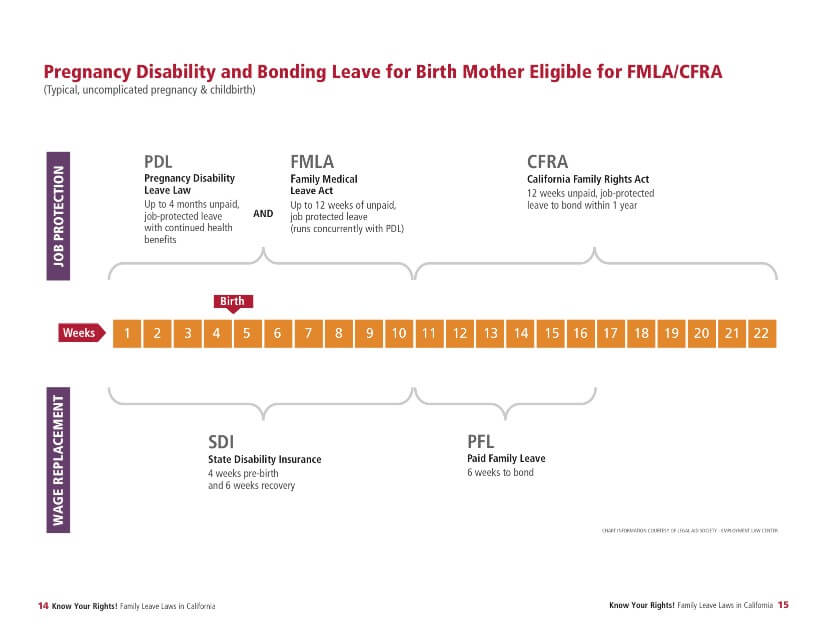
One of the most frequently asked questions about California Paid Family Leave revolves around its duration. Currently, eligible individuals can receive up to eight weeks of PFL benefits within any 12-month period. This eight-week window is designed to provide substantial time for critical family care without requiring an employee to completely sacrifice their income. It’s important to note that these eight weeks do not have to be taken consecutively. This flexibility is a key feature, allowing individuals to use their leave intermittently, perhaps taking a few days each week, or several weeks at once, depending on their family’s specific needs. For instance, new parents might choose to take several weeks immediately after birth or adoption, and then utilize the remaining weeks later to adjust to new routines or to attend follow-up appointments.
This flexibility also extends to how the leave can be integrated into a family’s lifestyle. Imagine a family eager to introduce their new baby to relatives living in San Diego or planning a serene retreat in Lake Tahoe for recovery; the intermittent nature of PFL allows for such planning, ensuring that financial worries don’t overshadow precious family moments. It’s a period that can be used for deep bonding, recovery, and setting up sustainable family routines, all contributing to a richer, more balanced family lifestyle.
Who Is Eligible? Defining the Scope of Care and Connection
Eligibility for California Paid Family Leave is broad, encompassing most California workers who contribute to SDI. To qualify, you must have earned at least $300 in wages subject to SDI deductions during your “base period,” which is a 12-month period looking back from the start of your claim. This ensures that individuals who have been part of the workforce and contributing to the system can benefit when they need it most.
Beyond the financial contribution, PFL covers specific life events and relationships:
- Bonding with a New Child: This includes biological birth parents, adoptive parents, and foster parents. The leave must be taken within one year of the child’s birth, adoption, or foster care placement. This provision is vital for creating strong family foundations, allowing parents to be present during critical developmental stages and to form lasting bonds. It empowers families to consider options for family-friendly travel or local exploration in places like Santa Barbara or even Disneyland for older children when the time is right.
- Caring for a Seriously Ill Family Member: PFL allows individuals to provide care for a spouse, registered domestic partner, child, parent, grandparent, grandchild, or sibling with a serious health condition. This broad definition of family reflects the reality of modern family structures and the diverse support networks individuals rely on. Being able to care for an aging parent in Sacramento or a sibling recovering in Los Angeles without severe financial strain is a tremendous relief and profoundly impacts family cohesion.
- Military Assistive Leave: This category provides support for individuals whose family member is called to active military duty abroad, specifically covering activities related to a qualifying exigency. This includes short-notice deployment, military events and related activities, childcare and school activities, and other unforeseen circumstances.
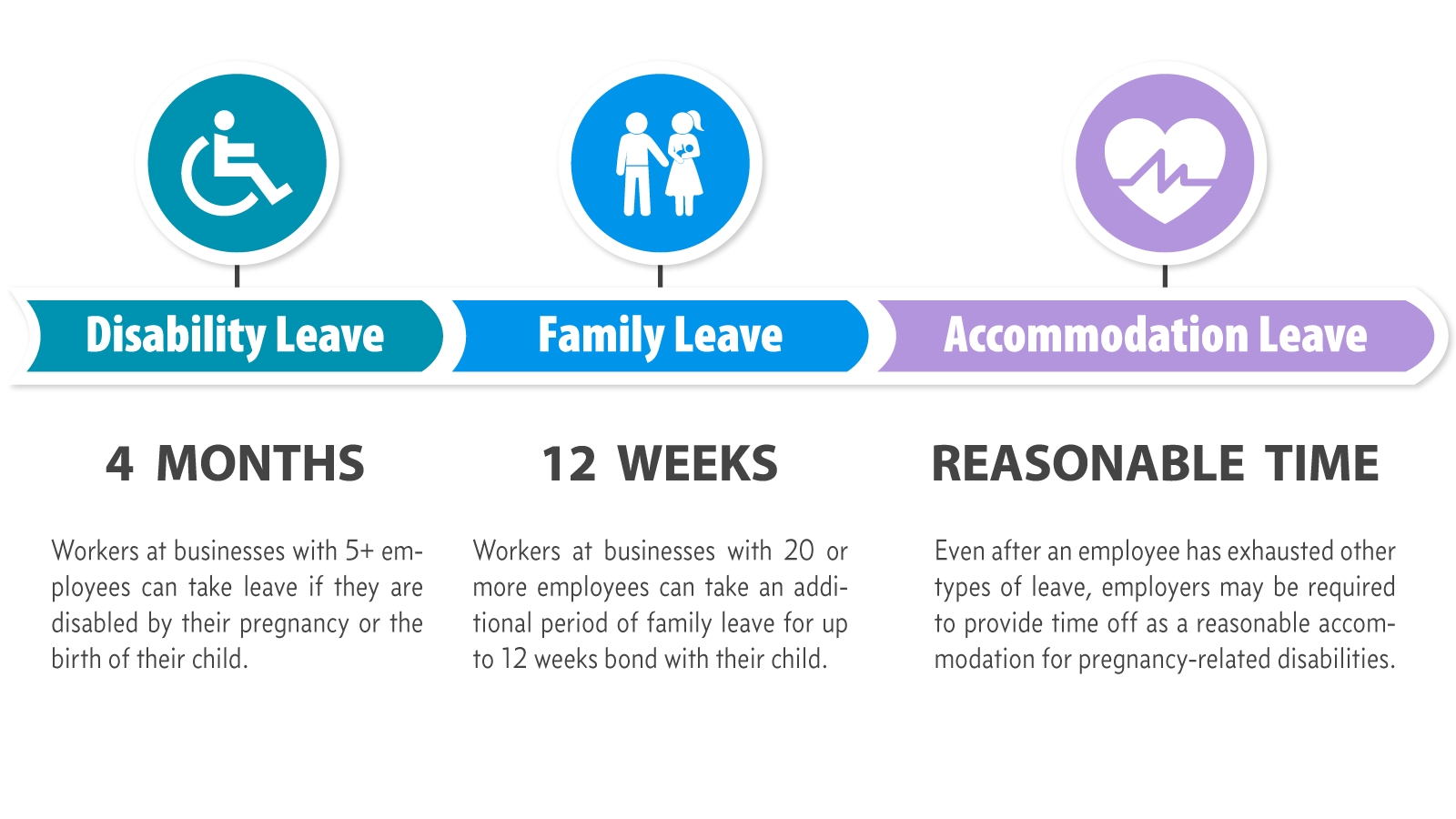
It’s important to differentiate PFL from job-protected leave. While PFL provides wage replacement, it does not, by itself, guarantee job protection. Job protection typically comes from other federal and state laws such as the Family and Medical Leave Act (FMLA) or the California Family Rights Act (CFRA). Often, PFL runs concurrently with these job-protected leaves, offering both income and security for a comprehensive support system.
Understanding Your Benefits: Financial Support and Peace of Mind
The financial component of California Paid Family Leave is what truly distinguishes it as a powerful enabler of modern lifestyles. It transforms the concept of family care from a potentially catastrophic financial decision into a manageable period of focus and compassion. By providing a partial wage replacement, PFL significantly alleviates the economic pressure that often accompanies taking time off work, allowing individuals to fully engage in their family responsibilities without the constant worry of bills piling up. This peace of mind is not just a benefit in itself, but a catalyst for healthier family dynamics and the ability to embrace life’s precious moments, from the quiet joy of a newborn’s first smile to the profound comfort of supporting a loved one through illness.
How Much Does PFL Pay? Maximizing Your Financial Support
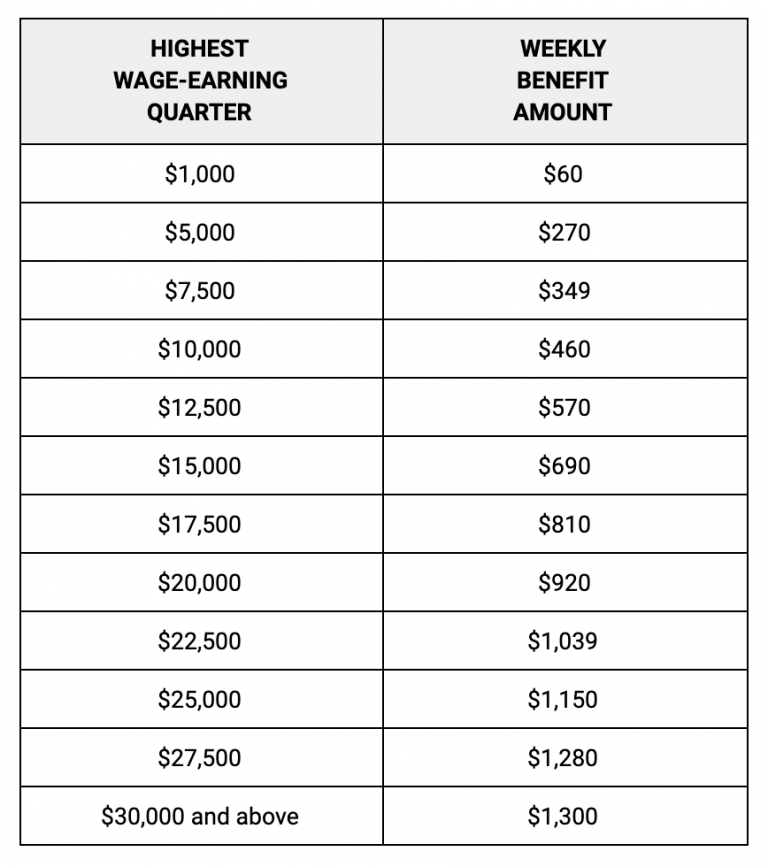
The benefit amount for California Paid Family Leave is calculated based on your earnings in your “base period.” Generally, eligible individuals can receive approximately 60 to 70 percent of their weekly wages earned 5 to 18 months before their claim start date. The exact percentage depends on your income, with lower-income earners receiving a higher percentage. There is also a minimum and maximum weekly benefit amount, which are adjusted annually. As of early 2024, the maximum weekly benefit amount is $1,620.
Understanding how this wage replacement works is crucial for financial planning. While it’s not 100% of your income, it’s a substantial portion that can help cover essential living expenses, maintain your financial stability, and even allow for some discretionary spending that enhances family life. For instance, if you’re taking time off to bond with a new child, this financial cushion might enable you to invest in a quality stroller for walks around Golden Gate Park in San Francisco, purchase baby essentials, or even plan a modest family outing to a local attraction like Legoland California for older siblings. The financial safety net allows families to focus on recovery, bonding, and making the most of their time together, rather than being solely preoccupied with financial survival.
The Application Process and Key Steps
Applying for California Paid Family Leave involves a straightforward process through the Employment Development Department (EDD). The application can typically be submitted online, by mail, or by fax. Here are the general steps:
- Gather Required Information: You’ll need personal information, employer details, and information about the family member you are caring for or the new child.
- Physician/Practitioner Certification (for serious illness): If you are caring for a seriously ill family member, their treating physician or practitioner must complete a medical certification form, attesting to the nature of the illness and the need for care.
- Submit Your Claim: Complete and submit the PFL claim form (DE 2501F) to the EDD. It’s generally recommended to apply as soon as you stop working to avoid delays in receiving benefits.
- Employer Notification: While the EDD is responsible for processing your claim, it’s always a good practice to communicate your leave plans with your employer well in advance. This ensures smooth transitions and helps manage workplace expectations.
The EDD strives to process claims promptly, typically within a few weeks, provided all necessary documentation is submitted accurately and completely. The sooner you apply and provide all required certifications, the quicker you can receive your benefits and alleviate financial stress. This streamlined process is crucial, allowing families to dedicate their energy to what matters most – their loved ones – rather than navigating complex bureaucratic hurdles.
Beyond the Leave: Lifestyle Implications and Family Planning
The impact of California Paid Family Leave extends far beyond the specified eight weeks of benefits. It profoundly influences family dynamics, work-life balance, and the ability to pursue a desired lifestyle. In a state as diverse and vibrant as California, with its myriad attractions from Yosemite National Park to the bustling streets of Hollywood, PFL serves as a cornerstone for enabling families to fully engage with their surroundings and create lasting memories. It’s not just about taking time off; it’s about strategically utilizing that time to build stronger bonds, recover effectively, and lay the groundwork for future adventures and a fulfilling lifestyle.
Embracing Family Milestones: Travel, Staycations, and Quality Time
With the financial safety net provided by California Paid Family Leave, families are empowered to truly embrace their milestones. For new parents, the eight weeks can be an invaluable period for bonding. Instead of rushing back to work, they can use this time for gentle “staycations” – exploring local parks, taking scenic drives along the Pacific Coast Highway near Big Sur, or simply enjoying quiet moments at home. This uninterrupted time fosters stronger attachment, supports maternal and paternal mental health, and sets a positive tone for family life.
For those caring for a seriously ill family member, PFL provides the crucial time needed for direct care, medical appointments, and emotional support. This period can also include opportunities for gentle, restorative outings that uplift spirits, whether it’s a quiet afternoon at a botanical garden or a short trip to a peaceful resort in Palm Springs. These moments, even small ones, contribute significantly to healing and maintaining a sense of normalcy during challenging times.
Furthermore, the very existence of PFL encourages a mindset of family-first planning. It allows families to consider broader lifestyle choices, knowing there’s a safety net. Perhaps a family dreams of a post-baby road trip through Redwood National Park, or a cultural immersion in Monterey. While PFL itself doesn’t fund these trips, it frees up income and time during a critical period, making such future planning more feasible and less stressful. It transforms family care from a sacrifice into an opportunity for growth and shared experiences.
Balancing Work and Life: The Broader Impact on Modern Families
The broader impact of California Paid Family Leave on work-life balance cannot be overstated. In today’s fast-paced world, finding equilibrium between professional ambitions and personal responsibilities is a constant challenge. PFL helps tilt the scales back towards the individual and family, acknowledging that life’s most important moments often require a temporary pause from the demands of the workplace.
By offering paid leave, the program contributes to greater gender equity in the workplace, as both mothers and fathers are incentivized to take time off for bonding, helping to normalize parental leave for all. This shared responsibility strengthens partnerships and allows for more equitable distribution of caregiving duties. It also helps retain skilled workers by reducing the need for them to leave the workforce entirely during family crises, ultimately benefiting both employees and employers.
For individuals, the ability to take paid leave reduces stress, improves mental health, and promotes overall well-being. It means less financial anxiety, more restful recovery, and deeper engagement with family members during crucial periods. This improved well-being naturally extends to other areas of life, potentially making individuals more engaged in their communities, more adventurous in their leisure time, and more focused on their personal growth. From exploring local Pasadena attractions to planning grander California excursions to Universal Studios Hollywood, the improved quality of life fostered by PFL creates space for richer experiences.
Planning Your Post-Leave Adventures: Maximizing Family Well-being
Armed with the support of California Paid Family Leave, families can look beyond the immediate period of leave and plan for their long-term well-being and adventures. The time spent bonding with a new baby, for instance, can be invaluable for establishing routines that facilitate future family travel. Parents who have had adequate rest and bonding time are better equipped to handle the challenges and joys of traveling with young children, whether it’s a weekend getaway to Santa Monica Pier or a longer vacation to explore Joshua Tree National Park.
Similarly, for those who have taken leave to care for a seriously ill family member, the recovery period can be optimized. Once the immediate crisis has passed, and with the continued financial stability that PFL helps maintain, families can then focus on activities that promote recovery and healing – perhaps a peaceful trip to Napa Valley or a relaxing stay in a comfortable hotel suite in Carmel-by-the-Sea. These experiences, born out of a period of support and recuperation, become integral to the family’s ongoing journey of well-being.
The spirit of California Paid Family Leave is fundamentally about empowering individuals to live their fullest lives, even through life’s most demanding transitions. It’s about providing the financial security and mental space to prioritize family, recover, and then re-engage with the world, perhaps with a renewed sense of purpose and a fresh perspective on what truly matters. Whether it’s planning your next family outing, a serene staycation, or a grand adventure across the diverse landscapes of California, PFL helps lay the groundwork for a life rich in experiences and connections. It underscores the belief that strong families are the bedrock of a thriving society, and that supporting them through crucial moments yields dividends in collective happiness and prosperity.
LifeOutOfTheBox is a participant in the Amazon Services LLC Associates Program, an affiliate advertising program designed to provide a means for sites to earn advertising fees by advertising and linking to Amazon.com. Amazon, the Amazon logo, AmazonSupply, and the AmazonSupply logo are trademarks of Amazon.com, Inc. or its affiliates. As an Amazon Associate we earn affiliate commissions from qualifying purchases.