
Navigating the sprawling landscape of Los Angeles County, often simply referred to as LA County, can be a bewildering, yet ultimately rewarding, experience for any traveler. While many visitors arrive with visions of iconic attractions like the Hollywood Walk of Fame or the sun-drenched shores of Santa Monica, the true depth and diversity of this immense region lie in its constituent cities. Understanding the sheer number of incorporated municipalities within Los Angeles County is key to appreciating the multifaceted tapestry of culture, entertainment, and lifestyle that it offers. This exploration delves into the administrative divisions that form this vibrant corner of Southern California, offering insight into the sheer scale and complexity of one of the nation’s most populous counties.
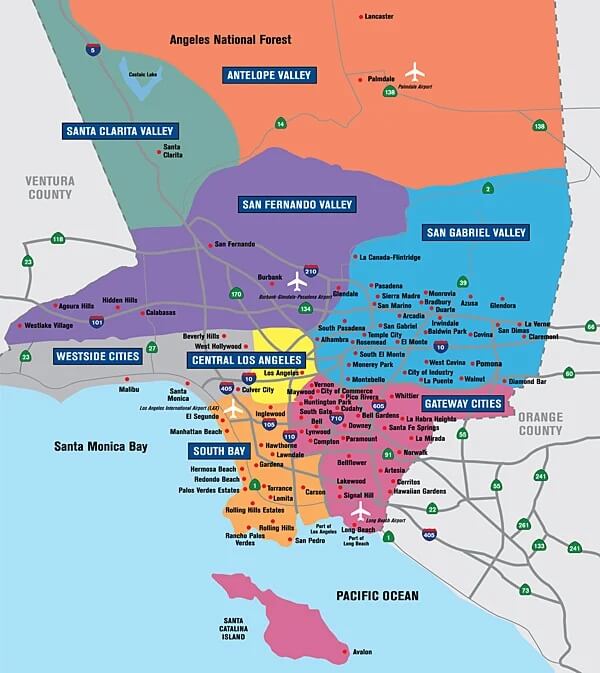
The Definitive Count: Understanding Incorporated Cities
At the heart of answering “How many cities in Los Angeles County?” lies the distinction between an “incorporated city” and other forms of local governance. Incorporated cities are self-governing municipalities with their own elected officials, city councils, and administrative structures. They possess the authority to enact local ordinances, provide municipal services, and manage their own budgets. This is distinct from unincorporated communities, which are areas that fall under the direct jurisdiction of the county government. Therefore, when discussing the number of “cities,” we are referring to these legally established entities.
The Official Number: A Snapshot of Municipalities
As of the latest official figures, Los Angeles County is comprised of 88 incorporated cities. This remarkable number underscores the county’s immense size and the diverse urban development that has occurred over its history. From the densely populated urban core to the more suburban enclaves and even coastal communities, each of these cities contributes a unique character to the overall identity of Los Angeles County. This extensive list includes world-renowned metropolises, charming small towns, and strategically important industrial centers, all woven together within the larger county framework.
Key Cities and Their Distinct Contributions
While the total count is 88, a select few cities within Los Angeles County garner significant international recognition and draw the bulk of tourist attention. Understanding these prominent hubs provides a gateway to exploring the broader county.
The Global Icons: Hollywood and Beyond
The quintessential image of Los Angeles is often synonymous with the entertainment industry, and the city of Los Angeles itself is the largest and most recognizable. Within its vast expanse are districts that have become global landmarks, including the aforementioned Hollywood Walk of Fame, the opulent Beverly Hills known for its celebrity residents and luxury shopping, and the arts-centric West Hollywood. These areas are magnets for tourists seeking the glitz and glamour associated with the dream factory.
Coastal Charms and Beachfront Bliss
The coastline of Los Angeles County is dotted with a string of desirable cities, each offering its own unique flavor of sun, sand, and surf. Santa Monica is renowned for its iconic pier, vibrant Third Street Promenade, and expansive beaches, making it a perennial favorite. Further south, Long Beach boasts a significant port, a historic ocean liner, the Queen Mary, and a thriving arts scene. Other notable coastal cities include Malibu, famous for its celebrity estates and stunning natural beauty, and Redondo Beach and Hermosa Beach, popular for their laid-back beach town atmosphere and active lifestyle.
Diverse Neighborhoods and Cultural Hubs
Beyond the well-trodden paths of Hollywood and the beaches, Los Angeles County is a mosaic of diverse communities, each with its own cultural identity and attractions. The historic heart of the county, the city of San Gabriel, offers a glimpse into early Californian history and a strong Asian-American influence. Pasadena, famous for the Rose Bowl Stadium and its annual Tournament of Roses Parade, is also home to significant cultural institutions like the Norton Simon Museum. Glendale is a major commercial and residential hub with a significant Armenian-American population, while Torrance offers a blend of suburban living, industrial parks, and a Japanese-American heritage.

Beyond the Big Names: Exploring the Breadth of LA County Cities
While the aforementioned cities are often the most visible, the true richness of Los Angeles County lies in the sheer variety of its 88 incorporated municipalities. Each city, regardless of its size or global recognition, contributes to the intricate social, economic, and cultural fabric of the region. Understanding this breadth is crucial for anyone looking to experience the full spectrum of what Los Angeles County has to offer, from its historical roots to its modern-day dynamism.
The Lesser-Known Gems: Uncovering Local Character
Venture beyond the postcard-perfect scenes, and you’ll discover cities that offer a more intimate and authentic glimpse into the life of Los Angeles County residents. These often overlooked locales provide unique dining experiences, independent shops, and a deeper connection to local history and community life.
Inland Empires and Suburban Sanctuaries
Inland from the coast, numerous cities serve as vital residential and commercial centers. Pomona, with its rich agricultural history and the famous Fairplex, offers a blend of tradition and entertainment. El Monte, one of the oldest cities in the San Gabriel Valley, boasts a significant Latino population and a strong sense of community. Lancaster and Palmdale, located in the Antelope Valley, represent the northern reaches of the county, offering a distinct desert landscape and growing economic opportunities. These cities, while perhaps less glamorous than their coastal counterparts, are integral to the daily lives of millions and are brimming with local character waiting to be discovered.
Industrial Powerhouses and Economic Engines
Some cities in Los Angeles County are defined by their industrial significance and their role as economic engines for the region. Long Beach, as mentioned, is a major port city, a hub of international trade and maritime activity. Commerce is aptly named, with a large concentration of businesses and industrial facilities. Vernon is unique in that it is almost entirely industrial, with a very small residential population, serving as a crucial manufacturing and distribution center. These cities, though not typically tourist destinations in the traditional sense, are essential to understanding the economic backbone of Los Angeles County.
The Significance of Incorporated Cities for Travelers
For travelers, understanding the number and distribution of cities within Los Angeles County offers a strategic advantage in planning an itinerary. It allows for a more nuanced approach to exploration, moving beyond a single, monolithic view of “Los Angeles” to appreciating the distinctiveness of each locale.
Tailoring Your Itinerary: From Urban Exploration to Coastal Relaxation
Knowing that there are 88 cities means that the possibilities for experiencing Los Angeles County are vast and varied. If your interest lies in exploring the vibrant arts scene, you might focus on Los Angeles, West Hollywood, or Pasadena. For a classic Southern California beach experience, Santa Monica, Malibu, and the beach cities of the South Bay (like Redondo Beach) are prime destinations. For a taste of historical California and significant Asian-American culture, the San Gabriel Valley cities like San Gabriel and Monterey Park offer rich experiences. This granular understanding allows travelers to curate trips that align perfectly with their interests, ensuring a more fulfilling and personalized journey.

Experiencing Local Culture and Cuisine
Each of the 88 cities has cultivated its own unique culinary landscape and cultural traditions. From the authentic Mexican cuisine found in cities like East Los Angeles and Bell, to the diverse Asian flavors in the San Gabriel Valley, or the upscale dining in Beverly Hills and Santa Monica, the gastronomic journey through Los Angeles County is as varied as its population. Similarly, local festivals, farmers’ markets, and community events offer a direct window into the lives of residents in cities like Arcadia, known for its racetrack and botanical gardens, or Whittier, with its historic downtown. Engaging with these local elements provides a much deeper appreciation for the region than simply visiting its most famous landmarks.
In conclusion, the question of “How many cities in Los Angeles County?” opens a door to understanding the immense scale and incredible diversity of this iconic region. With 88 incorporated cities, each contributing its own unique character, charm, and allure, Los Angeles County offers an unparalleled travel experience, inviting exploration beyond the familiar to uncover the myriad of hidden gems and distinct communities that make it one of the most fascinating destinations in the world.
LifeOutOfTheBox is a participant in the Amazon Services LLC Associates Program, an affiliate advertising program designed to provide a means for sites to earn advertising fees by advertising and linking to Amazon.com. Amazon, the Amazon logo, AmazonSupply, and the AmazonSupply logo are trademarks of Amazon.com, Inc. or its affiliates. As an Amazon Associate we earn affiliate commissions from qualifying purchases.