
For anyone planning a trip to the Golden State, or conducting business with its vibrant economy, a fundamental question often arises: “Is California Eastern Time or Pacific Time?” The answer is clear and unequivocal: California observes Pacific Time. This seemingly simple fact carries significant implications for travel planning, business operations, and the overall lifestyle experience within this diverse and expansive state. Understanding California’s time zone is the first step in seamlessly integrating into its rhythm, whether you’re chasing the perfect sunset in San Diego, exploring the bustling streets of Los Angeles, or navigating the tech landscape of Silicon Valley.

The United States spans multiple time zones, a testament to its vast geographical breadth. From the Atlantic shores to the Pacific coast, time shifts progressively, marking a distinct difference in daily schedules. California, situated on the western edge of the contiguous United States, naturally falls into the latest of these zones. This article will delve into what Pacific Time means for travelers, residents, and businesses, offering insights into how to best manage your time to fully embrace all that California has to offer.
The Definitive Answer: California Resides in Pacific Time
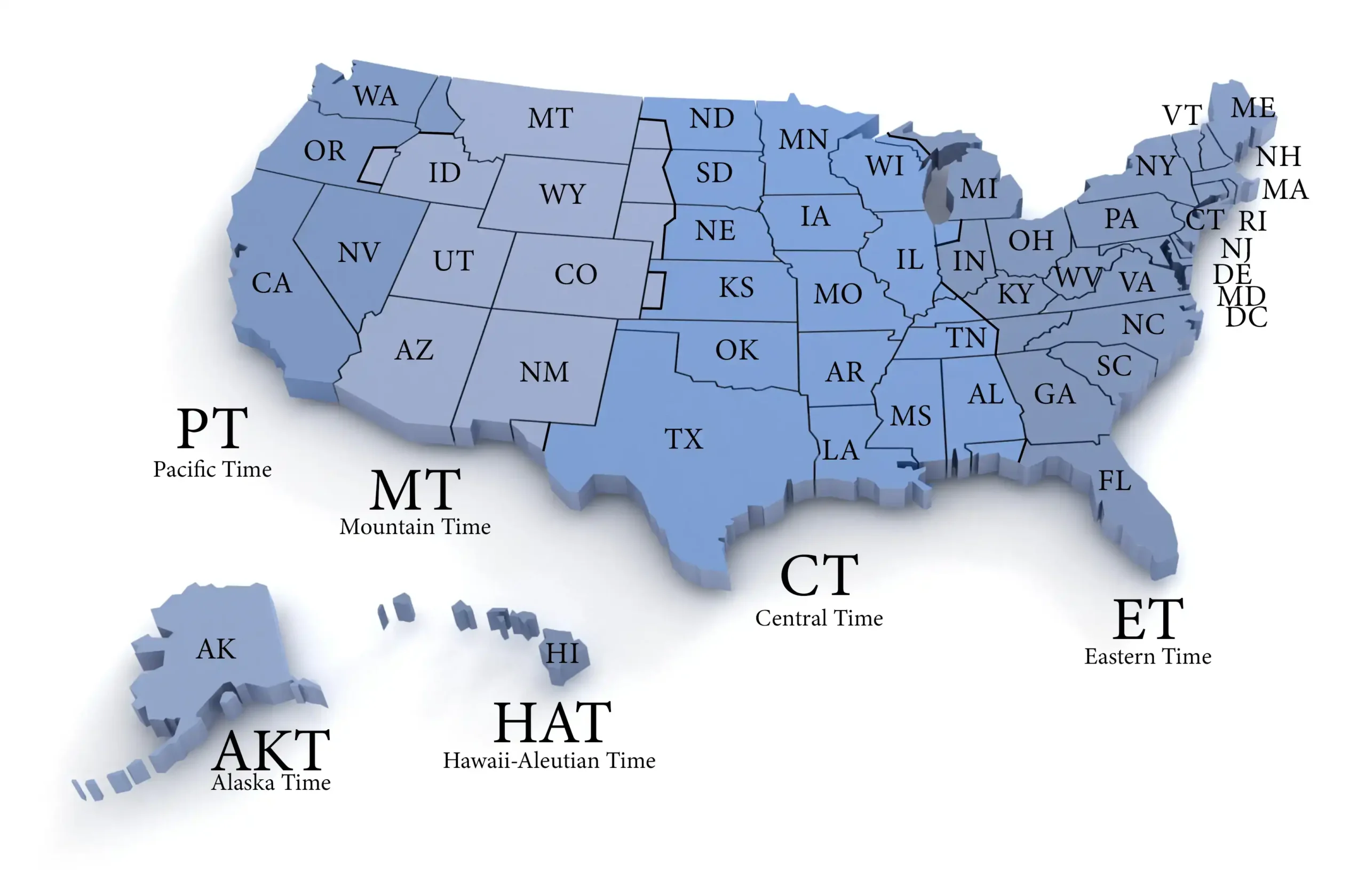
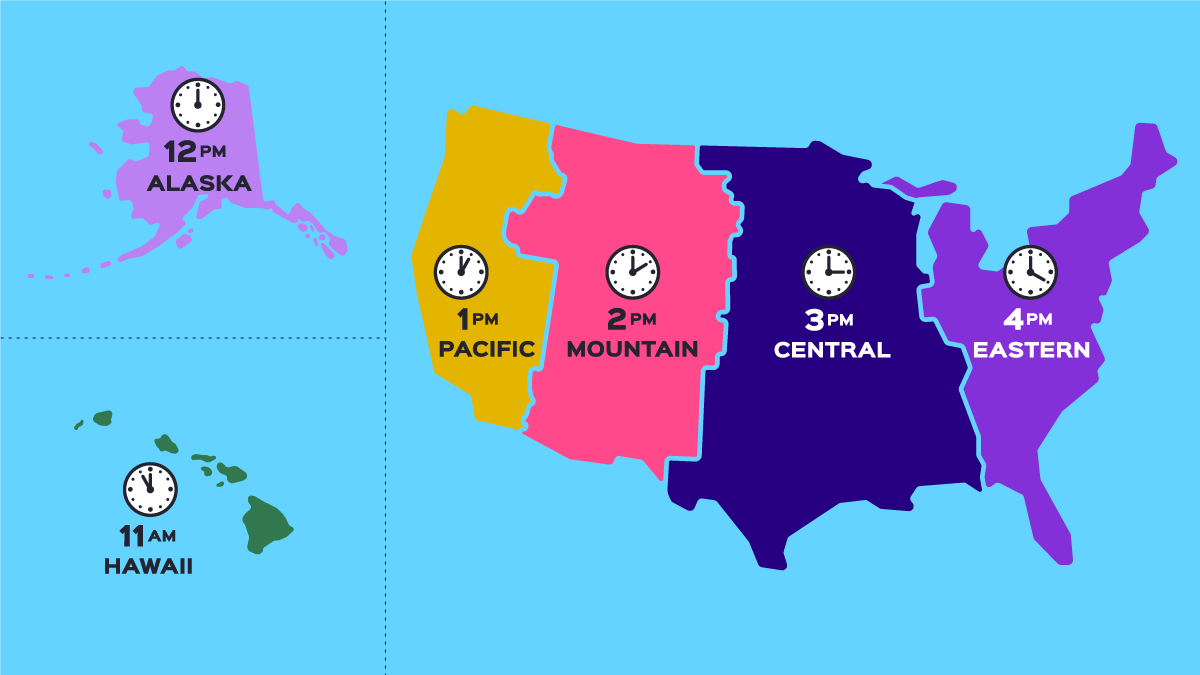
To lay all doubts to rest, California operates under Pacific Time, specifically Pacific Standard Time (PST) during the winter months and Pacific Daylight Time (PDT) during daylight saving periods. This means that California is consistently three hours behind Eastern Time, two hours behind Central Time, and one hour behind Mountain Time. This standard applies uniformly across the entire state, from the northern forests near Redwood National Park to the southern deserts of Death Valley National Park and the vibrant urban centers.
Understanding Time Zones Across the United States
The contiguous United States is primarily divided into four main time zones:
- Eastern Time (ET): Covers states predominantly on the east coast, such as New York, Florida, and most of the eastern seaboard. This is often considered the baseline for many national schedules.
- Central Time (CT): Extends through the central part of the country, including states like Texas and Illinois.
- Mountain Time (MT): Encompasses the Rocky Mountain region, with states like Colorado and Arizona (though Arizona largely does not observe daylight saving).
- Pacific Time (PT): Covers the westernmost contiguous states, including California, Oregon, Washington, and Nevada.
Beyond these, Alaska observes Alaska Time, and Hawaii adheres to Hawaii Standard Time, further highlighting the incredible geographical diversity of the nation. The adoption of these standardized time zones in the late 19th century was crucial for coordinating railway schedules and, later, for simplifying communication and commerce across the expanding nation.
Why Pacific Time? A Glimpse into California’s Geography
The logic behind California being in Pacific Time is purely geographical. Time zones are generally delineated by meridians of longitude, with each zone roughly covering 15 degrees of longitude, corresponding to one hour’s difference in solar time. As the sun travels westward, each subsequent time zone experiences sunrise and sunset later than its eastern counterpart. California’s position on the western edge of the North American continent, bordering the Pacific Ocean (hence the name), places it firmly within the Pacific Time zone. This positioning grants California the advantage of later sunsets, particularly noticeable during the summer months when daylight saving extends the evening light, creating more opportunities for outdoor activities and leisurely evenings.
Navigating Travel and Tourism in California’s Pacific Time Zone
For travelers, understanding the time difference is paramount to a smooth and enjoyable California experience. The shift, especially for those arriving from the Eastern Time zone, can lead to significant jet lag. Proper planning and awareness can mitigate these effects, allowing visitors to quickly immerse themselves in the state’s myriad attractions, from the bustling cityscapes to serene natural wonders.
Planning Your Arrival: Overcoming Jet Lag and Adjusting Your Schedule
Jet lag is perhaps the most immediate concern for travelers crossing multiple time zones. For those flying from New York or Florida to California, the three-hour time difference means that your body will initially feel like it’s three hours later than the local time.
- Before You Fly: Start adjusting your sleep schedule a few days before your trip. Shift your bedtime and wake-up time an hour or so earlier each day to gradually align with Pacific Time.
- During the Flight: Stay hydrated and avoid excessive alcohol or caffeine, which can exacerbate jet lag symptoms. Try to sleep on the plane if it aligns with your destination’s nighttime.
- Upon Arrival: The most effective strategy is to immediately adopt the local time. If you arrive in the morning, resist the urge to nap (unless absolutely necessary for a short period). Head out into the sunlight, which helps reset your body clock, and engage in light activities. Plan your first day with flexibility, avoiding crucial meetings or strenuous activities. For example, if you arrive at Los Angeles International Airport in the early afternoon, consider a leisurely stroll along Santa Monica Pier or a relaxed meal in Beverly Hills rather than an intense tour of Universal Studios Hollywood.
- Meals and Sleep: Eat your meals at local times and try to go to bed at a reasonable Pacific Time bedtime, even if your body feels otherwise. Natural light exposure in the morning and avoiding bright screens before bed will aid in recalibrating your circadian rhythm.
Maximizing Your California Experience: Day Trips and Evening Activities
California’s Pacific Time can be a significant advantage for tourists, especially those visiting from the east. The later sunsets mean longer daylight hours for exploration and sightseeing.
- Extended Sightseeing: Attractions like the Golden Gate Bridge in San Francisco or Disneyland Park in Anaheim often remain open later, allowing for more comprehensive visits without feeling rushed. You can enjoy a full day of activities and still catch a breathtaking sunset over the Pacific Ocean.
- Outdoor Adventures: For nature lovers, the extended daylight is perfect for hiking in Yosemite National Park, exploring the dramatic coastline of Big Sur, or enjoying water sports on Lake Tahoe. These activities can extend well into the evening, providing cooler temperatures and stunning golden-hour photo opportunities.
- Dining and Entertainment: California’s vibrant culinary scene and nightlife thrive with the Pacific Time schedule. Dinner reservations can be made later, and entertainment venues in cities like Hollywood or San Francisco often kick off performances at times that feel more like early evening to those from Eastern Time. This can be particularly beneficial for parents with young children, as later evening activities might align better with their adjusted internal clocks.
Business and Remote Work Considerations
For business travelers or those working remotely from California, the time difference requires careful strategizing.
- Meeting Schedules: Coordinating meetings with colleagues on the East Coast means starting early in California. An 8:00 AM Pacific Time meeting is already 11:00 AM Eastern Time, which is manageable. However, late afternoon meetings in California can push East Coast colleagues into their evening hours. Awareness and clear communication are key to finding mutually convenient times.
- Productivity Windows: Many remote workers in California leverage the morning hours to get a head start on tasks before their East Coast counterparts begin their workday, allowing for focused, uninterrupted work time. The afternoon then becomes a period for collaboration and meetings.
- International Business: For businesses engaging with partners in Asia or Europe, Pacific Time presents its own set of challenges and opportunities. Communicating with Asia can be easier given the closer time alignment, while calls with Europe often require very early morning starts or late evening calls from the California side.
Accommodation and Lifestyle in the Golden State
The time zone also subtly influences how accommodations are booked and experienced, and fundamentally shapes the local lifestyle. From luxury resorts in Palm Springs to charming boutique hotels in Napa Valley, understanding the local clock ensures a seamless stay.
Booking and Check-ins: Time Zone Smart Practices
When booking flights, hotels, or activities for your California trip, always confirm the times are listed in Pacific Time or clearly indicate the time zone.
- Flight Schedules: Flight departure and arrival times are typically given in the local time of the airport. However, double-checking is always wise, especially for connecting flights.
- Hotel Check-in/Check-out: Most hotels, whether it’s a Grand Hyatt Hotel in San Francisco or a cozy Airbnb in Malibu, adhere strictly to local Pacific Time for check-in and check-out. If you’re arriving from a different time zone, factor in the time change when estimating your arrival at the accommodation to avoid early arrival fees or late check-out penalties.
- Activity Reservations: Whether it’s a wine tasting tour in Napa Valley, a visit to Hollywood Walk of Fame, or a spa treatment, ensure you’ve converted times accurately. Missing a reservation due to a time zone miscalculation can be disappointing and costly.
- Communication with Accommodation Providers: When communicating with hotels, vacation rental owners, or tour operators prior to your arrival, specify your time zone if you’re discussing specific times, to avoid any confusion. For example, “I’ll call you at 10 AM your time (PT).”
The Pacific Time Advantage: Lifestyle and Leisure
The Pacific Time zone isn’t just a technicality; it’s a defining feature of the California lifestyle. The state’s late sunsets contribute to a more relaxed pace of life, particularly in the evenings.
- Outdoor Culture: Californians embrace the outdoors, and the extended daylight hours facilitate this. Surfing sessions can last longer, evening hikes are popular, and outdoor dining is a staple. The “golden hour” for photography is prolonged, offering stunning opportunities for capturing California’s natural beauty.
- Work-Life Balance: While California is a hub for innovation and hard work, the time zone can also contribute to a perceived better work-life balance for some. Finishing work around 5:00 PM Pacific Time still leaves ample daylight for personal activities, fitness, or spending time with family.
- Social Life: Social gatherings, events, and cultural experiences often stretch into the later evening, thanks to the ample daylight. This fosters a vibrant nightlife and a strong sense of community that enjoys the warmth and light of the long California evenings. From beach bonfires in San Diego to rooftop bars in Los Angeles, the Pacific Time rhythm supports a leisurely and engaging social scene.
- Connecting with the World: While local life enjoys its unique rhythm, California’s position also means it acts as a bridge between the East Coast and Asia. This geographical and temporal advantage makes California a crucial hub for international business and cultural exchange, offering unique opportunities for global connectivity that are intertwined with its time zone.
Key Takeaways for Your California Adventure
In conclusion, California is firmly in the Pacific Time zone, three hours behind Eastern Time. This crucial detail shapes not only the practicalities of travel and business but also the very fabric of life in the Golden State.
- Be Prepared for Jet Lag: If traveling from the east, allow yourself time to adjust. Hydrate, seek natural light, and try to synchronize with local time immediately.
- Leverage Longer Evenings: Embrace California’s extended daylight hours for sightseeing, outdoor adventures, and evening activities. Plan later dinners and enjoy the vibrant nightlife.
- Coordinate Business Effectively: For business or remote work, be mindful of the time difference when scheduling meetings with colleagues in other time zones. Early starts in California often align well with East Coast mornings.
- Confirm All Bookings: Always double-check that flight, hotel, and activity reservations are understood in Pacific Time to avoid any confusion or missed opportunities.
- Enjoy the Lifestyle: Immerse yourself in the relaxed yet dynamic California lifestyle, where the natural light encourages a vibrant outdoor culture and a strong sense of community well into the evening hours.
By keeping these points in mind, you can ensure your visit to California is as smooth and enjoyable as possible, allowing you to fully appreciate the unique beauty and rhythm of the Pacific Time zone. Whether you’re chasing waves, exploring vineyards, or closing a deal, understanding the local time is your first step towards a truly memorable California experience.
LifeOutOfTheBox is a participant in the Amazon Services LLC Associates Program, an affiliate advertising program designed to provide a means for sites to earn advertising fees by advertising and linking to Amazon.com. Amazon, the Amazon logo, AmazonSupply, and the AmazonSupply logo are trademarks of Amazon.com, Inc. or its affiliates. As an Amazon Associate we earn affiliate commissions from qualifying purchases.