
California, often celebrated as the Golden State, conjures images of sun-drenched beaches, innovative tech hubs, and iconic landmarks. It’s a land of unparalleled natural beauty, from the majestic redwoods of the north to the sprawling deserts of the south, and home to vibrant cities like Los Angeles, San Francisco, and San Diego. Millions are drawn to its promise of opportunity, its diverse culture, and its array of experiences, whether for a fleeting vacation or a permanent change of lifestyle. Visitors seek out everything from luxury travel experiences in world-class resorts to budget-friendly adventures exploring national parks.
However, beneath this glittering facade lies a complex challenge that affects the very fabric of the state: a significant homelessness crisis. For those planning travel, considering a move, or simply seeking a deeper understanding of California, confronting this reality is essential. This article aims to explore the scope of homelessness in California, providing context for understanding its impact on urban environments, informing responsible tourism, and encouraging thoughtful engagement with the communities you visit or choose to call home. While the exact numbers fluctuate, understanding the scale and implications of this issue is paramount for any informed traveler or prospective resident.
Understanding the Scope: California’s Homelessness Crisis
California is home to a disproportionately large share of the nation’s homeless population. While it represents only about 12% of the U.S. population, it accounts for over 30% of all homeless individuals in the country. This stark figure highlights a crisis of significant magnitude, impacting urban, suburban, and even rural areas across the state.
The Latest Figures and Trends
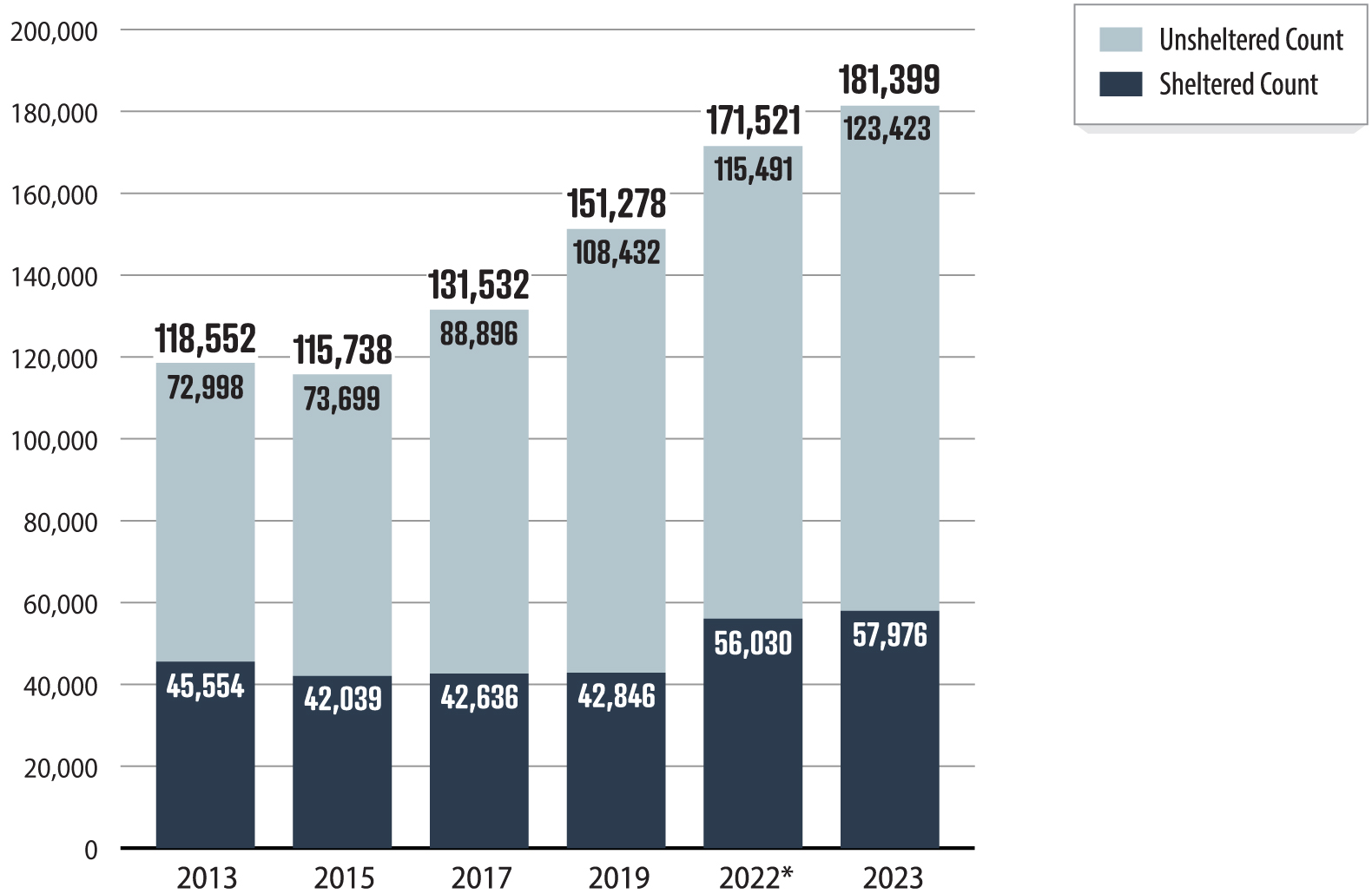
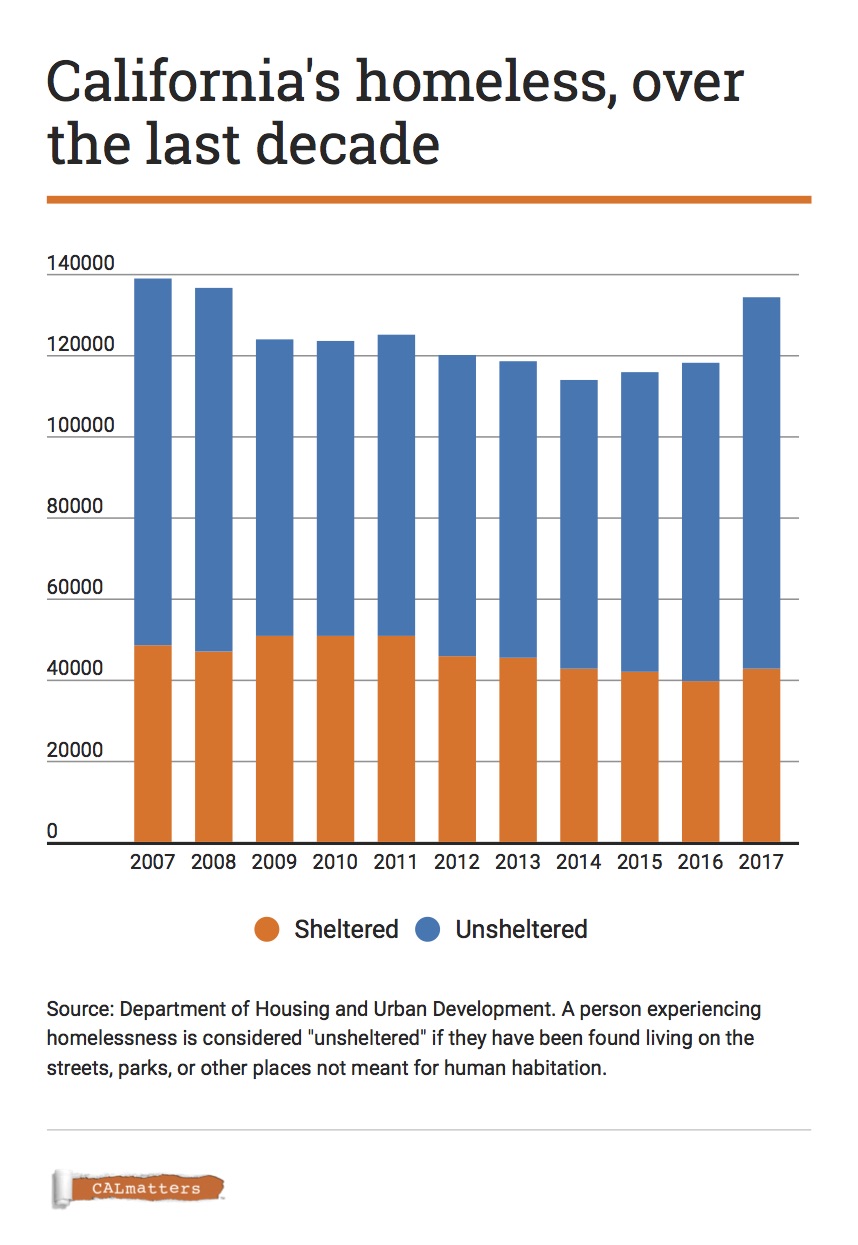
Pinpointing an exact, real-time number of homeless individuals in California is challenging due to the dynamic nature of homelessness. However, Point-in-Time (PIT) counts, conducted annually or biennially, provide the most comprehensive estimates. Recent data typically indicates that over 170,000 people are experiencing homelessness on any given night in California. This number has shown a concerning upward trend in recent years, despite substantial efforts and funding directed towards addressing the issue.
A defining characteristic of homelessness in California is its high rate of unsheltered individuals. Approximately 70% of the state’s homeless population lives without access to emergency shelters or transitional housing, meaning they sleep outdoors, in vehicles, or in other places not meant for human habitation. This is significantly higher than the national average and contributes to the visible presence of homelessness in many of California’s major cities.
The crisis is particularly concentrated in metropolitan areas. Los Angeles County consistently reports the largest homeless population, often exceeding 60,000 individuals. Other major urban centers like San Francisco, Oakland, San Jose, Sacramento, and San Diego also grapple with substantial numbers. The reasons for this concentration are multi-faceted, including:
- Exorbitant Housing Costs: California’s housing market is one of the most expensive in the world. A severe shortage of affordable housing units means that even full-time workers can struggle to find housing, and a single unexpected expense can push individuals and families into homelessness.
- Mental Health and Substance Abuse: A significant portion of the homeless population struggles with mental health conditions, substance use disorders, or both. These challenges can make maintaining employment and stable housing incredibly difficult without robust support systems.
- Economic Disparities: Income inequality, stagnant wages for low-income workers, and a lack of safety nets contribute to a cycle of poverty that can lead to homelessness.
- Lack of Sufficient Services: While extensive services exist, the scale of the problem often overwhelms available resources, from emergency shelters to long-term supportive housing.
Beyond the Numbers: The Human Element
It’s crucial to remember that behind every statistic is a person with a unique story and circumstances. The homeless population in California is incredibly diverse, encompassing:
- Families with Children: Many families find themselves experiencing homelessness, often due to job loss, illness, or an inability to afford rising rents.
- Veterans: A notable portion of the homeless population consists of veterans, many of whom face mental health challenges, physical disabilities, or difficulties transitioning back to civilian life.
- Youth: Unaccompanied youth and young adults, often fleeing abuse or neglect, are particularly vulnerable and face unique challenges in accessing support.
- Individuals with Disabilities: Physical and mental disabilities can significantly impede a person’s ability to secure and maintain stable housing and employment.
- Elderly Individuals: A growing number of seniors are experiencing homelessness, often on fixed incomes that cannot keep pace with California’s cost of living.
Understanding the human dimensions of this crisis fosters empathy and moves beyond generalizations, which is essential for any visitor or resident seeking to truly engage with the communities of California.
Navigating California: Awareness for Travelers and Residents
For anyone planning a trip to California, whether for tourism, business stays, or a longer accommodation experience, being aware of the homelessness crisis is part of understanding the local context. This awareness doesn’t diminish the state’s allure but rather encourages a more informed and respectful approach to travel.
Impact on Urban Environments and Tourist Zones
The visibility of homelessness is often most pronounced in California’s major urban centers, which also happen to be prime tourist destinations. Areas around popular attractions, transportation hubs, and downtown districts in cities like San Francisco, Los Angeles, and San Diego can see a significant presence of unsheltered individuals.
In San Francisco, areas such as the Tenderloin District or parts of Market Street can be particularly impacted. In Los Angeles, Skid Row is a widely known area with a high concentration of unsheltered individuals, although homelessness is visible throughout many neighborhoods. Even in affluent areas, it’s not uncommon to encounter people experiencing homelessness.
For visitors, this can sometimes lead to uncomfortable encounters or challenge preconceived notions of a glamorous California. It’s important to approach these situations with caution, respect, and empathy. While personal safety is always a priority, avoiding judgment and understanding the systemic nature of the problem can enhance your overall experience. Most locals simply navigate these areas with awareness, demonstrating that responsible engagement is possible.
When exploring famous landmarks such as the Hollywood Walk of Fame, Santa Monica Pier, or even the approaches to the Golden Gate Bridge, you may encounter individuals experiencing homelessness. These moments offer an opportunity for reflection and a deeper understanding of the complex social landscape of the state, rather than detracting entirely from the beauty and excitement of these destinations.
Choosing Accommodation and Planning Your Stay Responsibly
When planning your accommodation in California, whether it’s a hotel suite, a resort stay, or a long-term apartment rental, researching neighborhoods is a prudent step. While many areas offer safe and comfortable stays, being informed about the general characteristics of different districts can help manage expectations and enhance your comfort.
- Neighborhood Research: Utilize online resources, travel guides, and recent reviews to understand the atmosphere of various neighborhoods. Look for areas known for their vibrant local culture, dining, and attractions, which often coincide with well-maintained public spaces.
- Proximity to Services: Be aware that areas with a high concentration of social services, such as shelters or outreach centers, may also have a more visible homeless population. This is not necessarily a safety concern but is something to note if you prefer areas with less visible social challenges.
- Public Transportation: If you plan to rely on public transportation, research routes and transit hubs, as these areas can sometimes attract individuals seeking shelter or resources.
- Responsible Tourism: Your choices as a traveler can subtly contribute to local economies. Supporting businesses, hotels, and restaurants that prioritize fair wages and community engagement can indirectly support a healthier social fabric. Some establishments even have programs to hire or train individuals from vulnerable populations.
By making informed choices about where you stay and how you interact with the environment, you can enjoy all that California has to offer while remaining mindful of its broader realities. This approach aligns with a conscious lifestyle and fosters a deeper appreciation for the destinations you visit.
Community Efforts and Engaged Tourism: A Path Forward
Addressing homelessness in California is a monumental task, but countless individuals, non-profits, and government agencies are working tirelessly to provide solutions. For visitors and residents alike, understanding these efforts can provide a more hopeful perspective and even opportunities for meaningful engagement.
Local Initiatives and Support Systems
Across California, communities are implementing a diverse range of strategies to combat homelessness. These initiatives vary from emergency interventions to long-term solutions aimed at breaking the cycle of homelessness.
- Emergency Shelters and Outreach: Most major cities have emergency shelters providing immediate safety, food, and basic necessities. Outreach teams actively engage with unsheltered individuals, connecting them to services and encouraging them to seek shelter. Organizations like the Los Angeles Homeless Services Authority (LAHSA) coordinate extensive networks of services.
- Permanent Supportive Housing: This model combines affordable housing with intensive support services for individuals with chronic homelessness, mental health conditions, or substance use disorders. It’s considered one of the most effective long-term solutions. Many cities are investing heavily in building new supportive housing units.
- Rapid Re-housing: Programs designed to quickly move individuals and families from homelessness into permanent housing, often with short-term rental assistance and support services.
- Mental Health and Substance Abuse Treatment: Integrated services that address co-occurring mental health and substance abuse issues are critical, as these are significant contributing factors to homelessness.
- Job Training and Employment Programs: Helping individuals gain skills and secure stable employment is vital for sustainable housing and reintegration into the community.
- Food Banks and Meal Programs: Organizations like the San Francisco-Marin Food Bank and the Los Angeles Regional Food Bank play a crucial role in addressing food insecurity for those experiencing homelessness and poverty.
As a visitor or resident, you can contribute to these efforts in various ways. While direct handouts to panhandlers are generally discouraged by experts who suggest they can perpetuate cycles, donating to reputable local charities and non-profits is a highly effective way to support systemic change. Research organizations in the areas you visit, such as the Downtown Women’s Center in Los Angeles or Glide Memorial Church in San Francisco, which provide comprehensive support.

Responsible Travel and Lifestyle Choices in California
Engaging with California’s homelessness crisis as a traveler or resident is part of a broader commitment to responsible tourism and an empathetic lifestyle. It’s about more than just avoiding “bad” areas; it’s about understanding the complex social landscape of the places we explore.
- Educate Yourself: Continuously learn about the causes and solutions to homelessness. Understanding the systemic issues helps foster empathy and informed decision-making.
- Support Local Businesses with a Conscience: Patronize businesses that are known for their community involvement, fair labor practices, or programs that help vulnerable populations. Many cafes, restaurants, and shops proudly highlight their social initiatives.
- Consider Voluntourism: For those on longer stays or looking for truly immersive experiences, “voluntourism” opportunities exist. Organizations across California often welcome volunteers for a few hours or days, offering a chance to contribute directly to local support efforts. This can be a profound way to connect with a destination beyond its typical attractions.
- Practice Empathy and Respect: When encountering individuals experiencing homelessness, offer a respectful nod or a kind word if appropriate, but always prioritize your safety. Avoid photography without consent. Remember that everyone deserves dignity.
- Advocate for Change: For residents, engaging in local civic discourse, supporting policy changes, and voting for initiatives that address affordable housing and social services are powerful ways to contribute.
In conclusion, California remains a captivating destination and a vibrant place to live, offering an endless array of adventures, cultural richness, and natural wonders, from the serene beauty of Yosemite National Park to the bustling energy of Disneyland Resort. However, a complete picture of the Golden State includes an awareness of its significant challenges, particularly the ongoing homelessness crisis. By approaching your California experience with an informed, empathetic, and responsible mindset, you can not only enjoy its many splendors but also contribute positively to its future. Understanding the numbers, recognizing the human stories, and acknowledging the dedicated efforts of countless individuals and organizations allow for a richer, more meaningful engagement with this dynamic and complex state.
LifeOutOfTheBox is a participant in the Amazon Services LLC Associates Program, an affiliate advertising program designed to provide a means for sites to earn advertising fees by advertising and linking to Amazon.com. Amazon, the Amazon logo, AmazonSupply, and the AmazonSupply logo are trademarks of Amazon.com, Inc. or its affiliates. As an Amazon Associate we earn affiliate commissions from qualifying purchases.