
California, a state synonymous with golden beaches, tech innovation, Hollywood glamour, and breathtaking national parks, holds another significant, yet often less publicized, identity: a critical hub for the United States military. Beneath the veneer of its vibrant travel destinations and laid-back lifestyle, California hosts an impressive array of military installations that play a pivotal role in national defense. For travelers, history enthusiasts, or those simply curious about the logistical might of the United States, understanding the scope of California’s military footprint offers a fascinating new dimension to exploring the Golden State. This extensive network of bases not only secures the nation but also profoundly impacts local economies, shapes unique communities, and offers intriguing points of interest for visitors.
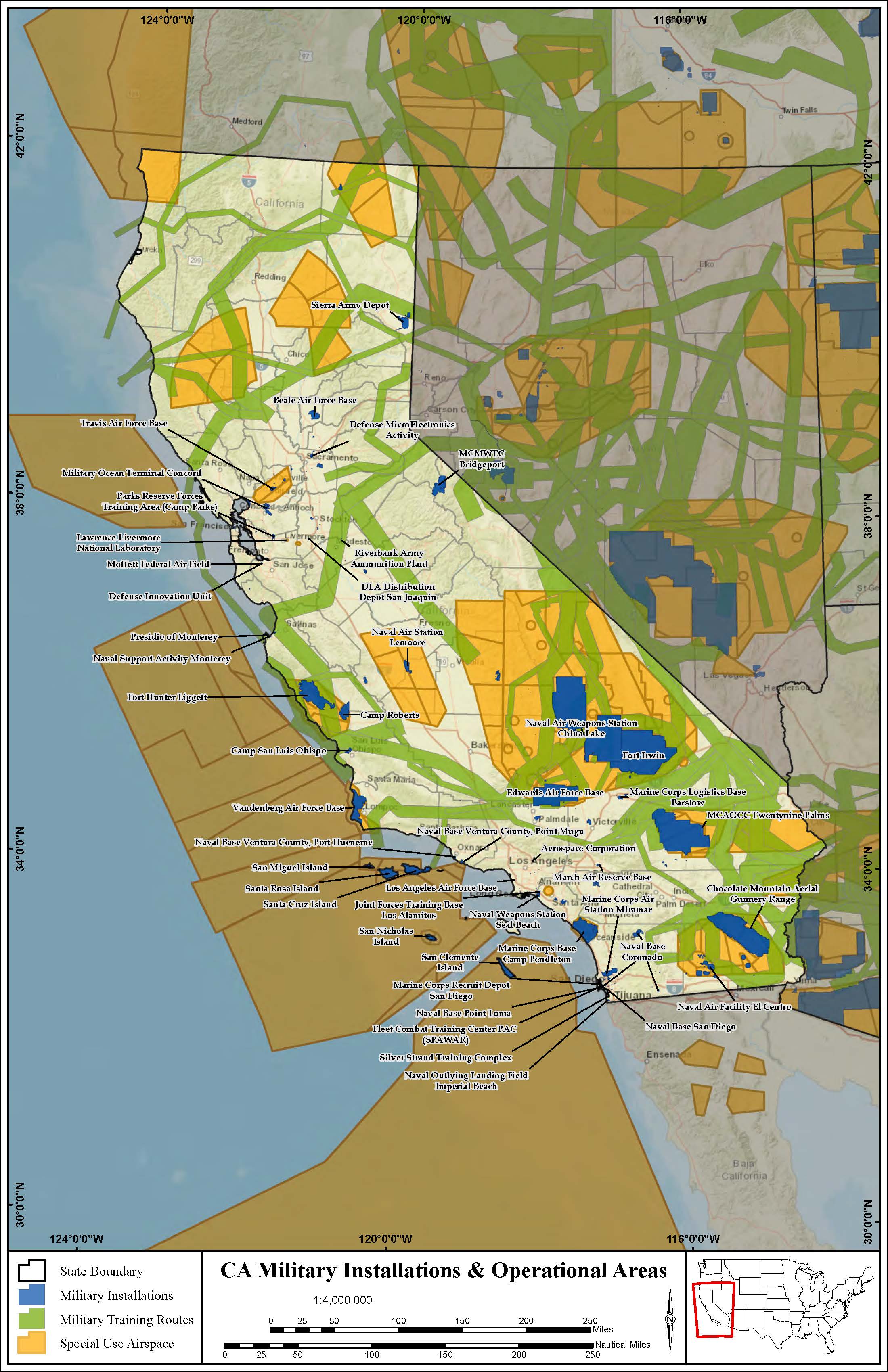
The Golden State’s Strategic Significance: A Defense Overview
The sheer concentration of military assets in California is no accident; it’s the result of strategic geographical advantages, historical developments, and continuous investment in defense infrastructure. From its expansive Pacific coastline to its vast desert training grounds and clear skies ideal for aviation, California provides an unparalleled environment for military operations across all branches. This strategic importance has woven the military deep into the fabric of the state, influencing everything from urban development to regional travel patterns.
A Rich History of Military Presence
The United States military’s roots in California stretch back to the mid-19th century, following the Mexican-American War and the state’s admission to the Union. Early outposts were established to protect nascent settlements, control trade routes, and secure the newly acquired territory. The Presidio of San Francisco, for example, began as a Spanish fortress in 1776 and later became a crucial American military post, highlighting the enduring strategic value of California’s geographical features. As the nation grew and its global influence expanded, especially with interests in the Pacific Ocean, California’s role as a military stronghold became increasingly vital. The Spanish-American War, World War I, and particularly World War II, saw an explosion in base construction and expansion across the state, transforming California into the logistical gateway to the Pacific Theater.
The Cold War further solidified California’s position as a defense powerhouse. The state became a nexus for aerospace research, missile development, and nuclear deterrence, attracting top scientific talent and massive federal investment. This era gave rise to iconic facilities like Edwards Air Force Base, a cradle of aviation innovation, and Vandenberg Air Force Base (now Vandenberg Space Force Base), a critical site for missile and space launches. This rich history means that many current installations are not just functional sites but also living landmarks, embodying decades of national service and technological advancement. Exploring these historical facets offers a unique travel experience, blending heritage with modern strategic importance.
The Enormous Scale: Quantifying California’s Military Footprint
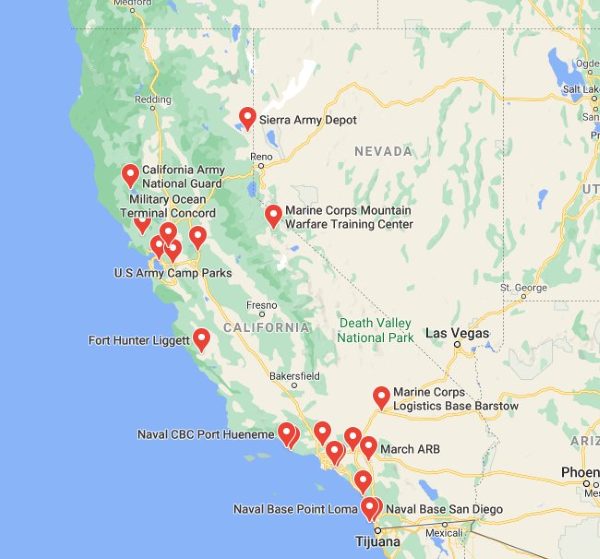
Pinpointing an exact, definitive number of military bases in California can be surprisingly complex, primarily due to the various classifications of military facilities. The term “military base” can encompass everything from major active installations with thousands of personnel to smaller reserve centers, National Guard armories, remote training ranges, testing sites, and administrative facilities. However, looking at major active installations alone, California is home to well over 30 significant military bases across all branches of the armed forces – Army, Navy, Marine Corps, Air Force, and Space Force, along with numerous Coast Guard stations.
When factoring in all active-duty, reserve, and National Guard facilities, as well as smaller operational sites and leased properties, the number easily climbs into the hundreds. This vast network covers diverse geographies, from sprawling desert training areas in the Mojave Desert to bustling naval ports in San Diego and airfields strategically located throughout the state. Each base serves a unique and critical purpose, contributing to a comprehensive defense strategy that leverages California‘s unique environment and resources. For travelers interested in unique destinations, the sheer scale implies that nearly every region of California has some connection to the military, often shaping the local culture and economy. Understanding this geographical spread helps to appreciate the immense economic and social impact these bases have on countless California communities, making them fascinating subjects for exploration.
Across Land, Sea, and Air: Major Military Installations by Branch
California‘s military landscape is a tapestry woven with the distinctive colors of each service branch. Each branch operates facilities tailored to its specific mission, taking advantage of California’s diverse geography to train, deploy, and innovate. This extensive presence translates into a wide array of attractions and experiences for those traveling through the state, from exploring naval history in coastal cities to understanding aerospace advancements in the high desert.
Army Presence: Training Grounds and Historic Posts
While the Navy and Marine Corps might have a more visible presence along California’s coastline, the U.S. Army maintains crucial installations, primarily focused on extensive training and specialized missions. The most prominent example is the Fort Irwin National Training Center, located deep within the Mojave Desert. Fort Irwin is one of the premier combat training centers in the world, providing realistic desert warfare simulations for active-duty and reserve units from across the globe. Its vast, rugged terrain is ideal for large-scale maneuvers, making it a critical asset for Army readiness. While access to the base is restricted, the sheer scale of its operations and its remote desert setting evoke a sense of its importance when driving through the region on routes like Interstate 15.
Another significant Army installation is the Presidio of Monterey, home to the famous Defense Language Institute Foreign Language Center. Situated in the picturesque city of Monterey on the central California coast, this facility is globally renowned for its intensive language education, training thousands of military personnel in critical foreign languages. The historic nature of the Presidio of Monterey, with its Spanish colonial heritage, offers a fascinating blend of history and modern military education. Visitors to Monterey can appreciate the elegant architecture and historical significance of the area, even if the institute itself is not open to the public. Nearby attractions like the Monterey Bay Aquarium and the scenic 17-Mile Drive make it an excellent travel destination, where the military presence subtly adds to the local character.
Naval and Marine Corps Powerhouses Along the Pacific Coast
Given California‘s extensive coastline and strategic position on the Pacific Rim, it’s no surprise that the U.S. Navy and Marine Corps have an immense presence here. Their installations are vital for projecting naval power, conducting amphibious operations, and training expeditionary forces.
The city of San Diego is arguably the most significant naval hub on the West Coast, home to Naval Base San Diego. This sprawling complex houses a substantial portion of the Pacific Fleet, including aircraft carriers, destroyers, frigates, and hospital ships. The iconic skyline of San Diego Bay is often graced by these majestic vessels, a testament to the city’s deep connection with the Navy. For tourists, the San Diego waterfront offers unparalleled opportunities to witness naval activity, and the USS Midway Museum, an aircraft carrier turned floating museum, provides an immersive experience into naval aviation history. Further north, Naval Air Station Lemoore in the Central Valley is the Navy’s master jet base on the West Coast, home to numerous squadrons of F/A-18 Super Hornets, making it a crucial training ground for naval aviators. Meanwhile, Naval Air Weapons Station China Lake, located in the Mojave Desert, is a vast, remote facility dedicated to research, development, acquisition, testing, and evaluation of weapons systems. Its desolate location ensures maximum safety and secrecy for cutting-edge military innovation.
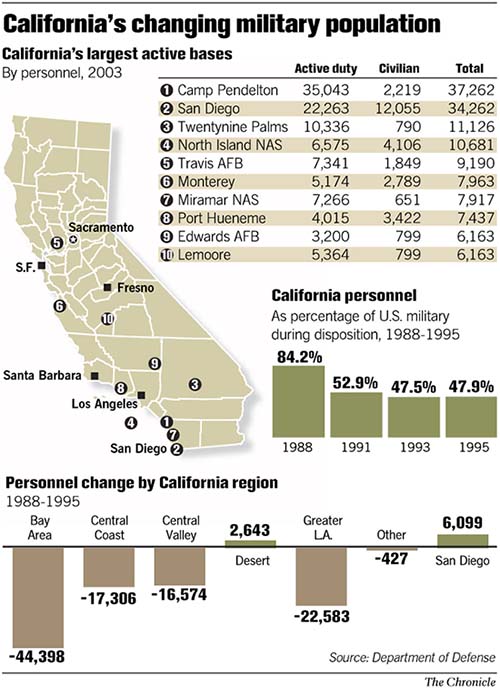
The Marine Corps also has a formidable presence, especially in Southern California. Marine Corps Base Camp Pendleton, situated between Oceanside and San Clemente, is the Marine Corps’ premier amphibious assault training base on the West Coast. Its diverse terrain, including beaches, mountains, and urban training areas, allows for comprehensive preparations for global contingencies. The sheer scale of Camp Pendleton is breathtaking, covering over 125,000 acres, and its existence significantly shapes the lifestyle and demographics of nearby coastal towns. Further inland, in the desert, is Marine Corps Air Ground Combat Center Twentynine Palms, the Marine Corps’ largest base and one of its most important training facilities globally, specializing in combined-arms live-fire and maneuver training. Its remote location in the Mojave Desert is ideal for simulating modern combat environments. Lastly, Marine Corps Air Station Miramar in San Diego is a vital aviation hub, known for hosting the annual MCAS Miramar Air Show, a spectacular event that draws hundreds of thousands of visitors and showcases incredible aerial displays. These bases represent not just military installations but also significant landmarks within their regions, drawing visitors for various reasons, from family visits to airshow attendance.
Air Force and Space Force: Guardians of the Skies and Beyond
California’s clear skies and sprawling, sparsely populated deserts have long made it an ideal location for air power and aerospace innovation. The U.S. Air Force and the newly established U.S. Space Force leverage these conditions with several key installations.
Edwards Air Force Base, located in the Antelope Valley of the Mojave Desert, is legendary. Known as the “Home of Aerospace Innovation,” it has been the proving ground for virtually every significant aircraft in American history, from the X-1’s first supersonic flight to the Space Shuttle landings. The base’s vast dry lakebeds provide natural runways of immense length, perfect for experimental flight testing. While entry is restricted, the history of aviation legends and groundbreaking tests permeates the surrounding communities, and nearby museums like the Antelope Valley California Poppy Reserve offer a glimpse of the unique desert landscape that fosters such innovation.
Travis Air Force Base, near Fairfield in Northern California, is often referred to as the “Gateway to the Pacific.” As the largest air mobility organization in the Air Force, it plays a crucial role in global reach, providing rapid airlift and aerial refueling capabilities. Its strategic location makes it a vital logistical hub for operations across the Pacific and beyond. The presence of Travis AFB significantly impacts the lifestyle and economy of the surrounding Solano County region, attracting military families and supporting businesses.
Perhaps most emblematic of California’s evolving military role is Vandenberg Space Force Base, formerly Vandenberg Air Force Base. Located on the central California coast near Lompoc, it is the premier launch site for military and commercial satellites into polar orbit in the United States. It also plays a critical role in intercontinental ballistic missile testing and missile defense. The sight of a rocket launch from Vandenberg is a breathtaking experience, visible for miles along the coast, drawing tourists and space enthusiasts to the area. Its remote coastal setting, offering stunning natural beauty, underscores the unique intersection of defense and environmental preservation in California. These Air Force and Space Force installations are not just bases; they are centers of scientific advancement and operational readiness that define California‘s contribution to national security and global exploration.
The Interwoven Fabric: Military Bases, Tourism, and California Lifestyle
The extensive military presence in California is far more than a collection of strategic installations; it is deeply interwoven with the state’s economy, culture, and lifestyle. These bases act as significant economic engines, shape local communities, and create unique travel opportunities for visitors and residents alike. From bustling coastal cities to quiet desert towns, the influence of the military is a distinct thread in California‘s diverse tapestry.
Economic Engines and Community Catalysts
Military bases are economic powerhouses, injecting billions of dollars annually into the California economy. This impact comes from various sources: direct employment of military personnel and civilian staff, substantial government contracts for goods and services, and the ripple effect of military families purchasing homes, using local services, and contributing to the tax base. Towns adjacent to large bases, such as Oceanside near Camp Pendleton or Lemoore near NAS Lemoore, often see their economies heavily reliant on the base, providing everything from housing and restaurants to retail and entertainment for military personnel and their families. This constant flow of federal funding helps stabilize local economies, especially in regions that might otherwise struggle.
Beyond direct financial contributions, military bases foster unique communities. The presence of service members, veterans, and their families creates a distinctive culture characterized by patriotism, a sense of service, and a strong community spirit. Many towns host parades, memorial events, and support programs that honor their military residents. This social fabric adds a rich layer to the California lifestyle, providing a sense of shared purpose and identity in diverse geographic areas, and offering a welcoming atmosphere for military families looking for long-term stay options or vacation rentals during transitions.
Travel and Accommodation Around Military Hubs
For travelers, the presence of military bases often means access to a robust hospitality infrastructure. Whether visiting family stationed at a base, attending a graduation, or exploring military history, tourists will find ample accommodation options. Cities like San Diego, with its numerous naval and Marine Corps facilities, boast a wide range of hotels, from budget-friendly inns to luxury resorts such as the Hotel del Coronado. Many hotels cater specifically to military guests, sometimes offering special rates or amenities. Similarly, towns like Lompoc, near Vandenberg Space Force Base, or Barstow, close to Fort Irwin, have a variety of motels, extended-stay hotels, and even vacation rentals to accommodate visiting families and contractors.
The constant movement of personnel, contractors, and visitors also stimulates a vibrant local travel scene. Restaurants, attractions, and local businesses thrive on the patronage of military-affiliated individuals. For those interested in extended stays, particularly for military families relocating or individuals on long-term assignments, the availability of apartments, suites, and short-term rentals in areas like San Diego or Ventura County (near Naval Base Ventura County) is a crucial aspect of the lifestyle around these bases. The convenience of booking through various platforms, with clear reviews and comparison options, is a key consideration for this demographic. These areas represent destinations where local culture is subtly yet definitively shaped by the military presence.
Exploring Military Landmarks and Related Attractions
For history buffs and curious travelers, California’s military heritage offers a wealth of landmarks and attractions. The USS Midway Museum in San Diego is a prime example, providing an unparalleled look at naval aviation aboard a historic aircraft carrier. Its interactive exhibits and real aircraft make it a top tourist attraction. Other noteworthy sites include the March Field Air Museum near Riverside, which showcases a vast collection of vintage aircraft and artifacts from the adjacent March Air Reserve Base.
Beyond museums, military bases occasionally host open house events or air shows, like the MCAS Miramar Air Show in San Diego, which are spectacular demonstrations of aerial prowess and military technology. These events offer a rare glimpse into the capabilities of the armed forces and are major draws for tourism, providing unique experiences for families and aviation enthusiasts. Even without direct access to bases, many historical monuments and memorials across California honor the service and sacrifice of military personnel, from the Korean War Veterans Memorial in San Francisco to local veterans’ parks in countless communities. These landmarks are not just static displays but often serve as focal points for local culture and tourism, inviting reflection and appreciation for the state’s military contributions. Such explorations offer a deep dive into the historical and ongoing role of the military in shaping California’s identity.
Conclusion
California stands as a testament to the dynamic interplay between natural beauty, economic prosperity, and strategic defense. Far from being merely a sun-drenched playground, the Golden State is home to a robust and essential network of military bases, each playing a vital role in national security. From the cutting-edge aerospace testing at Edwards Air Force Base to the bustling naval operations in San Diego and the rigorous training grounds of Fort Irwin and Camp Pendleton, California’s military footprint is immense and indispensable.
These installations are more than just defensive outposts; they are integral to the California lifestyle, profoundly influencing local economies, shaping community identities, and creating unique travel and accommodation opportunities. For those exploring the state, understanding this deep military connection enriches the travel experience, revealing historical landmarks, cultural insights, and the profound impact of service on the diverse communities that thrive alongside these bases. Whether you are a history buff, an aviation enthusiast, a military family, or simply a curious traveler, the question of “How many military bases are in California?” opens a gateway to a fascinating and often unseen dimension of this iconic American state, making it an even more compelling destination for exploration.
LifeOutOfTheBox is a participant in the Amazon Services LLC Associates Program, an affiliate advertising program designed to provide a means for sites to earn advertising fees by advertising and linking to Amazon.com. Amazon, the Amazon logo, AmazonSupply, and the AmazonSupply logo are trademarks of Amazon.com, Inc. or its affiliates. As an Amazon Associate we earn affiliate commissions from qualifying purchases.