
The allure of the exotic is a powerful draw for many. From seeking out unique travel destinations to exploring diverse local cultures, our fascination with the extraordinary often shapes our lifestyle choices. Among the most intriguing desires for some is the idea of sharing their home with a primate, particularly a monkey. The notion of owning such an intelligent and charismatic creature in the Lone Star State, Texas, raises a fascinating question: is it even legal, and more importantly, is it responsible? This article delves into the complex legal landscape, ethical considerations, and practical realities surrounding monkey ownership in Texas, encouraging a thoughtful exploration of responsible engagement with wildlife, whether through travel or daily life.
The Lure of the Exotic: Why Monkeys as Pets?
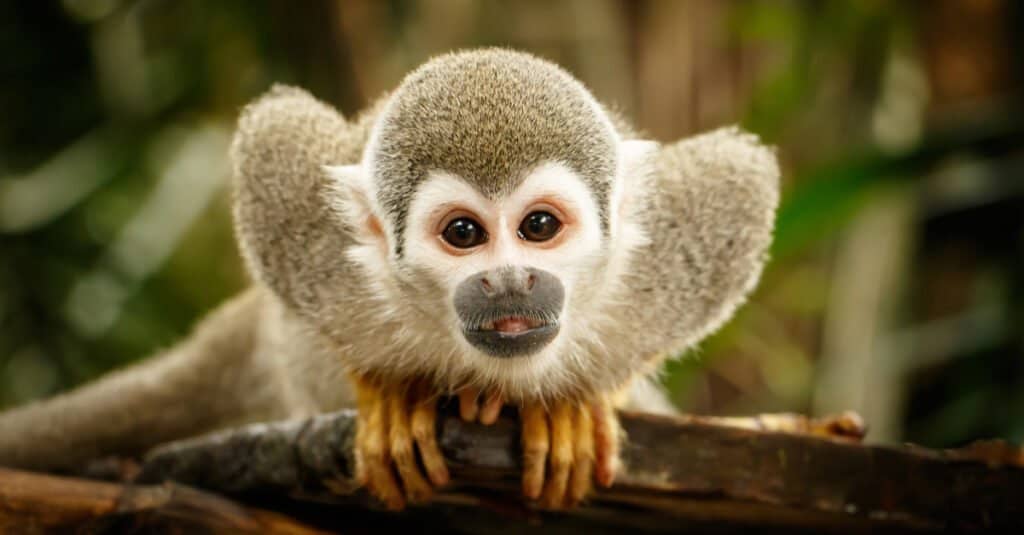
The romanticized image of a capuchin monkey perched on a shoulder or a playful marmoset scampering through a home is often fueled by media portrayals and a deep-seated human curiosity about the wild. For those with a penchant for unique experiences and a desire to connect with nature on a profound level, the idea of owning a monkey can seem like the ultimate expression of an adventurous lifestyle. However, the reality of primate ownership is vastly different from the fantasy, especially when considering the intricate needs of these highly evolved animals.
Understanding the Appeal
Monkeys are undeniably captivating. Their intelligence, dexterity, and often human-like expressions can create a powerful bond, leading many to believe they would make excellent companions. For some, the appeal lies in the challenge of caring for a unique creature, a departure from conventional pets like dogs or cats. It speaks to a desire for something extraordinary, a conversation starter, or perhaps an extension of a luxury travel mindset where unique experiences are highly valued. The thought of fostering such a rare connection can be incredibly tempting, tapping into our instinctual wonder for the animal kingdom and our drive to explore the uncharted territories of companionship.
The Reality vs. The Fantasy
The fantasy of owning a monkey often overlooks the harsh realities. Unlike domesticated animals that have evolved over millennia to coexist with humans, monkeys retain their wild instincts. They are not miniature people in furry suits; they are complex, social, and often unpredictable creatures with specific biological and psychological needs that are nearly impossible to meet fully in a domestic setting. What begins as an adorable, manageable infant can quickly grow into a strong, potentially aggressive, and destructive adult that requires specialized care, significant financial investment, and a lifelong commitment far beyond what most owners anticipate. The romanticized image often fails to convey the biting, scratching, elaborate enrichment, specialized diets, and potential zoonotic disease transmission that come with primate ownership.
Navigating the Legal Landscape: Owning a Monkey in Texas
The question of whether one can own a monkey in Texas is multifaceted, involving a patchwork of state, federal, and local regulations. While some states have outright bans on private primate ownership, Texas operates under a more nuanced system, creating a complex web that potential owners must meticulously navigate. This legal framework is largely driven by public safety concerns, animal welfare considerations, and the desire to prevent the illicit trade of endangered species.
Texas State Laws: Permits and Prohibitions
At the state level, Texas does not impose a blanket ban on owning all species of monkeys. However, it does classify certain primates under its “Dangerous Wild Animal Act,” which includes many commonly sought-after species. For animals listed under this act, a certificate of registration is required from the animal’s custodian or owner. This registration process is overseen by county clerks and involves strict requirements. Owners must prove they have adequate liability insurance (typically $100,000 for each dangerous wild animal), ensure the animal is housed in a secure, escaped-proof enclosure, and provide a detailed plan for the animal’s care, including veterinary attention. The purpose of these stringent requirements is to protect both the public and the animals themselves. Species like chimpanzees, gorillas, and orangutans are generally prohibited, or subject to extremely strict regulations. Smaller primates, such as some types of marmosets or capuchins, might be allowed under permit, but their legal status can vary significantly. The Texas Parks and Wildlife Department provides guidance on these regulations, emphasizing the state’s commitment to responsible wildlife management.
Federal Regulations and Interstate Travel
Beyond state lines, federal regulations come into play, particularly concerning the interstate and international trade of primates. The U.S. Department of Agriculture (USDA) regulates certain aspects of exotic animal ownership, especially for individuals or entities that breed, sell, or exhibit animals. While private pet owners typically aren’t directly regulated by the USDA unless they are involved in commercial activities, federal laws like the Animal Welfare Act still set standards for humane care and treatment that can indirectly influence state and local regulations. Furthermore, the Convention on International Trade in Endangered Species of Wild Fauna and Flora (CITES) governs the international trade of many primate species. Attempting to acquire a monkey from outside the country without proper permits is not only illegal but also contributes to global wildlife trafficking, an issue of significant concern for ethical tourism and conservation advocates. Traveling with a primate, even domestically, can also be fraught with legal complexities, given the varying laws of different states and counties.
Local Ordinances: A Patchwork of Rules
Perhaps the most challenging aspect of understanding monkey ownership in Texas is the variability of local ordinances. While state law provides a general framework, individual cities and counties have the authority to enact stricter bans or regulations. For example, some of the state’s largest cities have explicit prohibitions against private primate ownership. Houston and Dallas, for instance, have strong ordinances against owning most exotic animals, including monkeys, within city limits. Austin and San Antonio also have their own specific rules, which can range from requiring permits and strict enclosures to outright bans. This means that even if state law permits a specific monkey species with a certificate of registration, a city or county ordinance could still prohibit it. Therefore, anyone considering primate ownership in Texas must thoroughly research the specific regulations of their intended residence, a critical step often overlooked in the excitement of acquiring an exotic pet. This localized approach highlights the importance of understanding the specific cultural and legal landscape of any destination, a principle as relevant to exotic pet ownership as it is to travel planning.
The Ethical and Practical Realities of Primate Ownership
Beyond the legalities, a far more significant consideration for anyone contemplating monkey ownership revolves around ethics and practicality. Primates are not pets in the traditional sense; they are wild animals with complex needs that are incredibly difficult, if not impossible, to fully satisfy in a human home. The decision to bring a monkey into one’s life carries a profound ethical responsibility, demanding a level of commitment and specialized knowledge that few are truly prepared for.
A Lifetime Commitment: Specialized Care and Costs
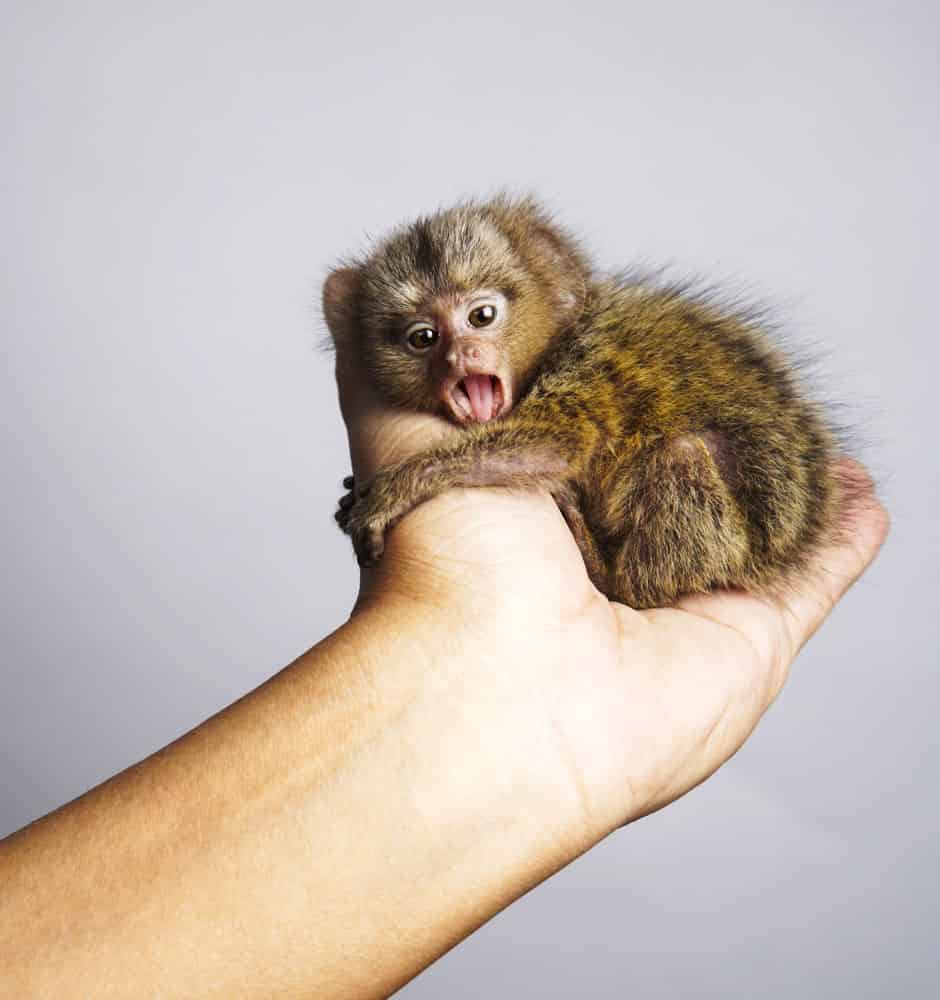
Owning a monkey is a lifelong commitment, often spanning 20 to 40 years, depending on the species. This is a commitment comparable to, or even exceeding, raising a human child. Their dietary needs are incredibly specific and costly, requiring a balanced diet of fresh fruits, vegetables, specialized monkey chow, and supplements. Providing proper housing means constructing large, secure, and stimulating enclosures that mimic their natural habitat, offering climbing structures, swings, and environmental enrichment to prevent boredom and destructive behaviors. These enclosures must be cleaned daily, a task that can be hazardous due to the strength and potential aggression of some species.
Veterinary care for primates is another significant expense. Finding a veterinarian qualified and willing to treat exotic animals, particularly primates, can be challenging and expensive. Monkeys are susceptible to various human diseases, including colds, flu, and herpes viruses, which can be fatal to them. Conversely, they can also transmit zoonotic diseases to humans. The sheer financial burden—from initial purchase costs (which can run into thousands of dollars) to ongoing food, housing, medical, and enrichment expenses—is often underestimated, easily totaling tens of thousands of dollars over the animal’s lifetime. This level of dedication and financial planning is an essential aspect of responsible lifestyle choices, whether it’s managing travel budgets or caring for a pet.
Health Risks and Safety Concerns
Monkeys, regardless of how tame they may seem, are wild animals. They possess sharp teeth and strong jaws, capable of inflicting serious bites. As they mature, especially males, they can become increasingly aggressive, territorial, and unpredictable, posing significant safety risks to their owners, family members, and anyone who comes into contact with them. Many species are incredibly strong, agile, and prone to sudden, unprovoked attacks, especially during breeding seasons or when feeling threatened. The risk of disease transmission is also a serious concern. Monkeys can carry zoonotic diseases such as Herpes B virus, tuberculosis, measles, and various parasites, all of which can be transmitted to humans and cause severe illness or even death. This is not just a risk for the owner but for the wider community, especially if the animal escapes or interacts with others.
The Complex Social Lives of Primates
Perhaps the most overlooked aspect of primate welfare in captivity is their incredibly complex social and psychological needs. In the wild, monkeys live in intricate social groups, forming hierarchies, grooming alliances, and engaging in constant communication. Depriving a monkey of this natural social structure can lead to severe psychological distress, including self-mutilation, aggression, depression, and abnormal behaviors. A human family, no matter how loving, cannot replicate the nuanced social dynamics of a monkey troop. Even if an owner were to acquire multiple monkeys, managing multiple wild animals with their own territorial and social needs adds another layer of complexity. The ethical question then becomes: is it fair to subject such a socially complex creature to a solitary or isolated existence, or to an environment that inherently frustrates its natural instincts? This question resonates with the principles of responsible tourism, which advocates for respecting local cultures and natural habitats rather than exploiting them for personal gratification.
Responsible Engagement with Primates: Beyond Pet Ownership
For those captivated by primates, there are far more ethical and sustainable ways to engage with these magnificent creatures than private ownership. Aligning with principles of responsible tourism and animal welfare, these alternatives allow for observation, learning, and contribution to conservation efforts without compromising the well-being of the animals. This approach reflects a conscious lifestyle choice that prioritizes respect for nature and wildlife.
Ecotourism and Wildlife Sanctuaries
One of the most enriching ways to appreciate primates is through ecotourism, visiting their natural habitats where they can thrive in their own complex societies. Destinations like Costa Rica offer incredible opportunities to observe howler monkeys, capuchins, and spider monkeys in their lush rainforest homes, contributing to local economies that rely on conservation. Similarly, journeys to the Amazon in Brazil or the jungles of Thailand can provide unparalleled experiences with a diverse range of primate species, from marmosets to macaques. When planning such trips, it’s crucial to choose reputable tour operators that adhere to strict ethical guidelines, ensuring minimal disturbance to the animals and their environment.
Alternatively, supporting and visiting legitimate wildlife sanctuaries and rescue centers offers a chance to see primates up close while contributing to their care and rehabilitation. These facilities often house primates rescued from the illegal pet trade or from abusive situations, providing them with a safe, enriched environment as close to their natural habitat as possible. In Texas, a notable example is Primarily Primates near San Antonio, which offers a lifelong home to hundreds of nonhuman primates and other exotic animals, many of whom were victims of the pet trade or used in research. Visiting such sanctuaries, when open to the public, provides an educational experience and direct support for their vital work.
Supporting Conservation Efforts
Another impactful way to express an interest in primates is by supporting organizations dedicated to their conservation. Numerous international and local non-profits work tirelessly to protect primate habitats, combat poaching and illegal trade, and educate communities about the importance of these animals to global biodiversity. Donating to or volunteering with such groups helps safeguard wild populations and ensures a future for these incredible species. This kind of active support aligns with a responsible lifestyle that seeks to make a positive impact on the world, extending beyond personal gratification to global stewardship.
Educational Opportunities: Zoos and Rescue Centers
Accredited zoos play a vital role in education, conservation, and research. Institutions like the Houston Zoo or the Dallas Zoo provide opportunities for the public to observe a wide array of primate species in carefully managed environments. These zoos often participate in Species Survival Plans (SSPs), breeding programs designed to maintain healthy, genetically diverse populations of endangered animals. While some may debate the ethics of keeping animals in captivity, modern accredited zoos prioritize animal welfare, enrichment, and education, serving as crucial hubs for conservation awareness. They offer a safe and informative way for families and individuals to learn about different monkey species, their behaviors, and the challenges they face in the wild, without the ethical quandaries or practical burdens of private ownership.
Making Informed Choices for a Sustainable Future
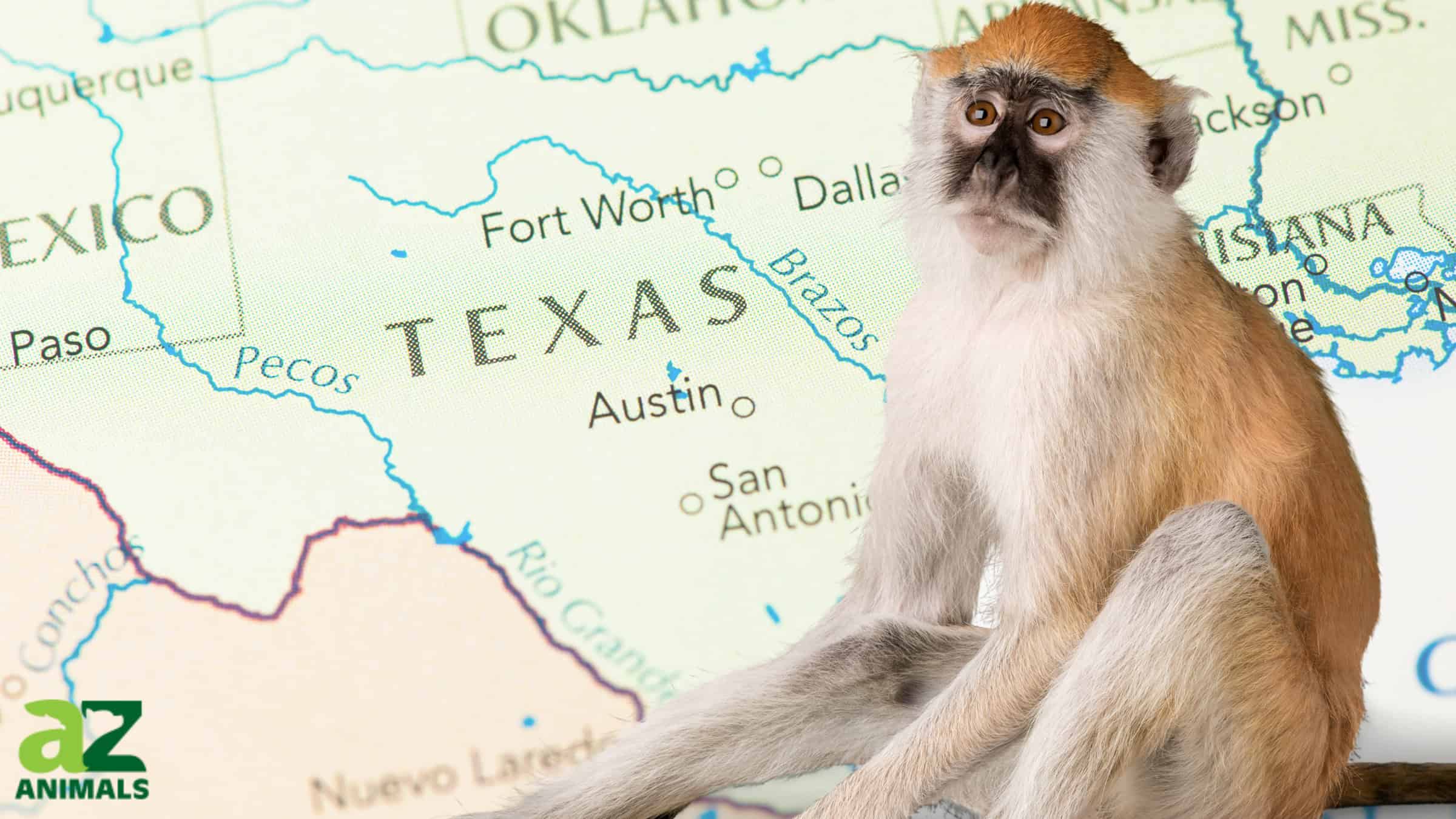
The question “Can you own a monkey in Texas?” ultimately reveals a deeper conversation about our relationship with wildlife and our responsibility as inhabitants of this planet. While the letter of the law in some parts of Texas might allow for certain types of primate ownership under strict conditions, the spirit of responsible animal welfare and ethical living strongly cautions against it. The immense challenges, high costs, potential dangers, and the undeniable compromise to the animal’s natural well-being make private primate ownership an undertaking rarely advisable.
Instead, for those drawn to the intelligence and charisma of monkeys, the path forward lies in education, conservation, and responsible engagement. Embracing a lifestyle that values sustainable travel, supports ethical sanctuaries, and contributes to the protection of natural habitats offers a far more rewarding and impactful way to appreciate these extraordinary creatures. Whether planning a trip to a far-off destination to witness monkeys in their natural splendor or supporting local conservation efforts from home, these choices reflect a commitment to a future where wildlife thrives, both in Texas and across the globe. By making informed, ethical decisions, we can ensure our fascination with the exotic contributes to a sustainable and compassionate world, rather than detracting from it.
LifeOutOfTheBox is a participant in the Amazon Services LLC Associates Program, an affiliate advertising program designed to provide a means for sites to earn advertising fees by advertising and linking to Amazon.com. Amazon, the Amazon logo, AmazonSupply, and the AmazonSupply logo are trademarks of Amazon.com, Inc. or its affiliates. As an Amazon Associate we earn affiliate commissions from qualifying purchases.