
California, often dubbed the Golden State, is a land of dreams, diverse landscapes, and unparalleled experiences. From the sun-drenched beaches of San Diego to the majestic peaks of Yosemite National Park, the bustling cityscapes of Los Angeles and San Francisco to the serene vineyards of Napa Valley, its allure is undeniable. Millions flock here annually, whether for a dream vacation, a spontaneous road trip, or even to embark on a new lifestyle journey. However, beneath the veneer of endless sunshine and innovation lies a crucial aspect of planning any visit or relocation: understanding the state’s tax structure.
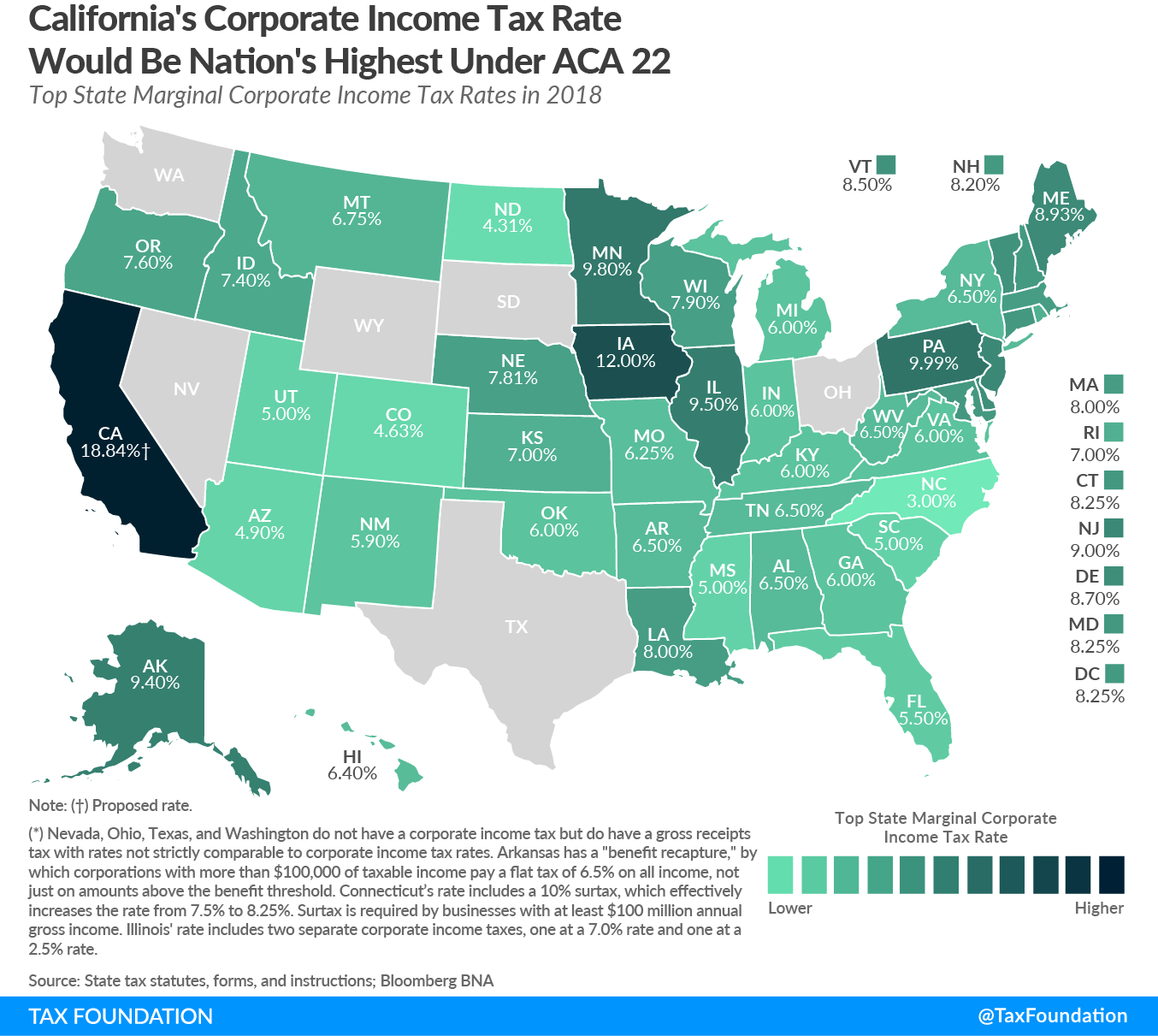
California is renowned for its progressive tax policies, which directly impact everything from the price of a souvenir to the cost of a luxury resort stay, fueling a cross-state adventure, or even purchasing your dream property. For travelers, awareness of sales tax and transient occupancy taxes can significantly influence your budgeting for hotels and daily expenditures. For those considering a longer stay, working remotely, or even contemplating a move to this vibrant state, income and property taxes become central to financial planning. Navigating California‘s tax landscape doesn’t have to be daunting. By understanding the various taxes and how they apply, you can budget effectively, make informed choices, and ensure your experience in the Golden State is as smooth and enjoyable as possible.
Understanding California’s Tax Landscape for Travelers and Residents
California’s tax system is comprehensive, designed to support its vast infrastructure and public services. While often perceived as having higher taxes compared to some other states in the United States, these contributions fuel everything from its world-class national parks to its cutting-edge educational institutions and bustling urban centers. Whether you’re a short-term visitor or envisioning a long-term stay, familiarizing yourself with the primary state taxes is paramount for effective financial planning.
The Golden State’s Income Tax: A Scale of Living
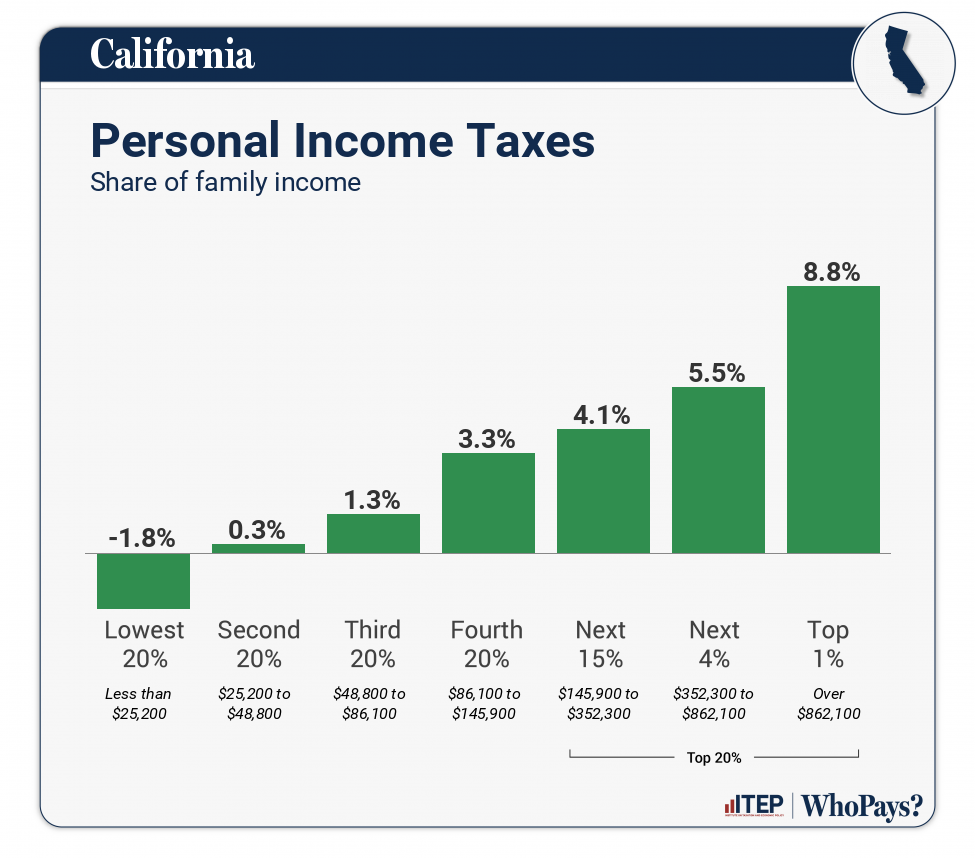
For anyone earning income within California, whether as a resident, a remote worker, or someone engaging in specific business activities, the state’s progressive income tax is a significant factor. California boasts one of the highest top marginal income tax rates in the United States, reaching over 13% for high-earners. However, it’s crucial to understand that this is a progressive system, meaning different income brackets are taxed at different rates. Lower income brackets pay a much smaller percentage.
This tax primarily impacts residents and those with substantial earnings sourced from the state. For many travelers, particularly those on short vacations, state income tax is not a direct concern. However, for digital nomads considering an extended stay, or individuals exploring relocation for a new lifestyle, understanding this tax is vital. It directly affects your disposable income, influencing choices between luxury experiences, such as a stay at the Waldorf Astoria Beverly Hills or a Ventana Big Sur getaway, versus more budget-friendly accommodation and activity options. The net effect of income tax considerations can be the deciding factor for many when comparing the cost of living and working in California versus states with lower or no income tax.
Sales Tax: What You Pay for Goods and Services
Sales tax is perhaps the most universally encountered tax for both visitors and residents alike. Every time you purchase goods, dine out, or buy souvenirs, you’ll encounter California’s sales tax. The statewide base rate is currently 7.25%, but this is just the starting point. Local district taxes are added on top, meaning the actual sales tax rate you pay can vary significantly depending on the city and county you are in. It’s not uncommon to see combined rates pushing 9% or even 10% in popular urban areas such as Los Angeles or San Francisco.
This variation is important for budgeting. A shopping spree on Rodeo Drive in Beverly Hills will incur a sales tax, as will groceries purchased for a self-catering apartment stay. Even a simple coffee or a meal at a restaurant will have sales tax tacked onto the bill. For travelers, this means factoring an additional 7-10% into your daily spending estimates for food, clothing, and other purchases. For residents, it adds to the overall cost of living, from household essentials to leisure items. Being aware of these local variations can even influence where you choose to shop, potentially saving a small percentage on larger purchases by opting for stores in areas with lower district taxes.
Beyond the Basics: Hidden Costs and How They Affect Your Stay
While income and sales taxes are fairly straightforward, other less obvious taxes can significantly impact your travel budget, particularly concerning accommodation and transportation. These “hidden” costs are often added at the point of sale or booking, and overlooking them can lead to unexpected expenses. Understanding these additional levies is crucial for accurate budgeting and ensuring a smooth financial experience during your California adventure.
Transient Occupancy Taxes (TOT): Your Hotel Bill Explained
For anyone planning to stay in a hotel, motel, resort, or even a short-term vacation rental in California, the Transient Occupancy Tax (TOT) is a mandatory addition to your bill. Often referred to as a “hotel tax” or “bed tax,” the TOT is a local tax levied by cities and counties on the rent charged for temporary lodging. The rates vary dramatically across the state, and these variations can significantly impact the final cost of your accommodation, especially for longer stays or luxury bookings.
For example, a city like San Francisco or Anaheim (home to Disneyland) might have TOT rates upwards of 14-16%, while a smaller town or rural area could have rates closer to 8-10%. This means that a nightly room rate of $200 could easily become $230 or more after TOT is applied. For families visiting Disneyland for a week or couples enjoying a romantic retreat in Santa Barbara, this additional percentage can add hundreds of dollars to the total accommodation cost. When comparing prices on booking platforms, always look for the “total price” including taxes and fees to get an accurate picture. This tax is a cornerstone of funding for local tourism initiatives and public services, making it an integral part of your travel expenses.
Fueling Your California Adventures: The Gasoline Tax
Exploring California often involves hitting the open road, whether it’s cruising the Pacific Coast Highway, venturing into the deserts of Death Valley National Park, or exploring the towering redwoods. For road trippers and anyone renting a car, the cost of gasoline is a significant component of the travel budget, and California has one of the highest gasoline taxes in the United States.
The gasoline tax in California is a complex mix of excise tax, sales tax, and other regulatory fees that are built into the per-gallon price you see at the pump. This combined tax adds a substantial amount to the cost of every gallon of fuel, making it noticeably more expensive to fill up your tank here compared to many other states. This directly impacts the feasibility and cost of extended road trips to destinations like Big Sur, Lake Tahoe, or even daily commutes for residents in sprawling metropolitan areas. When planning your journey, factor in higher fuel costs, especially if your itinerary involves extensive driving. Budgeting for this expense is just as important as allocating funds for hotels and attractions, as it can significantly affect the overall affordability of your California adventure.
Strategic Budgeting: Navigating Taxes for an Unforgettable California Experience
While the various state and local taxes in California might seem substantial, they don’t have to derail your travel plans or lifestyle aspirations. With a bit of strategic planning and awareness, you can navigate these costs effectively, ensuring your visit or residency in the Golden State remains an unforgettable and financially manageable experience. Informed choices about where you stay, what you buy, and how long you plan to be in certain areas can make a noticeable difference in your overall spending.
Planning Your Trip: Cities, Regions, and Tax Variations
The key to smart budgeting in California often lies in understanding regional tax differences. As mentioned, both sales tax and Transient Occupancy Taxes (TOT) vary significantly from one city or county to another. Before booking your accommodation, take a moment to research the specific TOT rates for your intended destinations. For example, staying in a hotel in downtown Sacramento might incur a lower TOT than a comparable stay in the heart of San Francisco or a [luxury resort] in Palm Springs. This doesn’t mean you should avoid high-tax areas, but rather, that you should factor these differences into your budget.
When it comes to shopping, consider whether making larger purchases in areas with slightly lower sales tax rates is feasible, or opting for outlet malls, which can often offer better deals. For accommodation, exploring alternatives like longer-term apartment rentals or boutique hotels outside the absolute prime tourist zones might not only offer a unique local experience but also potentially come with slightly different tax implications or overall lower costs. For longer stays, especially, booking an apartment through platforms might subject you to different local regulations than traditional hotels, though TOT still generally applies to short-term rentals. Additionally, balance your spending by exploring the numerous free attractions California offers, such as its stunning beaches, scenic hiking trails, and world-class public parks.
Lifestyle Choices and Their Tax Implications
Your lifestyle choices in California are intrinsically linked to the tax environment. For luxury travelers, budgeting for higher sales taxes on high-end purchases and elevated TOT rates on premium accommodations, like those in Beverly Hills or during Napa Valley wine tours, is simply part of the experience. These taxes contribute to the upkeep and allure of the very destinations that attract high-end tourism.
For budget travelers, strategies include cooking some meals in accommodations with kitchenettes, choosing hotels or vacation rentals slightly outside the most expensive tourist hubs, and utilizing California’s robust public transportation systems in cities like Los Angeles and San Francisco to minimize fuel costs. Being mindful of sales tax on everyday items and planning ahead for gas stops can help stretch your dollar further.
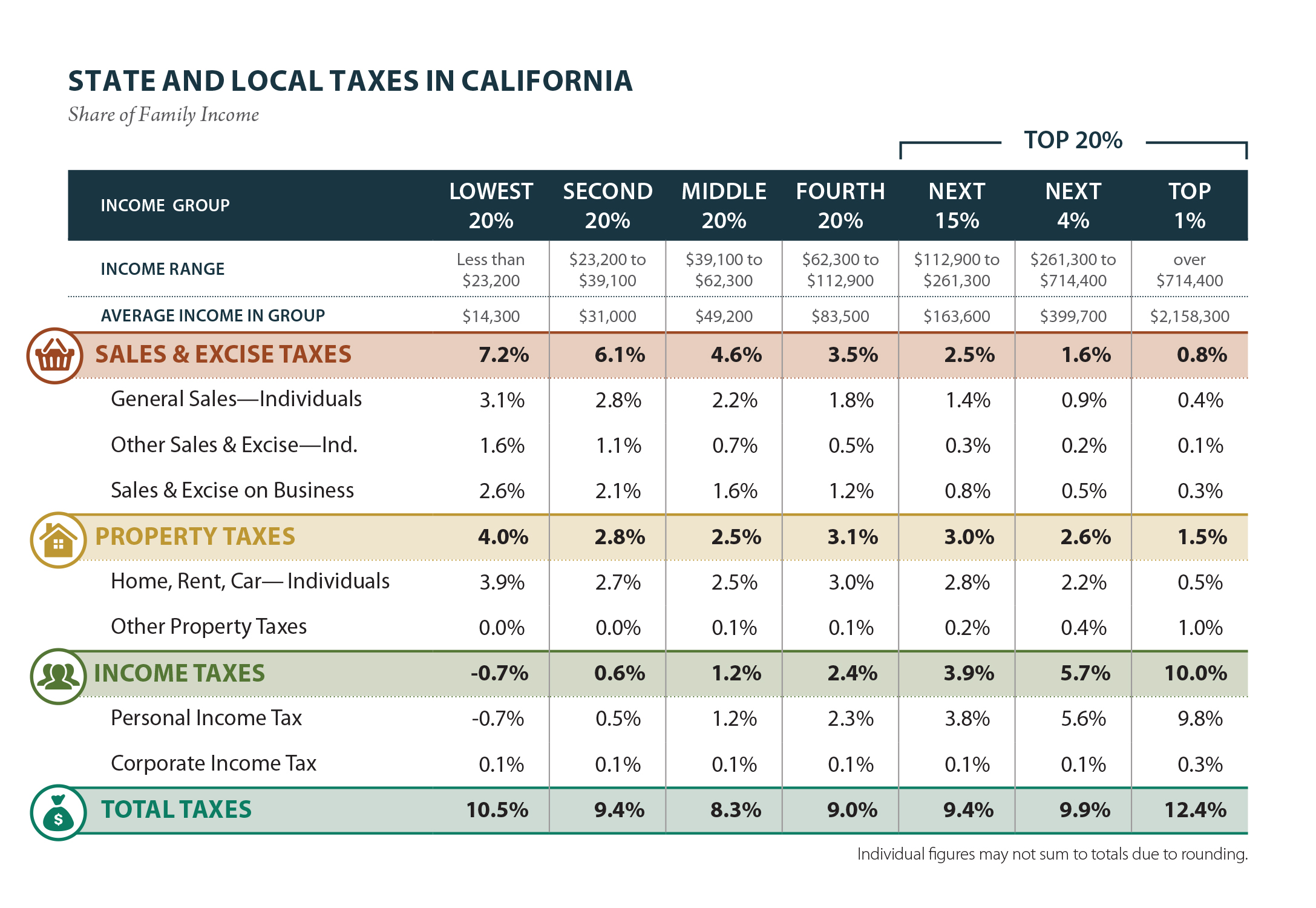
For those considering a long-term stay or relocation to California, a much deeper dive into income and property taxes is essential. Income tax brackets will dictate a significant portion of your take-home pay, impacting your overall quality of life. Property taxes, assessed by county and based on a property’s value (with specific Proposition 13 rules), can vary wildly and are a major ongoing expense for homeowners. Consulting with a financial advisor familiar with California’s tax laws is highly recommended for anyone making such a significant lifestyle change. Even for business travelers, understanding deductible expenses can mitigate some of the tax burdens.
Ultimately, while California may have a reputation for higher taxes, these contributions are fundamental to maintaining its vibrant culture, stunning natural resources, and dynamic economy. By approaching your visit or move with an informed perspective on the tax landscape, you can make smarter financial decisions, freeing you up to fully immerse yourself in the unparalleled experiences the Golden State has to offer. Whether it’s a stroll on the Santa Monica Pier, a drive across the Golden Gate Bridge, or exploring the history of Hollywood, diligent budgeting ensures financial peace of mind.
In conclusion, understanding how much state taxes are in California is a crucial step for any prospective traveler or new resident. While the figures can seem higher than in some other regions, these taxes contribute significantly to the exceptional infrastructure, diverse attractions, and public services that define the Golden State. By familiarizing yourself with income tax, sales tax, transient occupancy taxes, and gasoline tax, and by engaging in strategic budgeting, you can ensure your financial planning is as robust as your itinerary. Embrace the planning process as an integral part of your California adventure, allowing you to fully enjoy everything from its iconic landmarks to its hidden gems without any unwelcome financial surprises.
LifeOutOfTheBox is a participant in the Amazon Services LLC Associates Program, an affiliate advertising program designed to provide a means for sites to earn advertising fees by advertising and linking to Amazon.com. Amazon, the Amazon logo, AmazonSupply, and the AmazonSupply logo are trademarks of Amazon.com, Inc. or its affiliates. As an Amazon Associate we earn affiliate commissions from qualifying purchases.