
California, a land synonymous with sun-drenched beaches, iconic [Hollywood Hills](https://lifeoutofthebox.com/ hollywood-hills) glamour, and the innovation hub of Silicon Valley, is a perennial magnet for travelers, digital nomads, and those dreaming of a new lifestyle. From the bustling streets of Los Angeles to the scenic vineyards of Napa Valley and the serene beauty of Big Sur, the Golden State offers an unparalleled array of destinations and experiences. For many, an extended stay or even permanent relocation is the ultimate goal, leading to a vibrant, yet complex, accommodation market. This complexity is particularly pronounced when it comes to long-term rentals, where specific state and local regulations significantly impact how much property owners can raise the rent.

Understanding these rules is crucial, not just for landlords and investors, but also for anyone considering a longer sojourn in California. Whether you’re seeking a month-long retreat in Palm Springs, a seasonal work-from-anywhere base in San Diego, or a new home near the magic of Disneyland, navigating the intricacies of rent control can make all the difference in finding the right accommodation at a fair price. This article delves into the specific regulations governing rent increases in California, offering insights into how these laws shape the landscape for property owners and long-term guests alike.
Navigating California’s Rent Control Landscape: A Guide for Property Owners and Long-Term Stays
The Golden State has long grappled with housing affordability, leading to a patchwork of regulations designed to protect tenants while also considering the rights of property owners. The most significant statewide intervention came with the enactment of the Tenant Protection Act of 2019, commonly known as AB 1482. This legislation fundamentally changed the rules for rent increases and evictions across much of California, creating a baseline of tenant protections that every property owner and long-term renter must understand.
Understanding AB 1482: The Statewide Framework
AB 1482 is a statewide rent cap and just cause eviction law that applies to many residential rental properties in California not already covered by stricter local rent control ordinances. Its primary purpose is to curb excessive rent increases and provide tenants with stability by requiring “just cause” for eviction after a tenant has resided in a unit for 12 months.
The Rent Cap: For properties covered by AB 1482, landlords are generally limited to raising the rent by no more than 5% plus the percentage change in the cost of living (Consumer Price Index, or CPI) for the region where the property is located. However, there’s an overarching cap: the total annual increase cannot exceed 10% of the lowest gross rent charged during the 12 months prior to the effective date of the increase. This “5% + CPI” rule is a crucial figure for landlords managing properties in areas without their own, more restrictive rent control laws. The CPI percentage varies by region and is typically published by the U.S. Bureau of Labor Statistics, making it a dynamic figure that landlords need to monitor annually. For those operating accommodations for long-term stays, such as furnished apartments or villas catering to extended business trips or seasonal relocations, understanding this cap is paramount for financial planning and competitive pricing.
This statewide rent cap aims to provide a predictable environment for both landlords and tenants. For property owners, it means they can still adjust rents to account for inflation and rising operational costs, albeit within defined limits. For long-term guests and residents, it offers a degree of protection against sudden, exorbitant rent hikes, making extended stays in popular destinations like San Jose or Oakland more financially viable.
Key Exemptions and Their Implications for Accommodation Providers
While AB 1482 significantly impacts many rental properties, it’s equally important to understand its exemptions. These exemptions are particularly relevant for individuals and businesses offering various types of accommodations, from a single-family home to a boutique resort with long-term rental options.
Major Exemptions Include:
- New Construction: Housing that has been issued a certificate of occupancy within the last 15 years is exempt from AB 1482’s rent cap and just cause eviction provisions. This exemption is designed to incentivize new housing development, a critical need in California. For investors looking to build or acquire newer properties, this provides greater flexibility in setting rental rates and managing tenancy.
- Single-Family Homes and Condominiums: Generally, single-family homes and condominiums are exempt from AB 1482’s rent cap and just cause requirements, provided they are not owned by a corporation, a real estate investment trust (REIT), or an LLC in which at least one member is a corporation. Crucially, the owner must provide specific notice to the tenant that the property is exempt. This exemption is highly relevant for individual owners who rent out a secondary home in a popular tourist destination like Santa Monica or an investment property in Orange County.
- Owner-Occupied Duplexes: If a property owner lives in one of the units of a duplex and rents out the other, both units are exempt from AB 1482’s provisions. This exemption supports smaller landlords and promotes owner-occupancy.
- Affordable Housing: Certain deed-restricted affordable housing units are exempt, as they typically operate under their own specific regulatory frameworks.
- Short-Term Rentals: Properties rented for genuinely short-term stays (typically 30 days or less, though local definitions vary) are generally not subject to rent control laws, as these laws are designed for long-term tenancies. However, such properties often face their own set of local regulations regarding permits, taxes, and occupancy limits.
These exemptions create various opportunities and considerations. For example, a homeowner in Venice Beach renting out a detached guest house might fall under an exemption, while a corporation owning multiple properties in Berkeley would almost certainly be subject to AB 1482 or even stricter local rules. Understanding these nuances is vital for anyone investing in accommodation properties or planning an extended stay in California.
The Interplay of Local Ordinances and Statewide Regulations
While AB 1482 provides a statewide baseline, it’s critical to recognize that numerous cities and counties in California have their own, often more stringent, rent control and eviction protection ordinances. These local laws predate AB 1482 in many cases and, where they offer greater tenant protections, they supersede the state law. This creates a complex regulatory environment that necessitates careful research based on the specific location of a property.
When Local Rules Override the State
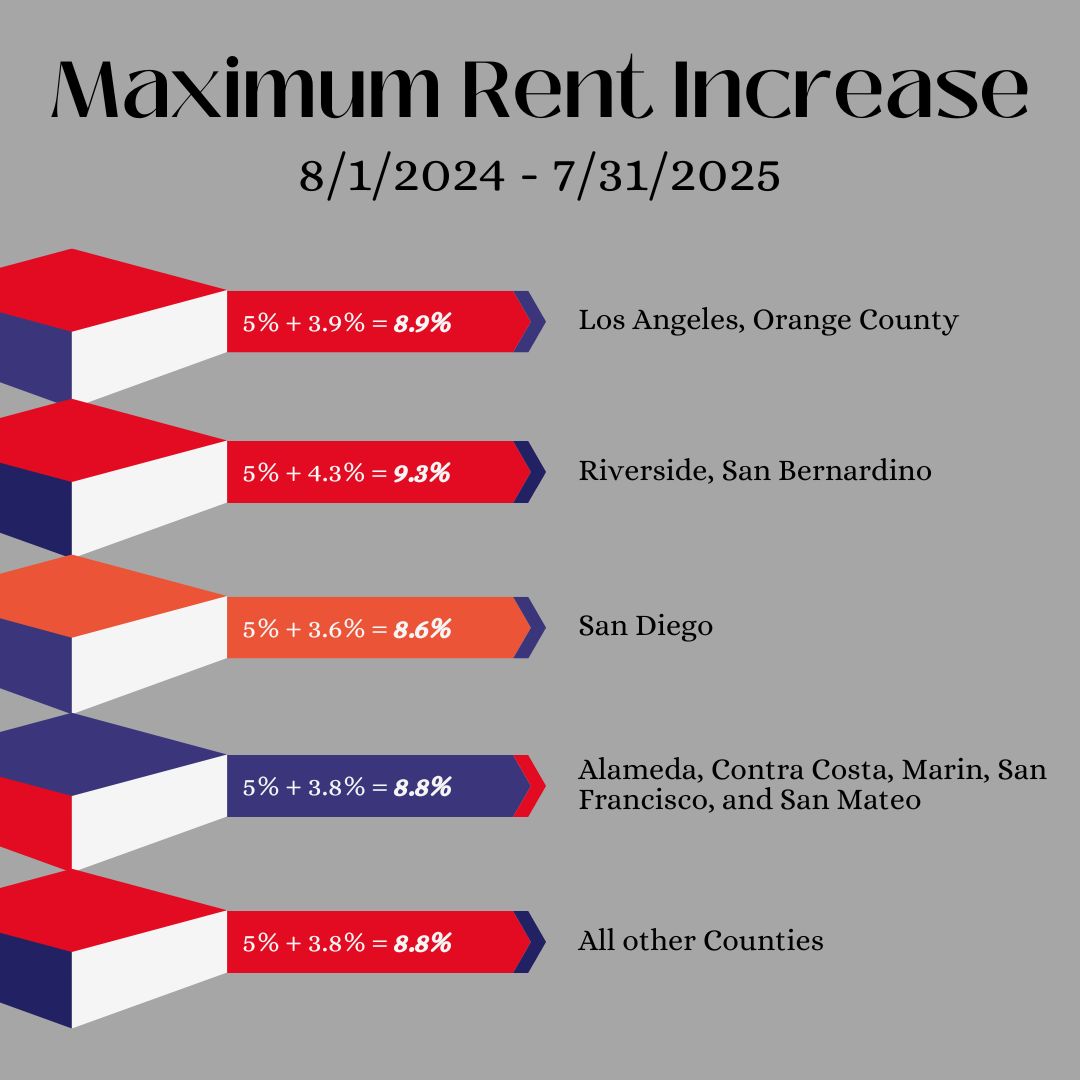
Cities such as San Francisco, Los Angeles, Oakland, San Jose, Santa Monica, Berkeley, and West Hollywood have historically been at the forefront of tenant protections. Their local rent control ordinances often feature lower annual rent increase caps, more extensive lists of properties covered, and stricter “just cause” eviction requirements than AB 1482.
For example, a city’s rent board might limit annual increases to a fixed percentage, or to a smaller percentage of CPI than the 5% allowed by the state. They might also have different rules regarding how often rent can be raised, or specific regulations for properties built before a certain year (e.g., pre-1979 in Los Angeles). These local distinctions mean that a property owner in Los Angeles could face different limitations than one in an unincorporated area of Orange County, even if both properties are otherwise similar.
For those considering long-term rentals for lifestyle or investment purposes, understanding these hyper-local regulations is non-negotiable. Consulting local housing authorities or experienced real estate professionals in the specific city or county is essential to determine the exact rent increase limitations and tenant protections applicable to a particular property. This knowledge is crucial for anyone planning to offer accommodations for extended stays, whether it’s a furnished apartment for a remote worker in downtown San Francisco or a family villa in Malibu for a seasonal retreat.
Just Cause Eviction: A Critical Consideration for Landlords
Beyond rent caps, both AB 1482 and many local ordinances impose “just cause” eviction requirements. This means landlords cannot simply ask a tenant to leave without a valid, legally recognized reason, especially after the tenant has resided in the unit for 12 months (under AB 1482) or often much sooner under local laws. This provision provides significant stability for tenants, making it more challenging for property owners to remove long-term guests without due process.
Just cause evictions typically fall into two categories:
-
At-Fault Just Cause: These are reasons directly attributable to the tenant’s actions or inactions. Examples include:
- Failure to pay rent.
- Violation of a material term of the lease (e.g., unauthorized pets, subletting without permission).
- Nuisance (e.g., repeatedly disturbing other tenants).
- Using the premises for an unlawful purpose.
- Refusal to allow the landlord lawful access.
-
No-Fault Just Cause: These reasons are not due to any fault of the tenant but are typically due to the landlord’s intent or property circumstances. Examples include:
- Owner Move-In: The landlord or a close family member intends to occupy the unit as their primary residence.
- Withdrawal from the Rental Market: The landlord intends to permanently remove the unit from the rental market.
- Demolition or Substantial Renovation: The property needs significant work that requires the tenant to vacate.
- Government Order: Compliance with a government or court order requiring the tenant to vacate.
In cases of no-fault just cause evictions, landlords are often required to provide relocation assistance to the tenant. This financial assistance can be substantial and is another critical cost consideration for property owners planning renovations or considering taking a unit off the market for personal use. The implications of just cause eviction laws are particularly important for property owners considering converting long-term rentals into short-term vacation stays or for those who might need flexibility for major property upgrades. It mandates careful planning and adherence to legal protocols to avoid costly disputes.
Strategic Considerations for Property Investors and Long-Term Guests in California
The dynamic and often complex regulatory environment in California presents both challenges and opportunities for property investors and long-term guests alike. Understanding these dynamics is key to making informed decisions, whether you’re looking to acquire an income-generating property or settle into an extended stay in the Golden State.
Maximizing Returns in a Regulated Market
For property owners and investors, navigating California’s rent control laws requires a strategic approach to maximize returns while ensuring compliance.
- Focus on Exempt Properties: As discussed, newer constructions (within 15 years of certificate of occupancy) and single-family homes/condos owned by individuals are often exempt from AB 1482. Investing in these types of properties can offer greater flexibility in rent setting and management. However, always verify local ordinances, as some cities may have different exemption rules.
- Thorough Due Diligence: Before purchasing any rental property in California, conduct exhaustive research into both state and local rent control and eviction laws. Understand the specific regulations of the city and even neighborhood where the property is located. This includes knowing the historical CPI rates for the area and understanding the exact calculation for rent increases.
- Professional Property Management: Given the intricate legal landscape, engaging a knowledgeable local property management company can be invaluable. These professionals are typically well-versed in state and local regulations, ensuring compliance, handling tenant relations, and navigating potential legal challenges. This expertise can protect investments and provide peace of mind for owners.
- Consider Value-Add Opportunities: While rent caps limit income growth on existing tenants, strategic renovations and upgrades can justify higher rents for new tenants (if the unit becomes vacant through legal means). However, any major renovation that displaces a tenant due to no-fault eviction will trigger relocation assistance requirements.
- Long-Term Investment Horizon: California real estate, despite its regulatory challenges, has historically shown strong appreciation. Investors should approach the market with a long-term perspective, focusing on capital appreciation and steady, albeit capped, rental income.

Accommodation Choices for the Extended California Experience
For travelers, digital nomads, and individuals planning extended stays in California, understanding the rental market dynamics shaped by rent control is equally important.
- Understand Rental Agreements: Always thoroughly review lease agreements, especially for stays exceeding 30 days. Be aware of the terms regarding rent increases and eviction causes. While AB 1482 and local ordinances offer protections, tenants also have responsibilities.
- Explore Furnished vs. Unfurnished Options: Many accommodation providers cater specifically to long-term guests with furnished apartments, serviced residences, or villas. These often come with different pricing structures and amenities. While rent control applies to unfurnished units primarily, the demand for furnished units in popular travel hubs like San Diego or Los Angeles can influence overall pricing.
- Budgeting for Long-Term Stays: Factor in potential, albeit capped, rent increases for stays extending beyond a year. Research the CPI for your chosen region to anticipate possible adjustments. While rent control provides stability, it doesn’t freeze rent forever.
- Leveraging Exemptions: For shorter “long-term” stays (e.g., 2-6 months) in exempt properties like individually-owned single-family homes, there might be more flexibility in negotiation, although these properties are still subject to market demand.
- The Impact on Availability: Rent control can, in some cases, reduce the incentive for property owners to offer long-term rentals, potentially shifting some inventory towards short-term vacation rentals or sales. This dynamic can affect the availability and pricing of specific types of long-term accommodation, especially in highly desirable areas. However, the robust tourism and lifestyle market in California ensures a continuous demand for diverse lodging options.
In conclusion, California’s approach to rent increases is a carefully balanced act, aiming to provide housing stability for its residents while allowing property owners reasonable returns. For anyone looking to invest in accommodation or embark on an extended journey through the Golden State, a clear understanding of AB 1482 and the myriad local ordinances is not just helpful—it’s essential. This knowledge empowers you to make informed decisions, whether you’re building a portfolio of properties or simply seeking the perfect long-term base to explore all that California has to offer.
LifeOutOfTheBox is a participant in the Amazon Services LLC Associates Program, an affiliate advertising program designed to provide a means for sites to earn advertising fees by advertising and linking to Amazon.com. Amazon, the Amazon logo, AmazonSupply, and the AmazonSupply logo are trademarks of Amazon.com, Inc. or its affiliates. As an Amazon Associate we earn affiliate commissions from qualifying purchases.