
Navigating the complexities of end-of-life planning can be a challenging and emotional journey for many individuals and families. Among the various considerations, understanding the financial implications of different options is paramount. In the diverse and populous state of California, cremation has become an increasingly popular choice, offering a blend of simplicity, environmental considerations, and often, a more affordable alternative to traditional burial. However, “affordable” is a relative term, and the actual cost of cremation in California can vary significantly depending on a multitude of factors, from the specific services chosen to the geographic location within the state.
For those planning ahead, or for families facing an immediate need, gaining clarity on these costs is essential. It enables informed decision-making, helps alleviate financial stress during a difficult time, and ensures that the final arrangements align with both personal wishes and budgetary constraints. This comprehensive guide aims to shed light on the various components that contribute to the overall cost of cremation in the Golden State, providing a detailed breakdown and practical advice for navigating this significant life event. Understanding these details can be a crucial part of broader life planning, impacting considerations for long-term residency, family gathering logistics, and overall lifestyle management, especially for those with family members living across different regions, requiring potential travel and accommodation arrangements for memorial services.
Understanding the Landscape of Cremation Services in California
The cremation landscape in California is as varied as its geography, offering a spectrum of services designed to meet different needs and preferences. From minimalist direct cremations to elaborate memorial events, understanding the fundamental options available is the first step in assessing potential costs.
Types of Cremation Services and Their Core Offerings
When considering cremation, it’s helpful to differentiate between the primary service models offered by funeral homes and cremation providers. Each model comes with its own set of inclusions and, consequently, its own price point.
- Direct Cremation: This is often the most straightforward and cost-effective option. Direct cremation involves the cremation of the deceased shortly after death, without any embalming, viewing, or formal funeral service beforehand. The remains are then returned to the family in a basic urn or temporary container. While simple, many families still choose to hold a separate memorial service or celebration of life at a later date, in a location and style of their choosing. This allows for flexibility and can often be more personal and less formal than a traditional funeral.
- Cremation with a Memorial Service: This option provides a balance between the simplicity of cremation and the desire for a communal gathering. The body is cremated, but a memorial service is held either before or after the cremation takes place. If held before, the service may or may not include the body present (e.g., a visitation or viewing without embalming, or with embalming if a longer viewing period is desired). If held after, the urn containing the ashes may be present. This allows families to honor their loved one with a gathering, eulogies, and shared remembrance, without the full traditional burial process.
- Full-Service Cremation: Resembling a traditional funeral, this option typically includes embalming, a viewing or visitation period, a formal funeral service with the body present, followed by the cremation. Essentially, it offers all the elements of a traditional burial service, but with cremation as the final disposition instead of interment. This is generally the most expensive cremation option due as it incorporates many of the services associated with a conventional funeral.
Factors Influencing Cremation Costs Across the Golden State
The variability in cremation costs within California is influenced by several key factors, demonstrating why a single price point is rarely accurate.
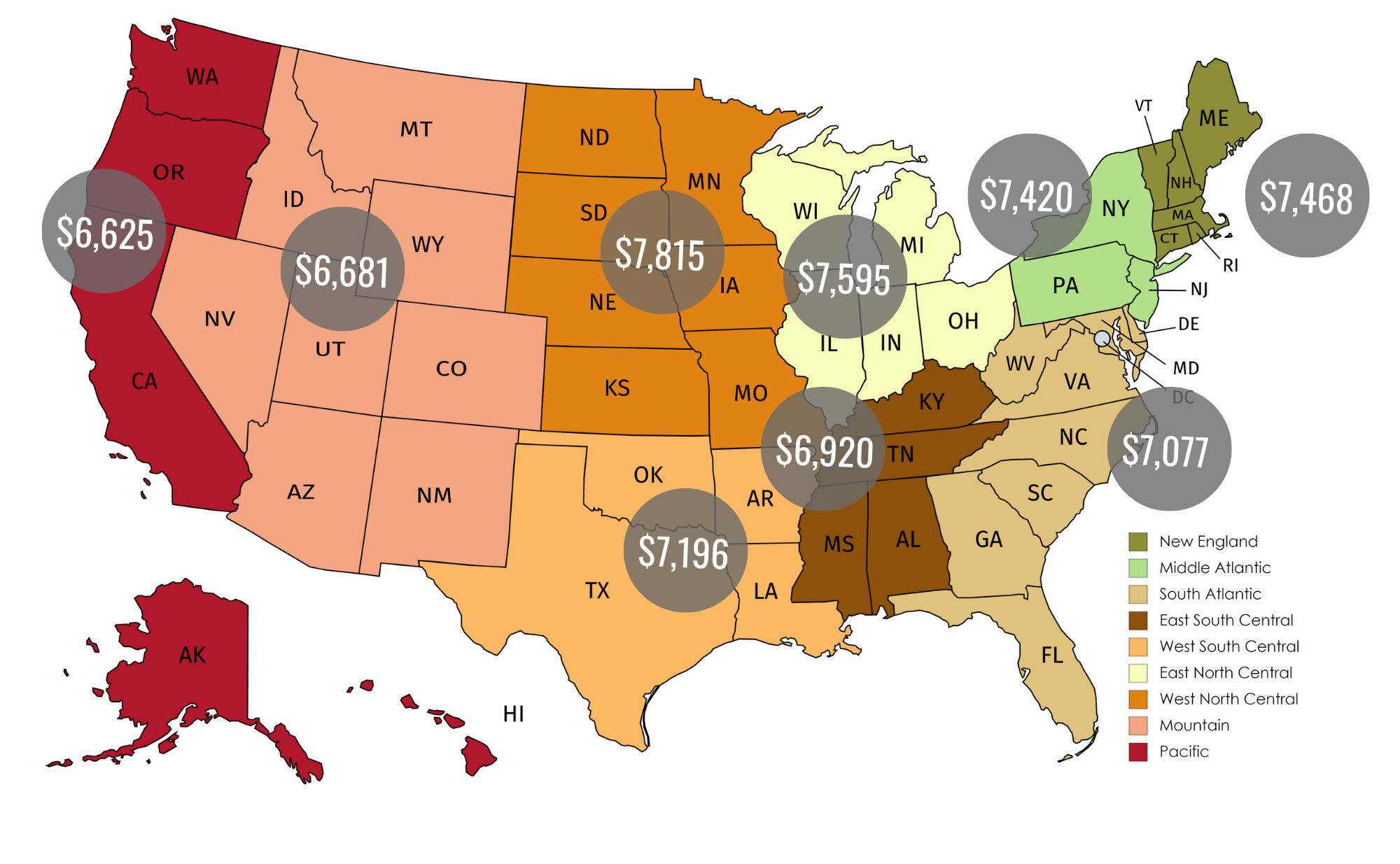
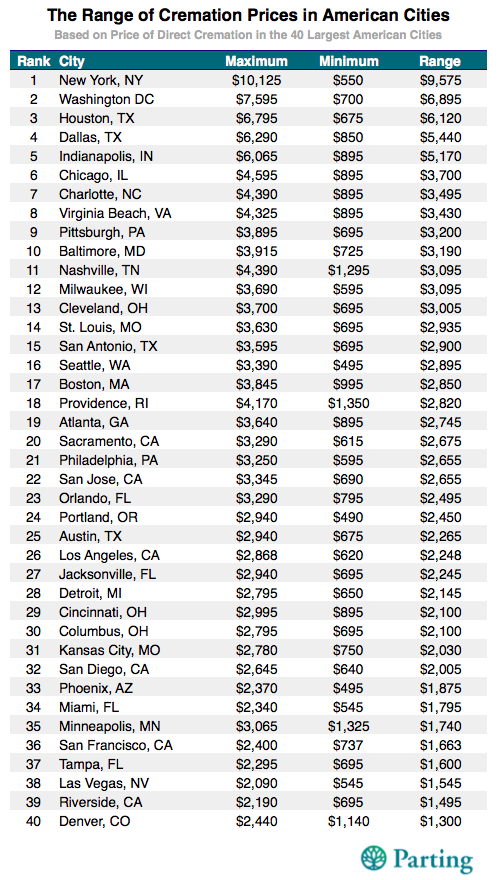
- Geographic Location: Like the cost of living, cremation expenses can vary significantly from one region to another. Major metropolitan areas such as Los Angeles, San Francisco, and San Diego typically have higher costs due to increased overhead for businesses, higher property values, and greater demand for services. Conversely, more rural or less densely populated areas might offer more competitive pricing. It’s not uncommon for a direct cremation to cost substantially more in Beverly Hills than in a smaller city in the Central Valley.
- Provider Choice: The type of provider significantly impacts the cost. Dedicated cremation societies or direct cremation providers often specialize in simplified services and may offer lower prices. Traditional funeral homes, which typically offer a wider range of services including embalming, viewing rooms, and full funeral ceremonies, often have higher overall price structures. Their comprehensive facilities and staff support a broader array of needs, reflecting in their pricing.
- Additional Services and Merchandise: Beyond the core cremation process, a myriad of optional services and merchandise can add to the total cost. These include the choice of urn, memorial services, death certificates, permits, obituaries, and more. Each additional item or service selected customizes the experience but also contributes to the final bill.
A Detailed Breakdown of Cremation Expenses
Understanding the basic types of cremation services is a good start, but a truly comprehensive picture requires delving into the itemized costs. Funeral homes are required by federal law (the “Funeral Rule” enforced by the FTC) to provide an itemized general price list (GPL) to consumers, which allows for transparency and comparison.
Core Cremation Service Costs
The fundamental elements of any cremation service, regardless of its type, generally include several non-declinable charges.
- Basic Service Fee: This is a non-declinable fee that covers the funeral home’s overhead, including facility maintenance, administrative services, arranging the cremation, and securing necessary permits. It’s essentially the cost of doing business. This fee can range from a few hundred dollars to over a thousand, depending on the provider and location.
- Transportation of Remains: This covers the cost of transferring the deceased from the place of death (e.g., hospital, home, nursing facility) to the funeral home or crematory. Depending on the distance and complexity, this can be a fixed fee or calculated based on mileage. For families managing end-of-life care for a loved one who might have been residing in a long-term care facility or hospice far from their primary residence, this logistical component can sometimes involve significant coordination and cost, much like planning travel accommodations for a distant destination.
- Cremation Process Itself (Incineration): This is the fee for the actual cremation chamber and the process of reducing the body to ashes. This cost is usually a standard fee charged by the crematory.
- Temporary Container for Ashes: Once cremated, the ashes are returned to the family in a basic, temporary container, typically made of plastic or cardboard. This is usually included in the basic cremation package.
Optional and Ancillary Costs to Consider
Beyond the core services, numerous optional items and services can enhance or personalize the cremation experience, but each comes with an additional cost.
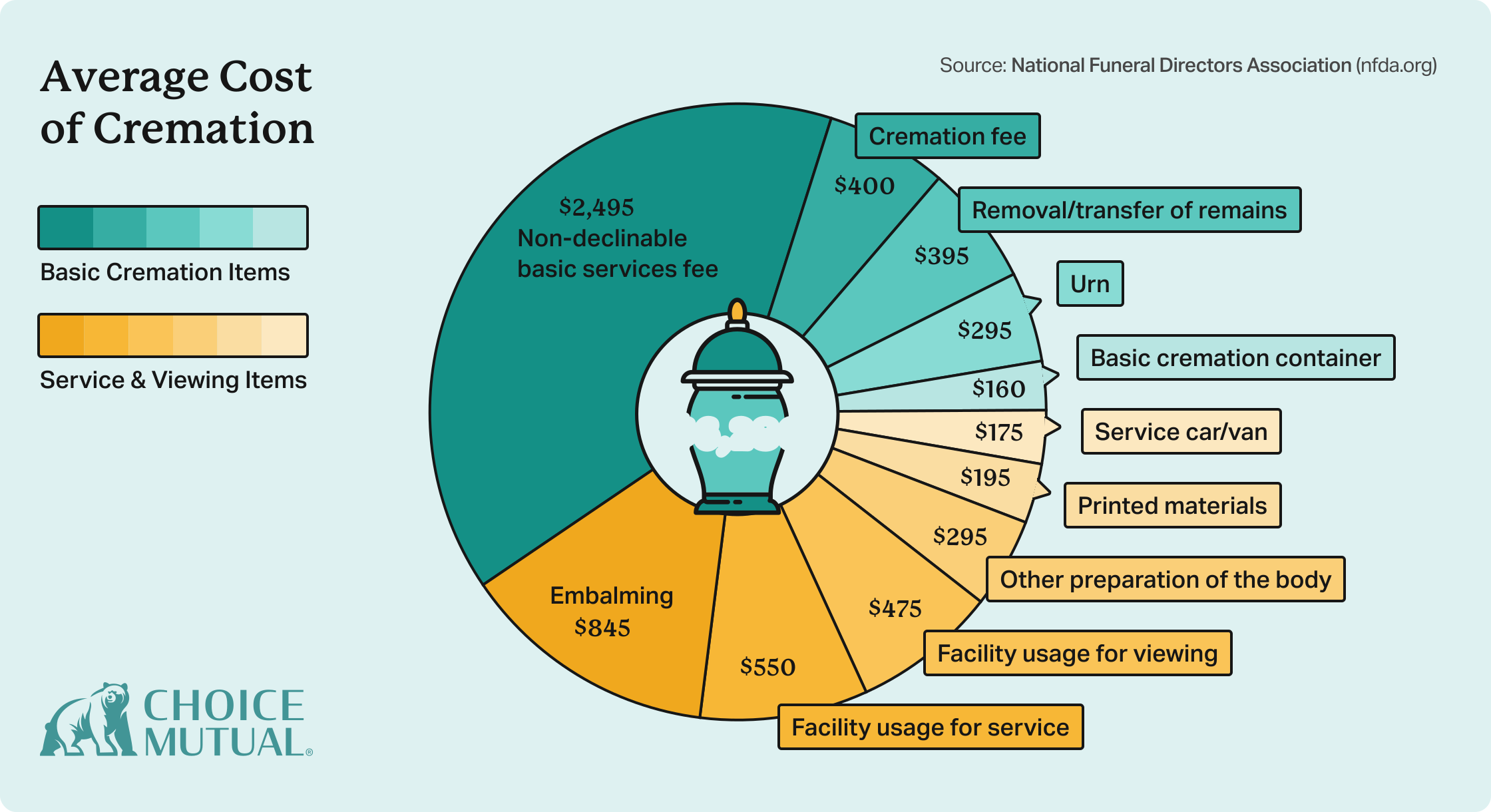
- Urns: The choice of an urn can range dramatically in price, from simple, economical options made of wood or biodegradable materials to elaborate, artistic urns made of ceramic, metal, or glass. Prices can vary from under $100 to several thousand dollars for custom-designed or high-end materials.
- Memorial Services/Celebrations of Life: If a service is desired, costs can escalate rapidly. This might include fees for the use of a chapel or event space at the funeral home, an officiant or celebrant, floral arrangements, memorial programs, music, and potentially catering if a reception is planned. The venue chosen can be a significant cost factor; for instance, renting a space in a historic building or a scenic Santa Monica beachfront venue will naturally be more expensive than a modest community hall.
- Death Certificates: Families will need multiple certified copies of the death certificate for various legal and financial purposes (e.g., closing bank accounts, settling estates, insurance claims). Each copy incurs a state and county fee, which in California is typically around $20-$25 per copy.
- Permits: A cremation permit is legally required in California. This fee, typically around $10-$15, is often handled by the funeral home.
- Embalming/Preparation: While not required for direct cremation, embalming may be necessary if there is to be an open-casket viewing or if the disposition of the body is delayed for an extended period. This is an additional service and can cost several hundred dollars.
- Scattering Services: Some families opt for professional scattering services, such as scattering ashes at sea or in a designated memorial garden. These services come with their own fees, which vary based on the provider and the location (e.g., a boat charter for a sea scattering off the coast of Long Beach).
- Obituaries/Newspaper Notices: Publishing an obituary in local newspapers like the Los Angeles Times or the San Francisco Chronicle can incur significant costs, depending on the length and the publication. Many families now opt for free online obituaries or social media announcements to save on these expenses.
Navigating the Process and Making Informed Decisions
The emotional weight of losing a loved one can make rational decision-making difficult. This is where planning and a clear understanding of the process become invaluable.
Researching Providers and Comparing Prices
Due diligence in researching providers is crucial for ensuring both peace of mind and financial prudence.
- Importance of Transparency and Itemized Lists: Always request a general price list (GPL) from any funeral home or cremation provider you consider. This itemized list allows you to see the cost of each service and product individually, enabling direct comparison between providers. Be wary of providers who are unwilling to provide a GPL upfront.
- Utilizing Online Resources and Local Directories: Websites specializing in funeral planning, state regulatory boards, and consumer advocacy groups can provide valuable information and reviews. Local directories and online searches can help identify providers in your area, whether you’re in Sacramento, Fresno, or Oakland.
- Understanding Package Deals vs. A La Carte Options: Many providers offer cremation packages that bundle common services together, sometimes at a slight discount. While these can be convenient, ensure the package includes only what you truly need and want. Comparing the bundled price against selecting each service individually from the GPL can reveal whether a package truly offers savings.
Pre-Need Planning and Financial Considerations
Pre-need planning for cremation offers numerous benefits, both emotional and financial, for individuals and their families.
- Benefits of Pre-Planning: Arranging cremation services in advance locks in current prices, shielding your family from potential future price increases. More importantly, it spares your loved ones from making difficult decisions during a time of grief, ensuring your wishes are respected. It provides immense peace of mind, allowing you to focus on celebrating a life well-lived rather than scrambling for arrangements.
- Payment Options: Various options exist for funding pre-need arrangements. Funeral trusts, where money is set aside in an interest-bearing account, and funeral insurance policies are common methods. Discussing these options with a trusted financial advisor or the funeral home itself can help you choose the best approach.
- Considering the Broader Financial Impact: Beyond the direct costs of cremation, families often incur other expenses during this time, such as travel and accommodation for relatives coming from out of state or even from international destinations. If a memorial service is planned, family members might need to book hotels, such as a stay at the Hyatt Regency San Francisco or a Marriott Hotel in Anaheim, and arrange flights to attend. These peripheral costs, while not part of the cremation bill, are crucial for comprehensive life planning and should be factored into overall financial preparedness.
Legal and Regulatory Aspects in California
California has specific laws and regulations governing cremation, designed to protect consumers and ensure proper procedures are followed. Understanding these requirements is essential for a smooth process.
Required Documentation and Permits
The process of cremation is highly regulated, necessitating specific paperwork and approvals.
- Death Certificate and Physician’s Statement: A certified death certificate must be issued by the county registrar where the death occurred. A physician, coroner, or medical examiner must complete the medical certification portion of the death certificate, stating the cause of death.
- Cremation Permit: Before a cremation can take place, a “Disposition Permit” (often referred to as a cremation permit) must be obtained from the local health department. This permit signifies that all legal requirements have been met and that there are no outstanding issues preventing the cremation.
- Waiting Periods: California law mandates a waiting period of at least 24 hours between the time of death and the cremation. This period ensures that all necessary documentation is completed and reviewed, and that family members have sufficient time to make informed decisions.
Scattering Ashes Regulations
Many families find comfort in scattering the ashes of their loved ones in meaningful locations. California has specific rules about where and how ashes can be scattered.
- Rules for Land and Sea Scattering:
- Land: Ashes may be scattered on private property with the owner’s permission. On public lands, permission from the governing agency (e.g., California State Parks, Bureau of Land Management) is typically required. Scattering in most national parks, especially near trails or bodies of water, is often restricted or requires a special permit.
- Sea: Scattering ashes at sea is permissible in California but must be done at least three nautical miles from shore. There are also requirements for notifying the U.S. Environmental Protection Agency (EPA) within 30 days of scattering.
- Permits for Scattering at Sea: While a permit for the act of scattering itself isn’t always required, engaging a professional service that handles sea scattering will ensure all regulations, including EPA notification, are correctly followed. Many coastal communities, like those near Santa Barbara or Monterey, have dedicated services for this purpose.
In conclusion, understanding the costs associated with cremation in California is a vital step in comprehensive life planning. While the average cost can vary widely, from around $700 for a direct cremation to several thousands for a full-service option, being informed about the different types of services, geographical variations, and optional expenses empowers individuals and families to make choices that align with their wishes and financial realities. Engaging in pre-need planning not only offers significant peace of mind but also allows for considered decisions, potentially easing the burden on loved ones during a time of grief. This foresight, much like planning a memorable trip or securing the perfect accommodation, is a testament to thoughtful lifestyle management, ensuring that even in sensitive matters, life’s transitions are handled with dignity, respect, and preparedness.
LifeOutOfTheBox is a participant in the Amazon Services LLC Associates Program, an affiliate advertising program designed to provide a means for sites to earn advertising fees by advertising and linking to Amazon.com. Amazon, the Amazon logo, AmazonSupply, and the AmazonSupply logo are trademarks of Amazon.com, Inc. or its affiliates. As an Amazon Associate we earn affiliate commissions from qualifying purchases.