
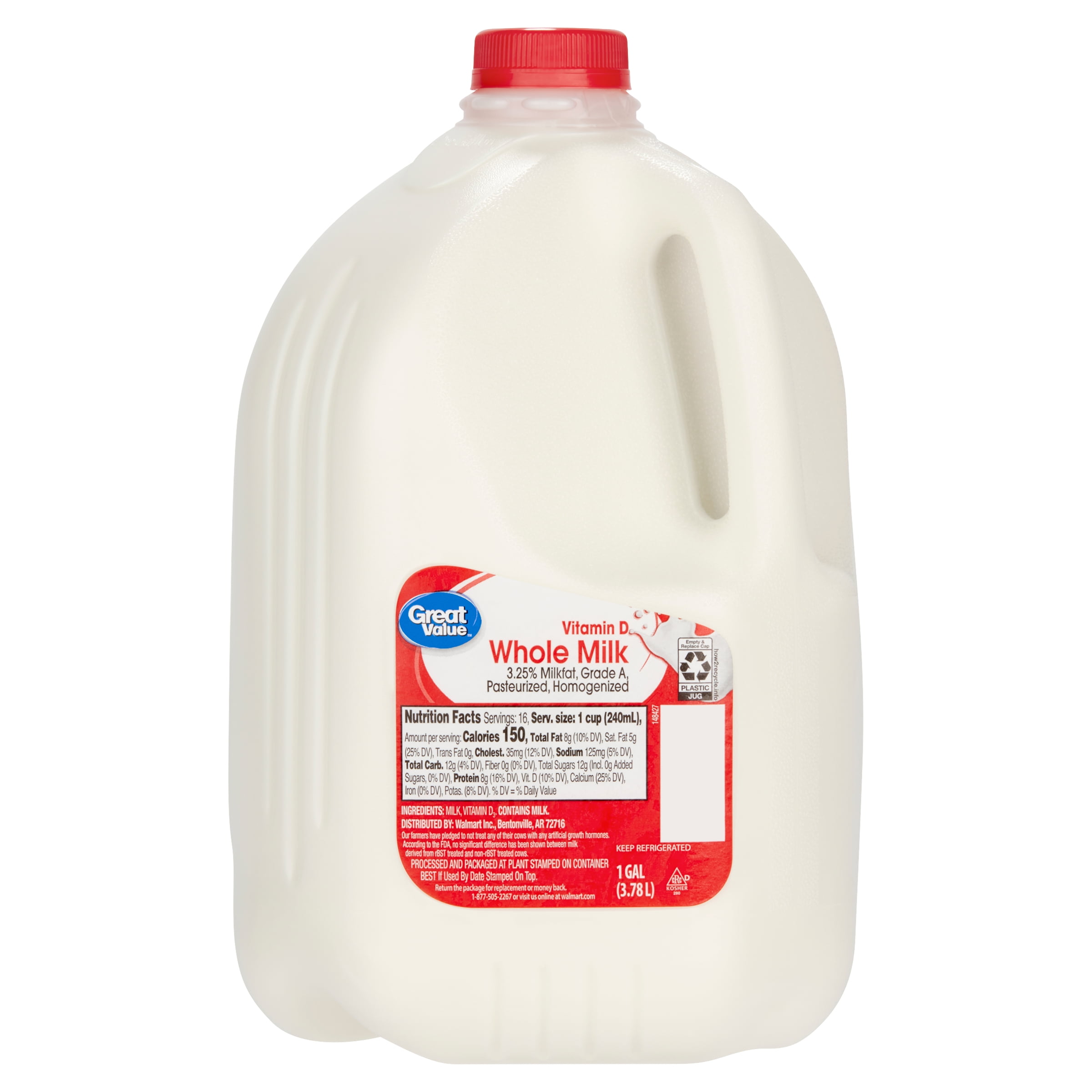
Venturing into a new destination often brings a mental checklist: what attractions to see, where to stay, and what local delicacies to savor. But for many savvy travelers and those contemplating a longer stay, a more fundamental question arises, one that underpins the daily reality of a place: “How much is a gallon of milk in California?” While seemingly trivial, this query serves as a surprisingly insightful barometer for the broader cost of living, providing a tangible benchmark for budgeting everything from groceries to long-term accommodation. It’s a glimpse into the everyday economics that shape a travel experience, whether you’re planning a lavish luxury trip or a frugal family adventure.
California, often lauded as the Golden State, offers a kaleidoscope of experiences – from the sun-drenched beaches of Southern California to the majestic redwoods of the north, the urban sprawl of Los Angeles to the innovative spirit of Silicon Valley. With such diversity comes a wide spectrum of costs. Understanding the price of a basic commodity like milk helps paint a clearer picture of what to expect when planning your adventure, whether it’s a short-term tourism visit or a consideration for a more extended lifestyle shift. It’s not just about the milk itself; it’s about the hidden costs of travel and daily life that often surprise first-time visitors or prospective residents.
Unpacking Daily Expenses: More Than Just Milk
The cost of a gallon of milk in California is more than just a number on a price tag; it’s a reflection of various economic factors that influence daily life in one of the most dynamic states in the United States. From production costs and transportation logistics to regional demand and brand competition, understanding this seemingly simple price can unlock insights into broader budgeting for your California adventure.
The Cost of a Gallon: A Baseline for Budgeting
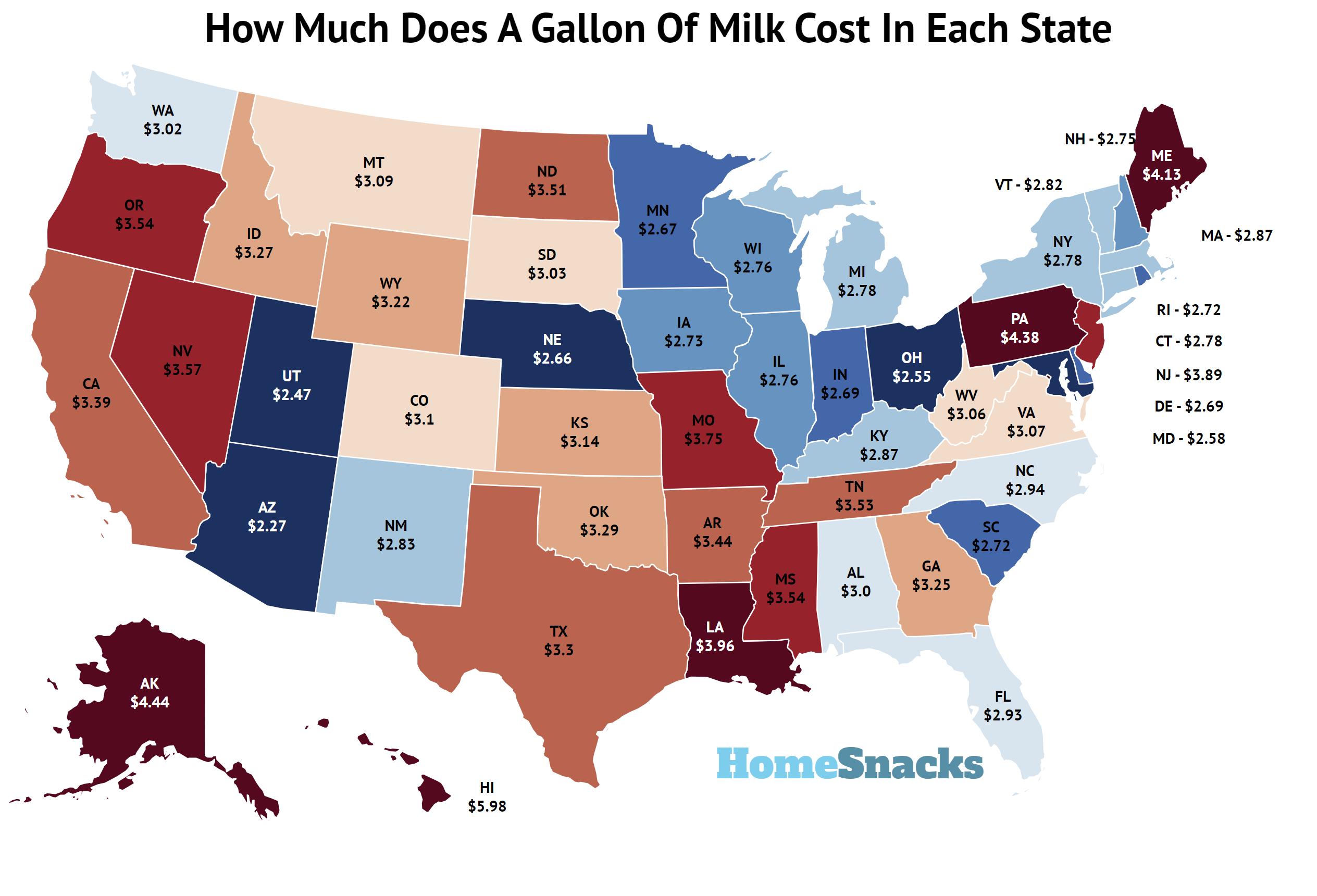
On average, a gallon of conventional whole milk in California can range anywhere from $3.50 to $6.00, but this figure is highly dependent on where you are and what type of milk you choose. In bustling metropolitan areas like San Francisco or Los Angeles, prices tend to be on the higher end, often closer to the $5.00-$6.00 mark, especially in convenience stores or upscale markets. Conversely, in more rural areas or during sales at large discount supermarkets, you might find prices dipping towards the $3.50-$4.50 range. Organic milk, specialty milks like almond or oat, and premium brands will naturally command higher prices, often exceeding $7.00 per gallon.
Several factors contribute to these variations. California is a major agricultural state, but dairy production also involves significant land, labor, and regulatory costs. Fuel prices impact transportation from farms to processing plants and then to stores across the state’s vast geography. Local demand, store type (supermarket vs. corner store), and regional economic differences also play a crucial role. For travelers, this means that a quick stop at a grocery store in downtown San Francisco will likely yield a higher bill than a shopping trip to a large supermarket in a suburban area like Anaheim or the Central Valley. This baseline understanding of milk prices sets the stage for comprehending other daily necessities and how they fit into your overall travel budget.
Grocery Shopping as a Traveler: Saving Pennies in the Golden State
For those planning extended stays, family trips, or budget-conscious travel, self-catering can significantly reduce expenses. Knowing how to navigate grocery shopping efficiently in California is a valuable skill. Rather than relying solely on convenience stores or hotel mini-bars for snacks and breakfast items, seek out larger supermarkets such as Trader Joe’s, Safeway, Ralphs, Vons, or Walmart Supercenters. These stores offer a wider selection and generally more competitive pricing.
For fresh, seasonal produce and unique local items, exploring California’s vibrant farmers’ markets can be a delightful and often cost-effective experience. While some specialty items might be pricier, you can often find great deals on fruits and vegetables, directly supporting local agriculture. Many smaller towns and even major cities like Santa Monica or Pasadena host weekly markets. Opting for accommodation with kitchen facilities, such as an apartment rental, a villa, or an extended-stay hotel suite, becomes a strategic move. This allows you to prepare some meals, saving on dining out and helping to offset the overall cost of your trip. Consider packing a reusable shopping bag, as many California cities have banned single-use plastic bags and charge for paper alternatives.
Beyond the Carton: Understanding California’s Cost of Living for Travelers and Expats
While the price of milk provides a useful micro-economic snapshot, the true picture of budgeting for a California experience involves much larger components. The state’s diverse regions offer varying price points across the board, from the glitz of Beverly Hills to the rustic charm of Big Sur, making careful planning essential.
Accommodation: Your Biggest Expense in California
For most travelers, accommodation will be the single largest expense, and prices vary dramatically across California. In high-demand areas and peak seasons, nightly rates can quickly add up.
- Luxury Hotels & Resorts: Destinations like Napa Valley, Santa Barbara, Laguna Beach, or Palm Springs boast exquisite resorts and boutique hotels where rates can easily exceed $500-$1000 per night, offering unparalleled amenities, spa services, and fine dining.
- Mid-Range Hotels: In major cities like Los Angeles, San Francisco, or San Diego, standard hotel rooms in convenient locations typically fall between $200-$400 per night. Prices fluctuate based on events, seasonality, and proximity to major attractions.
- Budget Accommodation: For the budget-conscious, options like motels, hostels, or economy hotels exist, with rates sometimes as low as $100-$180 per night, especially in less central locations or smaller towns.
- Apartments & Villas: Platforms like Airbnb or VRBO offer a diverse range of vacation rentals, from cozy apartments to sprawling villas. These can be particularly cost-effective for families or longer stays, often providing kitchen facilities that help save on food costs. Prices here are even more varied, from $150-$200 for a modest apartment to thousands for a luxury villa in a prime location.
Savvy travelers use comparison websites and book well in advance, especially for popular periods or destinations like a stay near Disneyland in Anaheim or a cabin near Lake Tahoe during ski season. Consider traveling during shoulder seasons (spring or fall) to enjoy milder weather and potentially lower accommodation rates. For long-term stays, researching extended-stay hotels or furnished apartment rentals can offer significant savings compared to nightly rates.
Dining and Local Cuisine: Tasting California on Any Budget
California’s food scene is as diverse as its landscape, ranging from world-class Michelin-starred restaurants to casual beachside taco stands. This means you can truly taste California on any budget.
- Fine Dining: Cities like San Francisco, Los Angeles, and Napa Valley are culinary meccas, with dinners at high-end establishments often costing $100-$300 per person, excluding drinks.
- Mid-Range Restaurants: A typical sit-down meal at a casual restaurant, café, or bistro might cost $25-$50 per person.
- Budget Eats: California excels in affordable, delicious options. Food trucks, especially in cities like Los Angeles (famous for its diverse taco trucks) or Oakland, offer incredible value and unique flavors for $10-$20 per meal. Fast food, diners, and deli sandwiches are also readily available for less. Exploring local markets, delis, and ethnic eateries can provide authentic and budget-friendly meals. Many towns, especially in Southern California, are renowned for their Mexican cuisine, offering fantastic value. Don’t forget to explore the local culture through food, which is a significant part of the tourism experience.
Experiencing California: Activities, Attractions, and Lifestyle Costs
Beyond basic needs, the core of any travel experience lies in the activities and attractions visited. California is rich with landmarks, natural wonders, and entertainment options, but the costs can vary wildly.
Exploring Attractions and Landmarks: Free vs. Paid Experiences
California offers an incredible array of attractions, some of which are iconic and come with a price tag, while many others are free or low-cost, allowing for varied budget travel experiences.
- Major Theme Parks: Iconic destinations like Disneyland in Anaheim, Universal Studios Hollywood in Los Angeles, or Legoland California in Carlsbad are significant expenses, with single-day tickets often ranging from $100-$200 per person. Multi-day passes or special packages can offer slight savings. SeaWorld San Diego is another popular choice.
- Museums and Cultural Sites: Entrance fees for world-class museums like the Getty Center (free admission, parking fee), California Academy of Sciences in San Francisco, or Hearst Castle can range from $15-$40. Many offer free admission days or discounts for students/seniors. The Griffith Observatory in Los Angeles offers free admission to its grounds and building, with planetarium shows having a fee.
- National and State Parks: California is home to stunning natural landmarks like Yosemite National Park, Redwood National Park, Death Valley National Park, and Joshua Tree National Park. Entrance fees for vehicles are typically around $30-$35 for a 7-day pass. An “America the Beautiful” annual pass ($80) is an excellent investment for those planning to visit multiple national parks across the U.S. State Parks often have separate entrance fees (e.g., $10-$15 per car).
- Free Experiences: There’s an abundance of free activities. Walking or biking across the Golden Gate Bridge, strolling along the beaches of Santa Monica or Malibu, exploring city parks like Golden Gate Park in San Francisco, hiking in numerous regional parks, or simply enjoying the vibrant street art in areas like Hollywood or downtown Los Angeles offer rich experiences without an admission fee. Many cities also have free festivals and events throughout the year.
Planning your activities around a mix of paid and free attractions is key to managing your budget while still getting a full California experience. Research city passes or bundled tickets for major attractions if you plan on visiting several paid sites, as these can sometimes offer savings.

Transportation: Getting Around the Golden State
The sheer size of California means that transportation costs can be substantial, especially if you plan to explore various regions.
- Rental Cars: For flexibility and reaching more remote destinations (like National Parks or the scenic drive along Big Sur), a rental car is often essential. Daily rates vary widely based on vehicle type, rental company, and season, ranging from $40-$100+ per day, not including insurance, gas, and tolls. Gas prices in California are consistently among the highest in the nation, often $4.50-$6.00 per gallon, significantly impacting overall costs for long drives. Parking in major cities like San Francisco and Los Angeles can also be very expensive, sometimes $20-$50 per day.
- Public Transportation: Major metropolitan areas like San Francisco (BART, Muni), Los Angeles (Metro), and San Diego (MTS) have extensive public transit systems. While generally efficient for getting around within the city, they may not connect seamlessly between all tourist attractions or to more distant towns. Fares are typically $2.50-$3.50 per ride, with daily or weekly passes available for better value.
- Ride-Sharing & Taxis: Services like Uber and Lyft are prevalent in urban areas and can be convenient, but costs can accumulate quickly, especially with surge pricing during peak hours or events. Taxis are also available but generally more expensive than ride-sharing.
- Intercity Travel: Amtrak offers scenic train routes, and various bus services (Greyhound, FlixBus) provide more economical options for traveling between cities like Los Angeles, San Francisco, and Sacramento. While slower, they can be a relaxed way to see the landscape without the stress of driving and parking.
Choosing the right mode of transportation depends heavily on your itinerary and budget. For city-centric travel, public transit combined with occasional ride-shares might suffice. For extensive exploration of national parks and coastal drives, a rental car is almost indispensable, necessitating a larger budget for gas and potential parking.
In conclusion, asking “How much is a gallon of milk in California?” is far from a trivial question. It’s an entry point into a comprehensive understanding of what it truly costs to travel, live, and experience the Golden State. From the baseline of daily groceries to the significant outlays for accommodation, dining, attractions, and transportation, California presents a spectrum of costs that can accommodate various lifestyles and budgets. By considering these daily expenses, savvy travelers can plan more effectively, allocate resources wisely, and ultimately enjoy a richer, more informed journey through one of the world’s most captivating destinations. Whether you’re sipping milk by Lake Tahoe, dining in Carmel-by-the-Sea, or exploring the vibrant streets of Long Beach, knowing the practicalities of daily spending empowers you to make the most of every moment.
LifeOutOfTheBox is a participant in the Amazon Services LLC Associates Program, an affiliate advertising program designed to provide a means for sites to earn advertising fees by advertising and linking to Amazon.com. Amazon, the Amazon logo, AmazonSupply, and the AmazonSupply logo are trademarks of Amazon.com, Inc. or its affiliates. As an Amazon Associate we earn affiliate commissions from qualifying purchases.