
California, a land of endless sunshine, diverse landscapes, and iconic cities, beckons millions each year, whether for a dream vacation, a new beginning, or a thrilling road trip. From the bustling streets of Los Angeles and the tech hubs of Silicon Valley to the serene beauty of Yosemite National Park and the vibrant culture of San Francisco, the Golden State offers an unparalleled tapestry of experiences. For many, exploring this vast state means having a vehicle, and that brings up a crucial question for residents and newcomers alike: “How much is registration in California?”

Understanding vehicle registration costs is more than just knowing a number; it’s about budgeting for your California adventure, whether you’re a long-term resident, a student moving for university, or someone planning an extended stay to soak in the local culture. Unlike a flat fee, the cost of registering a vehicle in California is a nuanced calculation, influenced by a myriad of factors. This comprehensive guide will break down the components of vehicle registration fees, help you navigate the process, and provide insights into how these costs fit into the broader context of living and traveling in the United States’ most populous state.
Understanding the Golden State’s Vehicle Registration Landscape
Navigating the intricacies of vehicle registration in California can initially seem daunting, but it’s an essential step for anyone owning or operating a vehicle within its borders. The process, overseen by the California Department of Motor Vehicles (DMV), ensures that vehicles meet safety and environmental standards, and that owners contribute to the state’s infrastructure. Far from being a simple, one-size-fits-all charge, vehicle registration costs in California are a dynamic sum, reflective of several variables specific to your vehicle and location. These fees contribute to maintaining the state’s expansive network of roads, supporting environmental programs, and funding various public services, making them a crucial part of the state’s operational budget.
For those contemplating a move to cities like San Diego, Sacramento, or the burgeoning communities across the Central Valley, understanding these financial obligations upfront is key to effective budgeting. Similarly, if you’re planning an extended road trip along the scenic Pacific Coast Highway or exploring the vineyards of Napa Valley in your own vehicle, knowing your responsibilities is vital. The registration system is designed to account for factors such as vehicle value, weight, type, and even the county in which it’s registered, ensuring a fair distribution of costs across a diverse range of vehicles and owners.
What Constitutes California Vehicle Registration?
At its core, vehicle registration in California is a legal requirement that grants a vehicle permission to operate on public roads. It involves paying a series of fees, and in return, you receive license plates, a registration card, and a sticker to affix to your license plate, indicating the current registration year. Beyond legal compliance, registration plays a vital role in public safety by tracking vehicle ownership and ensuring vehicles meet minimum safety and emissions standards.
The total cost isn’t just a single “registration fee.” Instead, it’s an aggregation of several distinct charges. These can include a base registration fee, a Vehicle License Fee (VLF), weight fees (for heavier vehicles), various county or district-specific fees, and potentially other surcharges. Each component serves a specific purpose, from funding local transportation projects to supporting air quality initiatives across regions like the Bay Area or Southern California.
Why the Cost Varies So Much
The variability in registration costs is a common point of confusion. Several key factors dictate how much you’ll pay:
- Vehicle Type and Value: The Vehicle License Fee (VLF) is a component directly tied to your vehicle’s market value, calculated as a percentage. This means a luxury car like a Tesla Model S will incur a higher VLF than an older Toyota Prius. As vehicles age, their market value depreciates, and consequently, the VLF decreases over time.
- Vehicle Weight: Heavier vehicles, especially trucks like a Ford F-150 or commercial vehicles, are subject to additional weight fees. These fees account for the increased wear and tear they inflict on roads and bridges.
- Fuel Type and Emissions: California has some of the strictest emissions standards in the United States. Vehicles are often required to pass a Smog Check every two years, and certain high-polluting vehicles might face additional surcharges. Conversely, Electric Vehicle (EV) or Zero Emission Vehicle (ZEV) owners might benefit from certain exemptions or reduced fees, reflecting the state’s push towards greener transportation.
- County and District Fees: Many counties impose additional fees to fund local transportation projects, air quality programs, or specialized services. For example, registering a car in Oakland might include different district fees compared to San Jose, even within the same geographic region.
- New Registration vs. Renewal: The initial registration for a newly purchased vehicle or a car brought in from another state typically involves a slightly different fee structure and potentially more documentation compared to an annual renewal for an already registered vehicle.
Understanding these variables is the first step in estimating your personal registration costs and preparing for your financial obligations in the Golden State.
Deconstructing the Costs: Key Components of Your California Registration Bill
When you receive your registration bill from the California Department of Motor Vehicles, it’s not just one lump sum. Instead, it’s a detailed breakdown of various charges, each serving a specific purpose. For residents of bustling cities like Los Angeles or San Francisco, or those enjoying the scenic beauty of Lake Tahoe, understanding these components is crucial for budgeting and knowing where your money goes.
The Base Registration Fee and Vehicle License Fee (VLF)
Every vehicle registered in California is subject to a Base Registration Fee. As of my last update, this fee is typically a fixed amount for most passenger vehicles, though it can change with legislative adjustments. This fundamental charge contributes to the general administration of the California Department of Motor Vehicles and funds a portion of the state’s transportation infrastructure.
Perhaps the most significant variable component is the Vehicle License Fee (VLF). The VLF is essentially a property tax on your vehicle, calculated annually based on its market value. The California Department of Motor Vehicles uses a depreciation schedule to determine the current value of your vehicle. Initially, it’s a percentage of the purchase price (minus sales tax), and this percentage reduces each year as your vehicle ages and depreciates. For instance, a brand-new Tesla Model 3 will have a considerably higher VLF in its first year than a five-year-old Toyota Prius. This fee is a substantial contributor to local government services, underscoring its importance to community well-being.
Weight Fees and Special Plate Charges
For certain types of vehicles, additional fees are levied based on their weight. Weight Fees primarily apply to commercial vehicles, trucks, and larger SUVs. If you own a heavy-duty pickup like a Ford F-150 that is registered as a commercial vehicle (even if used for personal use, depending on its gross vehicle weight), you will likely incur this fee. These charges compensate for the increased wear and tear heavier vehicles inflict on the state’s roads and bridges, crucial infrastructure for maintaining travel and tourism.
Beyond standard license plates, California offers a wide array of Special Interest License Plates that allow vehicle owners to express their personality or support a cause. From plates featuring images of the Golden Gate Bridge to those supporting environmental preservation or veterans, these plates come with an annual surcharge. A portion of these fees often goes directly to the charities or programs they represent, making them a popular choice for those wanting to give back while personalizing their vehicle.
County-Specific and Air Quality Fees
California is home to diverse geographical and urban environments, and many regions have specific needs that are addressed through local vehicle registration surcharges. These County-Specific Fees can vary significantly depending on where your vehicle is registered. For instance, residents in the Bay Area might pay additional fees for regional transportation planning, while those in the Inland Empire could see surcharges for specific local infrastructure projects. These fees highlight the decentralized nature of local governance and the direct impact of vehicle owners on their immediate communities.
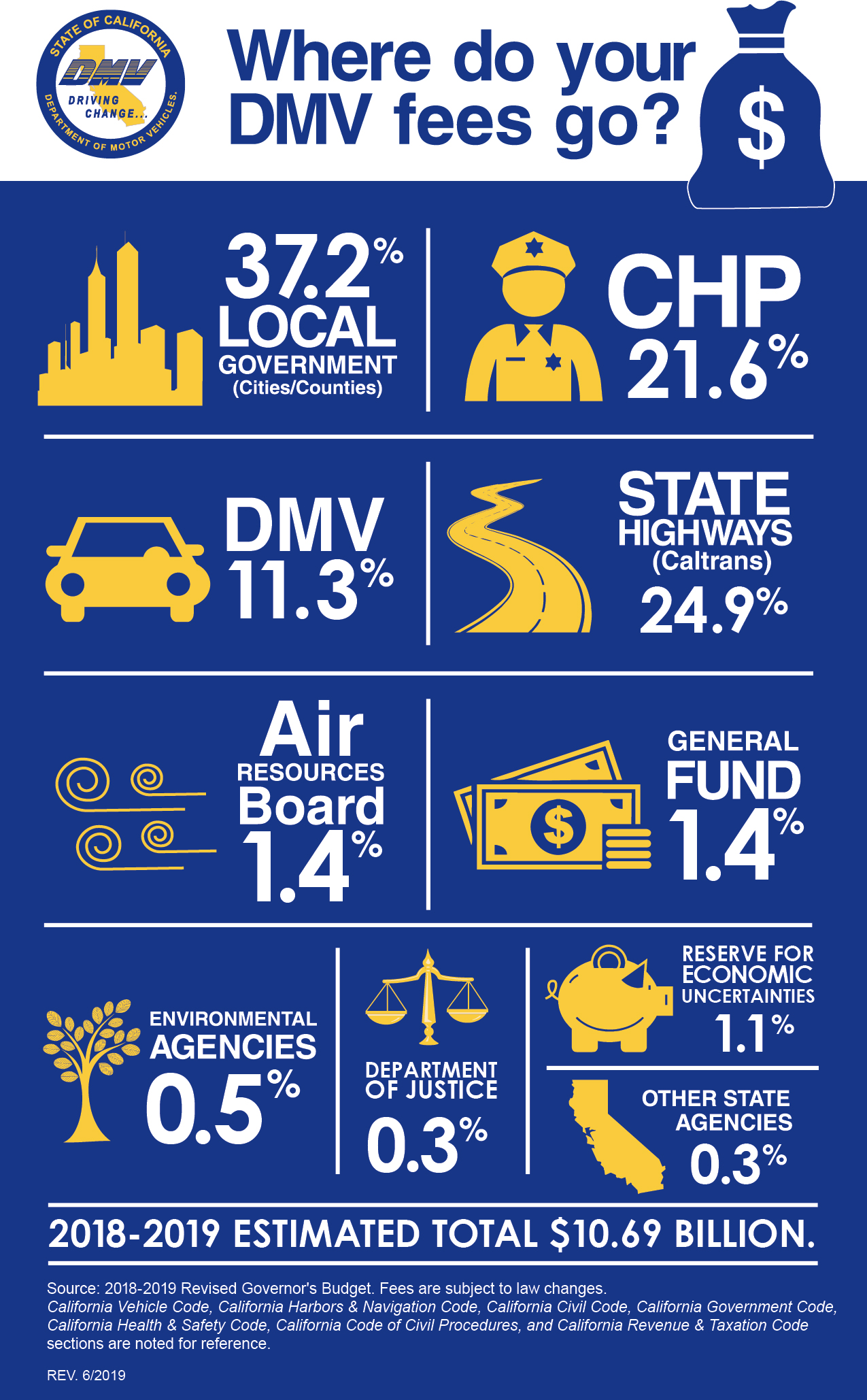
Given California’s proactive stance on environmental protection, Air Quality Fees are another common component. These fees support efforts to reduce air pollution and improve air quality across the state, particularly in urban areas prone to smog. Programs funded by these fees include vehicle emissions testing (the Smog Check program), incentives for Zero Emission Vehicle (ZEV) adoption, and research into cleaner transportation technologies. These fees underscore the state’s commitment to preserving its natural beauty and ensuring a healthier environment for its residents and countless visitors enjoying its landmarks.
Addressing New Resident Registration and Transfers
For those moving to California from another state, the process of registering your vehicle as a new resident involves a few extra steps and considerations. You typically have 20 days after establishing residency to register your out-of-state vehicle. This involves a one-time Nonresident Original Application Fee, in addition to all the standard registration components. You’ll also need to obtain a Smog Check from a certified station within California and provide proof of ownership and insurance. The state ensures that all vehicles operating on its roads meet its stringent standards, regardless of where they were initially registered. Similarly, transferring ownership of a vehicle within California also incurs specific fees, including transfer fees and potentially sales or use tax if applicable. These mechanisms ensure a seamless and legally compliant transition of vehicle ownership.
Navigating the Process: From Initial Registration to Annual Renewal
Understanding the costs is only half the battle; knowing how to navigate the registration process with the California Department of Motor Vehicles (DMV) is equally important. Whether you’re a first-time registrant in California or simply renewing your annual tags, a smooth experience can save you time and avoid unnecessary stress. Given the state’s vastness, from Hollywood to the rural communities along Route 66, efficient administrative processes are key for everyone.
Essential Documents and the DMV Experience
For initial registration of a new vehicle or one brought from out of state, gathering the correct documents is paramount. You’ll typically need:
- Proof of Ownership: This could be the manufacturer’s certificate of origin (for new vehicles) or the out-of-state title and registration.
- Proof of California Insurance: Minimum liability coverage is mandatory.
- Smog Check Certificate: Most vehicles require a passing Smog Check certificate, which must be issued by a licensed California station. Exemptions exist for certain newer vehicles, Electric Vehicles, and older vehicles (pre-1975).
- Odometer Reading: Required for most transfers and new registrations.
- Valid Driver’s License: Your California driver’s license or equivalent identification.
While a visit to a California Department of Motor Vehicles field office was once the primary method, the California Department of Motor Vehicles has significantly expanded its online services and alternative options. You can now conduct many transactions online through the official DMV Connect portal, renew registration at DMV Now Kiosks located in various retail outlets, or even utilize mail-in services. These innovations aim to reduce wait times and enhance convenience for California residents, making it easier to comply with regulations while enjoying the state’s diverse lifestyle.
Penalties for Late Registration and Non-Compliance
It’s crucial to be mindful of renewal deadlines. California imposes strict penalties for late registration. These can include:
- Late Fees: Calculated based on how long the registration has been expired and the amount of the original fee. These can quickly add up, significantly increasing your overall cost.
- Citation/Fines: Operating a vehicle with expired registration can lead to a traffic ticket and associated fines.
- Impoundment: In extreme cases of prolonged non-compliance, your vehicle could be impounded, incurring additional towing and storage fees.
The California Department of Motor Vehicles typically mails renewal notices several weeks before the expiration date, often providing ample time to renew. However, it is ultimately the vehicle owner’s responsibility to ensure their registration is current. Setting up calendar reminders or opting for email notifications can help avoid these costly oversights.
Insurance: A Non-Negotiable Requirement
Beyond the registration fees themselves, remember that vehicle insurance is a mandatory requirement for all registered vehicles in California. You must maintain minimum liability coverage, and proof of this insurance is required at the time of registration and renewal. Operating a vehicle without valid insurance can result in severe penalties, including fines, license suspension, and vehicle impoundment. This requirement underscores the state’s commitment to public safety and financial responsibility on its roads, protecting both drivers and pedestrians throughout popular tourist areas and residential communities alike. While not a direct part of the registration fee, it is an inseparable part of the legal framework for driving in California.
Registration Costs in the Context of a California Lifestyle
Understanding the nuances of vehicle registration in California extends beyond mere compliance; it’s an integral part of budgeting for a California lifestyle. Whether you’re drawn by the allure of Big Sur‘s coastal drives, the historical echoes of the Gold Rush towns, or the vibrant energy of Disneyland, transportation costs play a significant role in your overall experience or cost of living.
Budgeting for Your California Adventure
For those considering a move to California or an extended stay, incorporating vehicle registration costs into your financial planning is as crucial as accounting for accommodation, food, and other living expenses. The initial shock of higher fees for a newer vehicle or county-specific surcharges can catch newcomers off guard. Therefore, research your estimated costs using the California Department of Motor Vehicles’s online fee calculator well in advance. This proactive approach allows you to set aside the necessary funds, ensuring a smoother transition and preventing unexpected financial burdens. For tourists planning to rent a car for an extensive period, understanding these local regulations also adds a layer of appreciation for the logistical complexities that residents manage.
Moreover, if you are purchasing a new or used vehicle within the state, remember that sales tax and potential dealership fees will also be part of the initial outlay, alongside the registration costs. Factor in ongoing expenses like fuel (which can be higher in California), insurance premiums, maintenance, and parking costs (especially in metropolitan areas like San Francisco or Los Angeles). These collective expenses shape the true cost of vehicle ownership in the Golden State. For many, the ability to freely explore landmarks like the Golden Gate Bridge or embark on spontaneous trips to Yosemite National Park makes these investments worthwhile, embodying the freedom that a car offers in such a vast and varied state.

Tips for a Smooth Registration Process
To ensure a hassle-free experience with vehicle registration in California, consider these practical tips:
- Utilize Online Resources: The California Department of Motor Vehicles website is a treasure trove of information, offering fee calculators, forms, and instructions for various transactions. Many renewals can be completed entirely online, saving you a trip to a field office.
- Plan Ahead for Smog Checks: Don’t wait until the last minute to get your Smog Check. Find a certified station in advance, especially if you know your renewal is approaching.
- Keep Documents Organized: Maintain a dedicated folder for all your vehicle-related documents, including title, previous registrations, and insurance cards. This will streamline any interaction with the California Department of Motor Vehicles.
- Consider Automatic Reminders: Sign up for email or text message reminders from the California Department of Motor Vehicles to avoid late fees.
- Explore DMV Now Kiosks: For simple renewals, these self-service kiosks offer a quick alternative to waiting in line. They are often located in grocery stores or other convenient retail locations.
- Understand New Resident Requirements: If you’re new to California, familiarize yourself with the specific steps for out-of-state vehicle registration. This often includes a VIN verification, which some California Department of Motor Vehicles offices or certain businesses can perform.
While the “How Much Is Registration In California?” question doesn’t have a single, simple answer, understanding its components and the process demystifies this essential aspect of living or traveling in the state. By being informed and prepared, you can seamlessly integrate your vehicle into the vibrant tapestry of the Golden State, allowing you to focus on enjoying all the incredible experiences California has to offer.
LifeOutOfTheBox is a participant in the Amazon Services LLC Associates Program, an affiliate advertising program designed to provide a means for sites to earn advertising fees by advertising and linking to Amazon.com. Amazon, the Amazon logo, AmazonSupply, and the AmazonSupply logo are trademarks of Amazon.com, Inc. or its affiliates. As an Amazon Associate we earn affiliate commissions from qualifying purchases.