
California – the land of sunshine, innovation, and endless adventure. From the sprawling urban landscapes of Los Angeles to the iconic hills of San Francisco, the pristine beaches of San Diego, and the serene vineyards of Napa Valley, the Golden State offers an unparalleled lifestyle and travel experience. Whether you’re a digital nomad considering a long-term stay, an entrepreneur establishing a new business, a seasoned traveler extending your visit, or a local resident enjoying everything California has to offer, understanding your tax obligations is a crucial, albeit often overlooked, aspect of truly living the California dream.

Navigating the tax landscape can seem daunting, especially in a state as diverse and economically vibrant as California. However, with the right information and a clear understanding of the process, paying your state taxes can be a straightforward part of managing your finances, allowing you to focus on exploring Yosemite National Park, strolling along Hollywood Boulevard, or savoring gourmet cuisine in Santa Monica. This comprehensive guide will demystify California state taxes, providing you with the essential knowledge to ensure compliance, avoid penalties, and confidently manage your financial footprint in this magnificent state. We’ll delve into who needs to pay, what types of taxes are involved, the most convenient payment methods, and invaluable resources to make your tax journey as smooth as a drive down the Pacific Coast Highway.
Understanding Your Tax Obligation in the Golden State
The first step to successfully managing your California state taxes is understanding your specific obligations. California has a unique tax structure that applies differently based on your residency status and the nature of your income. For travelers, new residents, and those embracing the remote work revolution, clarifying your status is paramount.
Who Needs to File in California?
The question of “who needs to file” in California often hinges on your residency status, which can be more complex than it initially appears, especially for those with transient lifestyles or multi-state income.
- Residents: If you consider California your permanent home, where you intend to return after temporary absences, you are generally considered a resident. This applies whether you’re living in a bustling apartment in Los Angeles or enjoying a quiet life in Northern California. As a resident, you are subject to California income tax on all your income, regardless of where it was earned. This includes income from investments, wages from an out-of-state employer if you reside in California, or profits from a business headquartered elsewhere.
- Part-Year Residents: This category applies to individuals who move into or out of California during the tax year. For example, if you moved to San Diego in June, you would be a part-year resident. You’ll be taxed as a resident for the portion of the year you lived in California and as a non-resident for the remainder. This means you’ll pay tax on all income received while a resident and on California-sourced income while a non-resident. Accurate record-keeping of your move dates and income sources is crucial here.
- Non-Residents: If you are not a resident of California but earn income from California sources, you are considered a non-resident for tax purposes. This is particularly relevant for many travelers and remote workers. Examples of California-sourced income include:
- Wages, salaries, or professional fees for services performed in California, even if your employer is based elsewhere.
- Income from a business, trade, or profession carried on in California.
- Rents and royalties from real property located in California.
- Gains from the sale of California real estate.
- Income from temporary work assignments or contracts performed while visiting California, even if you’re staying in a short-term rental or a luxury hotel in Beverly Hills.
For digital nomads and remote workers, understanding the nexus rules is critical. If you spend a significant amount of time physically working in California, even if your employer is in New York or you’re just enjoying a working vacation, a portion of your income could be deemed California-sourced and thus taxable by the state. This underscores the importance of maintaining a clear understanding of your physical presence and the origin of your income.
Key Types of California State Taxes
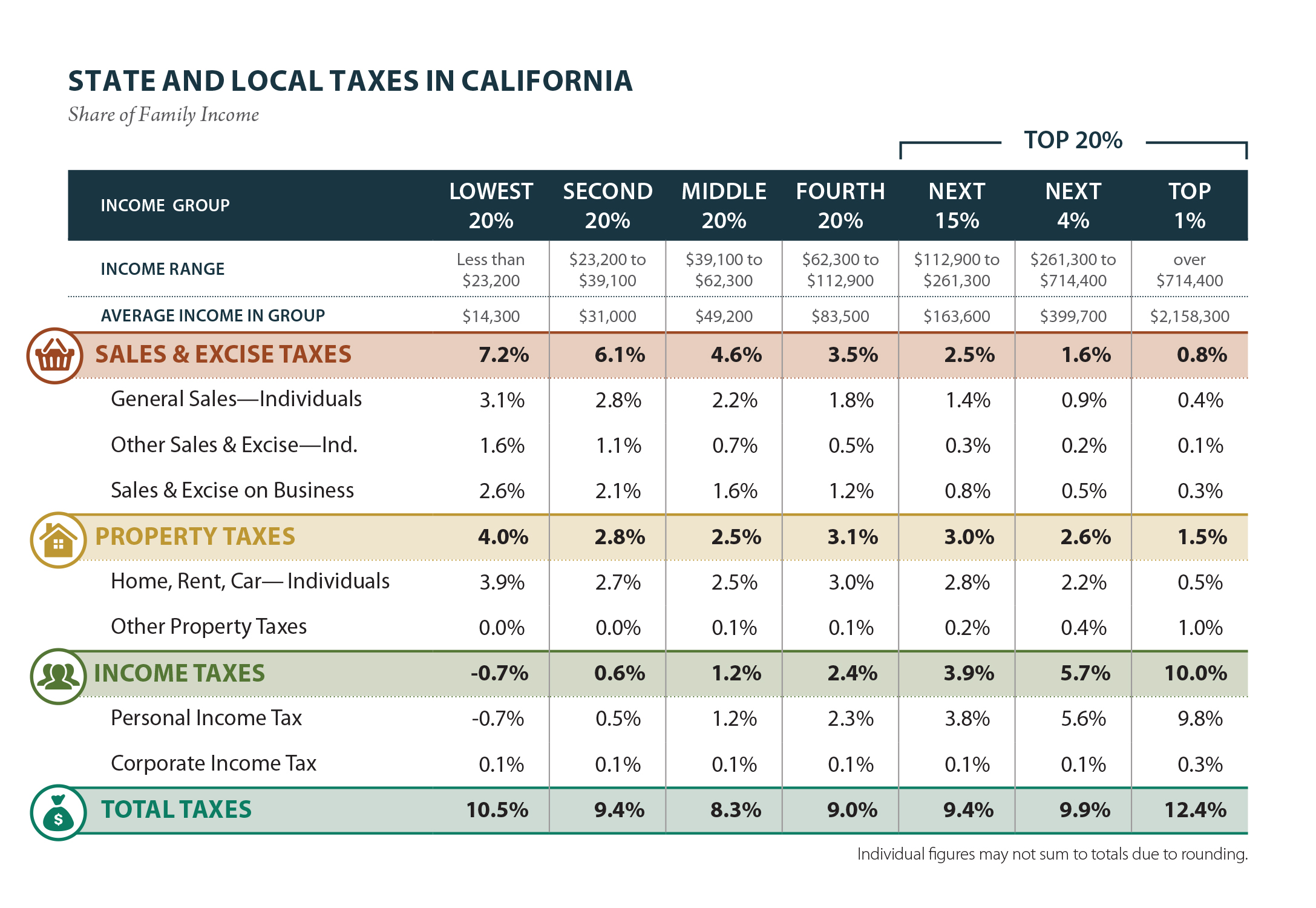
Beyond personal income tax, California has several other significant taxes that can impact residents, visitors, and businesses. Familiarizing yourself with these ensures a holistic approach to your financial planning in the state.
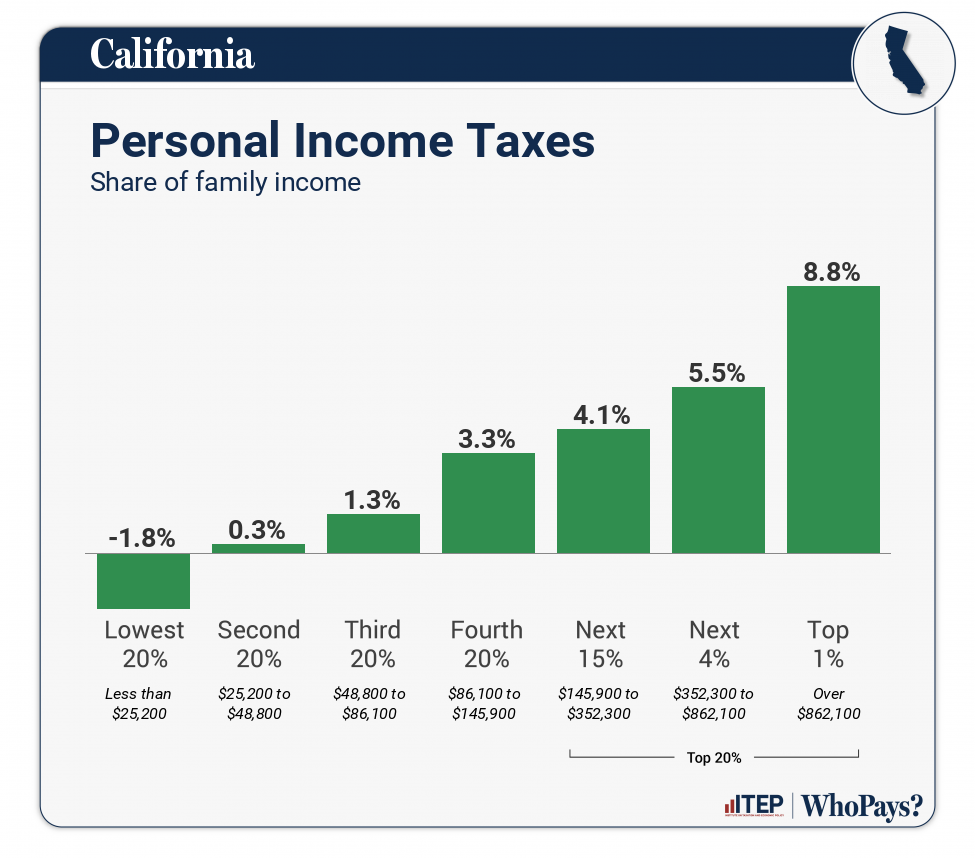
- Personal Income Tax: This is the most significant state tax for most individuals. California has a progressive income tax system, meaning higher earners pay a higher percentage of their income in taxes. The rates can be among the highest in the nation, making it essential to factor this into your financial planning, particularly if you are moving from a state with lower or no income tax. The Franchise Tax Board (FTB) is the state agency responsible for administering California income tax.
- Sales and Use Tax: If you’re enjoying the vibrant shopping scene in San Francisco or purchasing souvenirs at Disneyland Resort, you’ll encounter California’s sales tax. This tax is imposed on retailers for the privilege of selling tangible personal property. The statewide base sales tax rate is 7.25%, but local jurisdictions can add district taxes, bringing the combined rate higher in many cities and counties. For instance, in Los Angeles, the combined rate can be significantly higher. The use tax is a companion to the sales tax and applies to purchases made outside California for use within the state, where sales tax wasn’t collected (e.g., online purchases from out-of-state vendors). The California Department of Tax and Fee Administration (CDTFA) oversees this.
- Transient Occupancy Tax (TOT): This tax is directly relevant to travelers and those utilizing short-term accommodation. The TOT, often referred to as a “hotel tax,” is levied by cities and counties on the rent charged for temporary lodging in hotels, motels, resorts, bed and breakfasts, and even short-term rentals like those found in Palm Springs or near Lake Tahoe. Rates vary widely by location, from around 8% to over 15% in popular tourist destinations. When booking your stay, whether at the elegant Grand Californian Hotel & Spa or a cozy boutique inn, this tax will be automatically added to your bill, so it’s a critical component of budgeting for your accommodation.
- Property Tax: While perhaps less relevant for casual tourists, property tax is a significant consideration for those planning a long-term move, purchasing a vacation home, or investing in real estate in California. Property taxes are locally assessed and collected, based on the property’s assessed value. Proposition 13 generally caps the base property tax rate at 1% of the assessed value, plus any approved local bond measures or special assessments. This tax contributes to local services, schools, and infrastructure, vital for communities from Sacramento to Big Sur.
- Other Taxes and Fees: California also has other taxes, such as payroll taxes (administered by the Employment Development Department (EDD)) for employers and employees, fuel taxes, and excise taxes, which are generally integrated into the cost of goods and services.
Navigating the Payment Process: Deadlines and Methods
Once you’ve identified your tax obligations, the next step is understanding when and how to pay. Missing deadlines or using incorrect payment methods can lead to penalties and unnecessary stress, detracting from your enjoyment of California’s vibrant lifestyle.
Important Deadlines to Remember
Adhering to tax deadlines is crucial for smooth financial management. While the primary focus is often on the annual filing, other dates are important for different taxpayer categories.
- Annual Filing Deadline (April 15th): Like federal taxes, the main deadline for filing and paying California individual income tax returns is typically April 15th of the year following the tax year. For instance, taxes for the 2023 tax year are due by April 15, 2024. If this date falls on a weekend or holiday, the deadline shifts to the next business day. It’s important to note that this is a “due date for filing and payment.” Even if you file an extension, the payment of estimated taxes is still due by this date to avoid penalties.
- Estimated Tax Payments: For self-employed individuals, independent contractors, remote workers whose employers don’t withhold California taxes, or anyone expecting to owe at least $500 in state tax, estimated tax payments are often required. These payments are generally made in four installments throughout the year:
- April 15th (for income earned January 1 to March 31)
- June 15th (for income earned April 1 to May 31)
- September 15th (for income earned June 1 to August 31)
- January 15th of the following year (for income earned September 1 to December 31)
Planning for these payments is essential to manage your cash flow, especially if you’re balancing travel and work in places like Silicon Valley.
- Extensions: If you need more time to file your tax return, California generally grants an automatic six-month extension, pushing the filing deadline to October 15th. However, it’s critical to remember that this is an extension to file, not an extension to pay. Any tax you owe is still due by April 15th, and interest and penalties may accrue on underpayments from that date, even if you file an extension.
Convenient Ways to Pay Your California Taxes
The Franchise Tax Board (FTB) offers several convenient methods to pay your California state taxes, catering to various preferences and situations. Choosing the right method can streamline the process and help you avoid last-minute rush.
- Online Payments (Recommended): For ease and speed, online payment is often the best option.
- Web Pay: This free service allows you to make payments directly from your checking or savings account. You can schedule payments up to a year in advance, which is ideal for estimated taxes, and receive immediate confirmation. This is accessible through the FTB website.
- Credit Card/Debit Card: You can pay your taxes using a credit card, debit card, or digital wallet through third-party payment processors linked from the FTB website. Be aware that these services typically charge a convenience fee, which can add to your overall cost.
- CalFile: If you qualify, you can use CalFile, the FTB’s free online filing application, which also allows you to make your payment directly.
- Mail: If you prefer traditional methods, you can mail a check or money order directly to the FTB. Ensure your payment includes your social security number or FTB ID and the tax year to guarantee proper credit. Always use certified mail or a service with tracking for proof of mailing, especially near deadlines. The mailing address varies depending on whether you are sending a payment with your return or a separate estimated payment, so check the specific form instructions carefully.
- Payment Plans: If you find yourself unable to pay your tax liability in full by the due date, the FTB offers various payment options, including installment agreements. While interest and penalties may still apply, setting up a payment plan can prevent further enforcement actions and provide a structured way to settle your debt. You can typically apply for an installment agreement online or by mail.
- Tax Software: Most commercial tax preparation software (e.g., TurboTax, H&R Block) and professional tax preparers can help you e-file your California state tax return and facilitate electronic payments. This integrated approach can simplify the process, especially for those with complex financial situations.
Resources and Tips for a Smooth Tax Season
Managing your taxes in California doesn’t have to be a solo journey. A wealth of resources is available, and adopting smart practices can significantly ease the burden of tax season, allowing you to focus on the vibrant experiences California offers, from exploring Alcatraz Island to marveling at the Golden Gate Bridge.
Essential Resources from the California Franchise Tax Board
The Franchise Tax Board (FTB) is your primary resource for all things related to California state income tax. Their website is a comprehensive hub of information, tools, and services.
- FTB Website (ftb.ca.gov): This should be your first stop. You’ll find:
- Forms and Publications: Access all necessary tax forms, instructions, and detailed publications explaining various tax topics, residency rules, and specific deductions or credits.
- Online Services: Beyond Web Pay, the FTB offers services to check your refund status, view your tax account history, or respond to an FTB notice.
- FAQs and Help: A robust FAQ section addresses common questions, and a search function helps you pinpoint specific information.
- Contact Information: If you can’t find your answer online, the website provides phone numbers and mailing addresses to contact the FTB directly. They offer assistance for general tax questions, account-specific inquiries, and technical support for their online tools.
- Taxpayer Advocates: The FTB also has a Taxpayer Advocate office that can assist taxpayers who are experiencing significant hardship or believe their tax issues have not been resolved through normal administrative channels.
- Workshops and Outreach: Occasionally, the FTB conducts workshops or provides outreach programs, especially for small businesses or new residents, offering valuable insights into California tax laws.
For sales and use tax inquiries, the California Department of Tax and Fee Administration (CDTFA) website (cdtfa.ca.gov) is the go-to resource. For payroll taxes, consult the Employment Development Department (EDD) at edd.ca.gov.
Expert Advice for Travelers and New Residents
Whether you’re exploring Southern California on a working holiday or establishing a new life in Northern California, a few pieces of advice can make a significant difference in your tax journey.
- Meticulous Record Keeping: This cannot be stressed enough. Keep detailed records of all income sources, expenses, residency dates, and any documents related to your move. For remote workers or digital nomads, clearly document the days you physically worked in California versus other states or countries. This evidence will be invaluable if the FTB or IRS ever has questions about your tax filing. Keep receipts for significant purchases subject to sales tax, especially if you plan to claim any use tax exemptions.
- Understand Residency Rules Deeply: The definition of “resident” for tax purposes can be nuanced. If you have homes in multiple states, travel extensively, or maintain strong ties outside California, carefully review the FTB’s guidelines. Factors like voter registration, driver’s license, where your family lives, bank accounts, and the location of your valuable possessions can all play a role in determining your residency status. Misclassifying your residency can lead to significant penalties.
- Consider Professional Tax Advice: For complex situations—such as multi-state income, owning a business, significant investments, or international income—consulting a qualified tax professional specializing in California tax law is highly recommended. A Certified Public Accountant (CPA) or an Enrolled Agent (EA) can offer personalized advice, help you optimize your tax situation, and ensure full compliance, giving you peace of mind. This is particularly important given California’s higher tax rates and intricate rules.
- Budget for Taxes: Factor California state taxes into your overall budget, especially if you’re transitioning from a lower-tax state or country. The combined impact of income tax, sales tax, and potentially higher costs of living (including TOT for accommodations) can significantly affect your disposable income. Planning ahead, particularly for estimated taxes, can prevent financial surprises.
- Stay Informed: Tax laws can change. Periodically check the FTB and CDTFA websites for updates, especially if there are new legislation or significant policy changes. Subscribing to their newsletters or following reputable tax news sources can keep you informed.
In conclusion, while the thought of paying state taxes in California might seem like a complex chore, it’s an integral part of life and business in this dynamic state. By understanding your residency status, familiarizing yourself with the different types of taxes, adhering to deadlines, and utilizing the readily available resources, you can navigate your tax obligations efficiently and effectively. This knowledge empowers you to fully embrace the unparalleled beauty, innovation, and lifestyle that define the Golden State, allowing you to focus on making unforgettable memories, whether you’re here for a short visit or a lifetime.
LifeOutOfTheBox is a participant in the Amazon Services LLC Associates Program, an affiliate advertising program designed to provide a means for sites to earn advertising fees by advertising and linking to Amazon.com. Amazon, the Amazon logo, AmazonSupply, and the AmazonSupply logo are trademarks of Amazon.com, Inc. or its affiliates. As an Amazon Associate we earn affiliate commissions from qualifying purchases.