
Yes, California proudly resides within the Pacific Time Zone, a crucial piece of information for anyone planning to visit, conduct business, or simply understand daily life in the Golden State. For travelers, understanding California’s time zone is more than just knowing what time to set your watch; it’s fundamental to crafting a seamless itinerary, managing communication, and fully immersing yourself in the myriad experiences that this diverse state offers. From the bustling streets of Los Angeles to the iconic vistas of San Francisco and the sun-drenched beaches of San Diego, every aspect of your journey—from hotel check-ins and tour timings to dining reservations and connecting with loved ones—will hinge on your awareness of the local time. This guide delves into the nuances of California’s time zone, its impact on your travel and lifestyle, and practical tips to ensure your visit is as smooth and enjoyable as possible.

Understanding California’s Time Zone: Pacific Standard Time (PST) and Pacific Daylight Time (PDT)
The concept of time zones can seem straightforward, but for a dynamic region like California, understanding the distinction between Pacific Standard Time (PST) and Pacific Daylight Time (PDT) is key to avoiding confusion. The entire state of California observes the Pacific Time Zone, meaning it shifts uniformly with the rest of the region.
The Basics of PST and PDT
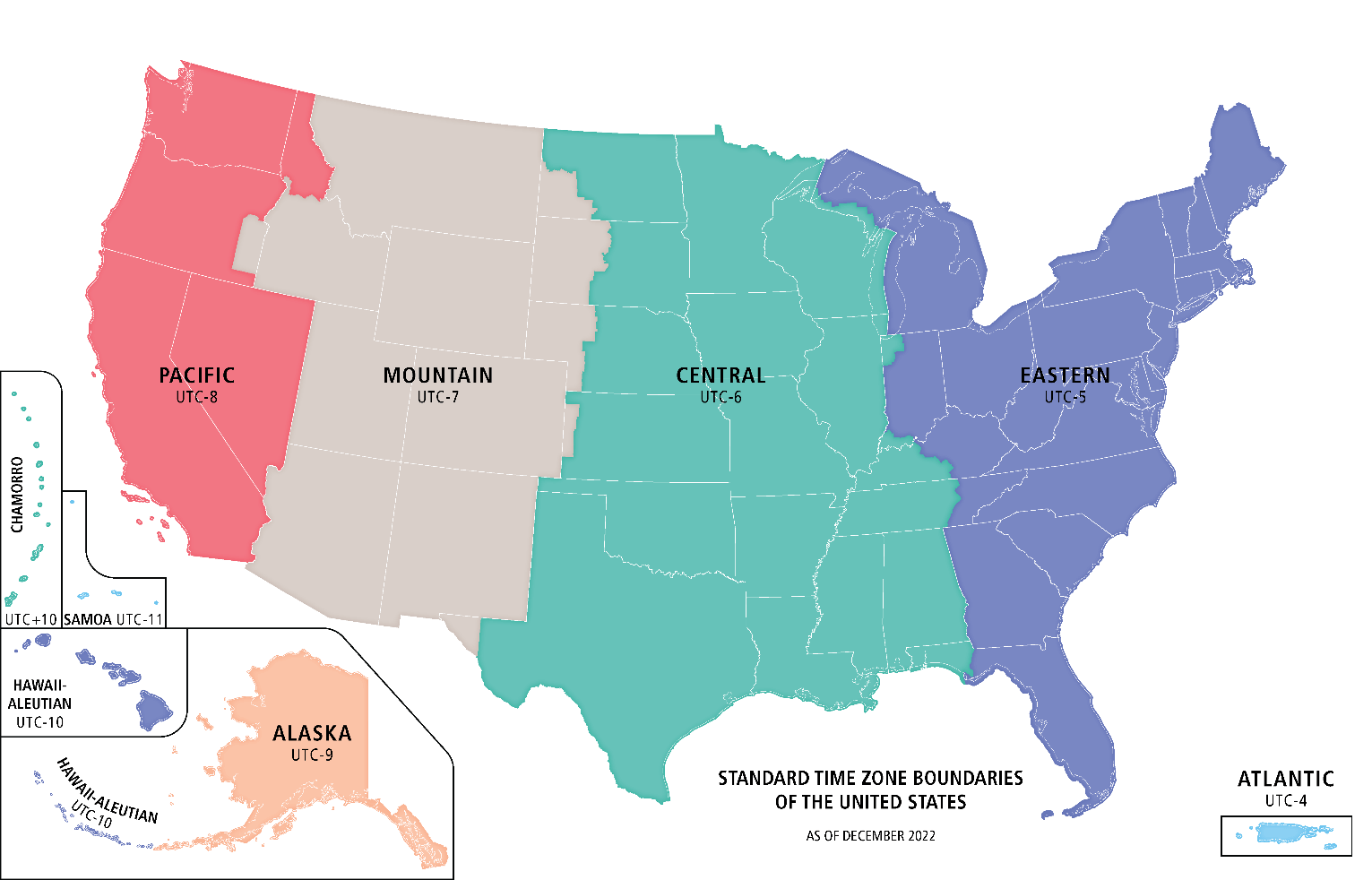
Pacific Standard Time (PST) is observed during the fall and winter months. It is 8 hours behind Coordinated Universal Time (UTC), often written as UTC-8. This is the “standard” time. When spring arrives, usually on the second Sunday of March, California (along with many other regions in the United States) transitions to Pacific Daylight Time (PDT). During this period, clocks are advanced by one hour, making it 7 hours behind UTC (UTC-7). This shift, commonly known as Daylight Saving Time, aims to make better use of daylight, providing longer evenings during the warmer months. The switch back to PST typically occurs on the first Sunday of November, when clocks are moved back one hour. This biannual change is crucial to remember, especially when booking flights, making reservations, or scheduling calls across different time zones.
Geographical Impact: Where PST/PDT Applies
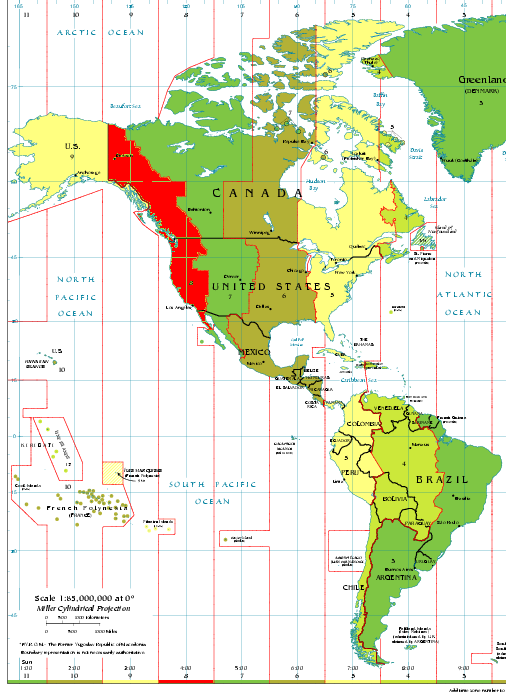
The Pacific Time Zone encompasses the entire state of California, from its northern border with Oregon down to the southern border with Mexico, and from the Pacific Ocean coastline eastward to the borders with Nevada and Arizona. This means whether you’re exploring the majestic Sierra Nevada Mountains, strolling through the vineyards of Napa Valley, or conducting business in Silicon Valley, you’ll be operating on the same time. While this consistency within the state simplifies internal travel, it’s vital to remember that neighboring states like Arizona (which largely does not observe Daylight Saving Time) and Nevada (which does) can have different local times depending on the time of year. For international travelers or those arriving from other parts of the United States, such as the Eastern Time Zone or Central Time Zone, the time difference can be substantial, necessitating careful planning to avoid jet lag and missed appointments.
Time Zones and the Traveler’s Experience in California
For any visitor, the practical implications of California’s time zone extend beyond simply knowing what time it is. It directly influences travel logistics, the rhythm of daily activities, and even how you interact with the vibrant local culture. A little foresight can significantly enhance your experience.
Planning Your Itinerary: Navigating Arrival and Departure
The moment you book your flight to California, time zone awareness becomes paramount. If you’re flying from the East Coast of the United States (a three-hour difference from PST/PDT) or even further afield from Europe or Asia, jet lag can be a real challenge. Arriving in Los Angeles or San Francisco at what feels like bedtime might mean it’s mid-afternoon local time, making immediate adaptation tricky. When scheduling hotel check-ins, airport transfers, or early morning tours, always double-check the local time to avoid miscalculations. Many California hotels, from luxury resorts like the Beverly Wilshire A Four Seasons Hotel in Beverly Hills to charming boutique accommodations in Napa Valley, operate on strict check-in and check-out times, and knowing the precise local hour ensures a smooth start and end to your stay. For departure, being aware of flight times in relation to your home time zone is also crucial for coordinating with family or for onward travel.
Synchronizing with Local Life: Food, Attractions, and Events
California’s diverse culture and array of attractions are best enjoyed when you’re in sync with local timings. Restaurants, especially popular dining spots in cities like San Francisco or Santa Monica, often have specific opening and closing hours, and reservations are frequently required, especially for dinner. Theme parks such as Disneyland in Anaheim or Universal Studios Hollywood in Hollywood have fixed operating hours, and arriving too early or too late can impact your experience. Similarly, timed entry tickets for landmarks like Alcatraz Island or tours of Yosemite National Park require punctuality. Attending live music events, sports games, or cultural festivals also demands an understanding of event schedules in local time. Being aligned with the local clock allows you to fully engage with California’s vibrant tourism offerings, from exploring local markets to catching a sunset cruise along the Pacific Coast.
The Business Traveler’s Perspective: Meetings Across Time Zones
For business travelers, the Pacific Time Zone presents a unique set of challenges and opportunities. California, particularly Silicon Valley, is a global hub for innovation, attracting professionals from around the world. Scheduling conference calls or virtual meetings with colleagues or clients in New York (three hours ahead), London (eight hours ahead), or Tokyo (sixteen hours ahead) requires careful calculation. An 8:00 AM meeting in San Francisco is 11:00 AM in New York, 4:00 PM in London, and midnight the next day in Tokyo. Business accommodations in California often cater to these needs, offering amenities like high-speed internet and business centers that are essential for staying connected. Mastering these time differences is crucial for effective communication, meeting deadlines, and maintaining productivity while traveling for business in the Golden State.
Beyond Time Zones: California as a Premier Travel Destination
While understanding time zones is practical, the true allure of California lies in its unparalleled beauty, diverse attractions, and unique lifestyle. This state truly embodies the “California Dreamin'” ethos, offering something for every type of traveler, from adventurers and history buffs to luxury seekers and budget-conscious explorers.
Iconic Landmarks and Attractions
California is a treasure trove of world-renowned landmarks and natural wonders. The majestic Golden Gate Bridge in San Francisco stands as a testament to human ingenuity, while the Hollywood Sign symbolizes the glamour and dreams of the entertainment industry. Beyond its urban centers, California boasts an incredible array of natural beauty. Yosemite National Park, with its towering granite cliffs and ancient sequoia trees, offers breathtaking vistas and challenging hikes. The dramatic coastline of Big Sur provides some of the most scenic drives in the world. Further east, the stark beauty of Death Valley National Park contrasts with the unique flora of Joshua Tree National Park, and the giant trees of Redwood National Park inspire awe. Whether you’re interested in history at Alcatraz Island, thrilling rides at Disneyland, or exploring the vibrant art scenes in cities like San Diego, California offers an endless list of attractions to fill your travel guide.
Diverse Accommodation Options
Matching the diversity of its attractions, California offers an incredible range of accommodation options to suit every preference and budget. For those seeking luxury travel, California boasts world-class resorts, such as the Waldorf Astoria Beverly Hills or exclusive beachfront villas in Malibu, complete with amenities designed for an indulgent experience. Business stays are well-catered for with sophisticated suites in urban centers, offering convenience and executive services. Families on vacation can choose from spacious apartments, family-friendly resorts with extensive facilities, or charming vacation rentals near attractions. Budget travelers will find a wealth of options, from hostels in major cities to affordable motels along scenic routes. Online booking platforms, comparison sites, and detailed reviews are indispensable tools for finding the perfect stay, whether it’s a long-term rental in San Joaquin Valley or a cozy cabin near Lake Tahoe.
Embracing the California Lifestyle
Beyond its sights and stays, California offers a distinctive lifestyle that captivates visitors. It’s a place where outdoor living is celebrated year-round, from surfing in the Pacific Ocean to skiing in Mammoth Lakes. The state’s culinary scene is a vibrant fusion of fresh, locally sourced ingredients (often from the fertile Central Valley), innovative chefs, and diverse international influences. Whether you’re enjoying farm-to-table dining in Napa Valley, sampling authentic tacos in San Diego, or exploring the gourmet food trucks of Los Angeles, food is a central part of the California experience. The state also has a deep appreciation for arts and culture, with world-class museums, live music venues, and a thriving entertainment industry. Whether your trip involves luxury travel experiences, a budget-friendly adventure, or a memorable family trip, immersing yourself in the laid-back yet innovative California lifestyle is an essential part of the journey.
Practical Tips for a Seamless California Journey
Navigating California with time zone awareness doesn’t have to be complicated. With a few practical strategies, you can minimize potential disruptions and maximize your enjoyment of this incredible destination.
Adjusting to the Time Difference
Jet lag is a common companion for travelers crossing multiple time zones. To mitigate its effects when arriving in California, try to gradually adjust your sleep schedule a few days before your trip. Once you arrive, embrace the local time immediately. Stay hydrated, expose yourself to natural sunlight, especially in the mornings, and try to avoid long naps during the day. Plan lighter activities for your first day or two to allow your body to acclimate. Many travelers find that a balanced approach, combining rest with gentle exploration, helps them adjust more quickly. Remember that the difference is three hours if coming from the East Coast of the United States (e.g., New York), which is manageable, but can be significantly more if coming from overseas.
Utilizing Technology for Time Management
Your smartphone and other smart devices are your best friends for time zone management. Most modern phones automatically update to the local time when you arrive, but it’s always wise to double-check. Use world clock applications to easily track the time in your home city and California simultaneously. Set alarms for important events in local time and consider using flight tracking apps that provide real-time updates and account for time zone changes. For business travelers, scheduling software often has built-in time zone converters, which are invaluable for coordinating international calls. Leveraging these technological tools can remove much of the stress associated with time differences, allowing you to focus on your travel experiences.
Booking Smart: Accommodation and Activities
When making any reservations, whether for hotels, car rentals, tours, or dining, always confirm the scheduled times in California’s local time. If you’re booking well in advance, especially during the spring or fall, remember to account for the Daylight Saving Time shift between PST and PDT. Most booking platforms will display times in the local destination’s time zone, but a quick verification can prevent any misunderstandings. Pay attention to hotel check-in and check-out policies, especially if you have an early arrival or late departure, and communicate your needs in advance. Reading reviews related to a hotel’s flexibility regarding these timings can also be beneficial. For popular attractions, consider booking tickets with flexible cancellation policies, just in case any unforeseen time-related issues arise. Planning ahead and being meticulous with your bookings will contribute significantly to a hassle-free and enjoyable journey throughout California.
In conclusion, California indeed operates within the Pacific Time Zone, alternating between PST and PDT depending on the time of year. While this might seem like a minor detail, it holds significant implications for travelers, influencing everything from managing jet lag and scheduling flights to exploring iconic landmarks and embracing the vibrant local lifestyle. By understanding these time zone dynamics and employing practical strategies, you can ensure your visit to the Golden State is not only seamless but also profoundly enriching, allowing you to fully savor every moment of your California adventure.
LifeOutOfTheBox is a participant in the Amazon Services LLC Associates Program, an affiliate advertising program designed to provide a means for sites to earn advertising fees by advertising and linking to Amazon.com. Amazon, the Amazon logo, AmazonSupply, and the AmazonSupply logo are trademarks of Amazon.com, Inc. or its affiliates. As an Amazon Associate we earn affiliate commissions from qualifying purchases.