
The question of whether an inheritance tax exists in California is a common one, particularly for those with assets in the Golden State or for individuals considering a move to its vibrant landscapes. From the bustling metropolises of Los Angeles and San Francisco to the serene vineyards of Napa Valley and the sun-drenched resorts of Palm Springs, California offers an unparalleled lifestyle. Understanding the nuances of its tax structure, especially concerning inheritances, is crucial for both residents and those looking to enjoy its many splendors, ensuring that a legacy can be passed on seamlessly, perhaps even to fund future travel or maintain cherished properties.
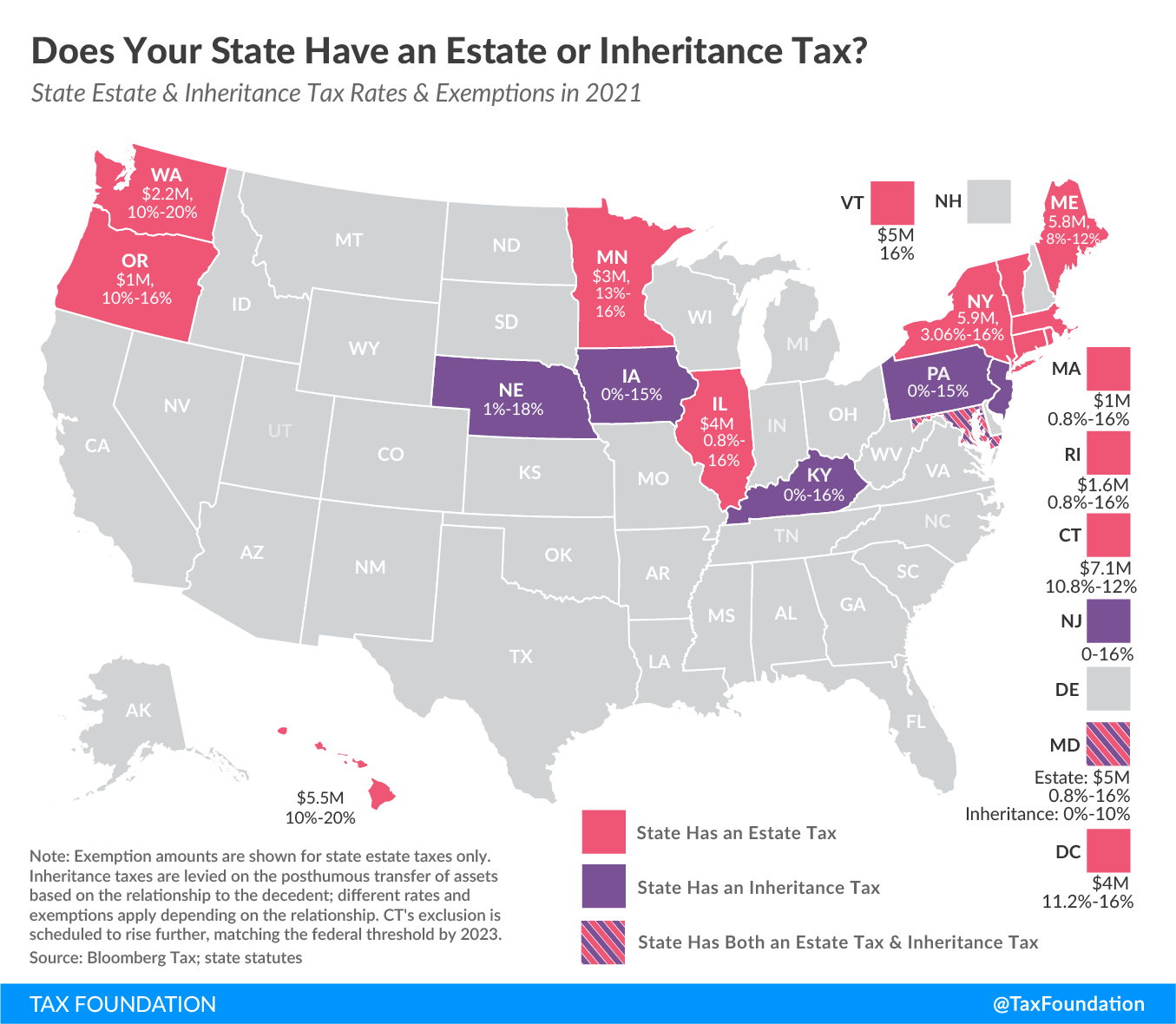
Let’s cut directly to the chase: No, California does not levy an inheritance tax. This is a significant piece of information for anyone planning their estate or expecting to receive assets from a California resident. An inheritance tax is typically paid by the beneficiary who receives the assets, and its existence can vary significantly from state to state within the United States. Some states do impose this tax, often varying the rate based on the relationship between the deceased and the beneficiary. However, California repealed its inheritance tax back in 1982 with Proposition 6.
While California may not have an inheritance tax, this doesn’t mean that inherited assets are entirely free from taxation or complexity. There are other financial considerations, primarily the Federal Estate Tax and potential Capital Gains Tax implications, that individuals need to be aware of. For those who embrace the California lifestyle – whether through frequent luxury travel, ownership of exquisite properties, or investments in the state’s burgeoning tourism sector – understanding these distinctions is paramount for effective wealth management and estate planning. It can directly influence the ability of future generations to explore famous landmarks like the Golden Gate Bridge or stay in iconic hotels along the Santa Monica coast.
Understanding Estate Planning in the Golden State: More Than Just Taxes
Estate planning in California goes far beyond simply avoiding an inheritance tax. It’s about ensuring your wishes are honored, your loved ones are provided for, and your assets – whether they include a beloved vacation home in Lake Tahoe, a collection of travel memorabilia, or funds designated for future adventures – are distributed efficiently. For many who’ve cultivated a lifestyle rich in travel and experiences, the concept of a legacy extends to enabling similar opportunities for their beneficiaries.
A well-crafted estate plan in California typically involves several key documents:
- Wills: While a will outlines your wishes for asset distribution, it often necessitates the Probate Process, which can be lengthy and public.
- Living Trusts: These are incredibly popular in California because they allow assets to bypass probate, saving time, money, and maintaining privacy. A Living Trust can hold various assets, from real estate to investment portfolios, and even valuable collections acquired during global travels. By transferring assets into a trust during your lifetime, you maintain control over them, and upon your passing, a successor trustee distributes them according to your instructions, often without court intervention.
- Durable Power of Attorney: This designates someone to make financial decisions on your behalf if you become incapacitated, ensuring continuity in managing assets, paying bills, and even handling travel bookings or long-term accommodation arrangements.
- Advance Healthcare Directive: This outlines your medical wishes and appoints a healthcare agent.
For those whose lifestyle involves frequent travel, owning properties in different destinations, or managing complex investments, a comprehensive estate plan offers peace of mind. Imagine having a family resort or a luxury apartment in San Diego that you wish to pass down. Without proper planning, this could get tied up in probate, delaying your family’s access and enjoyment. A Living Trust ensures that such cherished assets can transition smoothly, allowing beneficiaries to continue enjoying the amenities and experiences associated with them, whether that’s hosting family gatherings or offering a unique accommodation option for future travels.
Moreover, estate planning is not just about death; it’s also about life. It’s about creating a framework that supports your desired lifestyle, even through unforeseen circumstances. For individuals who prioritize experiences over possessions, an estate plan can ensure funds are available for continued travel, philanthropic endeavors, or even the maintenance of properties that serve as hubs for family tourism and exploration, such as a cabin near Yosemite National Park or a beachfront villa in Marina del Rey.
The Federal Estate Tax Landscape and Its Impact on High-Net-Worth Individuals
While California has no state-specific inheritance tax, the Federal Estate Tax remains a significant consideration for wealthier individuals across the United States. This tax is levied on the total value of a deceased person’s assets before they are distributed to beneficiaries. However, it only applies to estates exceeding a very high exemption threshold, which is adjusted annually for inflation. For 2024, this exemption stands at $13.61 million per individual, or $27.22 million for a married couple if portability is elected.
This means that the vast majority of estates, even in affluent areas of California, will not be subject to the Federal Estate Tax. However, for high-net-worth individuals – those whose accumulated wealth, including real estate, investments, businesses, and other valuable assets, surpasses these thresholds – strategic planning is essential. This group often includes individuals who have curated a luxurious lifestyle, complete with international travel, ownership of multiple properties (perhaps including a boutique hotel or a vacation rental business), and substantial investment portfolios.
For such individuals, various estate tax planning strategies can be employed to minimize the federal tax burden:
- Gifting Strategies: Making annual exclusion gifts ($18,000 per recipient per year in 2024) or larger gifts utilizing the lifetime exemption can reduce the taxable estate.
- Charitable Giving: Donations to qualified charities can reduce the size of the taxable estate. Many philanthropically-minded individuals with a global perspective might establish foundations that support cultural tourism, environmental preservation in iconic landmarks, or educational travel programs.
- Irrevocable Trusts: These trusts can remove assets from the grantor’s taxable estate. Examples include Irrevocable Life Insurance Trusts (ILITs) or Grantor Retained Annuity Trusts (GRATs). These tools are sophisticated and typically used by those with substantial wealth to protect assets that might otherwise be taxed, potentially freeing up capital for beneficiaries to enjoy travel, fund educational pursuits, or invest in lifestyle ventures.
Consider a situation where an individual has amassed a fortune through successful business ventures, allowing them to travel extensively, stay in luxury hotels worldwide, and own multiple properties, including a sprawling estate near Malibu and a charming vineyard in Sonoma. Without proper planning, upon their passing, a significant portion of their wealth could be subject to the Federal Estate Tax, reducing the legacy they intend to leave for their heirs to continue their own explorations or maintain these valuable assets. Through careful estate planning, leveraging available exemptions and sophisticated trust structures, they can ensure their family continues to enjoy the fruits of their labor, perhaps even establishing an endowment for annual family trips to destinations like Disneyland or extended stays at international resorts.
Navigating California Specifics: Property, Probate, and Planning for Future Generations
Beyond the absence of an inheritance tax and the presence of a federal estate tax, there are unique California specifics that profoundly impact how inherited assets are handled, especially real estate. For a state renowned for its diverse landscapes and sought-after properties, from urban high-rises in San Francisco to beach houses in Santa Cruz and desert retreats in Joshua Tree, understanding these local nuances is critical.
-
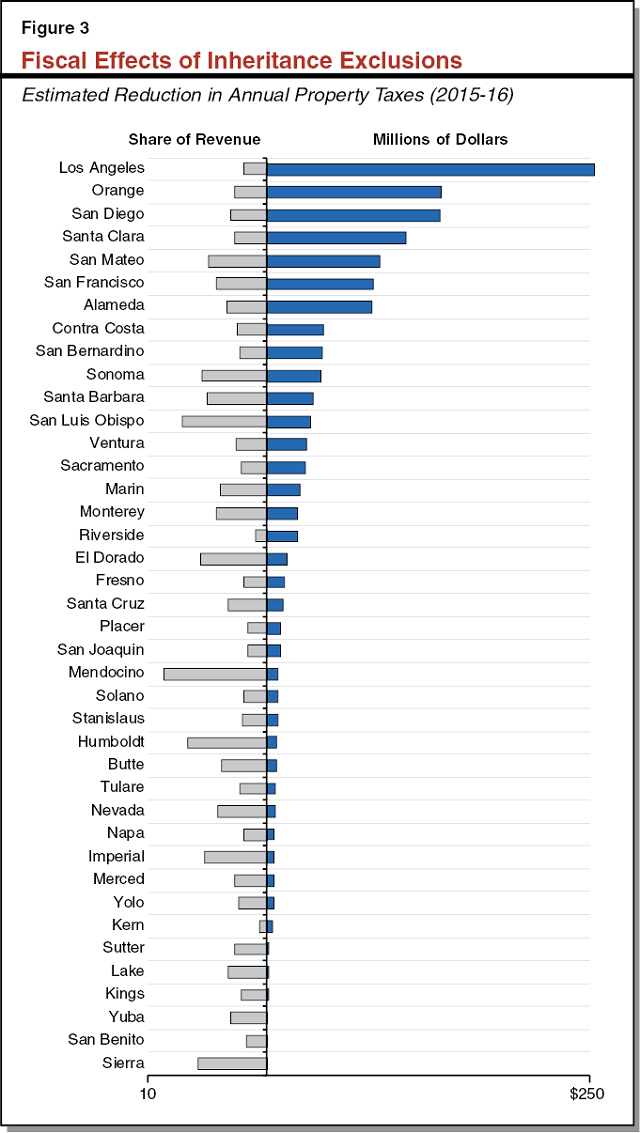
California Property Taxes (Proposition 13 and Intra-Family Transfers): California’s Proposition 13 limits property tax increases. Historically, parents could transfer their primary residence and other property to their children without reassessment to current market value, thus preserving the lower property tax base. However, Proposition 19, passed in 2020, significantly altered this. Now, for inherited property (other than a primary residence that the child then uses as their own primary residence), the property is reassessed to its current market value, often leading to a substantial increase in property taxes for the inheritors. This change is a massive consideration for families who own vacation homes, rental properties, or even family businesses with real estate components. It impacts the long-term affordability and viability of retaining inherited properties, directly influencing future family travel plans tied to these locations or the decision to monetize them. For example, if a family inherits a historical home in Carmel-by-the-Sea that has been in the family for generations, the new property tax reassessment could make it financially challenging for the heirs to keep, potentially forcing a sale of a beloved landmark or family gathering spot.
-
The Probate Process in California: As mentioned earlier, California’s probate process can be notoriously long, costly, and public. For estates with gross assets over a certain threshold (currently $184,500), probate is usually required if a will is the primary estate planning document or if there’s no plan at all.
- Time: Probate can take anywhere from 9 months to several years, depending on the complexity of the estate and court backlogs. This delay can prevent beneficiaries from accessing funds or properties, potentially disrupting their ability to make travel plans, cover accommodation expenses, or pursue other lifestyle choices.
- Cost: Probate fees in California are statutory, meaning attorneys and executors are compensated based on a percentage of the gross estate value (before debts). These fees can quickly accumulate, significantly reducing the net inheritance.
- Public Record: Everything filed in probate court becomes a public record, including detailed information about the deceased’s assets, debts, and beneficiaries. For many, privacy is a key concern, especially for those with high-profile lifestyles or substantial assets.
To circumvent the Probate Process, the Living Trust is the preferred estate planning tool for many California residents. Assets funded into a Living Trust are distributed privately and efficiently by a successor trustee, as outlined in the trust document, often within weeks or a few months, rather than years. This seamless transfer of assets, whether it’s an investment property in Hollywood that contributes to family income or a family legacy fund for luxury travel, ensures that beneficiaries can continue their lives with minimal disruption and maximum benefit.

Lifestyle and Legacy: Ensuring Your California Dream Endures
The intersection of estate planning and lifestyle is particularly pronounced in a state like California, where living well often involves experiencing its stunning natural beauty, vibrant cultural scenes, and world-class hospitality. For individuals who have embraced the “life out of the box” philosophy, estate planning is not merely a legal formality; it’s a strategic way to perpetuate a desired lifestyle and leave a meaningful legacy.
Imagine a family whose annual tradition involves luxury stays at resorts near Big Sur, exploring the artistic communities of Laguna Beach, or taking regular trips to Disneyland and the Hollywood Walk of Fame. Thoughtful estate planning can establish mechanisms to fund these experiences for future generations, perhaps through dedicated trust provisions or the seamless transfer of a family vacation property. This ensures that the spirit of adventure, cultural appreciation, and shared family moments continues uninterrupted, making travel and unique accommodations an enduring part of the family’s identity.
For those who have invested in properties that double as landmarks or unique accommodation options – perhaps a historical Victorian in Eureka or a contemporary architectural marvel overlooking Lake Tahoe – an effective estate plan ensures these assets are transferred with minimal fuss. This preserves not only the financial value but also the emotional and historical significance of these places, allowing them to remain centers for family gatherings, future tourism ventures, or even as long-term stays for family members studying in nearby cities.
Ultimately, while California does not have an inheritance tax, the broader landscape of federal estate tax, California property tax rules, and the complexities of probate underscore the critical importance of comprehensive estate planning. For individuals and families who cherish their California lifestyle – whether it’s defined by luxury travel, owning exquisite properties, or simply enjoying the state’s incredible attractions – a well-executed estate plan is the key to ensuring their vision endures. It’s about more than just distributing assets; it’s about passing on opportunities, experiences, and the peace of mind that comes from knowing your legacy will continue to flourish, allowing loved ones to explore, discover, and live their own lives out of the box. Seeking advice from qualified legal and financial professionals specializing in California estate planning is always recommended to tailor a plan that aligns with your unique assets, family dynamics, and lifestyle aspirations.
LifeOutOfTheBox is a participant in the Amazon Services LLC Associates Program, an affiliate advertising program designed to provide a means for sites to earn advertising fees by advertising and linking to Amazon.com. Amazon, the Amazon logo, AmazonSupply, and the AmazonSupply logo are trademarks of Amazon.com, Inc. or its affiliates. As an Amazon Associate we earn affiliate commissions from qualifying purchases.