
For anyone planning a visit, considering a relocation, or simply conducting business with the Golden State, understanding the current time in California is far more than just a matter of curiosity; it’s a critical piece of information that underpins almost every aspect of travel, tourism, and daily life. As a global hub for innovation, entertainment, and breathtaking natural beauty, California operates on a specific time zone that impacts everything from flight schedules and hotel check-ins to dining reservations and the timing of iconic attractions. This comprehensive guide delves into the intricacies of California’s time, offering insights vital for a seamless and enjoyable experience, whether you’re embarking on a luxurious lifestyle escape, a budget-friendly adventure, or a family trip to its renowned landmarks.
Understanding California’s Time Zone: PST vs. PDT
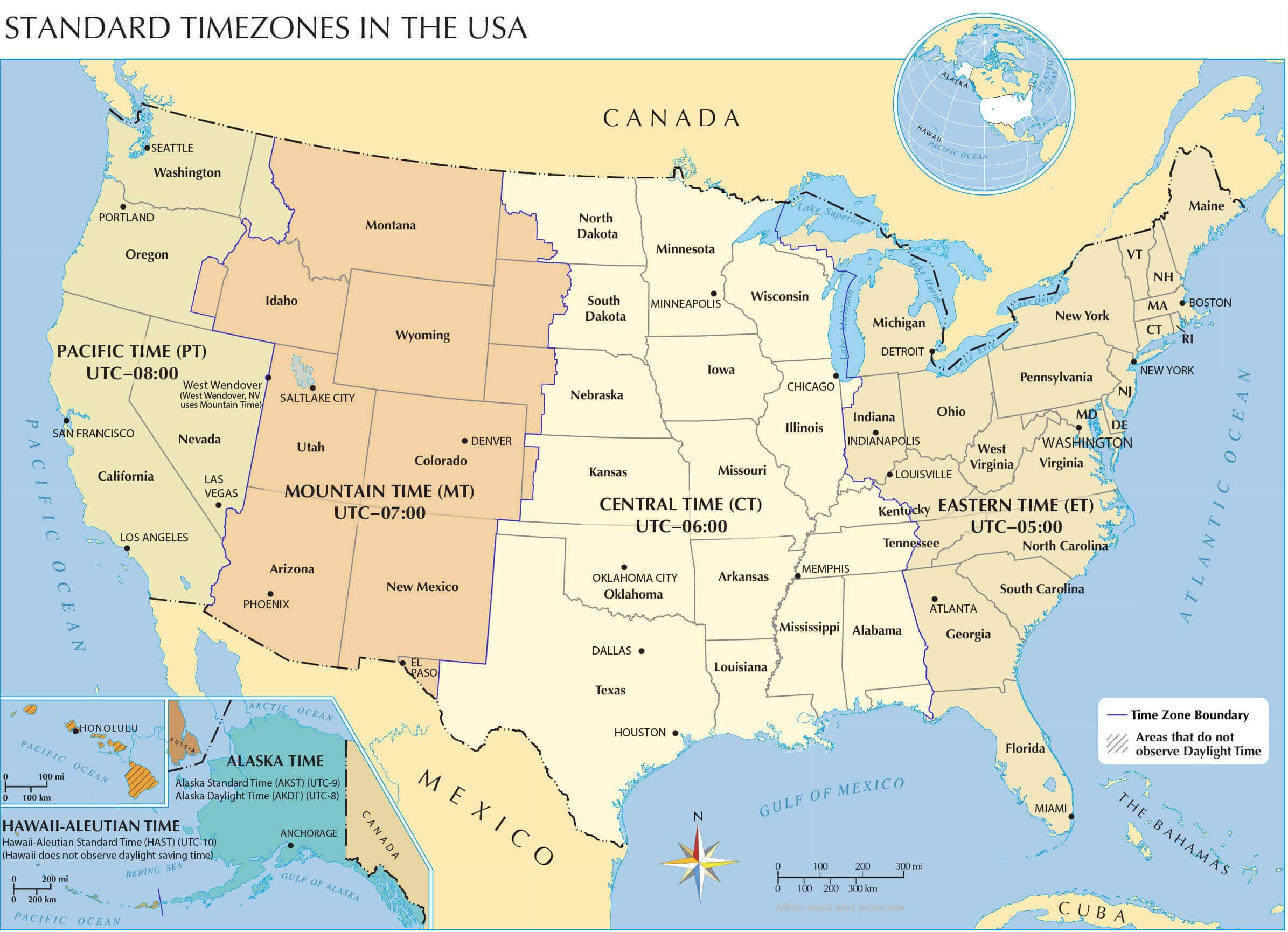
California adheres to the Pacific Time Zone, which alternates between Pacific Standard Time (PST) and Pacific Daylight Time (PDT) throughout the year. This distinction is paramount for travelers and locals alike.
Pacific Standard Time (PST)
Pacific Standard Time (PST) is observed during the fall and winter months. It is UTC-8, meaning it is eight hours behind Coordinated Universal Time. This period typically begins on the first Sunday in November, when clocks are set back one hour, effectively “falling back.” During PST, a 9:00 AM meeting in London would translate to 1:00 AM in Los Angeles, highlighting the significant time difference for international visitors or those coordinating across continents. For domestic travelers from the East Coast of the United States, there is a three-hour difference, meaning noon in New York City is 9:00 AM in San Francisco. This difference necessitates careful planning for conference calls, flight bookings, and even managing family communication back home.
Pacific Daylight Time (PDT) and Daylight Saving
As spring arrives, California switches to Pacific Daylight Time (PDT). This occurs on the second Sunday in March when clocks are moved forward one hour, effectively “springing forward.” PDT is UTC-7, making it seven hours behind Coordinated Universal Time. The purpose of Daylight Saving Time is to make better use of daylight, shifting an hour of daylight from the morning to the evening. For tourists, this means longer evenings to enjoy outdoor attractions, stroll along beaches like those in Santa Monica, or explore vibrant cityscapes under natural light. While the extra hour of evening daylight is a boon for tourism, the initial transition can cause minor disruptions in sleep patterns or meeting schedules if not accounted for.
Why Knowing the Specific Time Zone is Crucial
The distinction between PST and PDT isn’t just a technicality; it has tangible implications for your trip. A flight scheduled to arrive at 3:00 PM PST in November could mean a significantly different actual arrival time if you incorrectly assume it’s PDT. Similarly, a reservation for a popular restaurant in Napa Valley or a tour of Alcatraz Island in San Francisco could be missed if you’re an hour off. For business travelers, missing a critical meeting due to a time zone miscalculation can have professional repercussions. Therefore, always verify whether a given time refers to PST or PDT, especially when booking travel far in advance or when your trip spans the Daylight Saving Time transition dates. Online tools and modern smartphones automatically adjust, but a manual check provides an extra layer of security.
Navigating Time for Seamless California Travel
Effective time management is a cornerstone of any successful trip, and this is especially true when traveling to a destination like California, where experiences are diverse and often require precise timing.
Planning Your Itinerary and Bookings
The current time in California directly influences crucial logistical elements of your journey, from the moment you consider booking until your departure.
Flights and Arrivals
When booking flights to major California airports like LAX (Los Angeles International Airport) or SFO (San Francisco International Airport), the arrival and departure times listed are always in local time. If you’re coming from the East Coast of the United States (Eastern Time, ET), expect a three-hour time difference. This means a flight departing New York at 9:00 AM ET will land in California around 12:00 PM PST/PDT (plus flight duration). Understanding this difference is key to coordinating ground transportation, notifying accommodation providers of your estimated arrival, and even planning your first meal. Arriving late at night in a new time zone can be disorienting, so considering arrival times that allow for daylight exploration or a relaxed evening settling into your resort or villa is often advisable.
Hotel Check-ins and Check-outs
Most hotels, resorts, apartments, and villas in California adhere to standard check-in times around 3:00 PM or 4:00 PM local time, with check-out typically around 11:00 AM or 12:00 PM. If your flight arrives early morning, you might face a few hours before you can access your room. In such cases, plan activities like breakfast, light sightseeing, or utilizing hotel amenities such as the spa or pool. Conversely, if your flight departs late, consider requesting a late check-out or storing your luggage with the concierge to enjoy your final hours in California without being burdened. These considerations are vital for a smooth transition and maximize your value from your chosen accommodation.
Attraction Timings and Reservations
California boasts an incredible array of attractions and landmarks, from the magical gates of Disneyland in Anaheim to the dramatic cliffs of Big Sur and the cultural institutions of San Diego. Each has specific operating hours, and many require advance reservations, especially popular ones like Universal Studios Hollywood or wine tastings in Sonoma. Always check the local time operating hours for each attraction to avoid disappointment. A common mistake for travelers from different time zones is miscalculating opening or closing times, leading to rushed visits or missed opportunities. For highly sought-after experiences, securing reservations well in advance and noting their local time slots is non-negotiable for a truly immersive and stress-free experience.
Minimizing Jet Lag and Maximizing Experience

Adjusting to California’s time zone, particularly for those traveling west, involves more than just setting your watch; it’s about aligning your body clock.
Adjusting Your Body Clock
Jet lag can significantly impact your initial days in California, turning what should be an exciting start into a period of fatigue and disorientation. To combat this, try to adjust your sleep schedule gradually in the days leading up to your trip. Once you arrive, embrace the local time immediately. If it’s daytime, expose yourself to natural light and stay active. If it’s evening, try to wind down and sleep, even if your body feels otherwise. Hydration, avoiding excessive caffeine or alcohol, and light exercise can also aid in acclimatization. For longer stays, especially business trips, managing jet lag effectively means you can be productive and enjoy your surroundings without feeling drained.
Optimal Scheduling for Activities
Understanding the optimal times for activities in California can enhance your experience. Early mornings are often best for popular outdoor landmarks like Griffith Observatory or hiking trails in Yosemite National Park to avoid crowds and the midday heat. Later afternoons and evenings are perfect for exploring city life, dining, or enjoying sunset views from the Golden Gate Bridge. By planning activities according to the local rhythm and your body’s adjustment, you can maximize your enjoyment and minimize stress, ensuring you’re fresh and energetic for every adventure California offers.
Time’s Impact Across California’s Diverse Regions
The sheer geographic and cultural diversity of California means that while the time zone remains consistent, its practical implications can vary slightly depending on your chosen destination and lifestyle focus.
Urban Adventures: Los Angeles and San Francisco
In bustling metropolitan areas like Los Angeles and San Francisco, time is often a fast-paced commodity. Early morning commutes, packed schedules for business travelers, and peak hours for popular attractions and dining mean that understanding the current time is critical for efficiency. In Hollywood, for instance, studio tours operate on strict schedules, and missing your slot means missing the experience. Similarly, navigating public transport or ride-shares during rush hour in San Francisco requires time-conscious planning. For those seeking a luxurious urban escape, coordinating private tours, spa appointments in Beverly Hills, or reservations at Michelin-starred restaurants demands precision. Even a minute late can affect your entire evening’s schedule in these vibrant cities.
Coastal Escapes and National Parks
Moving away from the urban centers to California’s stunning coastline or majestic National Parks like Yosemite, Death Valley, or Joshua Tree, the rhythm of time can feel different, yet equally important. Here, the emphasis shifts from strict schedules to optimizing for natural light and seasonal changes. Sunrise hikes, sunset photography, and stargazing in areas with minimal light pollution become highlights. Knowing the precise local time for sunrise and sunset can make or break these natural experiences. For instance, an early start in Yosemite allows for quieter trails and optimal light for photographs of El Capitan or Half Dome. In Death Valley, managing time is crucial to avoid the intense midday heat during certain seasons. Coastal drives along Highway 1 require planning stops based on daylight, especially for attractions like Hearst Castle, which has timed entry. Even a simple beach day in San Diego is best enjoyed with an awareness of tides and peak sun hours, which are all dictated by the local time.
Business and Leisure: The Lifestyle Connection
Whether your trip to California is for business or pleasure, understanding the current time shapes your overall lifestyle experience. For business travelers, adhering to local working hours in tech hubs like Silicon Valley or financial districts in San Francisco is essential. Conference calls with international partners will invariably involve navigating multiple time zones, making precise time knowledge non-negotiable. For leisure travelers, time management dictates whether you can fit in a gourmet brunch in West Hollywood, an afternoon surf lesson in Malibu, and an evening show at the Walt Disney Concert Hall. The luxury traveler might prioritize flexibility, but even they rely on accurate local time for private jet schedules, exclusive villa services, or bespoke tours of Napa Valley vineyards. Budget travelers, on the other hand, might meticulously plan their time to maximize public transport schedules, early bird specials, or free attractions, making every minute count. The current time is the invisible thread weaving through every decision, ensuring that whether your lifestyle is opulent or economical, your California journey is orchestrated flawlessly.
Practical Tools and Tips for Time Management on Your Trip
In our interconnected world, managing time across different zones has become significantly easier, yet a few proactive steps can make all the difference for your California adventure.
Utilizing Technology: Smartphones and Apps
Modern technology is your best friend when it comes to navigating time zones. Your smartphone will typically update automatically to the local time zone when you arrive in California. However, it’s wise to double-check this setting, especially if you’ve been in areas with unreliable network coverage. Many dedicated world clock apps allow you to track multiple time zones simultaneously, which is incredibly useful for coordinating with people back home or for international business calls. Google Maps, Apple Maps, and other navigation apps often display business hours for attractions, restaurants, and shops in local time, which helps in planning your daily schedule. Setting alarms and reminders in local time for critical events like hotel check-outs, tour departures, or dinner reservations can prevent costly mistakes and ensure a smooth experience. Even simple calendar apps can be synced to local time, keeping your itinerary accurate and accessible.
Local Habits and Cultural Timing
While California is largely a punctual state, particularly in business and service industries, there can be subtle cultural nuances around time, especially in more relaxed, coastal communities. However, for most mainstream tourism and travel experiences, adhering to scheduled times is expected. Restaurants generally honor reservations promptly, and tour operators typically depart on schedule. Being a few minutes early for timed entries to landmarks or transportation can reduce stress and ensure you don’t miss out. In general, Californians appreciate efficiency, and being mindful of your time commitments is a sign of respect. This extends to things like checking traffic conditions, especially in metropolitan areas like Los Angeles, where unexpected delays can easily derail a perfectly planned schedule. Always factor in buffer time for travel between destinations, allowing for unexpected detours or the simple joy of lingering a little longer at a particularly captivating spot.
In conclusion, knowing the current time in California is far more than just a passing detail; it is the fundamental rhythm that governs every aspect of your visit. From orchestrating your initial arrival and managing hotel bookings to immersing yourself in vibrant urban experiences, exploring pristine National Parks, or simply aligning with the local pace, time awareness is your ultimate travel companion. By understanding the distinction between Pacific Standard Time and Pacific Daylight Time, meticulously planning your itinerary, and leveraging modern tools, you can ensure your California journey is not only efficient but also deeply enriching. So, set your watch, plan ahead, and prepare to unlock the full potential of your Golden State adventure, living every moment to the fullest.
LifeOutOfTheBox is a participant in the Amazon Services LLC Associates Program, an affiliate advertising program designed to provide a means for sites to earn advertising fees by advertising and linking to Amazon.com. Amazon, the Amazon logo, AmazonSupply, and the AmazonSupply logo are trademarks of Amazon.com, Inc. or its affiliates. As an Amazon Associate we earn affiliate commissions from qualifying purchases.