
California, a land of sun-kissed beaches, towering redwoods, vibrant cities, and world-renowned vineyards, beckons millions of travelers each year. From the iconic attractions of Los Angeles to the historic charm of San Francisco, the Golden State offers an unparalleled array of experiences. Whether you’re planning a luxury retreat, a budget-friendly adventure, or a family-friendly excursion, understanding local laws is paramount to ensuring a safe and enjoyable trip. Among the most crucial regulations for anyone visiting or residing in the state are those concerning alcohol consumption and driving. Navigating California’s roads and enjoying its lively social scene requires a clear understanding of what constitutes the legal alcohol limit. For both domestic and international visitors, being informed about these laws is not just a recommendation; it’s a necessity for responsible tourism and a hassle-free travel experience. This comprehensive guide will delve into the intricacies of California’s legal alcohol limit, its implications for different types of drivers, and essential tips for staying safe while exploring all that this magnificent state has to offer.
Understanding California’s DUI Laws: The Basics for Travelers
California’s Driving Under the Influence (DUI) laws are among the strictest in the United States, designed to protect both drivers and pedestrians from the dangers of impaired driving. For any traveler planning to rent a car, embark on a scenic road trip along the Pacific Coast Highway, or simply drive to and from their accommodation, a thorough understanding of these regulations is indispensable. The consequences of a DUI conviction can range from hefty fines and license suspension to jail time, significantly disrupting travel plans and incurring substantial costs. Beyond the legal ramifications, the personal safety of oneself and others should always be the top priority. This section will break down the fundamental aspects of California’s legal alcohol limits and related statutes.
The .08% BAC Limit: What It Means
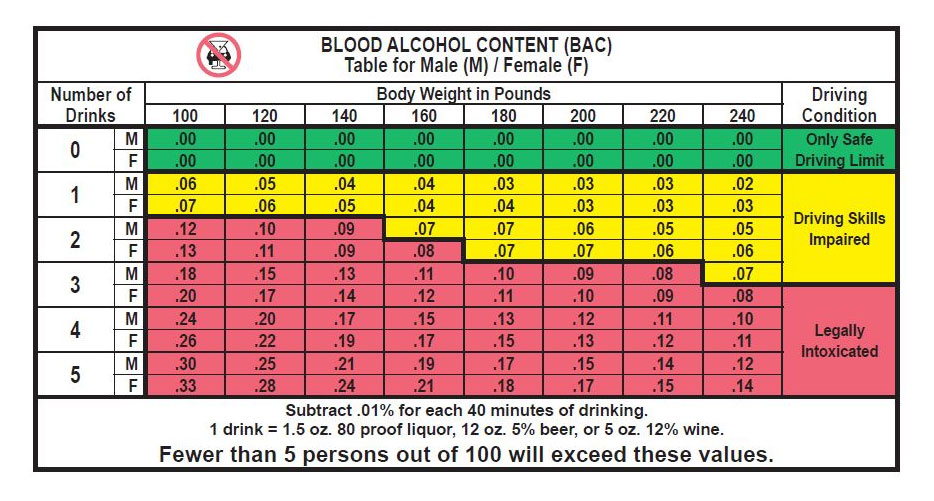
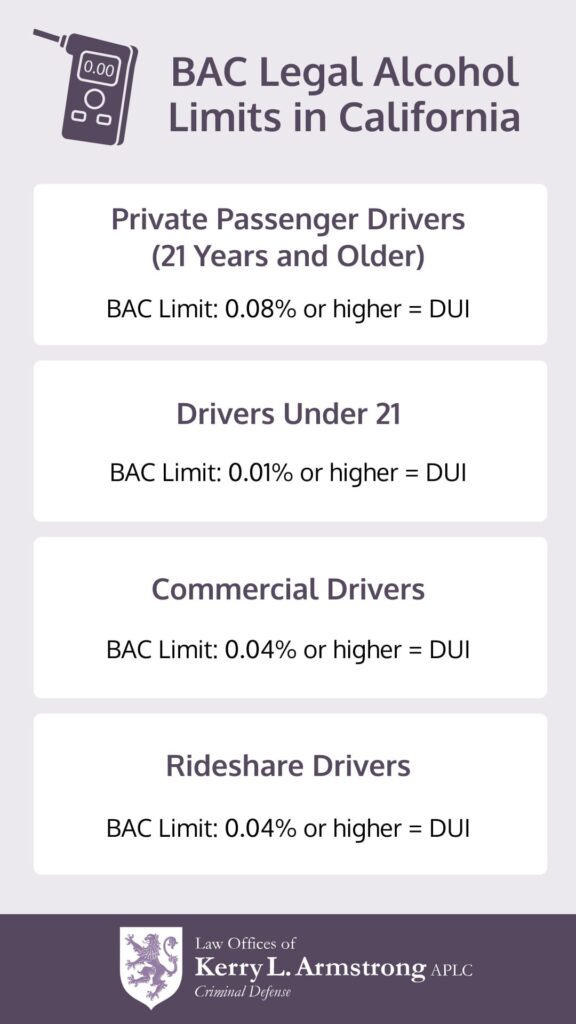
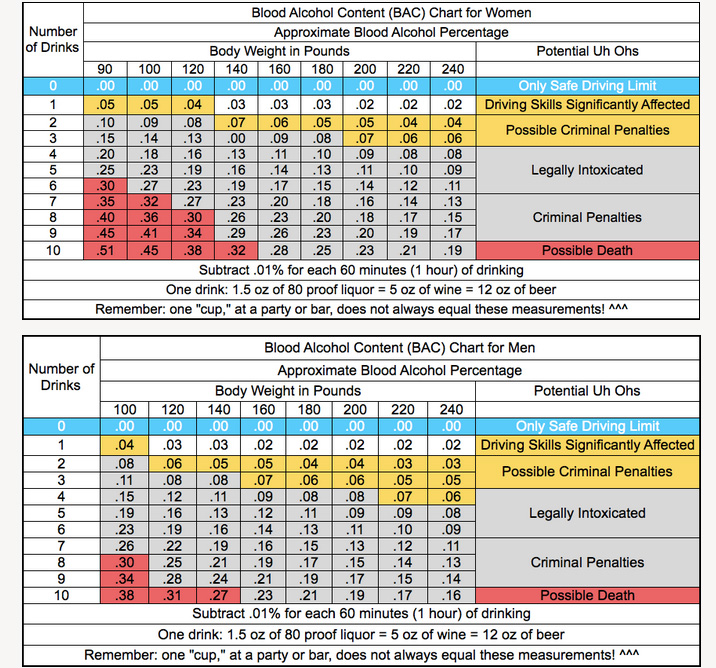
The cornerstone of California’s DUI law for most adult drivers (21 years and older) is the Blood Alcohol Content (BAC) limit of 0.08%. This percentage represents the amount of alcohol in a person’s bloodstream. If a law enforcement officer determines that your BAC is 0.08% or higher while you are operating a vehicle, you can be charged with a DUI, regardless of whether you feel impaired or not. It’s crucial to understand that BAC levels can be influenced by various factors, including an individual’s weight, gender, metabolism, the amount of food consumed, and the type and quantity of alcohol ingested. What might be one drink for one person could push another over the legal limit. This makes it challenging to accurately self-assess your BAC, underscoring the importance of responsible planning when consuming alcohol. For instance, enjoying a wine tasting tour in Napa Valley or a craft beer experience in San Diego should always be accompanied by a designated driver or alternative transportation arrangements.
Zero Tolerance for Underage Drivers
California enforces a strict “zero tolerance” policy for drivers under the age of 21. For these individuals, it is illegal to drive with a BAC of 0.01% or higher. This effectively means that even a minimal amount of alcohol in their system can lead to serious legal consequences, including license suspension and significant fines. This law aligns with the federal minimum drinking age of 21 in the United States and aims to deter underage drinking and driving. Young travelers exploring California’s attractions, perhaps visiting Disneyland or exploring the vibrant scenes of Hollywood, must be acutely aware of this stringent rule. Even if they are not driving, possessing alcohol as a minor can lead to legal issues.
Commercial Drivers and Special Rules
For those who hold a commercial driver’s license (CDL) and are operating a commercial vehicle in California, the legal alcohol limit is even lower: 0.04% BAC. This applies to truck drivers, bus drivers, and anyone operating vehicles that require a CDL. This stricter standard reflects the increased responsibility associated with operating larger vehicles and transporting passengers or hazardous materials. Travelers who might be visiting California for business, perhaps attending a conference in San Jose or managing logistics in Oakland, and who possess a CDL, must adhere to this lower limit even when off-duty and operating a personal vehicle. The rules are complex, and any professional driver should exercise extreme caution with alcohol consumption.
Implied Consent Laws
One often-overlooked aspect of California’s driving laws is the principle of “implied consent.” By simply operating a motor vehicle on public roads in California, you automatically give your implied consent to chemical tests (such as breath, blood, or urine tests) if a law enforcement officer suspects you of driving under the influence. Refusing to submit to these tests can result in immediate penalties, including automatic license suspension for at least one year, even if you are ultimately found not guilty of DUI. For travelers, this means that even if you are from a country where such laws are not common, you are still subject to California’s implied consent rules the moment you get behind the wheel. It is a critical piece of information for any visitor who might be unfamiliar with U.S. legal frameworks.
Navigating California Safely: Responsible Choices for Visitors
California’s allure is undeniable, from its diverse landscapes to its vibrant urban centers. To fully immerse yourself in the local culture, whether it’s enjoying the art scene in Palm Springs, exploring the natural beauty of Yosemite National Park (though driving within parks still adheres to state law), or experiencing the bustling nightlife of San Francisco, making responsible choices regarding alcohol is key. This goes beyond just understanding the BAC limits and extends to other alcohol-related laws and the broader implications of a DUI. Responsible tourism is about respecting local laws and ensuring your safety and the safety of those around you.
Beyond Driving: Public Intoxication and Open Container Laws
While the focus is often on DUI laws, travelers should also be aware of other alcohol-related regulations in California. Public intoxication is illegal in California. If you are found to be so intoxicated that you are unable to care for your own safety or the safety of others, you can be arrested, even if you are not driving. This is particularly relevant in popular tourist areas with high concentrations of bars and restaurants. Additionally, California has strict open container laws. It is generally illegal to possess an open container of an alcoholic beverage in a vehicle, whether it’s being driven or parked, and even if you are a passenger. The container must be sealed and stored in the trunk or a place not readily accessible to the driver or passengers. This means that a half-empty bottle of wine from a winery tour in Sonoma County needs to be properly stowed before you hit the road. Violations of these laws can result in fines and other penalties, impacting your travel budget and overall experience.
Consequences of a DUI in California
The repercussions of a DUI conviction in California are severe and far-reaching. For a first offense, individuals typically face significant fines (which can be thousands of dollars when all fees are included), mandatory attendance at DUI education programs, probation, and a driver’s license suspension. An Ignition Interlock Device (IID) may also be required, which prevents the vehicle from starting if alcohol is detected on the driver’s breath. Subsequent offenses carry even harsher penalties, including longer jail sentences and extended license suspensions. For international travelers, a DUI conviction can also affect future visa applications or entry into the United States. This serious impact underscores why making smart decisions about drinking and driving is paramount, especially when you are far from home and navigating unfamiliar legal systems.
The Impact on Your Travel Plans
Imagine planning a dream vacation to California, perhaps a stay at a luxurious resort in Santa Monica or a charming boutique hotel in Carmel-by-the-Sea. A DUI arrest or conviction can immediately derail these plans. Not only could you face detention and court appearances, but if your license is suspended, you would be unable to drive for the remainder of your trip, limiting your mobility significantly. Rental car companies may also refuse to rent to individuals with recent DUI convictions. Furthermore, the financial burden of legal fees, fines, and potentially missed flights or forfeited accommodation bookings can be immense. Proactive planning to avoid drinking and driving is therefore an essential component of any responsible travel guide for California.
Enjoying California’s Culinary and Nightlife Scene Responsibly
California’s reputation for exceptional cuisine, world-class wines, and innovative craft breweries is well-deserved. From the farm-to-table dining experiences in Berkeley to the vibrant cocktail lounges of West Hollywood, there are countless opportunities to indulge. However, these culinary and nightlife adventures must always be enjoyed responsibly, with an eye towards safety and adherence to local alcohol laws. This section provides insights into how travelers can fully experience California’s rich gastronomic culture without compromising their safety or legal standing.
Exploring California’s Wineries and Breweries
California’s wine country, particularly the renowned regions of Napa Valley and Sonoma County, attracts millions of visitors annually. Similarly, cities like San Diego have become epicenters for craft beer enthusiasts. These experiences are integral to California’s tourism appeal. When planning a visit to wineries or breweries, always prioritize transportation. Many tour operators offer dedicated shuttle services or guided tours that include transportation, allowing guests to sample freely without worrying about driving. Alternatively, consider hiring a private driver or utilizing ride-sharing services like Uber or Lyft. Many hotels and resorts in these regions also offer their own shuttle services or can arrange reliable transport. Remember to drink plenty of water, eat food, and pace yourself to ensure a pleasant and safe experience.
Dining Out in California: Pairing Food and Drink
Dining out in California is an experience in itself, with diverse culinary traditions from Mexican to Asian influences, all complemented by excellent beverage selections. Whether you’re enjoying a romantic dinner in Santa Barbara or a lively meal with friends in Orange County, alcohol is often part of the experience. The key is moderation and pre-planning your return journey. If you anticipate consuming alcohol, especially if you’re not accustomed to the strength of U.S. standard drinks, make sure to have a non-driving option arranged beforehand. Many restaurants and hotels are happy to call a taxi or suggest ride-sharing alternatives. Embracing the local food scene means enjoying it fully, and part of that enjoyment comes from knowing you can return to your accommodation safely and legally.
Nightlife in Los Angeles, San Francisco, and Beyond
California’s major cities boast vibrant nightlife scenes, from the trendy clubs of West Hollywood to the historic jazz clubs of San Francisco and the lively Gaslamp Quarter in San Diego. These destinations are prime spots for tourists looking to experience the state’s energetic evenings. When planning a night out, consider staying in an accommodation (such as hotels, suites, or apartments) that is within walking distance of your intended venues or has easy access to public transportation. Alternatively, budget for taxis or ride-sharing services. It’s always advisable to pre-book transportation, especially during peak hours, to avoid long waits. Many hotels, understanding the needs of their guests, often have partnerships with local transport services or can provide reliable recommendations. Responsible enjoyment of nightlife enhances the overall travel experience, ensuring memories are made without regret.
Planning Your California Trip: Accommodation and Transportation Considerations
A well-planned trip to California goes beyond just booking flights and choosing attractions; it involves thoughtful consideration of logistics, especially concerning accommodation and transportation. Integrating awareness of California’s alcohol laws into your planning process ensures a smoother, safer, and more enjoyable journey. This holistic approach to travel planning aligns with the principles of responsible tourism, empowering visitors to make informed decisions that benefit both themselves and the local community.
Choosing Safe Transportation Options
When traveling around California, especially if you plan to consume alcohol, having a pre-determined transportation strategy is crucial. Public transportation in major cities like Los Angeles and San Francisco offers extensive bus, train, and subway networks, which can be an excellent way to get around without needing a car. Ride-sharing apps like Uber and Lyft are widely available and provide convenient, on-demand service. Taxis are also a reliable option, especially when leaving busy nightlife districts. If you are part of a group, consider designating a sober driver before any alcohol consumption begins. For longer distances, intercity buses or trains like Amtrak can be viable alternatives to driving. Factoring these options into your budget and itinerary early on will prevent last-minute complications and temptations to drive impaired.
Hotels and Resorts: A Hub for Responsible Enjoyment
Your choice of accommodation can significantly impact your ability to enjoy California’s offerings responsibly. Opting for hotels, resorts, or apartments located near public transport hubs or within walking distance of attractions, dining, and nightlife venues can minimize the need for driving. Many high-end resorts, such as those found in Beverly Hills or Laguna Beach, offer extensive amenities including on-site restaurants and bars, allowing guests to indulge without ever needing to leave the premises. Some even provide shuttle services to nearby points of interest. When booking your accommodation through platforms that offer reviews and comparisons, look for properties that emphasize convenience, safety, and accessibility to various transportation options. This strategic booking approach makes responsible enjoyment much easier and stress-free.
Travel Insurance and Contingency Planning
While prevention is the best strategy, it’s also wise to consider contingency planning for your trip. Travel insurance, though it typically won’t cover incidents related to illegal activities such as DUI, can provide a safety net for other unexpected events that might disrupt your journey, such as medical emergencies or trip cancellations. More broadly, having a plan for unexpected situations—like knowing the contact information for local authorities, your embassy or consulate, and legal aid services—can be invaluable. Familiarizing yourself with these resources, perhaps by checking your hotel’s concierge desk or local tourism guides, adds an extra layer of preparedness. Ultimately, being a well-informed and responsible traveler ensures that your adventure in California remains a positive and unforgettable experience.
By understanding and adhering to California’s legal alcohol limits and related laws, travelers can fully immerse themselves in the state’s vibrant culture, breathtaking landscapes, and thrilling experiences without jeopardizing their safety, finances, or freedom. Responsible choices regarding alcohol consumption and transportation are fundamental to enjoying a seamless and memorable California adventure.
LifeOutOfTheBox is a participant in the Amazon Services LLC Associates Program, an affiliate advertising program designed to provide a means for sites to earn advertising fees by advertising and linking to Amazon.com. Amazon, the Amazon logo, AmazonSupply, and the AmazonSupply logo are trademarks of Amazon.com, Inc. or its affiliates. As an Amazon Associate we earn affiliate commissions from qualifying purchases.