
Welcome to the sprawling metropolis of Los Angeles, a city synonymous with dreams, innovation, and an unparalleled lifestyle that attracts millions of visitors and residents alike. Often simply called “LA,” this vibrant urban landscape in California is far more than just a single destination; it’s a mosaic of distinct neighborhoods, each with its own character, charm, and, notably, its own area code. For anyone planning a trip, considering a move, or simply curious about the city’s geographical and cultural tapestry, understanding the area codes of Los Angeles is not just a trivial detail—it’s a key to unlocking its diverse districts, finding the perfect accommodation, and truly experiencing what this iconic city has to offer.

Unlike many cities that might have one or two primary area codes, Los Angeles County, due to its immense size and population, is served by a complex web of numerical identifiers. These codes don’t just facilitate phone calls; they subtly delineate distinct regions, hinting at the type of experiences, attractions, and even lifestyles you might find within their boundaries. From the bustling financial heart of Downtown Los Angeles to the sun-kissed beaches of Santa Monica and the glamorous hills of Beverly Hills, each area code acts as an invisible postcode, guiding you through the city’s unparalleled diversity.
Whether you’re looking to book a luxurious stay in a Beverly Hills resort, explore the artistic enclaves of the Arts District, or embark on a family adventure near Universal Studios Hollywood, knowing the associated area codes can significantly enhance your travel planning. This guide will delve into the intricacies of Los Angeles’ area codes, illustrating how they serve as a practical tool for navigation and a fascinating lens through which to view the city’s myriad attractions, accommodations, and unique local cultures.
Navigating the Complex Web of Los Angeles Area Codes
The sheer scale of Los Angeles necessitates a sophisticated system of telephone area codes to serve its vast population and expansive geography. What might seem like a simple string of numbers is, in fact, a crucial identifier, helping to organize one of the world’s largest metropolitan areas. For travelers and residents alike, understanding these codes is essential for local communication and can even offer insights into the character of different neighborhoods.
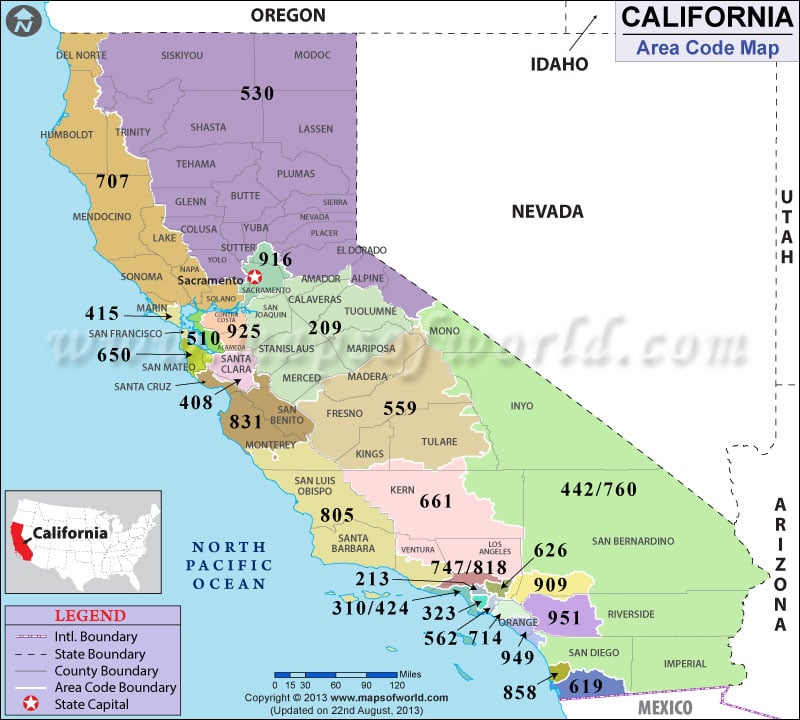
The Primary Codes: 213, 323, 310, 424
Historically, 213 was the original area code for the entirety of Los Angeles County, established in 1947 as one of California’s first area codes. Over time, as the population exploded, the region was split and overlayed with new codes.
-
213: Today, 213 primarily covers the heart of Downtown Los Angeles, including the Financial District, the Arts District, Chinatown, Little Tokyo, and parts of South Los Angeles. This code signifies the city’s historical and commercial core, where towering skyscrapers, major cultural institutions like the Walt Disney Concert Hall and The Broad, and vibrant urban living converge. For business travelers or those seeking a dynamic city experience, lodging in the 213 area code puts you at the epicenter of metropolitan action.
-
323: Created in 1999 as a split from 213, the 323 area code encompasses a significant portion of central Los Angeles, effectively wrapping around the 213 core. This includes iconic areas like Hollywood, West Hollywood, Koreatown, Silver Lake, Echo Park, and parts of Mid-Wilshire. The 323 code is synonymous with entertainment, diverse culinary scenes, and vibrant nightlife. It’s where you’ll find the Hollywood Walk of Fame, legendary music venues, and a melting pot of cultures.
-
310: Launched in 1991, 310 covers the affluent Westside and South Bay regions of Los Angeles County. This coveted area includes glamorous cities like Beverly Hills, Santa Monica, Malibu, Venice Beach, and Torrance. The 310 code evokes images of sun-drenched beaches, high-end shopping on Rodeo Drive, and sprawling celebrity estates. It’s a prime destination for luxury travel, beach vacations, and enjoying the quintessential Southern California lifestyle.
-
424: Introduced in 2006, 424 is an overlay for the 310 area code. This means that new numbers in the geographic region served by 310 are now assigned the 424 code, requiring ten-digit dialing for all calls within this zone. Areas like Santa Monica, Beverly Hills, and Malibu now commonly feature numbers with 424. This overlay reflects the immense demand for telephone numbers in these densely populated and desirable locales.
Expanding Horizons: 626, 747/818, 562
Beyond the immediate urban core and westside, several other area codes serve the broader Los Angeles metropolitan area, each representing distinct communities and experiences.
-
626: Covering much of the San Gabriel Valley, 626 was split from the 818 area code in 1997. Cities within this area include Pasadena, Alhambra, and Monterey Park. The 626 area is known for its beautiful historic architecture, vibrant Asian-American communities, diverse culinary scene, and institutions like the Rose Bowl. It offers a slightly more suburban feel while still being rich in cultural attractions and natural beauty.
-
818/747: The 818 area code serves the vast San Fernando Valley, including cities like Burbank, Glendale, and North Hollywood. This region is a hub for the entertainment industry, home to major film studios and production facilities. In 2009, 747 was introduced as an overlay for 818, addressing the growing demand for numbers in the valley. Travelers interested in studio tours, theme parks like Universal Studios Hollywood, or a more relaxed, suburban experience with easy access to the city will find the 818/747 areas appealing.
-
562: Primarily serving the southeastern portion of Los Angeles County and a sliver of northern Orange County, 562 includes cities such as Long Beach, Downey, and Whittier. Split from the 310 area code in 1997, the 562 region offers a mix of coastal charm, historic downtowns, and burgeoning cultural scenes, particularly in Long Beach with its impressive waterfront and diverse attractions.
The Overlay System: Why LA Has So Many Codes
The proliferation of area codes in Los Angeles is a direct result of two factors: immense population growth and the widespread adoption of mobile phones and additional communication lines. An “overlay” occurs when a new area code is assigned to the same geographic region as an existing one, rather than splitting the region into two separate areas. This method allows more numbers to be created without forcing existing customers to change their numbers, but it mandates ten-digit dialing for all local calls within the overlay region.
For visitors, this means that even when calling a number within the same geographical area (e.g., from a 310 number to a 424 number in Santa Monica), you’ll always need to dial the full ten digits. This is a standard practice across the entire Los Angeles metropolitan area and should be remembered when making reservations, contacting local businesses, or calling friends during your stay.

Area Codes as a Guide to Los Angeles’ Diverse Districts
Understanding the area codes of Los Angeles goes beyond mere telecommunication; it offers a unique geographical shorthand, a quick way to discern the general location and even the prevailing vibe of a particular neighborhood or attraction. For travelers crafting their itinerary, these codes can be invaluable in piecing together the city’s vast puzzle.
Exploring Iconic Destinations by Area Code
-
213/323: The Urban Core and Entertainment Hub
- The 213 area code immediately brings to mind the bustling energy of Downtown Los Angeles. Here, you’ll find architectural marvels like the Walt Disney Concert Hall, world-class museums such as The Broad, and historic sites. Grand Central Market, a food lover’s paradise, also falls within this code, offering a culinary journey through local and international flavors.
- Venturing into the 323 zone, you’re squarely in the realm of Hollywood glamour. Walk the Hollywood Walk of Fame, catch a show at the historic Pantages Theatre, or ascend to the Griffith Observatory for breathtaking city views and a glimpse of the Hollywood Sign. This area is also home to vibrant communities like Koreatown, known for its 24/7 dining and karaoke, and trendy Silver Lake, popular for its indie boutiques and cafes.
-
310/424: Coastal Elegance and Westside Luxury
- The 310/424 codes define the upscale, sun-drenched lifestyle of Los Angeles’ Westside. Beverly Hills is synonymous with luxury shopping on Rodeo Drive, exquisite dining, and opulent hotels. A short drive west takes you to Santa Monica, famous for its iconic Santa Monica Pier, extensive bike paths, and laid-back beach vibe.
- Further up the coast, Malibu offers pristine beaches, celebrity homes, and scenic drives along the Pacific Coast Highway. These areas are perfect for those seeking a luxurious escape, outdoor activities, and stunning ocean vistas. The Getty Center, with its world-class art collection and panoramic views, also graces this area code, providing a cultural highlight amidst the coastal beauty.
-
818/747: The Valley’s Entertainment and Suburban Charms
- The 818/747 codes cover the vast San Fernando Valley, a region deeply intertwined with the entertainment industry. Here, you’ll find Universal Studios Hollywood, a major theme park and working movie studio, and many other production facilities in cities like Burbank and Studio City. The Valley also offers a more suburban, family-friendly atmosphere with numerous parks, shopping centers, and diverse neighborhoods.
Culinary Journeys and Cultural Hotspots
Los Angeles’ area codes often delineate distinct culinary landscapes and cultural enclaves.
- In 213/323, you can explore the historic eateries of Little Tokyo and Chinatown, savor authentic Korean BBQ in Koreatown, or experience the innovative farm-to-table restaurants sprouting up in the Arts District.
- The 310/424 areas boast some of the city’s most upscale dining experiences, from celebrity chef restaurants in Beverly Hills to fresh seafood on the Santa Monica pier and health-conscious cafes in Venice Beach.
- The 626 area of Pasadena and the wider San Gabriel Valley is a renowned destination for authentic Chinese cuisine, offering a vast array of regional specialties.
Each area code, therefore, acts as a culinary compass, guiding foodies to specific gastronomic adventures.
Accommodation and Travel Planning: Making Sense of LA’s Geography
When planning a trip to Los Angeles, understanding the geographical spread denoted by area codes can significantly impact your choice of accommodation, daily itinerary, and overall travel experience. Los Angeles is vast, and choosing the right base can make or break your trip.
Choosing Your Stay: Hotels, Resorts, and Neighborhood Vibes
The area code of your chosen accommodation can often tell you a lot about the kind of experience you’re signing up for, aligning perfectly with different travel styles and budgets.
- 213 (Downtown Los Angeles): Ideal for business travelers, culture enthusiasts, and those looking for an urban adventure. Hotels here range from historic luxury establishments to modern boutique options. Staying in Downtown Los Angeles puts you near major venues like Crypto.com Arena, the vibrant Grand Central Market, and a thriving nightlife, offering easy access to public transport to other parts of the city.
- 323 (Hollywood, West Hollywood, Koreatown): Perfect for those immersed in entertainment, nightlife, and diverse culinary experiences.
- Hollywood boasts iconic hotels and proximity to movie studios, the Walk of Fame, and the Hollywood Sign.
- West Hollywood is known for its trendy boutiques, vibrant Sunset Boulevard nightlife, and LGBTQ+-friendly atmosphere, offering a wide array of luxury and design-focused hotels.
- Koreatown provides more budget-friendly options and an unparalleled dining scene, perfect for foodies.
- 310/424 (Beverly Hills, Santa Monica, Malibu): The go-to for luxury travelers, beach lovers, and those seeking a glamorous, resort-style vacation.
- Beverly Hills offers world-class five-star hotels and resorts, perfect for indulgent stays and high-end shopping on Rodeo Drive.
- Santa Monica provides a mix of upscale hotels and family-friendly accommodations right by the beach, offering easy access to the Santa Monica Pier and a relaxed coastal vibe.
- Malibu features exclusive beachfront villas and boutique hotels, ideal for a serene, private escape amidst natural beauty.
- 818/747 (San Fernando Valley, Burbank, Glendale): Great for families, those visiting the entertainment studios, or seeking a more suburban, quieter stay with good value.
- Burbank is an excellent choice for visiting Universal Studios Hollywood and other major studios, offering a variety of hotels from budget to mid-range.
- The wider San Fernando Valley offers many apartment-style accommodations and chain hotels, providing comfort and convenience for longer stays or family trips.
When comparing accommodations, checking the area code can give you an immediate sense of the neighborhood’s general character and proximity to major attractions relevant to your travel goals. This is especially true for long-term stays or apartment rentals, where the specific vibe of a district becomes even more critical.
Seamless Travel and Local Experiences
Understanding Los Angeles’ area codes also plays a practical role in navigating the city and engaging with local services.
- Calling Local Numbers: As mentioned, with multiple overlay codes, ten-digit dialing is the norm across Los Angeles. Always include the area code, even if the number seems to be in the same geographic region as your own. This applies to calling hotels, restaurants for reservations, ride-sharing services, or any local business.
- Ride-Sharing and Public Transport: While area codes won’t directly impact ride-sharing apps, they are a proxy for understanding distances. A trip from a 213 area code hotel to a 310 area code beach will be significantly longer and more expensive than traveling within the same area code. Factor in Los Angeles’ notorious traffic, especially when planning travel between different area code zones. Public transport, including the Metro Rail and bus system, connects many of these diverse areas, but travel times can still be considerable.
- Business Stays and Meetings: For business travelers, choosing an accommodation within the appropriate area code ensures proximity to relevant business districts. Downtown Los Angeles (213) for finance and legal, the Westside (310/424) for technology and media, and the Valley (818/747) for entertainment industry meetings.
In essence, area codes in Los Angeles are more than just phone prefixes; they are geographical signposts. They guide you to the perfect destination, whether you’re seeking luxury resorts, budget-friendly apartments, family-oriented attractions, or cultural immersion. By acknowledging and utilizing this numerical geography, you can refine your travel planning, optimize your itinerary, and ensure a richer, more efficient exploration of this magnificent and multifaceted city. From the bustling streets of Hollywood to the tranquil shores of Malibu, each area code tells a part of the Los Angeles story, waiting for you to discover it.
LifeOutOfTheBox is a participant in the Amazon Services LLC Associates Program, an affiliate advertising program designed to provide a means for sites to earn advertising fees by advertising and linking to Amazon.com. Amazon, the Amazon logo, AmazonSupply, and the AmazonSupply logo are trademarks of Amazon.com, Inc. or its affiliates. As an Amazon Associate we earn affiliate commissions from qualifying purchases.