
California is a land of superlatives, a vibrant tapestry woven from dramatic coastlines, towering mountains, sprawling deserts, and fertile valleys. For travelers and nature enthusiasts alike, understanding the state’s diverse planting zones is key to unlocking its incredible botanical richness and the myriad of unique experiences it offers. Far from being a mere horticultural detail, California’s USDA Hardiness Zones are a fundamental blueprint of its geography, climate, and ultimately, its travel appeal. They dictate the landscapes you’ll encounter, the agricultural bounty you’ll savor, and the very ambiance of its many iconic destinations.
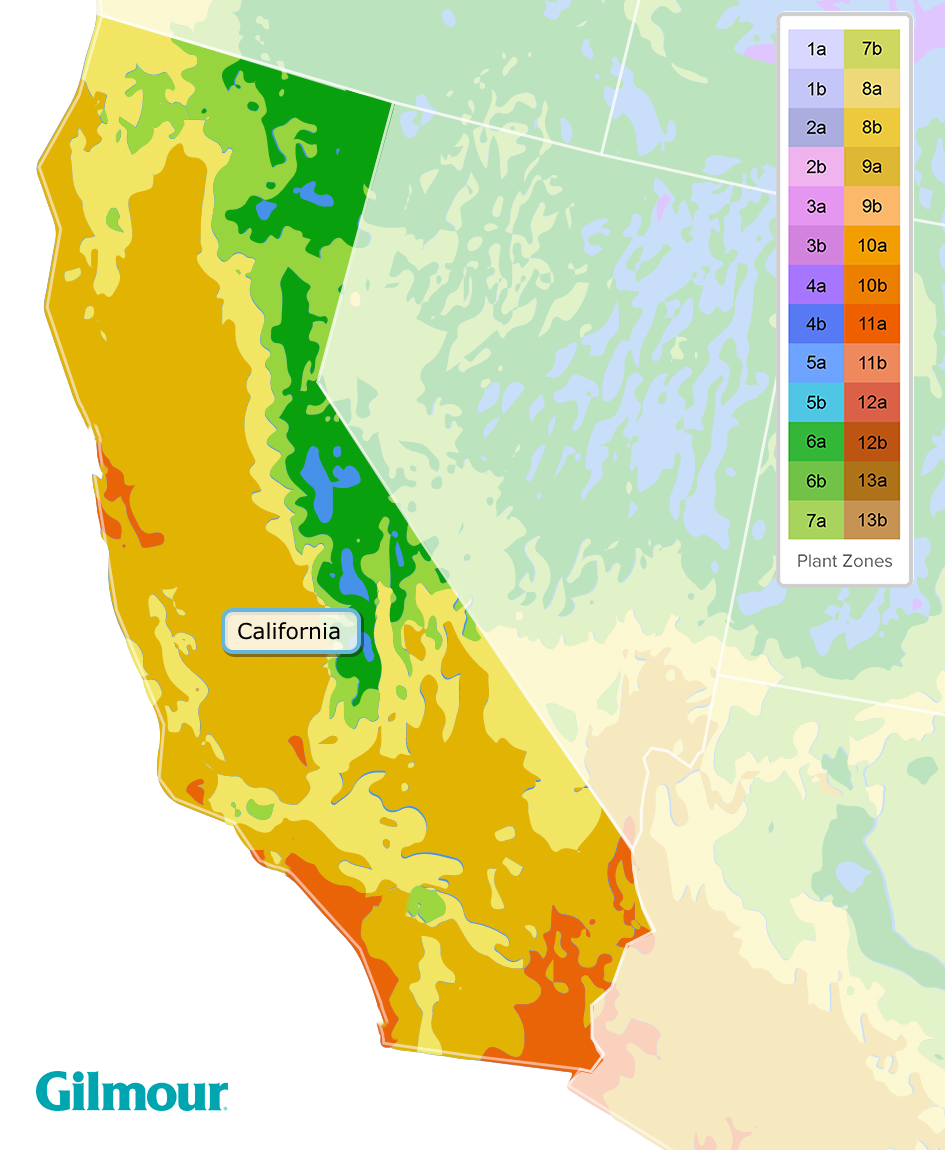
From the sun-drenched beaches of San Diego to the frosty peaks of the Sierra Nevada, and the surreal beauty of the Mojave Desert, California encompasses an astonishing array of microclimates. This translates into a spectrum of planting zones that range from the frigid Zone 3a in the highest elevations to the balmy 11b (and occasionally even 12a in specific pockets) found along its southern coast and desert oases. For anyone planning a trip, be it a luxury escape, a family adventure, or a cultural immersion, appreciating these zones provides a deeper context for the destinations and activities on offer, helping you choose the best time and place to experience California’s natural wonders.
Understanding California’s Diverse Climates and Topography
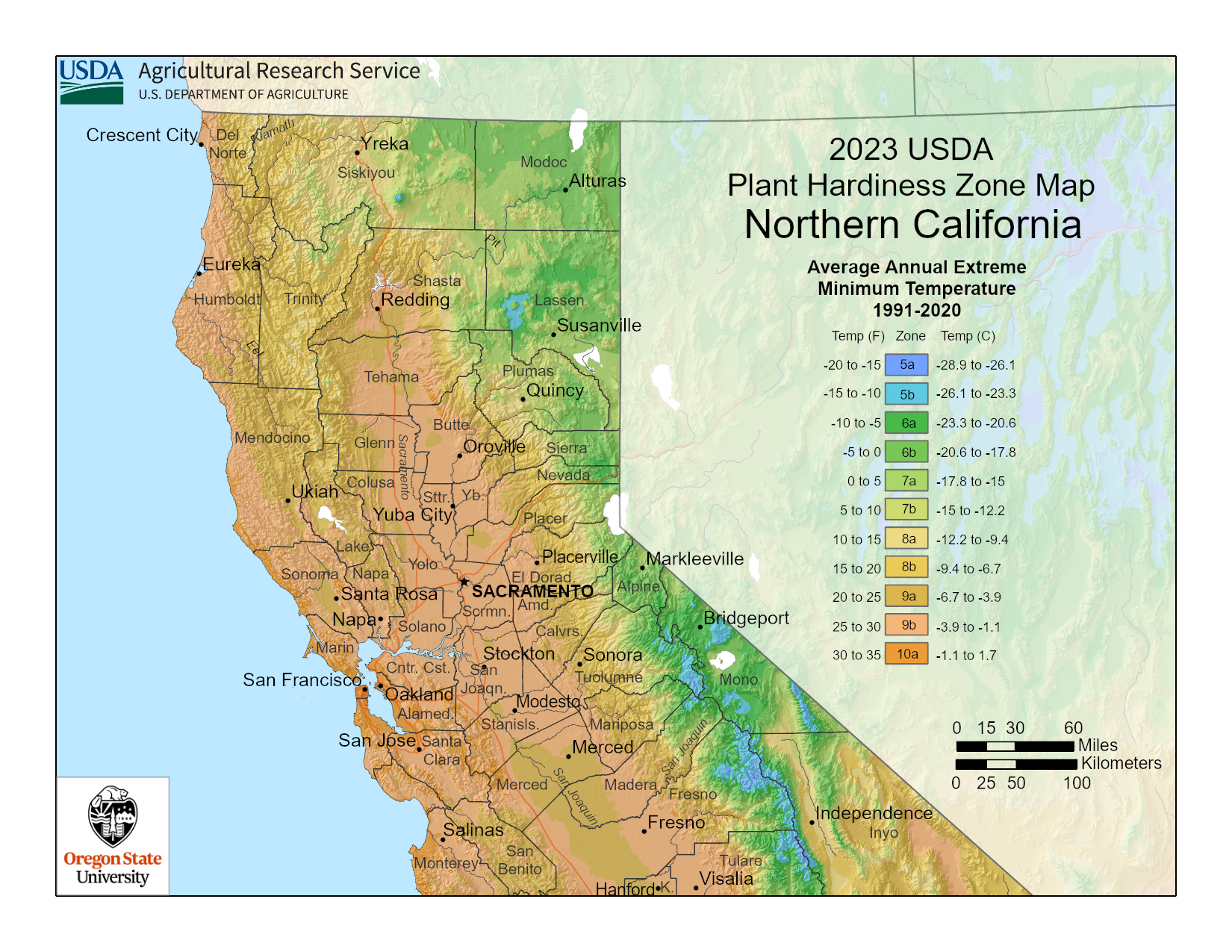
The vast range of planting zones within California is a direct consequence of its extraordinary topography and diverse climatic influences. Latitude, elevation, proximity to the Pacific Ocean, and the presence of significant mountain ranges like the Sierra Nevada and the Coast Ranges all play crucial roles in shaping the state’s distinct environments. These factors create dramatic shifts in temperature, rainfall, and sunshine, resulting in a mosaic of ecosystems, each supporting unique flora and fauna.
At its core, California’s climate is largely Mediterranean along its extensive coastline, characterized by mild, wet winters and warm, dry summers. However, venture inland, and conditions quickly become more extreme. The great Central Valley experiences hotter summers and cooler, foggier winters, while the towering mountains see heavy snowfall and short growing seasons. Further east, the vast deserts are defined by extreme temperature fluctuations, scarce rainfall, and intense sun. This geographical complexity means that one could, in theory, ski in the morning and surf in the afternoon, or explore lush forests followed by arid landscapes, all within a day’s journey. These rapid transitions are precisely what make California such a captivating destination for travelers seeking varied experiences and striking natural beauty.
The Coastal Influence: Mediterranean Beauty (Zones 9-11)
Along California’s expansive coastline, from San Diego in the south to just north of San Francisco, the climate is predominantly Mediterranean, reflected in USDA Hardiness Zones ranging from 9 to 11. This zone is a traveler’s paradise, offering mild, pleasant weather year-round, ideal for outdoor activities and showcasing a distinct botanical character. Cities like Los Angeles, Santa Barbara, and San Francisco thrive in this environment, their urban landscapes softened by a profusion of lush, often drought-tolerant, vegetation.
Here, you’ll find iconic palm trees swaying in the breeze, vibrant bougainvillea cascading over walls, fragrant citrus groves, and a wide array of succulents, eucalyptus, and olive trees. These plants not only contribute to the aesthetic appeal but also influence the local lifestyle, encouraging outdoor dining, scenic drives along the Pacific Coast Highway, and a relaxed, sun-kissed atmosphere. Many world-class hotels and resorts, such as the Terranea Resort in Palos Verdes, are designed to seamlessly integrate with this coastal environment, featuring manicured gardens that showcase local flora alongside luxurious amenities. Travelers can explore botanical gardens like the Huntington Botanical Gardens near Pasadena, sample fresh produce at local markets, or indulge in wine tasting in the numerous vineyards dotted along the Central Coast, all thriving within these mild, coastal zones. The blend of stunning natural scenery and cultivated beauty makes these areas prime destinations for those seeking relaxation, culinary delights, and breathtaking ocean views.
The Heart of Agriculture: California’s Central Valley (Zones 8-9)
Spanning over 450 miles through the heart of California, the Central Valley is a region of immense agricultural importance, largely falling within USDA Hardiness Zones 8 and 9. This vast, flat expanse, cradled between the Coast Ranges to the west and the Sierra Nevada to the east, experiences a distinct climate: searingly hot and dry summers often exceeding 100°F (38°C), followed by mild, sometimes foggy winters. This unique climate, combined with extensive irrigation from mountain snowmelt, has transformed the valley into one of the most productive agricultural regions in the world.
For travelers, the Central Valley offers a different kind of beauty and a compelling array of experiences centered around its bounty. It is the primary source for a staggering percentage of the United States’ nuts (almonds, walnuts), fruits (peaches, plums, grapes), and vegetables, alongside significant rice and dairy production. Cities like Sacramento, the state capital and a burgeoning farm-to-fork culinary hub, and Fresno offer glimpses into this agricultural powerhouse. Visitors can engage in agritourism, touring farms, attending harvest festivals, and exploring vibrant farmers’ markets that showcase the freshest seasonal produce. The flat, fertile plains, occasionally punctuated by rows of fruit trees or vineyards stretching to the horizon, provide a serene contrast to the state’s more dramatic landscapes. Understanding these zones helps travelers appreciate the journey of their food from farm to table and offers a unique perspective on California’s economic and cultural landscape.
Mountainous Regions and High Deserts: Dramatic Contrasts
Beyond the mild coasts and fertile valleys, California unfurls into a realm of dramatic contrasts: the rugged, snow-capped peaks of its mountain ranges and the stark, breathtaking beauty of its high deserts. These regions, while geographically proximate, represent extreme ends of the planting zone spectrum, offering vastly different ecosystems and travel experiences that underscore the state’s unparalleled environmental diversity.
Alpine Wonders: The Sierra Nevada and Northern California (Zones 3-8)
Rising majestically along California’s eastern flank, the Sierra Nevada mountains are a true alpine wonderland, with planting zones ranging from a brisk 3a at its highest elevations to a more temperate 8 in its foothills. This region is defined by its cold, snowy winters and shorter, cooler growing seasons, supporting a completely different botanical community than the rest of the state. Dense forests of Ponderosa pine, Lodgepole pine, Red fir, and towering sequoias dominate the landscape, giving way to aspens and vibrant wildflowers in the brief, glorious summer months.
This area is a magnet for outdoor enthusiasts. Destinations like Yosemite National Park, with its granite cliffs and waterfalls, and Sequoia National Park, home to the world’s largest trees, are iconic landmarks that draw millions. Lake Tahoe offers year-round recreation, from world-class skiing at resorts like Mammoth Mountain in winter to hiking, boating, and mountain biking in summer. Accommodation here often consists of rustic cabins, charming lodges, and ski resorts that blend into the natural environment, providing a cozy base for adventure. For those seeking an escape into pristine wilderness and breathtaking mountain vistas, these alpine zones offer unparalleled opportunities for eco-tourism, wildlife viewing, and a deep immersion in nature’s grandeur, a stark contrast to the state’s more arid or coastal regions.
Arid Beauty: California’s Deserts (Zones 8-10)
East of the mountain ranges, California’s deserts present an otherworldly landscape, characterized by extreme temperatures, minimal rainfall, and unique USDA Hardiness Zones predominantly between 8 and 10. The Mojave Desert, the Colorado Desert, and the infamous Death Valley are regions of stark beauty, where life adapts to harsh conditions, resulting in fascinating botanical forms. The climate here is one of extremes: scorching summers where temperatures can soar above 120°F (49°C), followed by relatively mild winters with often chilly nights.
Despite the challenging environment, the desert is surprisingly alive. Iconic Joshua trees, a variety of resilient cacti, and a stunning display of wildflowers that carpet the ground after rare spring rains are the botanical stars. Joshua Tree National Park is a prime example, offering surreal landscapes perfect for hiking, rock climbing, and stargazing. Death Valley, the lowest and hottest point in North America, also holds a strange allure with its salt flats and dramatic geological formations. For travelers seeking a different kind of luxury, oasis cities like Palm Springs offer world-class resorts, such as the trendy Parker Palm Springs, spas, and golf courses, all set against a backdrop of rugged mountains and desert flora. These destinations are perfect for winter getaways, wellness tourism, and those looking to explore landscapes that feel truly out of this world, showcasing nature’s incredible adaptability and resilience.
How Planting Zones Shape Your California Travel Experience
The intricate mosaic of California’s planting zones is far more than an ecological classification; it is a fundamental element that shapes every facet of a traveler’s experience in the Golden State. From the specific types of outdoor activities available to the culinary delights on offer and the very ambiance of hotels and resorts, these botanical boundaries are intrinsically linked to the tourism, lifestyle, and accommodation offerings across the state. Understanding them allows for a deeper appreciation and more informed planning of any California itinerary.
Lifestyle & Activities
The diverse planting zones directly influence the array of lifestyle and activity options available to travelers. In the mild coastal zones (9-11), activities revolve around the ocean and lush gardens. Think surfing in Malibu, cycling along scenic beach paths, or exploring world-renowned botanical collections like the Huntington Botanical Gardens near Pasadena. The abundant sunshine and fertile ground also foster vibrant culinary scenes. Sacramento, within the Central Valley’s agricultural heartland (zones 8-9), proudly champions its “farm-to-fork” movement, connecting visitors directly to the region’s produce. Similarly, the world-famous wine regions of Napa Valley and Sonoma owe their existence to ideal grape-growing conditions within specific zones, offering unparalleled wine-tasting experiences.
Move into the alpine zones (3-8) of the Sierra Nevada, and activities shift dramatically to skiing and snowboarding in winter at places like Mammoth Mountain or Lake Tahoe, and hiking or rock climbing in summer in Yosemite National Park. The majestic redwood forests in Northern California (Redwood National Park), also within cooler, wetter zones, invite awe-inspiring forest walks. In contrast, the arid beauty of the desert zones (8-10) like Joshua Tree National Park provides opportunities for unique desert hiking, stargazing, and artistic exploration, often complemented by the wellness and spa culture of Palm Springs. Each zone curates a distinct set of experiences, allowing travelers to tailor their adventure to their preferred natural setting and climate.
Accommodation & Resorts
The character of California’s accommodations and resorts is also deeply influenced by their local planting zones. High-end coastal resorts, like the Post Ranch Inn in Big Sur or the Terranea Resort in Palos Verdes, often feature expansive, beautifully curated gardens that highlight native and adaptable plants, blending luxury with the surrounding Mediterranean landscape. Their designs frequently incorporate natural materials and open-air spaces that capitalize on the mild climate and stunning ocean views.
In the desert, hotels and villas in Palm Springs, such as the iconic Parker Palm Springs, embrace the arid environment with striking modernist architecture, lush but water-wise landscaping, and inviting pools that offer a refreshing escape from the heat. Mountain resorts, on the other hand, are often designed with a rustic elegance, utilizing wood and stone, and offering amenities geared towards winter sports or summer outdoor adventures. Many eco-friendly accommodations across the state make conscious efforts to integrate with their specific ecosystems, using native plants for landscaping, minimizing water usage, and providing guests with immersive natural experiences, reflecting a growing trend in sustainable travel that acknowledges and respects the local planting zones.
Best Times to Visit
Finally, understanding California’s planting zones is paramount for determining the best time to visit different regions. Spring (March-May) is often considered ideal, as it brings wildflowers to the deserts and valleys, lush greenery to the coastal hills, and pleasant temperatures statewide. It’s an excellent time for desert exploration before the intense summer heat sets in, and for vineyard tours as the vines begin to bud.
Summer (June-August) is perfect for coastal activities, enjoying the cooler ocean breezes in San Diego or San Francisco, and for venturing into the high country of the Sierra Nevada for hiking and camping when trails are clear of snow. Fall (September-November) is magnificent for wine country tours in Napa Valley as the leaves change color, and for harvest festivals in the Central Valley. Winter (December-February) transforms the mountains into a snowy playground for skiing and snowboarding, while the southern coast and deserts offer mild, pleasant conditions ideal for escaping colder climates. Each season unveils a different aspect of California’s diverse planting zones, promising unique sights and activities.
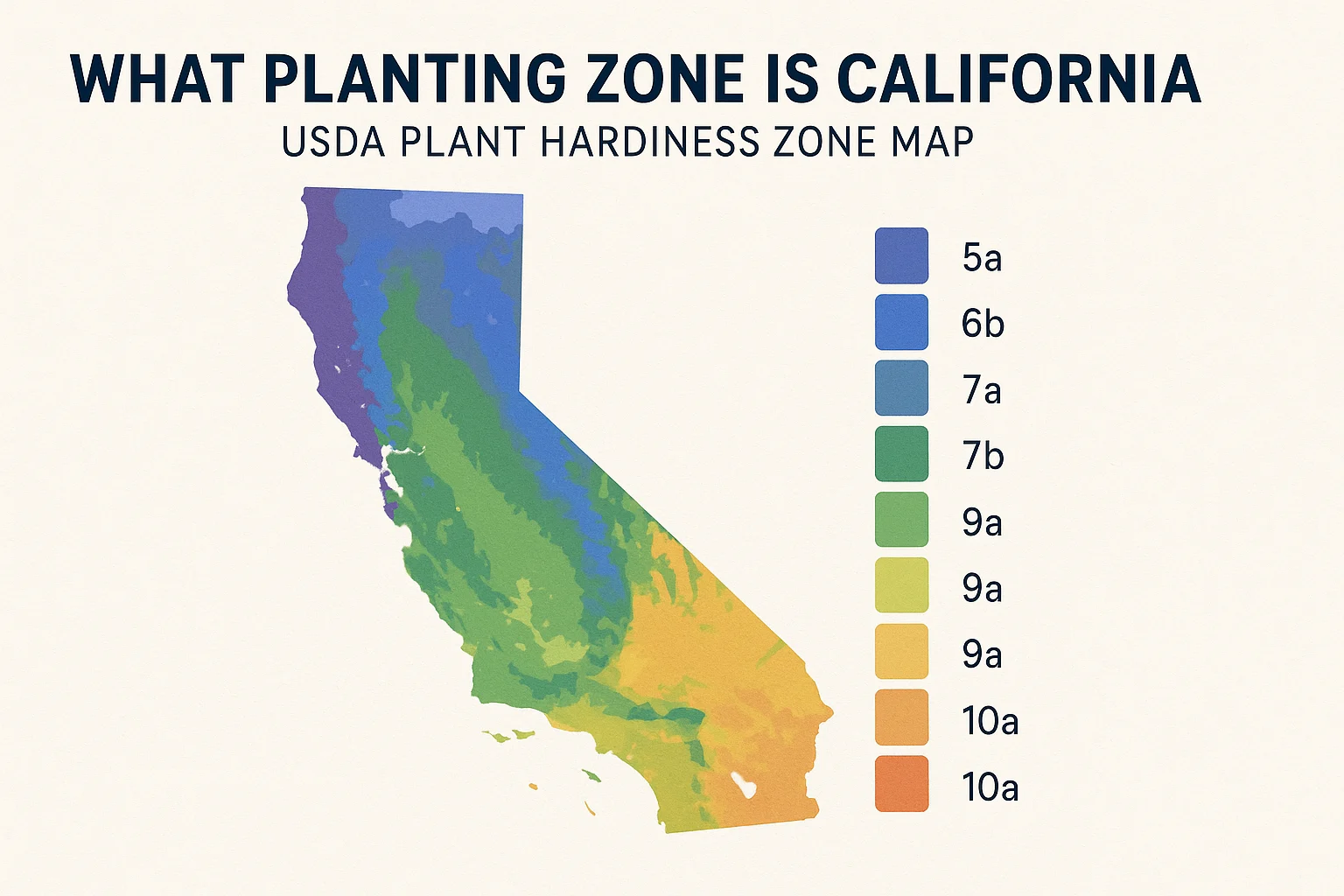
In conclusion, California is not defined by a single planting zone but by a captivating array that stretches across its vast and varied landscape. From the Mediterranean coastal zones nurturing vibrant gardens and vineyards to the alpine zones supporting majestic forests and ski resorts, and the arid zones showcasing resilient desert flora, each region offers a distinct ecological narrative. For travelers, this botanical diversity translates into an unparalleled spectrum of destinations, activities, and accommodation styles. Appreciating what planting zone is California ultimately means embracing its incredible natural complexity, planning a journey that traverses its many ecosystems, and discovering the profound beauty and unique experiences each one has to offer. It’s a journey not just through a state, but through a living, breathing botanical wonderland.
LifeOutOfTheBox is a participant in the Amazon Services LLC Associates Program, an affiliate advertising program designed to provide a means for sites to earn advertising fees by advertising and linking to Amazon.com. Amazon, the Amazon logo, AmazonSupply, and the AmazonSupply logo are trademarks of Amazon.com, Inc. or its affiliates. As an Amazon Associate we earn affiliate commissions from qualifying purchases.