
Understanding the local time in Los Angeles, California, is more than just a matter of curiosity; it’s a fundamental aspect of planning any successful trip to this vibrant metropolis. Whether you’re a seasoned globetrotter or a first-time visitor, synchronizing your internal clock with the rhythm of the Golden State is crucial for everything from catching your flight to securing dinner reservations at a Michelin-starred restaurant. Los Angeles, a sprawling hub of entertainment, culture, and innovation, operates on Pacific Standard Time (PST) during the winter months and Pacific Daylight Time (PDT) during the spring, summer, and fall. This means that if you’re currently wondering what time it is, you’re likely either 8 hours behind Coordinated Universal Time (UTC-8) during PST or 7 hours behind (UTC-7) during PDT, depending on the time of year. This seemingly simple piece of information underpins the entire travel experience, influencing everything from flight arrivals and hotel check-ins to scheduling your visits to iconic landmarks and immersing yourself in the local lifestyle. This article delves into the nuances of time in Los Angeles and how it shapes your journey through one of the world’s most dynamic cities, touching upon travel, hotels, tourism, accommodation, landmarks, and lifestyle considerations.
Navigating the Golden State’s Time Zone: Why It Matters for Travelers
For anyone planning to visit Los Angeles, a clear understanding of the local time zone is paramount. This isn’t just about knowing whether it’s day or night; it’s about optimizing your travel plans, managing your schedule efficiently, and ensuring a smooth transition into the rhythm of the city. The United States spans multiple time zones, and California falls squarely within the Pacific Time Zone, a distinction that carries significant weight for travelers arriving from different parts of the globe or even other states.
Understanding Pacific Standard Time (PST) and Pacific Daylight Time (PDT)
The Pacific Time Zone observes two distinct periods throughout the year: Pacific Standard Time (PST) and Pacific Daylight Time (PDT). From the first Sunday in November until the second Sunday in March, Los Angeles is on PST, which is UTC-8. This means it is 8 hours behind Coordinated Universal Time. During this period, days are shorter, and the city experiences cooler temperatures, though still mild compared to many other regions. When the second Sunday in March rolls around, the clocks “spring forward” by one hour, initiating PDT, which is UTC-7. This change extends daylight into the evening, making for longer days perfect for sightseeing and outdoor activities. This daylight saving period lasts until the first Sunday in November, when clocks “fall back” one hour to return to PST.
Understanding this annual shift is crucial for booking flights, hotels, and tours, especially if your travel dates straddle these transitions. Many international travelers, for instance, might be accustomed to fixed time zones, making the concept of daylight saving an additional layer of complexity. Furthermore, knowing that Los Angeles is three hours behind the Eastern Standard Time (EST) observed in cities like New York or Miami, two hours behind Central Standard Time (CST) in places like Chicago, and one hour behind Mountain Standard Time (MST) in cities like Denver, helps in coordinating calls or virtual meetings with contacts across the United States.
Practical Implications for Your Los Angeles Journey
The time zone difference has profound practical implications for every aspect of your trip. For travel planning, precise timing is essential. Flights are scheduled according to local time, so international travelers or those arriving from the East Coast must account for the time difference to avoid confusion about arrival times. A flight departing New York at 9:00 AM EST and arriving in Los Angeles five hours later will land at 1:00 PM PST/PDT, not 2:00 PM, due to the three-hour time change. This can make a significant difference in how you plan your first day.
When it comes to accommodation, hotel check-in and check-out times are strictly enforced based on local Los Angeles time. Arriving much earlier than the standard 3:00 PM check-in might mean an extended wait or an additional fee for early access, impacting your initial plans. Similarly, overlooking a 11:00 AM check-out time could result in late fees. Furthermore, booking attractions and dining experiences demands careful consideration of the local clock. Popular spots often require reservations made weeks in advance, and these are all time-sensitive. Missing a reserved time slot due to jet lag or a misunderstanding of the time could lead to disappointment.
Speaking of jet lag, this is perhaps the most personal impact of time differences. Travelers arriving from distant time zones often experience disorientation, fatigue, and disturbed sleep patterns. Allowing for a day or two to adjust to jet lag before diving into a packed itinerary can significantly enhance your enjoyment of the city. Hydration, exposure to natural light during the day, and avoiding excessive caffeine or alcohol can aid in this adjustment. Lastly, communication with people in other time zones becomes a strategic exercise. Whether it’s family back home or colleagues, knowing the time difference allows you to schedule calls at convenient hours for everyone, avoiding late-night interruptions or missed connections. In essence, understanding the time in Los Angeles is the first step toward a seamless and enjoyable visit.
Unlocking Los Angeles: A City of Endless Experiences (and Timely Planning)
Los Angeles is a mosaic of diverse cultures, iconic landscapes, and unparalleled entertainment. From its star-studded streets to its sun-kissed beaches, the city offers an array of experiences that cater to every kind of traveler. However, to truly unlock its potential and savor every moment, timely planning is paramount. The interplay of time, location, and crowds can dramatically affect your enjoyment of Los Angeles’ world-renowned attractions and its vibrant local culture.
Iconic Landmarks and Attractions: Timing Your Visit for the Best Views
Los Angeles is home to some of the most recognizable landmarks and attractions in the world, each offering a unique glimpse into the city’s multifaceted identity. Strategic timing can significantly enhance your tourism experience at these popular sites.
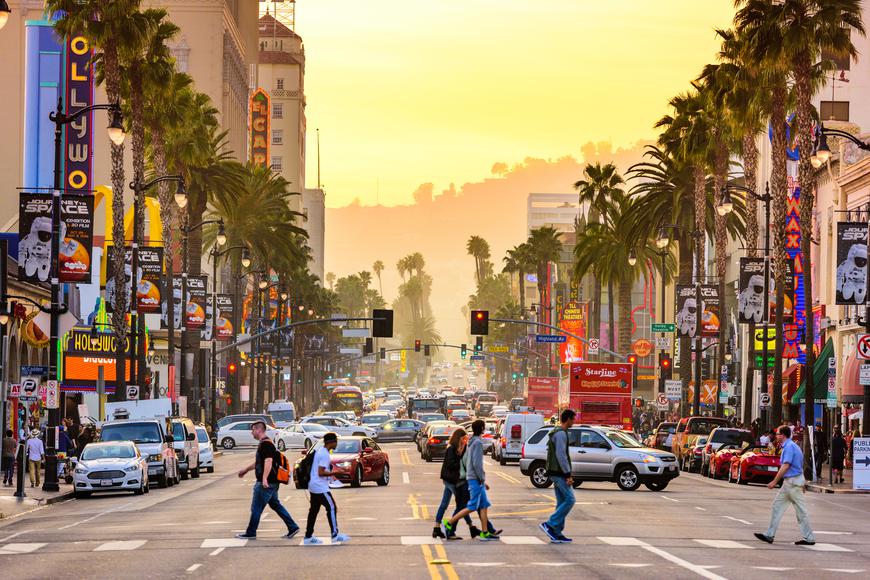
Consider the Hollywood Walk of Fame and the area around the TCL Chinese Theatre. While bustling at any hour, an early morning visit can allow you to leisurely explore the stars, take photos, and soak in the atmosphere before the heaviest crowds descend. Similarly, a visit to the Griffith Observatory is a must for breathtaking panoramic views of the city, the Hollywood Sign, and the Pacific Ocean. While sunsets here are legendary, they also draw immense crowds. Arriving an hour or two before sunset allows you to secure a good spot, explore the exhibits, and then enjoy the spectacle as the city lights begin to twinkle below. Alternatively, a morning visit offers clear views and a more serene experience.

The Santa Monica Pier, with its iconic Ferris wheel and vibrant atmosphere, is another attraction where timing matters. Early mornings are perfect for a quiet stroll and some fresh ocean air, while late afternoons offer lively entertainment and stunning sunset views over the Pacific. For theme park enthusiasts, a day at Universal Studios Hollywood or Disneyland Park in nearby Anaheim requires a full day. Arriving right at opening allows you to maximize your time, experience popular rides with shorter waits, and enjoy the magical ambiance before peak crowds. Utilizing early entry options, if available, can be a game-changer. Even cultural institutions like the Getty Center, with its stunning architecture and art collections, can be best enjoyed during less crowded weekday mornings or late afternoons, allowing for contemplative appreciation of the exhibits and gardens. Understanding these subtle timing considerations elevates your travel from mere sightseeing to immersive exploration.
Accommodation and Lifestyle: Synchronizing Your Stay with the City’s Pulse
The choice of accommodation in Los Angeles is as diverse as the city itself, reflecting a spectrum of lifestyles and budgets. From luxurious five-star hotels to charming boutique apartments and sprawling resorts, options abound. However, the success of your stay often hinges on how well your chosen accommodation and personal lifestyle align with the city’s pulse.
High-end resorts and suites in areas like Beverly Hills or West Hollywood, such as The Beverly Hills Hotel or Loews Hollywood Hotel, offer amenities that cater to a luxury travel lifestyle. These typically have dedicated concierge services that can assist with time-sensitive bookings for exclusive events or hard-to-get restaurant reservations. For those seeking a more budget travel experience, numerous hostels, mid-range hotels, or vacation villas found through platforms offering long-term stays provide comfortable options, particularly in neighborhoods like Santa Monica or Koreatown. Regardless of the choice, being aware of check-in and check-out times is crucial, especially when planning your arrival after a long flight and considering potential jet lag. Booking in advance, particularly during peak seasons (like summer or major event dates), ensures better rates and availability, saving you the stress of last-minute searches.
Beyond the physical space, tourism in Los Angeles involves immersing yourself in the local culture and food scene. This requires an understanding of the city’s temporal rhythms. Dinner reservations in popular districts like Downtown Los Angeles or on Rodeo Drive often need to be made weeks, if not months, in advance, especially for prime dining hours (typically 7:00 PM to 9:00 PM). Exploring the vibrant nightlife, from comedy clubs to live music venues on the Sunset Strip, demands late-night planning. Even a leisurely day at Venice Beach or a drive along the scenic coast in Malibu can be enhanced by knowing the best times to avoid traffic or to catch the most beautiful light. For business stays, understanding local business hours and coordinating meetings across time zones are key to productive trips. The city’s dynamic nature means that events and activities constantly unfold, and staying attuned to the local time allows travelers to fully participate in the authentic Los Angeles experience.
Maximizing Your Los Angeles Itinerary: Tips for Seamless Exploration
A visit to Los Angeles can be an exhilarating experience, but its sheer size and diverse offerings can be daunting without a well-thought-out plan. Maximizing your itinerary is all about smart temporal management, understanding the city’s unique challenges, and leveraging its opportunities. From efficient transportation to dynamic itinerary crafting, these tips ensure your time in Los Angeles is spent enjoying, not stressing.
Efficient Travel and Transportation
One of the biggest time considerations in Los Angeles is undoubtedly traffic. The city is notorious for its congestion, which can turn a seemingly short drive into a lengthy ordeal. Understanding peak hours—typically 6:00 AM to 10:00 AM and 3:00 PM to 7:00 PM on weekdays—is crucial for planning your movements. Utilizing navigation apps that provide real-time traffic updates is essential, helping you choose the quickest routes or alert you to potential delays.
For travel around the city, you have several options. While a rental car offers maximum flexibility, especially for exploring distant attractions or coastal areas like Malibu and Laguna Beach, it also means contending with parking and traffic. Ride-sharing services like Uber and Lyft are widely available and can be a convenient alternative, especially if you plan to enjoy the nightlife without worrying about driving. Los Angeles also has a developing public transportation system, including the Metro Rail and bus lines. While not as comprehensive as in some other major cities, it can be an efficient way to travel between key areas, such as Downtown Los Angeles, Hollywood, and Santa Monica. Timing your public transport use outside of rush hour can lead to a more comfortable and faster journey. Choosing the right mode of transportation for each leg of your journey, based on time of day and destination, is key to saving precious hours.
Crafting a Dynamic Itinerary
Successful tourism in Los Angeles hinges on a dynamic and flexible itinerary. Instead of rigid hourly schedules, think in terms of geographic clusters. Grouping activities by location minimizes travel time and maximizes exploration. For instance, dedicate one day to Hollywood and its surroundings (the Hollywood Walk of Fame, Griffith Observatory, Universal Studios Hollywood), another to the beach cities (Santa Monica Pier, Venice Beach), and perhaps another to cultural institutions and shopping in Beverly Hills and West Hollywood.
Leveraging early mornings can provide serene experiences at popular spots before crowds arrive, while late evenings open up opportunities for exploring the city’s vibrant food and entertainment scene. Build in buffer time between activities to account for unexpected delays or spontaneous detours. Be prepared to adjust your plans based on real-time traffic or weather, embracing flexibility as a cornerstone of your travel lifestyle. This approach allows for a more relaxed pace and greater opportunities to discover hidden gems or simply enjoy the ambiance of Los Angeles without feeling rushed. For accommodation like boutique hotels or apartments, consider their proximity to your preferred activity zones to reduce daily commute times.
Staying Connected Across Time Zones
For many travelers, staying connected with home or managing business stays while in Los Angeles is a necessity. The significant time difference, particularly for those coming from international destinations or the East Coast of the United States, requires thoughtful planning for communication.
Before you travel, familiarize yourself with the time difference between Los Angeles and your home location. Many smartphones automatically update to local time, but it’s wise to double-check. When scheduling calls or virtual meetings, always clarify the time zone to avoid confusion. For instance, if you’re on PDT and need to call someone on EST, remember there’s a three-hour difference. A 9:00 AM call in Los Angeles would be 12:00 PM in New York. For international travelers, free messaging apps and Wi-Fi calling can be invaluable for staying in touch without incurring expensive roaming charges. Most hotels and resorts offer complimentary Wi-Fi, and public Wi-Fi is often available at cafes and attractions. Setting a routine for checking messages or making calls at specific times during the day can help manage expectations and ensure you remain connected without letting it detract from your immersive tourism experience in Los Angeles.
In conclusion, knowing the time in Los Angeles right now, and understanding the implications of PST/PDT, is far more than a simple fact—it’s the key to a truly enriched and seamless journey. From landing smoothly and settling into your accommodation to exploring iconic landmarks and embracing the local lifestyle, every aspect of your travel and tourism experience will be influenced by the clock. By planning thoughtfully and embracing the city’s temporal rhythms, you’re not just visiting Los Angeles; you’re truly experiencing it.
LifeOutOfTheBox is a participant in the Amazon Services LLC Associates Program, an affiliate advertising program designed to provide a means for sites to earn advertising fees by advertising and linking to Amazon.com. Amazon, the Amazon logo, AmazonSupply, and the AmazonSupply logo are trademarks of Amazon.com, Inc. or its affiliates. As an Amazon Associate we earn affiliate commissions from qualifying purchases.