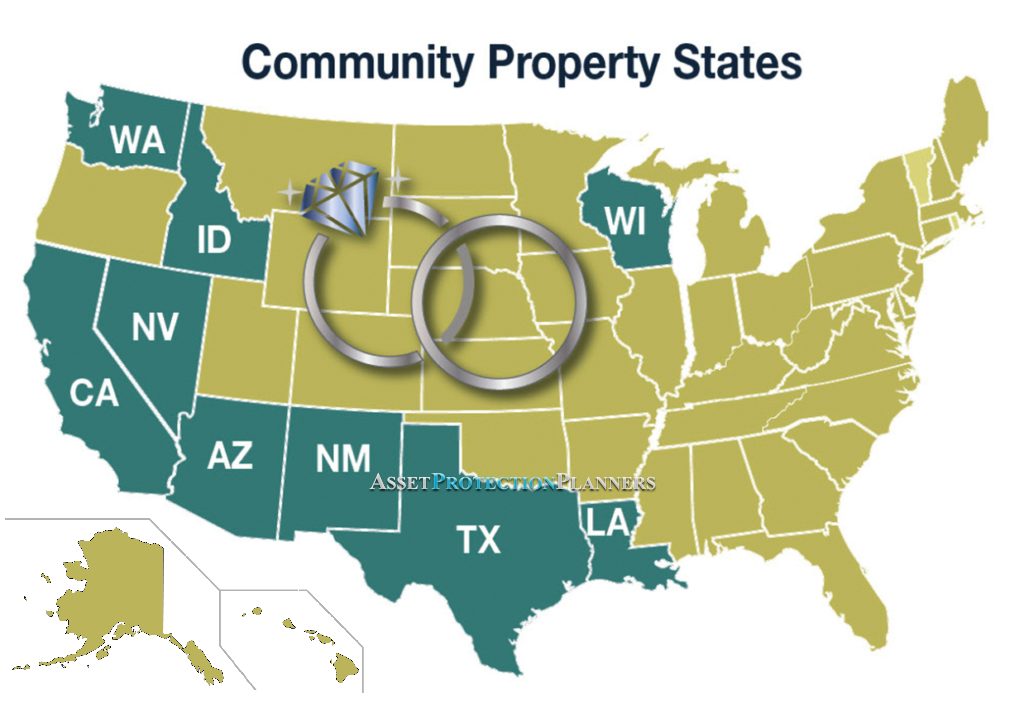
For anyone considering a move to the picturesque landscapes of [Colorado], planning an extended stay, or even just curious about the legal intricacies of the [Centennial State], a common question might arise: “Is Colorado a community property state?” The answer, which holds significant implications for couples and property ownership, is no. Colorado operates under a system of equitable distribution, a distinction that sets it apart from community property states and influences everything from real estate transactions to inheritance planning.
Understanding this fundamental legal difference is crucial, especially for those who envision Colorado as more than just a travel destination. Whether you’re dreaming of a luxurious ski chalet in Aspen, a long-term apartment rental in the bustling city of Denver, or a tranquil mountain retreat near Breckenridge, the state’s property laws will undoubtedly shape your lifestyle and accommodation choices. This article delves into what Colorado’s status as an equitable distribution state means for you, intertwining these legal considerations with the vibrant travel, tourism, and lifestyle opportunities the state offers.
Understanding Property Laws in Colorado: A Primer for Travelers and Future Residents
The legal framework governing marital property can seem daunting, but it’s a vital component of financial planning, particularly for couples. When states define how assets are divided upon divorce or death, they generally fall into one of two categories: community property or equitable distribution. Colorado firmly belongs to the latter, a distinction that impacts anyone considering a significant financial commitment or long-term presence within its borders.
Community Property vs. Equitable Distribution: What’s the Difference?
To fully grasp Colorado’s legal standing, it’s helpful to first understand the two primary systems of marital property division in the United States.
Community Property States: In community property states, such as California, Texas, and Arizona, all assets and debts acquired by either spouse during the marriage are considered “community property.” This means that, legally, both spouses equally own these assets, typically on a 50/50 basis, regardless of whose name is on the title or who earned the income. Upon divorce, community property is generally divided equally between the spouses. Exceptions usually include gifts or inheritances received by one spouse, which typically remain separate property. This system emphasizes equal ownership and responsibility for marital assets and debts.
Equitable Distribution States (Common Law Property States): Colorado, along with the majority of U.S. states, is an equitable distribution state. This system is also sometimes referred to as a common law property system. In these states, marital assets and debts are not automatically presumed to be owned equally. Instead, upon divorce, a court will divide marital property in a way that it deems “fair” or “equitable,” which does not necessarily mean an equal 50/50 split. The factors considered by the court can be numerous and varied, designed to achieve a just outcome based on the specific circumstances of the couple.

Colorado’s Stance: An Equitable Distribution State
As an equitable distribution state, Colorado courts have broad discretion when dividing marital property. When a marriage dissolves, judges consider a range of factors to determine a fair division. These factors often include:
- The contribution of each spouse to the acquisition of the marital property, including contributions as a homemaker.
- The value of the property set apart to each spouse.
- The economic circumstances of each spouse at the time the division of property is to become effective.
- Any increases or decreases in the value of the separate property of the spouse during the marriage.
- The desirability of awarding the family home or the right to live therein for reasonable periods to the spouse having custody of any children.
This means that while one spouse might have earned a higher income or had their name solely on a property title, the court will still assess the overall contributions and needs of both parties to arrive at an equitable distribution. For individuals considering a permanent move to Colorado or making significant investments there, understanding this nuanced approach is paramount. It influences decisions ranging from purchasing a vacation property to planning for a long-term stay, impacting overall lifestyle and financial security within the state.
Navigating Colorado’s Legal Landscape for Your Lifestyle and Accommodation Choices
The distinction between community property and equitable distribution might initially seem like a purely legal technicality, but its implications extend significantly into real-world scenarios, particularly concerning lifestyle choices and accommodation. For those drawn to Colorado’s unique charm, whether for a temporary escape or a permanent relocation, these laws shape how you might approach property ownership, financial planning, and even your overall quality of life.
Investing in Colorado: Vacation Homes, Long-Term Stays, and Real Estate
Colorado is a magnet for real estate investment, boasting diverse markets from the booming urban centers like Denver and Colorado Springs to the world-renowned ski towns of Aspen, Vail, and Telluride. For couples, whether married or considering marriage, understanding the equitable distribution system is vital when purchasing property.
- Vacation Homes and Investment Properties: If you’re considering buying a ski condo in Breckenridge or a summer cabin near Rocky Mountain National Park, how the property is titled (e.g., joint tenancy with right of survivorship, tenancy in common) can have significant consequences. In an equitable distribution state, while the names on the title are important, a court can still look at all marital contributions if the property becomes part of a divorce proceeding. This means both spouses’ financial and non-financial contributions during the marriage to acquire and maintain the property would be considered for a fair division, even if only one name appears on the deed.
- Long-Term Stays and Relocation: For those planning a long-term stay or a permanent move, purchasing a primary residence is a major life decision. Understanding that Colorado uses equitable distribution allows couples to approach real estate with a clear understanding of potential future implications. It encourages open communication and possibly pre-nuptial or post-nuptial agreements to clarify how assets might be divided, providing peace of mind as you settle into your new Colorado lifestyle. This awareness can influence decisions about funding purchases, titling assets, and managing mortgages, all of which are essential components of accommodation and lifestyle planning.
Planning Your Colorado Journey: Financial Considerations for Couples
Beyond real estate, Colorado’s equitable distribution laws touch on a broader spectrum of financial planning that impacts travel, tourism, and various lifestyle choices.
- Relocating from a Community Property State: Couples moving to Colorado from a community property state must be aware of how their assets might be reclassified. While assets acquired in a community property state retain their community property character (known as “quasi-community property”), how they are treated in a Colorado divorce or inheritance proceeding can be complex. Seeking legal advice is highly recommended to ensure a smooth transition and proper management of your financial portfolio.
- Business Stays and Ventures: For entrepreneurs or business travelers looking to invest in Colorado’s thriving economy, understanding the legal framework around marital assets is crucial. A spouse’s interest in a business started during marriage, for example, would be subject to equitable distribution. This consideration is vital for anyone planning a business stay that evolves into a long-term investment or residency, affecting everything from partnership agreements to personal financial security.
- Estate Planning: The distribution of assets upon death is also governed by Colorado’s equitable distribution principles in conjunction with estate laws. Spouses generally have certain rights to marital property, regardless of what a will might state. Proper estate planning, including wills, trusts, and powers of attorney, becomes even more critical for couples to ensure their wishes are honored and their loved ones are provided for according to their financial goals and lifestyle choices. This foresight allows for a more secure and enjoyable Colorado experience, whether your focus is on luxury travel, family trips, or a relaxed retirement.
Colorado’s Allure: Beyond Legalities, Embracing a Diverse Lifestyle
While understanding Colorado’s property laws is essential for sound financial planning, it’s merely one facet of what makes the state such an attractive destination. Colorado is renowned for its breathtaking natural beauty, vibrant culture, and an incredible array of activities that cater to every kind of traveler and resident. The peace of mind gained from understanding its legal frameworks only enhances the ability to fully immerse oneself in the rich experiences the Centennial State has to offer.
Explore Iconic Colorado Destinations and Their Unique Appeal
Colorado’s appeal lies in its stunning diversity, offering everything from adrenaline-pumping adventures to serene natural escapes. Its landmarks and attractions draw millions each year, solidifying its reputation as a premier travel destination.
- Mountain Majesties: The grandeur of the Rocky Mountains is undeniable. Rocky Mountain National Park offers unparalleled hiking, wildlife viewing, and scenic drives, while the iconic Pikes Peak stands as a beacon for explorers. World-class ski resorts like Aspen, Vail, and Breckenridge transform into hiking and mountain biking havens in the warmer months, providing year-round attractions for outdoor enthusiasts.
- Vibrant Cities and Culture: Denver captivates with its thriving arts scene, diverse culinary landscape, and craft breweries. Boulder offers a unique blend of intellectual vigor and outdoor recreation, while Colorado Springs boasts historical sites and natural wonders like the Garden of the Gods. These cities serve as cultural hubs, providing a rich tapestry of local culture, food, and activities that complement Colorado’s natural attractions.
- Luxury and Adventure: Whether it’s a luxury travel experience in the high-end boutiques of Cherry Creek in Denver or an adventurous backcountry tour near Telluride, Colorado caters to a wide range of lifestyles. The state is ideal for family trips, solo adventures, or business stays that seamlessly blend work with leisure.
Accommodation and Hospitality in the Centennial State
Colorado’s hospitality sector is as diverse as its landscape, offering an impressive array of accommodation options to suit every preference and budget. From opulent resorts to cozy vacation rentals, the state ensures that every visitor and long-term resident finds their perfect home away from home.
- Luxury and Resorts: For those seeking the pinnacle of comfort and service, Colorado is home to prestigious hotels and resorts. The Broadmoor in Colorado Springs, for example, is an iconic landmark offering exquisite amenities and world-class experiences. Ski towns feature luxury suites and villas with breathtaking views and direct access to slopes.
- Diverse Lodging Options: Beyond luxury, the state offers a wide range of hotels, suites, apartments, and villas suitable for various needs. Whether you’re looking for a budget-friendly hotel for a quick trip, a fully equipped apartment for a long-term stay, or a charming bed and breakfast to experience local culture, Colorado has it all. Websites for booking and reviews provide comprehensive guides and comparison tools, ensuring you can find the ideal accommodation.
- Long-Term Stays and Community: For individuals or couples considering a long-term stay or even residency, the availability of diverse housing, from urban apartments to sprawling ranches, supports a variety of lifestyles. Understanding the legal backdrop of property ownership can add a layer of security to these accommodation choices, allowing individuals to invest confidently in their chosen Colorado experience, whether it’s through renting, buying, or even exploring shared ownership models.
In essence, while the question of whether Colorado is a community property state leads to a definitive “no,” this legal clarity only serves to empower individuals to make informed decisions about their travel, financial planning, and lifestyle within this magnificent state. It ensures that every stay, from a short tourist visit to a lifelong residency, is built on a solid foundation of understanding and preparation, allowing you to fully enjoy the boundless opportunities Colorado presents.
In conclusion, Colorado operates under an equitable distribution system, not as a community property state. This means that marital assets and debts are divided fairly, though not necessarily equally, based on a court’s assessment of various factors. For anyone planning to visit, relocate, or invest in the Centennial State, understanding this legal framework is a key component of sound financial planning and ensures a seamless integration into its vibrant lifestyle. From purchasing a dream vacation home in the mountains to managing assets during a long-term stay in one of its bustling cities, awareness of Colorado’s property laws empowers you to make confident decisions. This legal insight, combined with the state’s unparalleled natural beauty, diverse attractions, and welcoming hospitality, solidifies Colorado’s position as an exceptional destination for travel, tourism, and a fulfilling lifestyle.