
California, often celebrated for its sunshine, beaches, and vibrant cities, also holds a cherished reputation as the citrus basket of the United States. For visitors and residents alike, discovering the peak season for fresh, juicy oranges can transform a simple trip into a deliciously immersive experience. Understanding the nuances of when different orange varieties ripen across the Golden State is key to enjoying their bounty, whether you’re seeking a farm-fresh taste, exploring scenic groves, or planning a California getaway that celebrates local flavors. From the sunny orchards of Southern California to the vast Central Valley, the state offers a continuous procession of citrus delights, ensuring that there’s almost always an orange in season somewhere. This guide delves into the specifics of California’s orange seasons, helping you plan the perfect travel itinerary centered around this beloved fruit.
Understanding California’s Diverse Orange Seasons
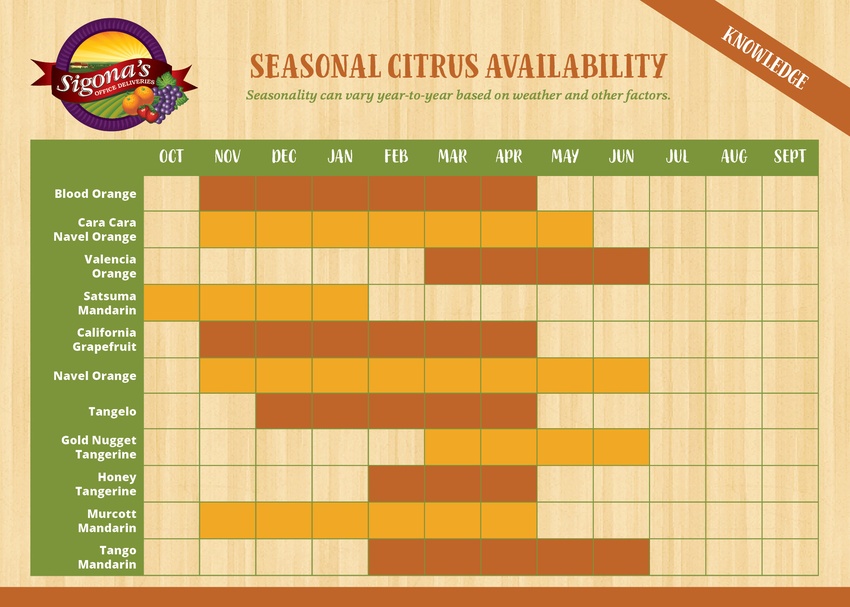
California’s unique climate and varied topography allow for an extended orange season, with different varieties reaching their prime at distinct times of the year. This geographical diversity means that while a specific type of orange might be seasonal, the overall “orange season” in California can feel almost year-round. Knowing which orange is ripe when can significantly enhance your culinary and exploratory adventures.
A Year-Round Zest: Different Varieties, Different Times
The two most prominent orange varieties grown in California are Navel and Valencia, each with its own harvest window and distinct characteristics.
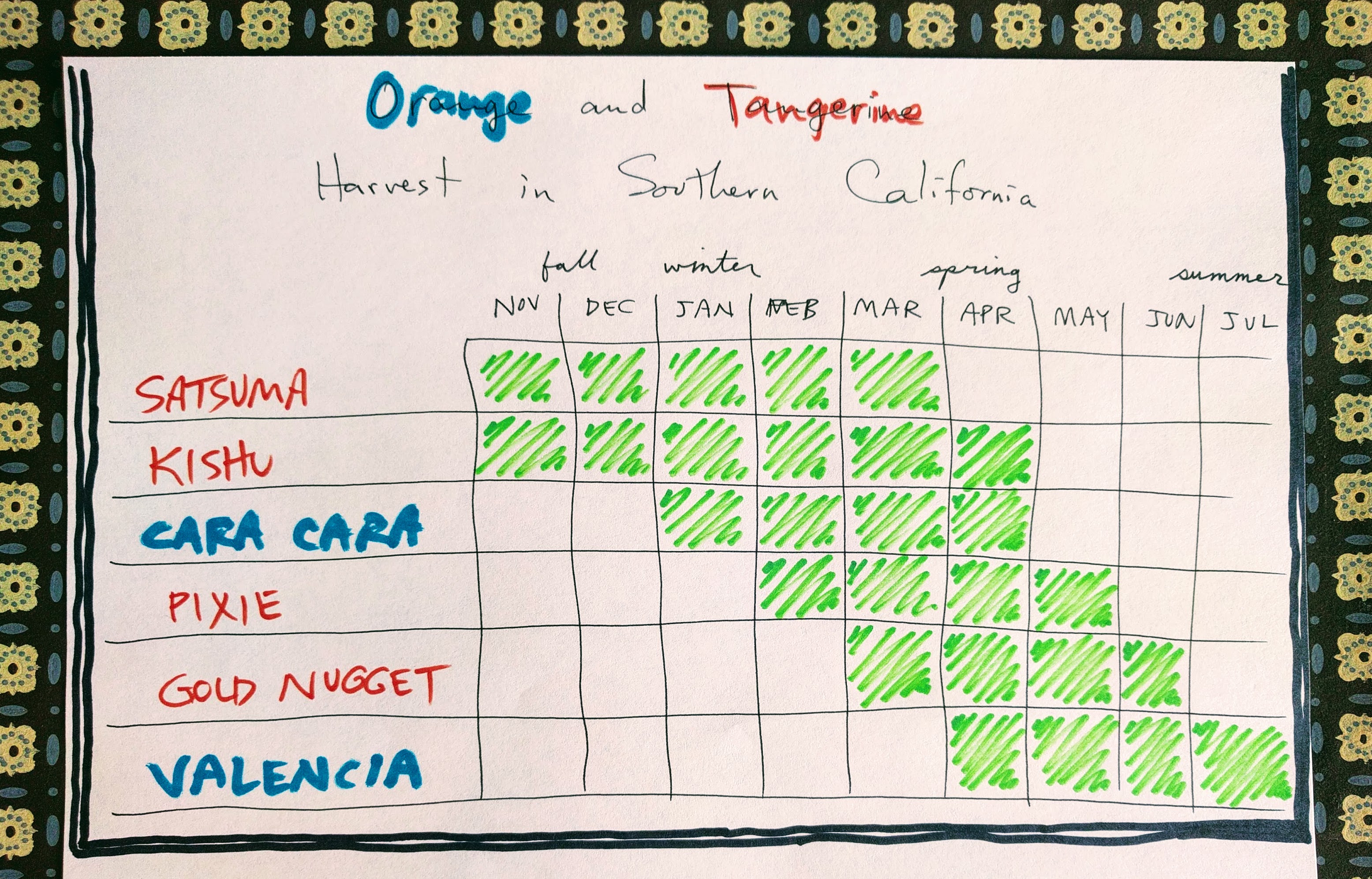
Navel Oranges: These are perhaps the most popular eating oranges, known for their easy-to-peel skin, seedless flesh, and sweet, rich flavor. The “navel” at one end is actually a rudimentary secondary fruit. In California, Navel oranges are primarily harvested from November through May. The peak season typically runs from January to March, when the fruit is at its sweetest and juiciest. This makes the cooler months an ideal time to visit for those who prioritize snacking on fresh oranges directly from the tree or local market.
Valencia Oranges: Often referred to as the “juice orange,” Valencias are prized for their bright color, high juice content, and balanced sweet-tart flavor. They are also one of the few oranges that maintain their quality even when processed into juice. Valencia oranges have a distinct harvest season that beautifully complements the Navel season, running primarily from March through October, with a peak during the summer months of July and August. This means that as Navel season begins to wane, Valencia oranges are just hitting their stride, ensuring a continuous supply of fresh California oranges throughout the year.
Beyond these two giants, California also cultivates other delightful citrus varieties:
Blood Oranges: Known for their distinctive crimson flesh and berry-like flavor, blood oranges are a winter specialty, typically available from December through May.
Mandarins: This broad category includes varieties like Clementines, Satsumas, and Tangerines, all celebrated for their easy-to-peel skins and sweet, often less acidic, flavor. Mandarin season generally runs from November through April, overlapping significantly with Navel oranges.
Cara Cara Navels: A unique type of navel orange, Cara Caras feature pinkish-red flesh and a sweeter, less acidic flavor with notes of cherry and blackberry. Their season usually mirrors that of traditional Navel oranges, from December through April.
This staggered ripening schedule ensures that California’s citrus groves are almost perpetually active, offering a fresh, seasonal experience no matter when you choose to visit.
Geographical Nuances: From Southern Groves to Central Valleys
California’s vast agricultural landscape is segmented into distinct growing regions, each contributing uniquely to the state’s citrus output and influencing harvest times.
The Central Valley, particularly the San Joaquin Valley encompassing counties like Tulare and Kern, is the heart of California’s citrus production. This region boasts ideal conditions—warm days, cool nights, and fertile soil—for growing Navel oranges. Consequently, the bulk of the state’s Navel harvest originates here, especially during the peak winter months. Visalia and Porterville are key cities in this agricultural hub, offering glimpses into the scale of orange cultivation.
Further south, Southern California, historically the birthplace of California’s citrus industry, still plays a significant role. Areas around Riverside and Ventura County are known for a broader mix of citrus, including Navels, Valencias, and specialty varieties. The slightly warmer climate in these coastal and inland valley areas can sometimes extend the season or allow for earlier ripening of certain types. For instance, some of the earliest Navel oranges might come from these areas, while Valencia production thrives throughout the warmer months.
Understanding these geographical nuances is crucial for planning your citrus-themed tourism adventure. If you’re visiting in winter, a trip through the Central Valley will offer ample opportunities to see Navel groves. In contrast, a summer visit might focus on regions known for Valencia production, often closer to the coast where the climate is milder. Each region offers its own unique charm and access to fresh, local produce, making any season a good season to explore California’s orange country.
Planning Your California Orange-Themed Getaway
A trip to California during orange season offers more than just delicious fruit; it’s an opportunity to immerse yourself in local culture, explore scenic landscapes, and indulge in unique culinary experiences. Planning your visit around the ripening schedule of your favorite orange variety can elevate your entire trip.
Must-Visit Destinations for Orange Enthusiasts
To truly experience California’s orange season, focus your itinerary on the regions where citrus cultivation thrives.
Central Valley (Winter/Spring for Navels): For the quintessential Navel orange experience, head to cities like Visalia, Fresno, and Bakersfield. Here, you’ll find vast groves stretching for miles, often framed by the majestic Sierra Nevada mountains. Many local farms offer tours, allowing visitors to learn about the growing process and even pick their own oranges. The scent of orange blossoms, typically strongest in spring, is an unforgettable experience.
Riverside (Year-Round, with historical significance): Known as the birthplace of California’s citrus industry, Riverside offers a rich historical perspective. Visit the California Citrus State Historic Park, a significant landmark that preserves historic orange groves and teaches visitors about the impact of citrus on the state’s development. While commercial groves are less prevalent in Riverside proper today compared to the Central Valley, its historical importance and the park make it a fascinating stop. The city often hosts events celebrating its citrus heritage.
Ventura County (Spring/Summer for Valencias): As you move towards the coast, Ventura County, with cities like Santa Paula and Fillmore, becomes a prime destination, particularly for Valencia oranges in the warmer months. This region offers a charming blend of agricultural beauty and coastal access. You might find smaller, family-run farms offering U-pick experiences or roadside stands selling freshly picked fruit. The scenic beauty of this area, nestled between mountains and the Pacific Ocean, makes it an attractive destination for both citrus enthusiasts and general tourists.
Orange County (Historical, with modern attractions): While Orange County has largely transitioned from orange groves to urban and suburban development, its name is a testament to its citrus past. Today, visitors might not find vast groves, but they can still appreciate the legacy through local farmers’ markets and specialty shops. For those interested in a broader Southern California experience that combines historical context with modern attractions like Disneyland Resort, Orange County remains a vital part of a California lifestyle exploration.
Experiences Beyond the Grove: Festivals and Culinary Delights
Your orange-themed trip isn’t just about picking fruit; it’s about embracing the entire citrus culture.
Orange Festivals: Keep an eye out for local orange festivals or citrus fairs, which typically occur during the peak Navel season (winter/spring) in the Central Valley or in historical citrus towns. These festivals are vibrant celebrations featuring live music, craft vendors, citrus-themed foods, and often contests like orange packing or eating competitions. They offer a fantastic way to engage with the local community and sample a wide array of orange products. For example, the California Citrus Festival in Santa Paula is a highlight, though typically in summer, focusing on all types of citrus.
Farm Tours and U-Pick Operations: Many family farms open their doors to visitors for tours and U-pick experiences. This hands-on activity is perfect for families and offers a direct connection to where your food comes from. It’s an incredibly rewarding experience to pick your own sweet, sun-ripened oranges directly from the tree. Be sure to call ahead or check farm websites for availability and operating hours. These experiences are often highlighted in travel guides focusing on agricultural tourism.
Orange-Infused Culinary Adventures: California’s farm-to-table movement means that local oranges are frequently featured on restaurant menus, especially during their peak season. Look for orange-infused dishes, from fresh salads with citrus vinaigrettes to roasted meats with orange glazes, and, of course, desserts like orange tarts, cakes, and sorbets. Local bakeries and cafes will often offer fresh orange juice or orange blossom lattes. Exploring these culinary delights is a fantastic way to savor the local flavor. Don’t forget to visit farmers’ markets in cities like San Francisco or Los Angeles, even if they’re not in the main growing regions, as they will still feature fresh oranges from the Central Valley or Southern California during their respective seasons.
These experiences create a rich tapestry for any visitor, transforming a simple interest in oranges into a comprehensive cultural and gastronomic journey.
Accommodation and Travel Tips for Your Citrus Adventure
Planning where to stay and how to navigate California’s orange regions is essential for a comfortable and enjoyable citrus adventure. Given the breadth of California’s landscape and the varied locations of orange groves, thoughtful accommodation and travel planning can make all the difference.
Choosing Your Stay: From Boutique Hotels to Quaint Villas
California offers a diverse range of accommodation options to suit every preference and budget, whether you’re embarking on a luxury travel escape or a budget travel expedition.
Hotels and Resorts: In larger cities near orange-growing regions, such as Fresno, Riverside, or Bakersfield, you’ll find a variety of hotels ranging from major chains to boutique establishments. Many offer amenities like pools, fitness centers, and on-site dining. For a more upscale experience, consider resorts that might offer spa services or golf courses, often providing a serene base after a day of exploring groves. Brands like the Hyatt Regency or Marriott Hotels are reliably available in these urban centers.
Apartments and Villas: For longer stays, family trips, or those seeking a home-away-from-home feel, consider renting apartments or villas through platforms specializing in long-term stays. This option is particularly appealing for those who wish to cook with fresh, local produce bought directly from farms or markets. In regions like Ventura County, you might find charming vacation rentals in smaller towns like Ojai or Santa Paula, offering a more intimate connection to the agricultural landscape.
Unique Stays: For an unforgettable experience, look for unique accommodations like farm stays, bed and breakfasts nestled in rural settings, or even glamping sites that offer a rustic yet comfortable experience amidst nature. These options can provide a deeper dive into the local lifestyle and offer insights into farming life. When booking your stay, always check reviews and use comparison tools to find the best fit for your needs.
Maximizing Your Trip: Travel Guides and Lifestyle Considerations
To make the most of your orange season adventure, consider these practical travel tips and lifestyle insights.
Best Time to Visit: While Navel oranges peak from January to March and Valencias in summer, the shoulder seasons (late fall and late spring) can offer a pleasant balance. Fall brings crisp air and the beginning of the Navel harvest, while late spring provides milder weather and the overlap of late Navels and early Valencias. The orange blossom season, typically in late winter/early spring, fills the air with an intoxicating fragrance, regardless of whether the fruit is fully ripe.
Transportation: Renting a car is highly recommended. California’s orange groves and related attractions are often spread out, and public transportation can be limited in rural agricultural areas. A car offers the flexibility to explore at your own pace, visit multiple farms, and discover hidden gems. Ensure your vehicle has enough space for any oranges or other produce you might purchase!
Pack Appropriately: Depending on the season, California weather can vary significantly. In winter, expect cooler temperatures in the Central Valley, requiring layers. Summer in these inland areas can be very hot, so light clothing, hats, and sunscreen are essential. Always bring comfortable walking shoes for farm tours.
Local Etiquette: When visiting farms or U-pick operations, always respect farm property and follow guidelines provided by the farmers. Support local businesses by purchasing their products, whether it’s fresh fruit, jams, or citrus-infused olive oils. Engaging with farmers and local vendors is a fantastic way to learn more about the region and its agricultural traditions.
Combine with Other Activities: An orange-themed trip can easily be combined with other California destinations. For example, a winter visit to the Central Valley could extend to exploring nearby national parks like Sequoia National Park, where giant sequoias stand majestically. A summer trip to Ventura County could include beach time or exploring the Channel Islands National Park. Integrating your citrus quest with broader California experiences creates a truly memorable itinerary.
The Historical and Cultural Significance of California Oranges
Beyond their delicious taste and economic importance, oranges hold a profound place in California’s history and cultural identity. The story of California citrus is one of innovation, transformation, and enduring legacy, shaping the state’s landscape and economy for over a century.
A Legacy in Gold: California’s Citrus Industry Through Time
The introduction of the “Washington Navel” orange to Riverside, California, in 1873 from Brazil via the U.S. Department of Agriculture, marked a pivotal moment. The two original parent trees, propagated by Eliza Tibbets, thrived in Southern California’s climate, producing exceptionally sweet and seedless fruit. This discovery sparked the “Second Gold Rush” – a citrus boom that transformed vast stretches of semi-arid land into verdant orange groves.
The citrus industry spurred significant development across the state. It attracted settlers, led to the creation of irrigation systems, and established complex transportation networks, including refrigerated rail cars to ship fresh fruit across the country. Cities like Riverside, Pasadena, and Orange County blossomed, fueled by the prosperity of the citrus trade. Iconic brands emerged, with their vibrant labels becoming symbols of California’s bounty. The industry even contributed to the state’s tourism, as people were drawn to the picturesque groves and the promise of a healthy, sunny lifestyle.
Today, while urbanization has replaced many of the original groves in Southern California, the legacy endures. The California Citrus State Historic Park in Riverside stands as a testament to this rich history, preserving the agricultural landscape and educating visitors about the immense impact citrus had on the Golden State. It’s a key landmark for understanding California’s agricultural past.
Modern-Day Impact and Sustainable Practices
While the scale of citrus farming has shifted primarily to the Central Valley, the industry remains a vital component of California’s economy and agricultural identity. Modern citrus farming in California is a sophisticated operation, blending traditional knowledge with advanced technology. Growers utilize precision irrigation, integrated pest management, and innovative harvesting techniques to ensure efficiency and sustainability.
There’s a growing emphasis on sustainable practices, with many farms implementing water-saving methods, organic farming principles, and efforts to reduce their environmental footprint. The farm-to-table movement further highlights the importance of locally grown produce, connecting consumers directly with the farmers and the stories behind their food. This shift not only benefits the environment but also provides consumers with fresh, high-quality oranges that embody the essence of California’s agricultural heritage.
The cultural impact of oranges continues to resonate. They are celebrated in local festivals, incorporated into regional cuisine, and remain a beloved symbol of California’s abundance and sunny disposition. From the fragrant blossoms of spring to the ripe fruit of winter, oranges continue to shape the sensory and economic landscape of the Golden State, inviting visitors to experience a taste of California’s vibrant history and agricultural future.
California’s orange season is not a singular event but a continuous cycle of ripening, harvesting, and celebration. Whether you prefer the sweet, seedless Navels of winter or the juicy Valencias of summer, the Golden State offers an endless supply of citrus delights. By understanding the diverse varieties, their seasons, and the regions where they thrive, you can plan an enriching travel experience that combines the joys of fresh fruit with exploration of California’s unique culture and breathtaking landscapes. From historical landmarks to vibrant farm tours, an orange-themed adventure in California promises a memorable and flavorful journey, perfectly aligning with the rich lifestyle and tourism experiences that make the state so captivating.
LifeOutOfTheBox is a participant in the Amazon Services LLC Associates Program, an affiliate advertising program designed to provide a means for sites to earn advertising fees by advertising and linking to Amazon.com. Amazon, the Amazon logo, AmazonSupply, and the AmazonSupply logo are trademarks of Amazon.com, Inc. or its affiliates. As an Amazon Associate we earn affiliate commissions from qualifying purchases.