
Southern California is a captivating region, renowned for its diverse landscapes, from sun-drenched beaches and vibrant cities to majestic mountains and arid deserts. It’s a premier destination for travelers seeking everything from luxury retreats to adventurous explorations. However, the region is also characterized by a Mediterranean climate, which, particularly during the warmer months, can lead to elevated fire risk. For visitors planning their dream getaways or those living within this dynamic area, understanding the current fire situation and its potential impact on travel, accommodation, and local experiences is paramount. This article aims to provide a comprehensive guide, focusing on how wildfires in Southern California can affect your plans and how to navigate these challenges safely and responsibly, ensuring your trip remains as enjoyable as possible.
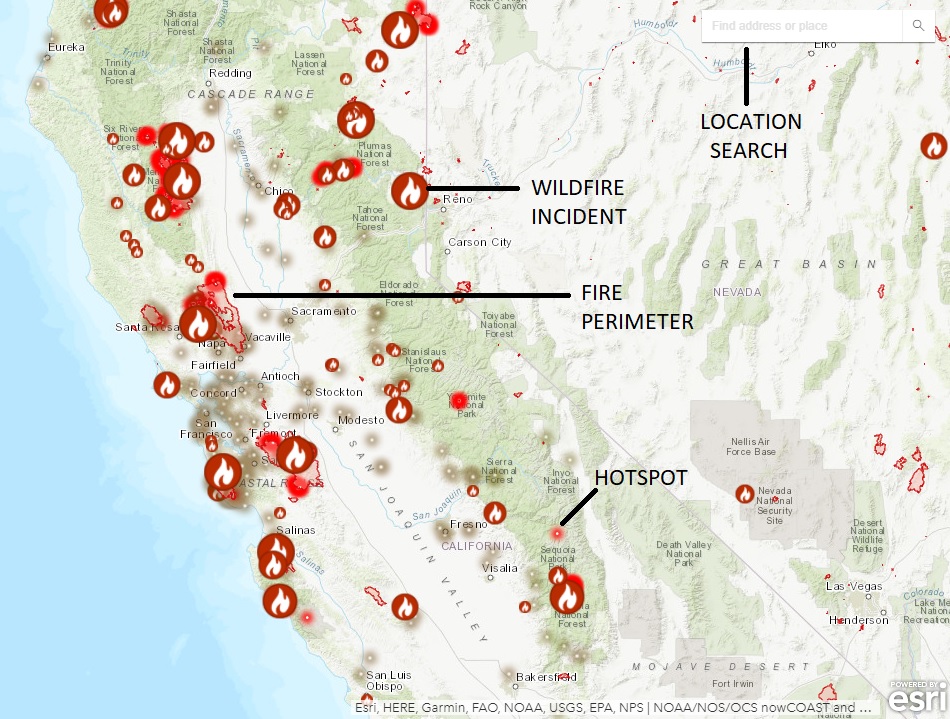
The narrative around wildfires is not merely about destruction; it’s also about resilience, preparedness, and informed decision-making. Our focus extends beyond just pinpointing active fire zones to exploring the broader implications for tourism, from booking hotels to visiting iconic landmarks. We delve into how various aspects of the travel experience—from routes and attractions to local culture and lifestyle—can be influenced, providing practical advice for staying safe, minimizing disruption, and contributing positively to the communities that welcome millions of visitors each year.
Understanding the Current Landscape: Key Fire Zones and Their Implications
Wildfires in Southern California are often dynamic events, with conditions changing rapidly due to wind, topography, and fuel availability. Staying informed is the first line of defense for any traveler or resident. While specific fire locations fluctuate, certain areas are historically more prone to activity, influencing travel advisories and local emergency responses.
Geographic Overview of Current Incidents
Typically, major fire incidents in Southern California tend to occur in the more rugged, wildland-urban interface areas. These include regions within and surrounding Los Angeles and San Diego counties, particularly those bordering national forests or extensive natural chaparral. Areas like Ventura County, Santa Barbara, and the foothills of the San Bernardino Mountains in Riverside County and San Bernardino County are often susceptible. National forests such as Angeles National Forest, Cleveland National Forest, and San Bernardino National Forest are critical areas that require heightened awareness, as fires there can spread quickly and impact surrounding communities.
Monitoring official sources like Cal Fire (the California Department of Forestry and Fire Protection) and the National Weather Service for red flag warnings and incident updates is crucial. These agencies provide real-time information on active fires, containment levels, and evacuation orders. Travelers should also be aware of the seasonality of fires; the peak fire season typically runs from late summer through late fall, exacerbated by Santa Ana winds that can push fires rapidly westward towards the coast. Understanding these patterns allows for better planning, whether you’re considering a beach vacation in Malibu or a desert retreat in Palm Springs.
How Fires Affect Travel Routes and Access
Wildfires can significantly disrupt transportation infrastructure, impacting both local commutes and long-distance travel. Road closures are common, especially on scenic routes like the Pacific Coast Highway or highways that traverse mountainous terrain, such as portions of Interstate 5 or Interstate 10 when fires are active nearby. These closures are implemented for public safety, allowing emergency services access and preventing travelers from entering hazardous zones.
For air travelers, while airports themselves are rarely directly threatened, smoke from large fires can severely impact air quality and visibility. This can lead to flight delays or cancellations at major hubs like Los Angeles International Airport (LAX) or San Diego International Airport. It’s always advisable to check with your airline and monitor airport status updates if fires are active in the region. Before embarking on any journey through Southern California during fire season, consult traffic apps, state highway patrol websites, and local news for the latest road conditions and travel advisories. Flexibility in travel plans, including having alternative routes or being prepared for delays, is a vital component of a smooth trip during these times.
Navigating Travel and Accommodation Amidst Wildfires
The allure of Southern California’s attractions and its extensive range of accommodations makes it a magnet for tourists worldwide. However, wildfires can introduce an element of uncertainty into travel plans, requiring visitors to be adaptable and well-informed. Understanding the potential impact on your chosen destinations and lodging is key to a stress-free experience.
Impact on Popular Tourist Destinations and Attractions
Southern California boasts an impressive array of tourist destinations, from world-famous theme parks to serene natural wonders. While urban attractions like Disneyland Park in Orange County or Universal Studios Hollywood in Los Angeles are typically far removed from direct fire paths, they can still be affected by poor air quality due to smoke. On days with significant smoke, outdoor activities might become less pleasant, leading some visitors to opt for indoor attractions like the Getty Center or the [Griffith Observatory](https://lifeoutofthebox.com/griffith-observatory], where air conditioning and filtration systems provide refuge.

Natural landmarks and outdoor recreation areas are, understandably, more directly impacted. National and state parks, such as Joshua Tree National Park or various beaches along the Malibu coast, might experience temporary closures for visitor safety or due to active fires within their boundaries. Hiking trails, campgrounds, and scenic overlooks in areas like the Angeles National Forest are frequently closed during high fire danger periods, even without an active fire, as a preventative measure. Before visiting any outdoor attraction, it’s imperative to check their official websites or call ahead for the most current operating status. This proactive approach helps avoid disappointment and ensures your safety. Remember that the beauty of these natural spaces is what draws visitors, and their preservation often necessitates these temporary closures during high-risk times.
Hotel and Accommodation Considerations
Booking accommodation in Southern California during fire season requires an extra layer of diligence. While hotels rarely face direct threats unless they are in immediate evacuation zones, several factors can affect your stay. Air quality is a primary concern; even if your hotel, say the luxurious Hotel del Coronado in San Diego or The Resort at Pelican Hill in Orange County, is physically safe, smoky skies can diminish the appeal of outdoor amenities like pools, patios, or scenic views. This is where researching a hotel’s indoor facilities or alternative activities becomes valuable.
It’s also crucial to understand cancellation and refund policies. Many hotels, particularly those in areas prone to fire impacts (e.g., boutique hotels in Santa Barbara foothills or resorts near Palm Springs), are accustomed to guests needing to adjust plans during fire season. Directly contacting your hotel to inquire about their policies in case of local emergencies, or whether they offer flexibility for travelers affected by fire-related disruptions, is always recommended. For those seeking long-term stays or vacation rentals, the same principles apply, often with stricter cancellation terms, so clarity is key. In rare instances where an entire area is under evacuation, hotels may close, requiring guests to seek alternative arrangements. Having travel insurance that covers fire-related disruptions can offer an additional layer of financial protection and peace of mind. Consider options like the Waldorf Astoria Beverly Hills for a stay further removed from common fire corridors.
Prioritizing Safety and Responsible Tourism During Fire Season
Traveling through Southern California during fire season demands a proactive approach to safety and a commitment to responsible tourism. It’s about more than just avoiding active fire zones; it’s about understanding the broader environmental context and minimizing your impact while supporting local communities.
Essential Safety Tips for Visitors
The most critical safety tip is to stay informed through official channels. Rely on information from Cal Fire, county emergency services, and the National Weather Service. Avoid relying solely on social media or unofficial reports, which can spread misinformation. If you are in an area issued with an evacuation warning or order, follow instructions immediately. Evacuation orders are issued for your safety and to allow emergency personnel to work unimpeded.
Monitor air quality. Smoke from wildfires can travel hundreds of miles, impacting air quality far from the fire front. Websites like AirNow provide real-time air quality data. On days with poor air quality, consider limiting outdoor activities, especially if you have respiratory sensitivities. Wearing an N95 mask can offer some protection if you must be outdoors. Opt for indoor attractions or activities during these periods. Always carry an emergency kit in your vehicle, especially if driving through rural or mountainous areas, which should include water, snacks, a first-aid kit, and a full tank of gas. Be vigilant about fire prevention: adhere to all campfire restrictions, dispose of cigarettes properly, and avoid any activity that could spark a flame, particularly in dry brush areas or recreational spots like the Santa Monica Pier where sparks could be carried by wind.
Supporting Local Communities and Sustainable Practices
The impact of wildfires extends far beyond the immediate damage, often affecting local economies, especially those reliant on tourism. When visiting Southern California during or after a fire event, conscious choices can make a significant difference. If certain areas are declared safe and open for tourism, supporting local businesses—from booking a stay at a local hotel to dining at a neighborhood restaurant or purchasing from local shops—helps these communities rebuild and recover. Many small businesses, particularly in scenic towns near fire-prone wildlands, rely heavily on visitor income.
Embracing sustainable travel practices is also more important than ever. This includes minimizing waste, conserving water, respecting local wildlife and habitats, and adhering strictly to all environmental regulations. For outdoor enthusiasts, this means staying on marked trails, understanding “Leave No Trace” principles, and being extremely cautious with any potential ignition sources. Participating in volunteer efforts, if safe and organized, or donating to reputable local charities focused on fire relief and environmental restoration, are other ways to contribute positively. By acting as responsible and empathetic travelers, visitors can help preserve the natural beauty of Southern California and aid in its resilient recovery.

Looking Ahead: The Resilient Spirit of Southern California
Despite the recurring challenges posed by wildfires, Southern California remains an enduringly popular and vibrant destination. The region possesses an incredible capacity for recovery, with communities, ecosystems, and the tourism infrastructure consistently demonstrating resilience. It’s important to remember that vast portions of Southern California are typically unaffected by even major fire incidents, and the areas that do experience impact often rebound with remarkable speed.
The spirit of innovation and community support in California ensures that affected areas receive dedicated resources for recovery and restoration. For travelers, this means that while vigilance is always wise, the long-term allure of Southern California’s diverse attractions, from its world-class cities to its stunning natural parks, remains undiminished. By staying informed, exercising caution, and supporting local endeavors, visitors can continue to enjoy the unparalleled experiences the region offers, contributing to its ongoing vibrancy and demonstrating respect for its unique environmental landscape. The beauty of Southern California is enduring, and its welcome to informed and responsible travelers is constant.
LifeOutOfTheBox is a participant in the Amazon Services LLC Associates Program, an affiliate advertising program designed to provide a means for sites to earn advertising fees by advertising and linking to Amazon.com. Amazon, the Amazon logo, AmazonSupply, and the AmazonSupply logo are trademarks of Amazon.com, Inc. or its affiliates. As an Amazon Associate we earn affiliate commissions from qualifying purchases.