
Understanding the precise time in any given location is more than just a matter of curiosity; for travelers, business professionals, and those with connections across different regions, it’s a fundamental aspect of planning, communication, and seamless experience. When it comes to the vast and diverse state of Texas, the question “What time is it in Texas now?” opens up a conversation about geographical nuances, Daylight Saving Time, and the profound impact these factors have on travel, tourism, accommodation, and lifestyle within the United States’ second-largest state. From booking flights and hotel check-ins to scheduling crucial business calls and visiting iconic landmarks, knowing the correct time in Texas is essential for maximizing your journey or daily operations.
Understanding Texas Time Zones
The grandeur of Texas isn’t just in its size, but also in its subtle geographical complexities, which include its time zones. While the vast majority of the state operates on a single time standard, a small but significant portion adheres to another, adding a layer of detail that savvy travelers and meticulous planners must consider.
The Central Time Zone Dominance
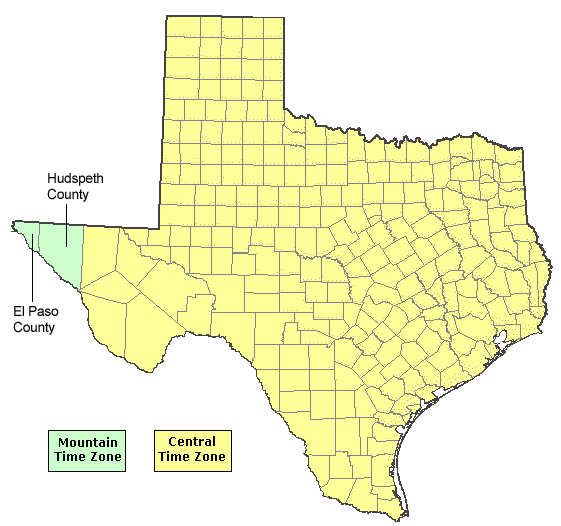
Most of Texas, encompassing major cities like Dallas, Houston, Austin, and San Antonio, observes the Central Time Zone (CT). This means that during standard time, it follows Central Standard Time (CST), which is UTC-6. When Daylight Saving Time is in effect, from early March to early November, these areas switch to Central Daylight Time (CDT), which is UTC-5.
This uniformity across the majority of the state simplifies planning for most visitors and residents. Whether you’re exploring the bustling arts scene in Dallas, enjoying the vibrant music of Austin, delving into the history of San Antonio, or experiencing the rich culture of Houston, you can largely rely on the Central Time Zone.
A Glimpse of Mountain Time in Far West Texas
An important exception to this rule is the far western tip of Texas, specifically the city of El Paso and parts of Hudspeth County and Culberson County. These areas observe Mountain Time (MT). This puts them one hour behind the rest of Texas. During standard time, they follow Mountain Standard Time (MST), which is UTC-7. During Daylight Saving Time, they switch to Mountain Daylight Time (MDT), which is UTC-6.
This time zone distinction is particularly critical for those traveling to El Paso from other parts of Texas, or for anyone planning to visit natural landmarks like Guadalupe Mountains National Park or Big Bend National Park, which might straddle or be close to the time zone line. Always double-check when your itinerary takes you to these western reaches, especially if you’re coordinating with people in New Mexico or other states that predominantly use Mountain Time.
Navigating Daylight Saving Time
Like most of the United States, Texas observes Daylight Saving Time. Clocks “spring forward” one hour on the second Sunday in March and “fall back” one hour on the first Sunday in November. This shift means that for roughly eight months of the year, the primary Central Time Zone part of Texas is UTC-5, and the Mountain Time portion is UTC-6.
This annual adjustment is important for:
- Travelers: Confirming flight times, hotel check-ins, and tour schedules. A missed hour can mean a missed connection or late arrival.
- Business: Ensuring virtual meetings and conference calls are scheduled correctly, especially when interacting with colleagues in different time zones like the Eastern Time Zone or Pacific Time Zone.
- Tourism: Verifying the opening and closing hours of attractions, restaurants, and entertainment venues, as these can sometimes be impacted or require reconfirmation around the time change.
Why Knowing Texas Time Matters for Travelers and Locals Alike
Beyond simple chronology, understanding Texas time is a cornerstone for efficient travel, successful business, enjoyable tourism, and a smooth daily lifestyle. It dictates the rhythm of life and impacts almost every interaction with the state.
Seamless Travel Planning and Itineraries
For anyone embarking on a journey to or through Texas, time zone awareness is paramount.
- Flights and Connections: Missing a connecting flight because you miscalculated a time zone change is a traveler’s nightmare. Confirming arrival and departure times in the local time of each leg of your journey is crucial.
- Road Trips: If driving across the state, especially into the El Paso area, remember the one-hour shift. This affects when you plan to stop for meals, refuel, and reach your overnight accommodation.
- Public Transport: Bus and train schedules will strictly adhere to local time. Double-check before you travel.
- Jet Lag: While not as severe as international travel, even a one or two-hour shift can impact your body clock. Arriving prepared allows for better adjustment and enjoyment of your trip.
Business Across Time Zones
Texas is a major economic hub, home to significant industries including energy, technology, aerospace, and finance. Business often transcends state and national borders.
- Meetings and Conferences: Scheduling calls with clients or colleagues in New York, Los Angeles, or even nearby states like Oklahoma or Louisiana requires precise time conversion to avoid missed appointments.
- Deadlines: Project deadlines, market opening hours, and financial transactions are all time-sensitive. A mistake in time calculation can have significant consequences.
- International Business: For businesses operating with partners in Mexico or other countries, understanding the temporal relationship with Texas is non-negotiable.
Maximizing Your Texas Experience (Tourism & Activities)
Texas offers an incredible array of tourist attractions and activities, from historical sites to vibrant nightlife.
- Attraction Hours: Famous landmarks like The Alamo in San Antonio, Space Center Houston, or Six Flags Over Texas in Arlington (near Fort Worth) have specific operating hours that change seasonally and by day of the week. Checking their websites for local times is critical to avoid disappointment.
- Tours and Excursions: Whether it’s a River Walk boat tour, a visit to SeaWorld San Antonio, or a wine tour in the Hill Country, these activities operate on strict schedules.
- Dining and Entertainment: Restaurant reservations, showtimes, and live music performances all depend on local time. Understanding meal times in Texas can also help you blend in with the local lifestyle.

Accommodating Your Stay (Hotels & Check-ins)
Hotels and other accommodation providers operate on precise schedules, making time awareness crucial for a smooth stay.
- Check-in and Check-out: Standard hotel check-in times are often in the mid-afternoon, and check-out is typically late morning. Arriving too early or departing too late without prior arrangement can lead to fees or inconvenience. Confirm these times with your specific hotel, whether it’s the Hyatt Regency Dallas, The Driskill Hotel in Austin, or a charming bed and breakfast.
- Booking and Reservations: When booking hotels online from a different time zone, ensure you’re selecting dates and times that align with local Texas time, especially for things like early check-in requests or late check-out arrangements.
- Hotel Amenities: Knowing the local time helps you plan your use of hotel amenities, such as breakfast hours, pool opening times, or gym access.

Practical Tips for Keeping Track of Texas Time
In our interconnected world, staying updated on the current time in Texas is easier than ever. However, a few best practices can prevent any temporal missteps.
Digital Tools and Resources
- Smartphones and Computers: Most modern devices automatically update to the local time zone when you travel. Ensure your device’s automatic time zone setting is enabled.
- World Clock Apps: Dedicated world clock applications or the built-in clock features on your phone can display multiple time zones simultaneously, allowing you to easily compare Texas time with your home time zone or other relevant locations.
- Online Time Converters: Numerous websites provide accurate real-time clocks and time zone converters. A quick search for “What time is it in Dallas now?” or “Current time in El Paso” will yield immediate results.
- Airline and Hotel Apps: Many travel-related apps will display times in both your local time and the destination’s local time, offering an extra layer of clarity.
Local Awareness and Asking
- Set Your Watch/Phone Upon Arrival: As soon as you land or cross into a new time zone within Texas, manually (or automatically) adjust your primary timepiece.
- Ask Locals: Don’t hesitate to confirm the time with hotel staff, tour guides, or local residents if you’re unsure, especially around Daylight Saving Time changes or when near the Mountain Time zone boundary.
- Check Local Clocks: Keep an eye out for public clocks in airports, hotels, and city squares as an additional confirmation.
Exploring Texas Through Its Time
The concept of time in Texas is deeply interwoven with its geography, culture, and the experiences it offers. Understanding its temporal landscape enhances every aspect of a visit or a life lived within its borders.
Iconic Landmarks and Their Operating Hours
When planning to visit Texas’s renowned landmarks, factoring in local time and potential seasonal changes in operating hours is critical for a fulfilling experience.
- Historical Sites: The hallowed grounds of The Alamo in San Antonio, the Sixth Floor Museum at Dealey Plaza in Dallas, or the State Capitol Building in Austin each have specific visiting hours. Arriving too late might mean missing out on an important piece of history.
- Nature and Parks: While natural beauty like Big Bend National Park is often accessible 24/7, visitor centers, ranger programs, and specific trail access points will operate on set schedules. Remember the Mountain Time consideration for parks in West Texas.
- Museums and Cultural Districts: Cities like Houston boast expansive areas like the Houston Museum District, home to numerous institutions. Each museum will have its own opening and closing times, often with specific days closed.
- Entertainment Venues: Planning a night out to see a show, concert, or sporting event means adhering to announced start times, which are always local. For example, catching a game at AT&T Stadium (home of the Dallas Cowboys) requires precise time management.
For travelers staying at hotels such as the Four Seasons Hotel Austin or the Gaylord Texan Resort & Convention Center in Grapevine, coordinating these visits with hotel shuttle services or tour departures necessitates knowing the exact time.
The Lifestyle Rhythm of Texas Cities
The time of day deeply influences the lifestyle and pace of different regions and cities in Texas.
- Urban Hustle: In major metropolitan areas like Dallas and Houston, early mornings are for business commuters and power breakfasts. Evenings come alive with dining, arts, and nightlife. Understanding these peak times can help you navigate traffic, secure reservations, or simply enjoy the city’s pulse.
- Leisure and Recreation: The heat of a Texas summer means many outdoor activities, from visiting South Padre Island beaches to hiking in state parks, are best enjoyed in the cooler mornings or late afternoons. Attractions like Barton Springs Pool in Austin or kayaking on Lady Bird Lake have specific hours for swimming or rentals.
- Rural Charm: In smaller towns like Waco, home to Magnolia Market at the Silos, or Fredericksburg in the Hill Country, the pace might be slower, with businesses often closing earlier than in the big cities. Time management here means appreciating the relaxed rhythm.
- Festivals and Events: Texas hosts countless festivals throughout the year, from SXSW in Austin to the State Fair of Texas in Dallas. Event schedules are always published in local time, and arriving promptly ensures you don’t miss out on popular shows or activities.
In conclusion, “What time is it in Texas now?” is a question with a multi-faceted answer that deeply influences travel, hotels, tourism, accommodation, landmarks, and lifestyle within this dynamic state. By understanding its primary Central Time Zone, acknowledging the Mountain Time exception in the west, and being mindful of Daylight Saving Time shifts, you can ensure your experiences in Texas are as smooth, efficient, and enjoyable as possible, allowing you to fully immerse yourself in everything the Lone Star State has to offer.
LifeOutOfTheBox is a participant in the Amazon Services LLC Associates Program, an affiliate advertising program designed to provide a means for sites to earn advertising fees by advertising and linking to Amazon.com. Amazon, the Amazon logo, AmazonSupply, and the AmazonSupply logo are trademarks of Amazon.com, Inc. or its affiliates. As an Amazon Associate we earn affiliate commissions from qualifying purchases.