
The question “Who started California fires?” is a loaded one, carrying immense weight for residents, policymakers, and the millions of travelers drawn to the Golden State each year. It’s a query born of tragedy and frustration, echoing across scorched landscapes and through communities grappling with the devastating aftermath. While the immediate answer might sometimes point to a single spark, the true complexity of California’s wildfire crisis involves a confluence of natural phenomena, human activity, and broader environmental shifts. For anyone planning to explore California’s iconic destinations, understanding these origins is crucial, not just for safety, but also for appreciating the profound impact on its vibrant tourism, unique landmarks, and diverse lifestyles.
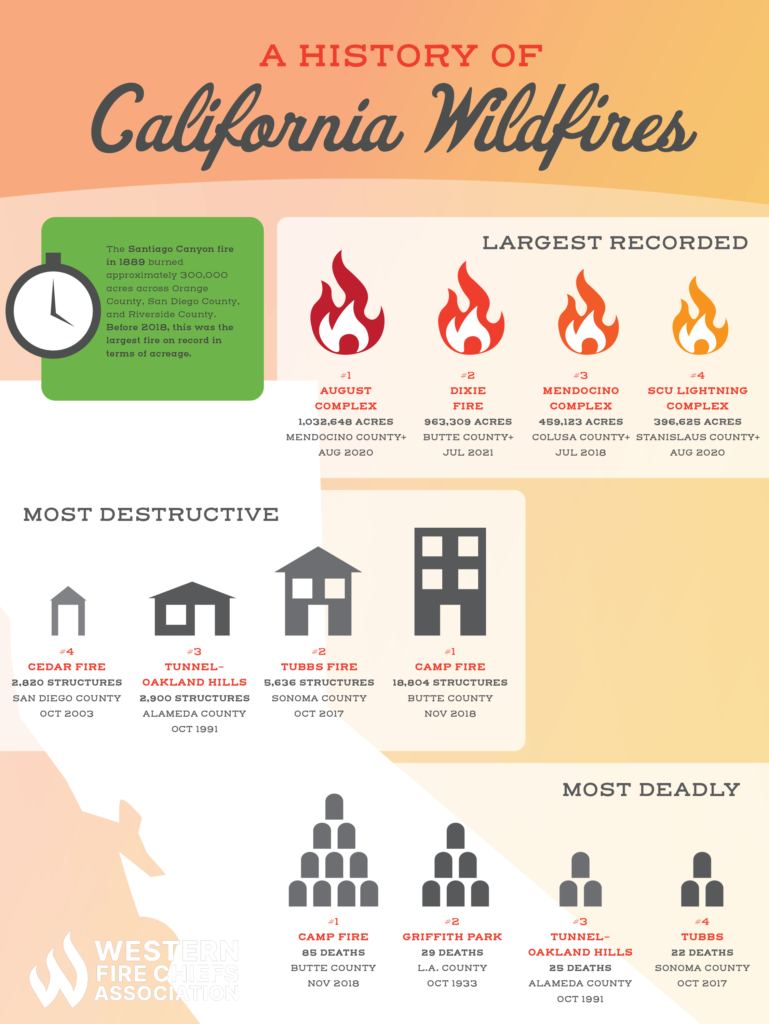
California, a land of unparalleled beauty, from its sun-drenched beaches to its majestic redwood forests and bustling cities, has long been a premier global travel destination. Its allure, however, is increasingly shadowed by the specter of wildfires, which have grown in frequency and intensity. These infernos don’t just consume forests; they disrupt lives, erase homes, and significantly alter the very fabric of the travel experience, impacting everything from pristine natural parks and luxury resorts to local cultural events and the air quality in major metropolitan areas like Los Angeles and San Francisco.
The Tangled Web of Causes: Unmasking the Culprits
Pinpointing a single “culprit” for all California fires is an oversimplification. The reality is a complex interplay of natural occurrences, negligent human actions, and a changing climate, each contributing to the state’s susceptibility. Understanding these diverse origins is the first step toward mitigation and responsible engagement with California’s landscapes.
Natural Ignition: The Unpredictable Spark
While human activity often dominates headlines, nature itself is a significant, albeit less frequent, initiator of wildfires. Lightning strikes, especially during “dry lightning” storms when thunder and lightning occur without accompanying rain, can ignite highly flammable dry vegetation. These natural starts are particularly challenging because they often occur in remote, inaccessible wilderness areas, making early detection and containment difficult. Areas within Yosemite National Park or Sequoia National Park, for instance, can experience lightning-induced fires that burn for weeks or months, managed primarily for ecological benefit unless they threaten communities or critical infrastructure. While less common, these natural ignitions serve as a reminder of the inherent volatility of California’s diverse ecosystems.
Human-Caused Catastrophes: A Spectrum of Responsibility
Over 85% of wildfires in the United States are human-caused, and California is no exception. This broad category encompasses a wide range of activities, from accidental mishaps to deliberate acts of arson, each carrying its own set of challenges for prevention and accountability.
One of the most publicized and contentious sources of ignition comes from utility equipment. Aging infrastructure, particularly power lines, can spark fires when lines are downed by strong winds, trees, or when equipment malfunctions. Major utility companies like Pacific Gas and Electric Company (PG&E), primarily serving Northern California, and Southern California Edison, covering much of the southern part of the state, have faced intense scrutiny and massive liabilities for fires attributed to their equipment. The Camp Fire in 2018, which devastated the town of Paradise and became California’s deadliest wildfire, was ignited by PG&E power lines. These incidents have spurred efforts for utility hardening, undergrounding power lines, and implementing public safety power shutoffs, though these measures often come with their own disruptions.
Beyond utilities, a myriad of everyday human activities contribute to fire starts. Campfires left unattended or improperly extinguished are a classic cause, especially in popular camping destinations that attract families and outdoor enthusiasts. Discarded cigarettes flicked from vehicle windows along scenic routes like Highway 1 through Big Sur can spark rapidly spreading roadside fires. Sparks from vehicle malfunctions, such as catalytic converters dragging on dry grass, or chains creating friction, are also significant. Agricultural equipment, construction tools, and even recreational fireworks can all be sources of accidental ignition.
Perhaps the most malicious, yet equally destructive, human cause is arson. Deliberately set fires, driven by various motives ranging from vandalism to revenge or mental health issues, pose a sinister challenge. While arsonists are often pursued and prosecuted, the damage they inflict can be catastrophic, leading to widespread destruction in areas like Napa Valley or Sonoma County, impacting the very essence of their famous Wine Country tourism.
Compounding these direct causes is the overarching issue of climate change. Higher temperatures, prolonged droughts, and earlier snowmelt lead to drier vegetation and longer fire seasons, creating a more volatile environment where any spark, natural or human, can escalate into an inferno with terrifying speed and intensity. This environmental shift means that even seemingly minor human errors now have far greater potential for catastrophic consequences.
The Devastating Ripple: How Wildfires Impact Travel & Tourism
The question of who starts these fires is deeply intertwined with their profound impact on California’s travel and tourism sector. From iconic natural landmarks to bustling urban attractions and the very infrastructure of accommodation, the shadow of wildfires looms large, necessitating adaptive strategies for travelers and industry stakeholders alike.
Scorched Earth: Landmarks and Natural Wonders Under Threat
California is renowned for its diverse natural beauty and iconic landmarks. Wildfires pose an existential threat to these treasures, transforming verdant forests into charred landscapes. National parks like Yosemite National Park and Sequoia National Park, vital for nature lovers and adventurers, have seen significant portions of their ecosystems, including ancient giant sequoias, damaged or destroyed. Famous stretches of coastline, such as Big Sur, known for its dramatic cliffs and scenic drives, have faced closures due to fires and subsequent mudslides, severing critical tourist routes and impacting coastal communities. The immediate danger to wildlife, the destruction of hiking trails, and the long-term ecological recovery efforts significantly alter the experience for visitors seeking immersive natural encounters. Beyond the immediate destruction, the smoke plumes from large fires can drift hundreds of miles, impacting air quality in major cities and obscuring the very vistas that draw tourists to places like the Hollywood Hills or the Golden Gate Bridge.
Empty Beds and Closed Doors: The Accommodation Crisis
The accommodation sector, from luxury resorts to budget-friendly Airbnb rentals and family-run motels, bears a substantial brunt of wildfire impacts. When fires threaten popular destinations, evacuations become necessary, leading to mass cancellations and significant financial losses. Hotels like The Ritz-Carlton, Laguna Niguel on the coast, or charming boutique inns in Napa Valley, can experience a complete shutdown of operations. This extends beyond the immediate fire zones; widespread smoke, fear, and advisory warnings can deter travelers from visiting even unaffected areas nearby.

The irony is that in some cases, hotels pivot to become vital havens, offering shelter to evacuees, first responders, and displaced residents. However, this shift in function often means a halt to regular tourist bookings and a change in operational focus. The cumulative effect of lost revenue, property damage, and the arduous process of rebuilding or recovering can lead to permanent closures, reducing accommodation options in affected regions for years to come.
Disrupted Experiences: From Wine Tasting to Coastal Drives
The unique experiences that define California tourism are particularly vulnerable. The renowned Wine Country of Napa Valley and Sonoma County, a magnet for epicureans and oenophiles, has repeatedly suffered from wildfires. Vineyards can be scorched, wineries damaged, and the very air tainted by smoke, affecting grape harvests and the overall sensory experience of wine tasting. Outdoor activities, a cornerstone of the California lifestyle, are severely curtailed. Surfing in Malibu might be affected by beach closures or poor air quality, while hiking in national forests becomes dangerous or impossible. Even urban tourism can suffer as poor air quality dissuades visitors from exploring outdoor attractions or dining al fresco. Local cultural events, festivals, and farmers’ markets, which rely on community gathering and pleasant conditions, are often canceled or postponed, stripping communities of vital economic and social activities.
Navigating the Flames: Safety, Prevention, and Responsible Travel
For both residents and visitors, adapting to California’s wildfire reality requires proactive measures, informed decision-making, and a commitment to responsible practices. The focus shifts from merely asking “who started it?” to understanding “how can we prevent it?” and “how can we safely navigate and support recovery?”
Essential Tips for Travelers in Fire-Prone Regions
Travelers planning a trip to California, especially during the hotter, drier months, must prioritize safety and flexibility. It is paramount to:
- Stay Informed: Regularly check official sources like Cal Fire for real-time fire alerts, containment updates, and evacuation orders. Follow local news outlets for specific regional information.
- Monitor Air Quality: Websites and apps like AirNow.gov provide critical air quality index (AQI) data. If air quality is unhealthy, minimize outdoor activities and consider wearing an N99 or N95 mask.
- Check Road Conditions: Wildfires often lead to road closures. Use resources from Caltrans or local authorities to verify routes before embarking on drives, especially scenic ones through rural or forested areas.
- Have an Evacuation Plan: If staying in a fire-prone area, understand local evacuation routes and be prepared to leave quickly if advised. Keep essential documents, medications, and a go-bag ready.
- Practice Fire Safety: If camping, always check fire restrictions. Ensure campfires are completely extinguished, never discard cigarettes outside a vehicle, and be mindful of sparks from vehicle exhaust or recreational equipment. Even small acts of carelessness can have devastating consequences.
- Book Flexible Accommodation: Opt for hotels or vacation rentals with generous cancellation policies, understanding that plans might need to change rapidly.
The Road to Recovery: Supporting Affected Communities
After the immediate danger passes, the long road to recovery begins. Travelers can play a crucial role in supporting these communities:
- Visit Responsibly: Once areas are declared safe and open, plan trips to these destinations. Your tourism dollars directly support local businesses, hotels, and restaurants that have often lost significant income.
- Support Local: Choose independently owned shops, eateries, and tour operators. This helps to re-energize the local economy and preserve the unique character of the community.
- Be Mindful of the Environment: Adhere to “Leave No Trace” principles. Stay on marked trails, respect damaged ecosystems, and avoid disturbing restoration efforts.
- Consider Volunteer Tourism: For those interested in a deeper engagement, organizations often coordinate volunteer efforts for rebuilding homes, restoring natural habitats, or supporting affected families.
By being informed, prepared, and conscious consumers, travelers can contribute positively to California’s resilience and recovery, ensuring that its natural beauty and vibrant culture remain accessible for future generations.
A Future Shaped by Fire: Adapting to California’s New Reality
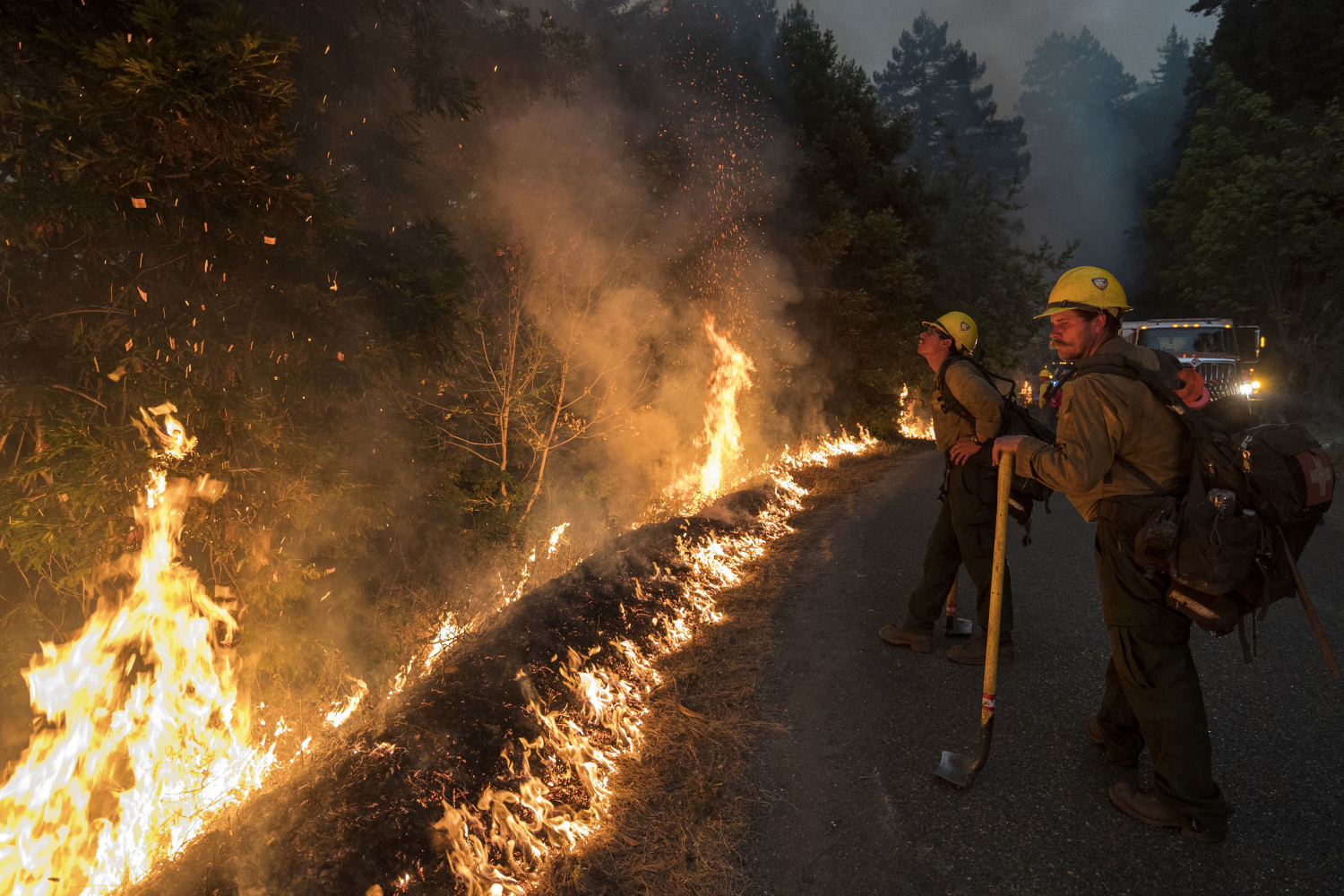
The increasing frequency and intensity of wildfires are undeniably shaping California’s future. The question “Who started California fires?” transcends individual incidents, becoming a broader inquiry into how a rapidly changing environment interacts with human presence. The state is not just reacting to fires but actively adapting, seeking innovative solutions, and striving for a more resilient future that balances conservation with the enduring appeal of tourism.
Resilience and Innovation in California Tourism
California’s tourism industry, alongside its state and local governments, is investing heavily in resilience and adaptation. This includes:
- Advanced Early Warning Systems: Implementing sophisticated sensor networks, AI-powered predictive models, and improved satellite monitoring to detect fires earlier and provide faster evacuation alerts.
- Fire-Resistant Infrastructure: Encouraging fire-resistant construction materials for homes, hotels, and businesses in high-risk areas. Many new developments and renovations now incorporate these standards.
- Sustainable Land Management: Adopting practices such as prescribed burns, managed grazing, and mechanical thinning to reduce fuel loads in forests and wildland-urban interfaces, making future fires less intense.
- Promoting Year-Round Tourism: Diversifying tourism away from peak fire season (typically late summer to fall) by highlighting winter sports, spring wildflowers, and urban attractions that are less susceptible to fire impacts.
- Educational Initiatives: Empowering both residents and visitors with knowledge about wildfire risks, prevention techniques, and emergency preparedness. Resorts and tour operators are increasingly incorporating fire safety briefings into their offerings.
Despite the challenges, California’s spirit of innovation and its commitment to protecting its natural and cultural heritage remain strong. Destinations are learning to co-exist with fire, transforming adversity into opportunities for sustainable practices and community strengthening. The focus is shifting from a reactive posture to a proactive stance, where prevention, preparedness, and rapid response are paramount.
The question of “Who started California fires?” ultimately reveals a multifaceted answer: nature’s unpredictable hand, human oversight, and the undeniable influence of a changing global climate. For travelers, understanding these complexities transforms a simple trip into an informed journey, fostering a deeper appreciation for California’s breathtaking beauty and the remarkable resilience of its people and places. Visiting California now entails a heightened awareness, but it also offers a unique chance to witness and support a state that, despite its fiery challenges, continues to enchant, inspire, and thrive.
LifeOutOfTheBox is a participant in the Amazon Services LLC Associates Program, an affiliate advertising program designed to provide a means for sites to earn advertising fees by advertising and linking to Amazon.com. Amazon, the Amazon logo, AmazonSupply, and the AmazonSupply logo are trademarks of Amazon.com, Inc. or its affiliates. As an Amazon Associate we earn affiliate commissions from qualifying purchases.