
Chicago, the vibrant heart of the American Midwest, beckons travelers with its stunning architecture, world-class museums, deep-dish pizza, and an infectious energy that pulses through its streets. From the shores of Lake Michigan to the towering skyscrapers that define its iconic skyline, the Windy City offers an unparalleled tapestry of experiences. However, for a significant number of travelers, the excitement of exploring a new destination can sometimes be tempered by an unexpected guest: environmental allergens. Whether it’s the seasonal ebb and flow of pollen, the presence of dust mites in accommodation, or specific food sensitivities, allergies can pose a challenge to an otherwise perfect trip.
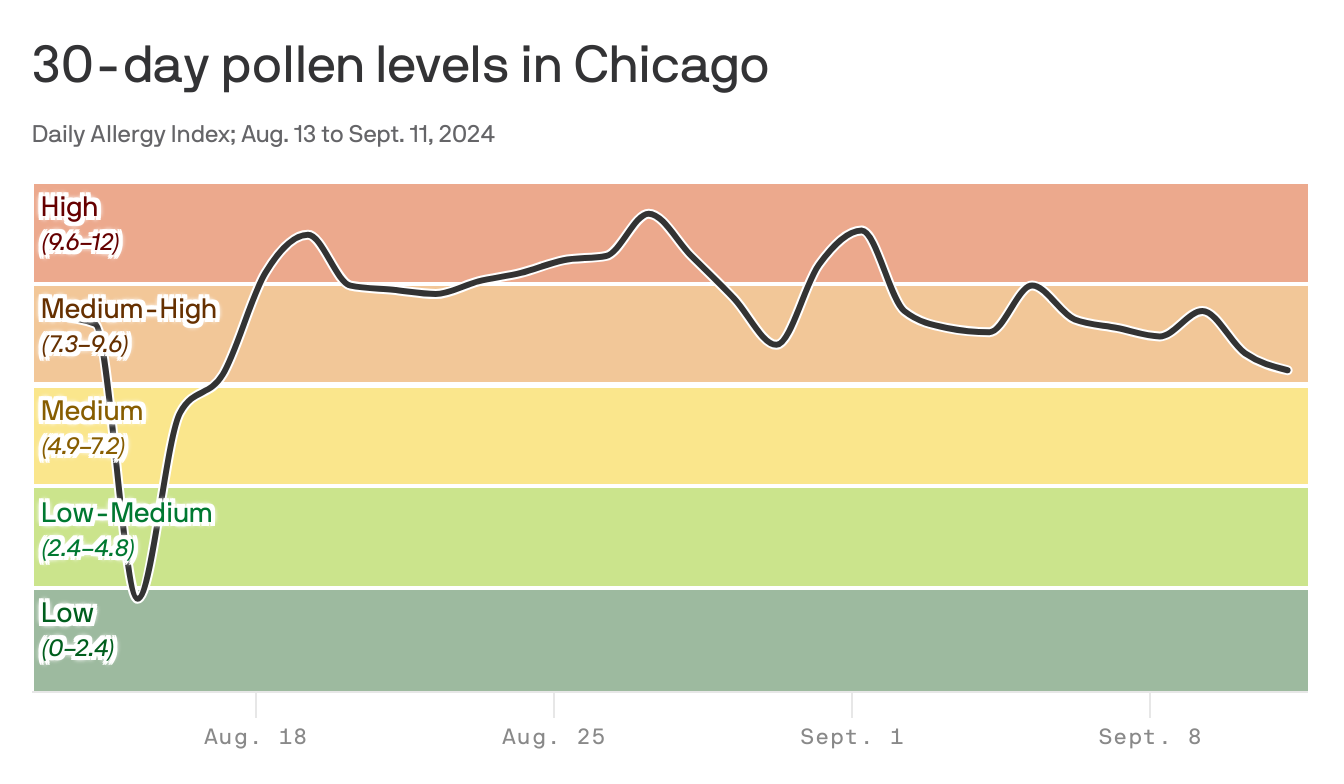
This comprehensive guide is designed to empower you, the discerning traveler, to navigate Chicago with confidence and comfort, ensuring that your experience is defined by discovery and delight, not discomfort. We’ll delve into understanding Chicago’s unique allergen landscape, offer strategies for planning an allergen-friendly itinerary, provide insights into selecting the best accommodation, and equip you with practical tips for managing your sensitivities on the go. Our aim is to transform potential obstacles into manageable details, allowing you to fully immerse yourself in the rich culture, history, and modern marvels that make Chicago an unforgettable travel destination. From luxury escapes to budget-conscious adventures, family trips to business stays, this guide will help you craft a seamless and truly enjoyable Chicago experience, free from the worries of unseen irritants.
Understanding Chicago’s Allergen Landscape: What Travelers Need to Know
When planning a trip to Chicago, understanding the local allergen environment is the first step toward a comfortable journey. Like any major metropolitan area with diverse green spaces and distinct seasons, Chicago experiences fluctuating allergen levels throughout the year. Knowing what to expect can help you prepare and choose the best time and activities for your visit.
Seasonal Allergen Profiles in the Windy City
Chicago’s climate dictates a predictable, yet sometimes intense, allergen cycle:
- Spring (March-May): This is prime time for tree pollen. As temperatures rise, trees like oak, birch, maple, and cedar release their pollen, creating high counts, especially on warm, breezy days. This can significantly impact visitors planning outdoor excursions to parks and botanical gardens during this beautiful season.
- Summer (June-August): The focus shifts to grass pollen. Ryegrass, Bermuda grass, and other common varieties thrive in Chicago’s summer heat and humidity. While tree pollen subsides, grass pollen can remain high well into July. Mold spores, which flourish in damp conditions, can also begin to rise during humid summer months, affecting both indoor and outdoor environments.
- Fall (August-November): Ragweed takes center stage as the most notorious fall allergen. Its pollen production peaks in late August and September, extending through October, often exacerbated by early morning dew and gusty winds. Other weed pollens, like pigweed and lamb’s quarters, also contribute to the allergen load. Additionally, outdoor mold spores tend to peak in late summer and fall as decaying leaves create ideal conditions for growth.
- Winter (December-February): While outdoor pollen counts are typically at their lowest due due to freezing temperatures, indoor allergens become more prevalent. Dust mites and pet dander (if staying in pet-friendly accommodations or visiting homes with pets) are primary concerns, especially in heated, less ventilated indoor environments. Mold can also be an issue in older buildings or those with moisture problems.
Understanding these seasonal patterns allows travelers to tailor their visit. If you have severe tree pollen allergies, a late summer or winter trip might be more comfortable. Conversely, if ragweed is your nemesis, consider a spring or early summer visit.
Urban vs. Green Spaces: Allergen Hotspots
Chicago’s blend of urban development and expansive green areas means allergen exposure can vary dramatically depending on your chosen activities.
- Green Spaces: Iconic landmarks like Millennium Park, home to the famous Cloud Gate (or “The Bean”) and beautiful gardens, and the vast expanse of Lincoln Park (which houses the Lincoln Park Zoo, conservatory, and numerous recreational facilities) are undoubtedly drawcards. However, these natural oases are also prime locations for pollen exposure, especially during peak seasons. Similarly, strolls along the Lakefront Trail bordering Lake Michigan, while invigorating, can expose you to grass and weed pollens. Travelers sensitive to airborne allergens might prefer to visit these areas on days with lower pollen forecasts, or limit their time outdoors during peak hours (often late morning to early afternoon).
- Urban Core: While the concrete jungle might seem safer, allergens still exist. Pollen can be carried by wind into the city center. Additionally, indoor allergens in public buildings, hotels, and transportation hubs can be a concern. However, many of Chicago’s premier attractions are indoors, offering a fantastic refuge.
Planning Your Allergen-Friendly Chicago Itinerary
Armed with knowledge of Chicago’s allergen profiles, you can now craft an itinerary that minimizes exposure while maximizing your enjoyment of the city’s myriad offerings. Thoughtful planning can transform a potentially challenging trip into a remarkably smooth experience.
Timing Your Visit: Best Seasons for Allergen Sufferers
The ideal time to visit Chicago for allergy sufferers largely depends on their specific triggers:
- Winter (December-February): Generally the best time for those sensitive to outdoor pollens. While cold, Chicago during winter offers festive lights, ice skating, and a unique, cozy ambiance. Indoor attractions are paramount, and snowfall often cleanses the air of particulate matter.
- Late Fall (Late October-November): After the ragweed season subsides and before deep winter sets in, late fall can offer a reprieve. The crisp air and beautiful autumn foliage, though diminishing, provide a different kind of charm, with outdoor allergens generally lower than in spring or summer.
- Early Spring (Early March): Before tree pollen truly kicks in, early spring can be a good window for those primarily bothered by grass and ragweed. However, this period can be unpredictable, with sudden warm spells triggering early pollen release.
For those whose allergies are primarily indoors (dust mites, pet dander), timing is less about the season and more about choosing the right accommodation, which we will discuss in detail.
Indoor Attractions and Activities to Explore
Chicago truly shines with its world-class indoor attractions, offering an abundance of allergen-friendly activities regardless of the season or daily pollen count. These venues provide not only shelter but also captivating experiences for all ages:
- Museums: Immerse yourself in culture at the Art Institute of Chicago, home to masterpieces spanning centuries and continents. Delve into natural history at the Field Museum, where Sue the T-Rex and countless artifacts await. Explore science and industry at the Museum of Science and Industry or journey through marine life at the Shedd Aquarium. These institutions often have advanced HVAC systems and cleaning protocols, making them generally safe havens from outdoor allergens.
- Performing Arts: Catch a captivating show with Broadway in Chicago, witness the acclaimed Chicago Symphony Orchestra, or enjoy a play at one of the city’s many historic theaters. The grandeur and acoustics of these venues offer an unforgettable cultural experience.
- Shopping and Dining: Indulge in retail therapy along the iconic Magnificent Mile, a stretch of Michigan Avenue renowned for its upscale boutiques and department stores. Afterward, explore Chicago’s legendary culinary scene. From Michelin-starred restaurants to cozy cafes and, of course, authentic deep-dish pizza joints, there are endless indoor dining options to satisfy every palate.
- Architectural Boat Tours (Weather Permitting): While largely outdoors, an architectural boat tour offers a unique perspective of Chicago’s famous buildings from the Chicago River. With the breeze off the water, pollen exposure might be lower than walking through parks. Many boats also have enclosed lower decks for comfort.
By prioritizing these indoor activities, you can build a robust itinerary that minimizes outdoor allergen exposure without compromising on the depth and breadth of your Chicago experience.
Navigating Accommodation: Choosing Allergen-Friendly Stays
One of the most critical aspects of an allergen-aware trip to Chicago is selecting the right accommodation. Your hotel or rental property can significantly impact your comfort and overall well-being. Thankfully, many Chicago hotels are increasingly aware of guest sensitivities and offer various options to ensure a healthy stay.
What to Look for in Hotels and Suites

When booking your stay, inquire about these specific features to ensure an allergen-friendly environment:
- Non-Smoking Rooms: This is a fundamental requirement. Even if you don’t smoke, residual smoke can be a severe irritant. Ensure your entire floor is designated non-smoking if possible.
- Hypoallergenic Bedding: Many hotels now offer pillows and duvets made from synthetic, allergy-friendly materials, or encasings for existing bedding to prevent dust mite exposure. Ask specifically for these options.
- HEPA Air Filters/Purifiers: Some upscale hotels provide in-room air purifiers or have advanced HVAC systems with HEPA filtration. This is a significant plus, especially for pollen or dust mite sufferers.
- Hardwood Floors vs. Carpeting: While not always an option, rooms with hardwood or tile floors tend to trap fewer allergens (dust, dander, pollen) than carpeted rooms. If you have severe dust mite allergies, this could be a deciding factor.
- Pet Policies: If pet dander is a trigger, ensure your chosen accommodation has strict no-pet policies, or at least designates specific pet-free floors or wings. Even “pet-friendly” hotels might have specific allergen-conscious rooms available upon request.
- Cleaning Protocols: Ask about the hotel’s cleaning practices. Some hotels use allergy-friendly cleaning products or have enhanced cleaning procedures for specific rooms.
- Room Location: Request a room away from air vents that might pull in outdoor air directly, or away from areas where dust tends to accumulate.
Always communicate your allergy concerns directly with the hotel staff when booking and again upon check-in. This ensures they are aware and can make necessary arrangements for your comfort.
Top Allergen-Conscious Hotels in Chicago
Chicago is home to a plethora of luxury and boutique hotels that are renowned for their exceptional service and attention to guest needs, which often includes catering to allergen sensitivities. While availability of specific features can vary, many high-end establishments are excellent choices:
- Park Hyatt Chicago: Known for its minimalist design and personalized service, the Park Hyatt Chicago on Michigan Avenue often offers state-of-the-art air filtration and responsive staff willing to accommodate specific requests for hypoallergenic bedding.
- The Peninsula Chicago: This five-star establishment is synonymous with luxury and meticulous attention to detail. Guests can expect high-quality air conditioning systems and a willingness to provide specialized bedding and cleaning services upon request, making it a strong contender for those seeking an allergen-aware experience.
- Four Seasons Hotel Chicago: Situated atop a luxury shopping mall, the Four Seasons brand is globally recognized for its commitment to guest comfort. Their Chicago property typically offers excellent air quality controls and can arrange for allergen-free room setups.
- Waldorf Astoria Chicago: Offering an elegant, residential feel, the Waldorf Astoria is known for its spacious rooms and personalized service. They often cater to specific health and wellness requests, including those related to allergies, ensuring a pristine environment.
- Boutique Hotels: Smaller, independently owned hotels in neighborhoods like River North or Gold Coast might offer more flexibility and a personal touch. While they may not have the same standardized allergen programs as larger chains, their willingness to customize your stay can be a significant advantage. Always inquire directly about their capabilities.
For those on a budget, researching chain hotels known for consistency (e.g., certain brands under Marriott or Hilton) and directly contacting the specific Chicago property about their allergen protocols is advisable. Online reviews sometimes mention guest experiences with allergy accommodations, which can be a useful resource.
Practical Tips for a Smooth, Allergen-Free Chicago Trip
Even with the best planning, managing allergies on the go requires a few practical strategies. These tips will help you maintain comfort and control, allowing you to fully enjoy every moment of your Chicago adventure.
Personal Preparedness and On-the-Go Management
Your personal toolkit is your first line of defense against unexpected allergen exposure:
- Pack Medications: Always carry an adequate supply of your prescribed allergy medications (antihistamines, nasal sprays, inhalers, EpiPen if necessary). Keep them easily accessible in your carry-on luggage.
- Wear a Mask: On high pollen days or in crowded indoor spaces (like public transport or busy museums), a high-quality N95 or KN95 mask can significantly reduce your inhalation of airborne allergens and irritants.
- Check Local Allergen Forecasts: Utilize smartphone apps or local weather websites that provide daily pollen and mold counts for Chicago. This allows you to adjust your outdoor activities accordingly.
- Stay Hydrated: Drinking plenty of water helps keep your nasal passages moist and can thin mucus, easing congestion.
- Shower and Change Clothes: After spending extended time outdoors on high pollen days, showering and changing into fresh clothes can help remove trapped allergens from your skin and hair, preventing them from spreading in your accommodation.
- Carry Hand Sanitizer: While not directly allergy-related, good hygiene prevents illness that can exacerbate allergy symptoms.
Dining Out with Dietary Sensitivities
Food allergies and sensitivities require careful consideration, and Chicago’s diverse culinary scene is generally well-equipped to handle special dietary needs.
- Research Restaurants in Advance: Many restaurants list their menus online, often indicating common allergens. Call ahead to discuss your specific needs with the staff or chef.
- Communicate Clearly: When ordering, explicitly state your allergies to your server. Use clear, concise language (e.g., “I have a severe peanut allergy” rather than “I can’t eat peanuts”).
- Carry Allergy Cards: Consider carrying pre-printed allergy cards in English (and possibly a simplified version for quick reference) that detail your allergies.
- Opt for Simpler Dishes: Dishes with fewer ingredients are often easier for the kitchen to modify and less likely to contain hidden allergens.
- Stick to Trusted Establishments: While exploring new cuisines is part of travel, if you have severe allergies, it might be safer to frequent restaurants known for their allergy-friendly practices. Many Chicago restaurants, especially in higher-end establishments and health-conscious eateries, are adept at accommodating dietary restrictions.
Beyond Allergens: Embracing Chicago Seamlessly
While managing allergens is a key component of comfortable travel for many, it’s essential to remember that these strategies are merely tools to enhance your overall Chicago experience. The goal is not to dwell on potential challenges but to embrace the city’s vibrant spirit with confidence and ease.
Experiencing Chicago’s Unique Vibe
Chicago offers an incredible spectrum of activities and atmospheres, ensuring that every traveler finds something to love. Don’t let allergy concerns overshadow the boundless opportunities for exploration and enjoyment:
- Architectural Marvels: Beyond the boat tours, take a guided walking tour (perhaps on a low-pollen day, or focus on interior lobbies of grand buildings) or simply gaze up at the incredible skyscrapers that define the skyline. Each building tells a story.
- Neighborhood Exploration: Venture beyond downtown to discover the unique character of neighborhoods like Wicker Park (boutiques, vintage shops), Pilsen (Mexican murals, vibrant arts scene), or Andersonville (Swedish heritage, independent businesses). These areas offer authentic local culture and culinary delights.
- Sports Enthusiast’s Dream: Catch a Cubs game at Wrigley Field (open air, so check pollen counts), see the Bulls or Blackhawks at the United Center (indoors), or root for the White Sox at Guaranteed Rate Field.
- Nightlife and Entertainment: From world-famous jazz and blues clubs to trendy rooftop bars with breathtaking views, Chicago’s nightlife caters to every taste. Most of these experiences are indoors, providing an allergen-controlled environment.
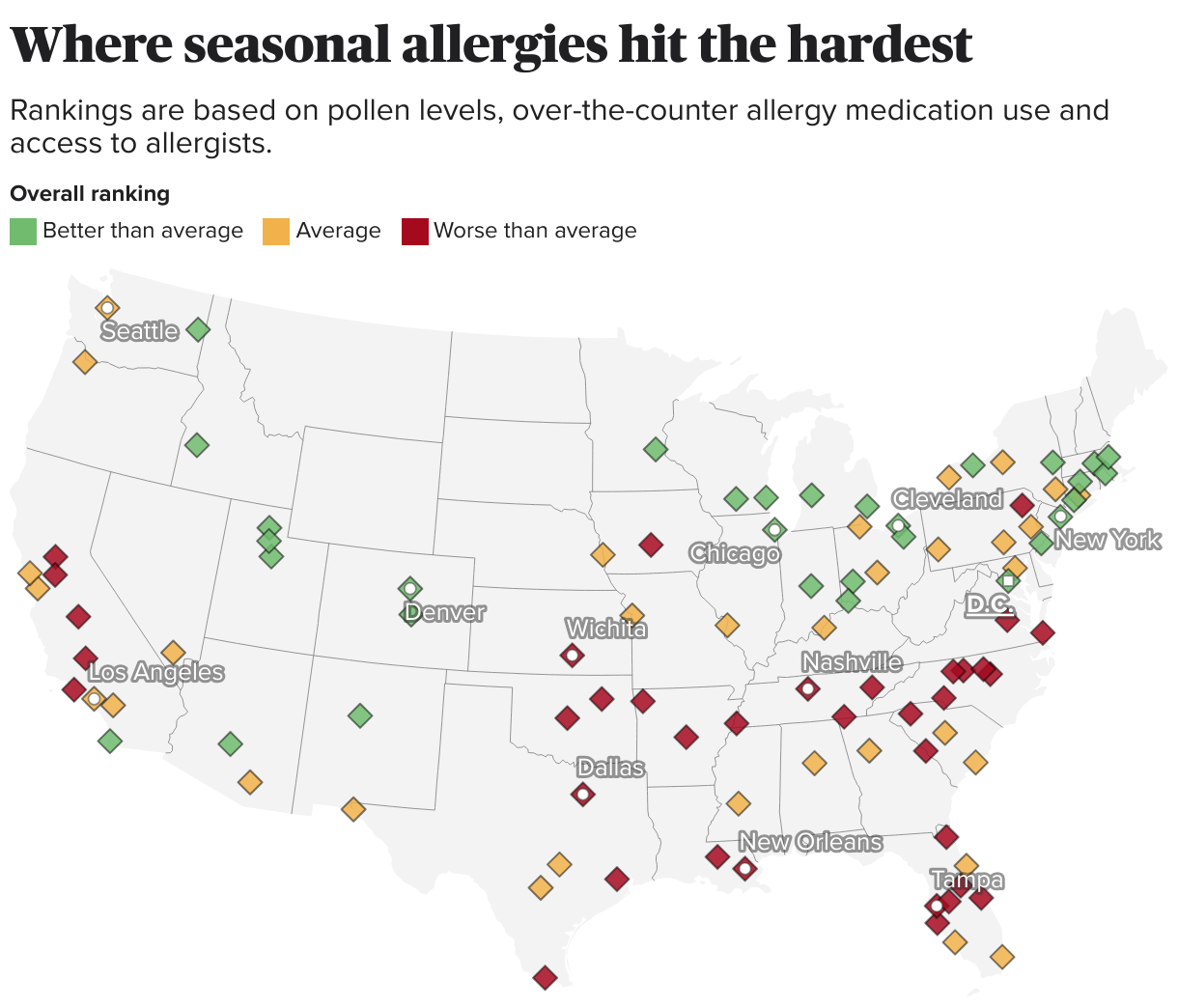
By proactively managing your allergies, you empower yourself to fully engage with Chicago’s dynamic energy and diverse offerings. Whether you’re seeking luxury travel, a budget-friendly adventure, a family trip, or a business stay, Chicago delivers, and with these strategies, you can enjoy it all without reservation.
Essential Resources for Travelers
To further aid your allergen-aware travel planning, consider these valuable resources:
- Local Chicago Tourism Websites: Official sites like Choose Chicago provide up-to-date information on attractions, events, and dining, helping you plan your itinerary.
- Weather and Allergen Tracking Apps: Apps such as AccuWeather, The Weather Channel, or specific allergy-tracking apps (e.g., Zyrtec AllergyCast, Pollen.com) offer real-time and forecasted allergen counts for the Chicago area.
- Travel Insurance: For those with severe allergies or medical conditions, comprehensive travel insurance that covers medical emergencies and trip interruptions can provide peace of mind.
- Hotel Guest Services: Do not hesitate to use the concierge and guest services at your chosen hotel. They are a wealth of local knowledge and can assist with everything from restaurant recommendations (with allergy notes) to transportation and local insights.
In conclusion, a trip to Chicago need not be a source of anxiety for allergy sufferers. With careful planning, informed choices, and a few practical tips, you can confidently explore this magnificent city. From its soaring skyscrapers to its culinary delights and vibrant cultural scene, Chicago promises an unforgettable journey. By understanding its allergen landscape and preparing accordingly, you are free to savor every moment, creating lasting memories of your seamless and sensational Windy City experience. Enjoy the adventure!
LifeOutOfTheBox is a participant in the Amazon Services LLC Associates Program, an affiliate advertising program designed to provide a means for sites to earn advertising fees by advertising and linking to Amazon.com. Amazon, the Amazon logo, AmazonSupply, and the AmazonSupply logo are trademarks of Amazon.com, Inc. or its affiliates. As an Amazon Associate we earn affiliate commissions from qualifying purchases.