
Chicago, the bustling metropolis nestled on the shores of Lake Michigan, is a captivating destination for millions of travelers each year. Whether you’re drawn by its iconic landmarks, world-class museums, diverse culinary scene, or vibrant arts and culture, planning a trip to the “Windy City” involves more than just booking flights and accommodation. A crucial, often overlooked, aspect of financial planning for any journey, especially within the United States, is understanding local taxes. For Chicago, this primarily involves navigating its sales tax structure, which can significantly impact your overall budget for shopping, dining, and even certain activities.
On a platform dedicated to travel, hotels, tourism, and lifestyle experiences, providing clear guides on financial considerations is paramount. A comprehensive understanding of Chicago’s sales tax empowers visitors, from budget travelers to those indulging in luxury experiences, to make informed decisions and avoid unwelcome surprises. Unlike some countries where sales tax is included in the advertised price, in the United States, it’s almost always added at the point of purchase. This guide aims to demystify Chicago’s sales tax, providing insights into its components, how it applies to various goods and services, and practical tips for incorporating it into your travel budget. By the end, you’ll be well-equipped to enjoy all that Chicago has to offer, without a single fiscal worry clouding your experience.
Unpacking Chicago’s Sales Tax: The Basics for Visitors
Navigating the tax landscape in the United States can be complex due to the multi-layered system of state, county, and city-level taxes. Chicago, as a major city in Illinois, exemplifies this complexity. The sales tax rate you pay in Chicago is not a single, flat figure but rather a combination of several different levies. Understanding these components is the first step to accurately predicting your costs.
The Combined Sales Tax Rate
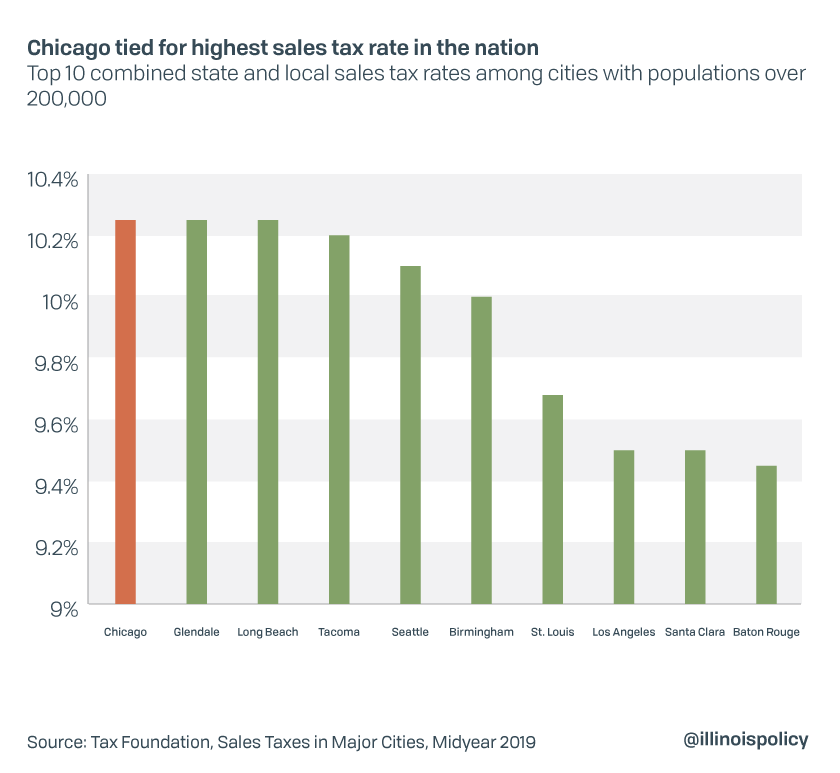
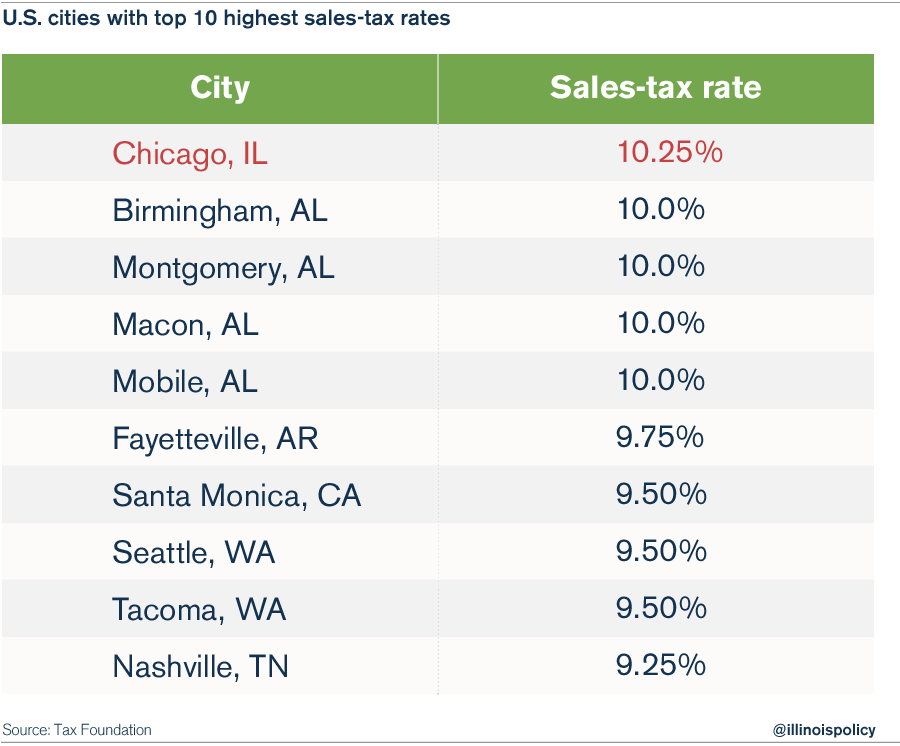
The sales tax rate in Chicago for general merchandise is one of the highest in the United States, a significant factor for any traveler or tourist to consider. This combined rate is composed of:
- Illinois State Sales Tax: The foundational layer, set by the state government.
- Cook County Sales Tax: An additional tax imposed by the county in which Chicago is located.
- Chicago City Sales Tax: A further tax levied by the municipal government.
- Regional Transportation Authority (RTA) Sales Tax: This special district tax helps fund public transportation services in the metropolitan area, including the CTA (Chicago Transit Authority).
As of the latest figures, the cumulative sales tax rate for most retail purchases in Chicago stands at 10.25%. This means that for every $100 you spend on taxable goods, you’ll pay an additional $10.25 in sales tax. This rate applies to a wide range of items, from souvenirs purchased near Navy Pier to clothing bought along Michigan Avenue or the Magnificent Mile, and electronics from stores on State Street.
It’s important to note that while 10.25% is the general merchandise rate, certain categories of goods may be taxed differently. For example, qualifying groceries (unprepared food for home consumption) and prescription drugs are often taxed at a significantly lower rate or are entirely exempt. However, prepared foods and beverages consumed on-premises at restaurants or takeout are subject to the full general merchandise sales tax rate, along with potential additional taxes.
How Sales Tax Differs from Hotel Tax and Other Fees
A common point of confusion for travelers is distinguishing sales tax from other charges that appear on their bills, especially when it comes to accommodation and tourism services. In Chicago, the sales tax rate of 10.25% applies primarily to goods. Services generally are not subject to sales tax, with some specific exceptions.
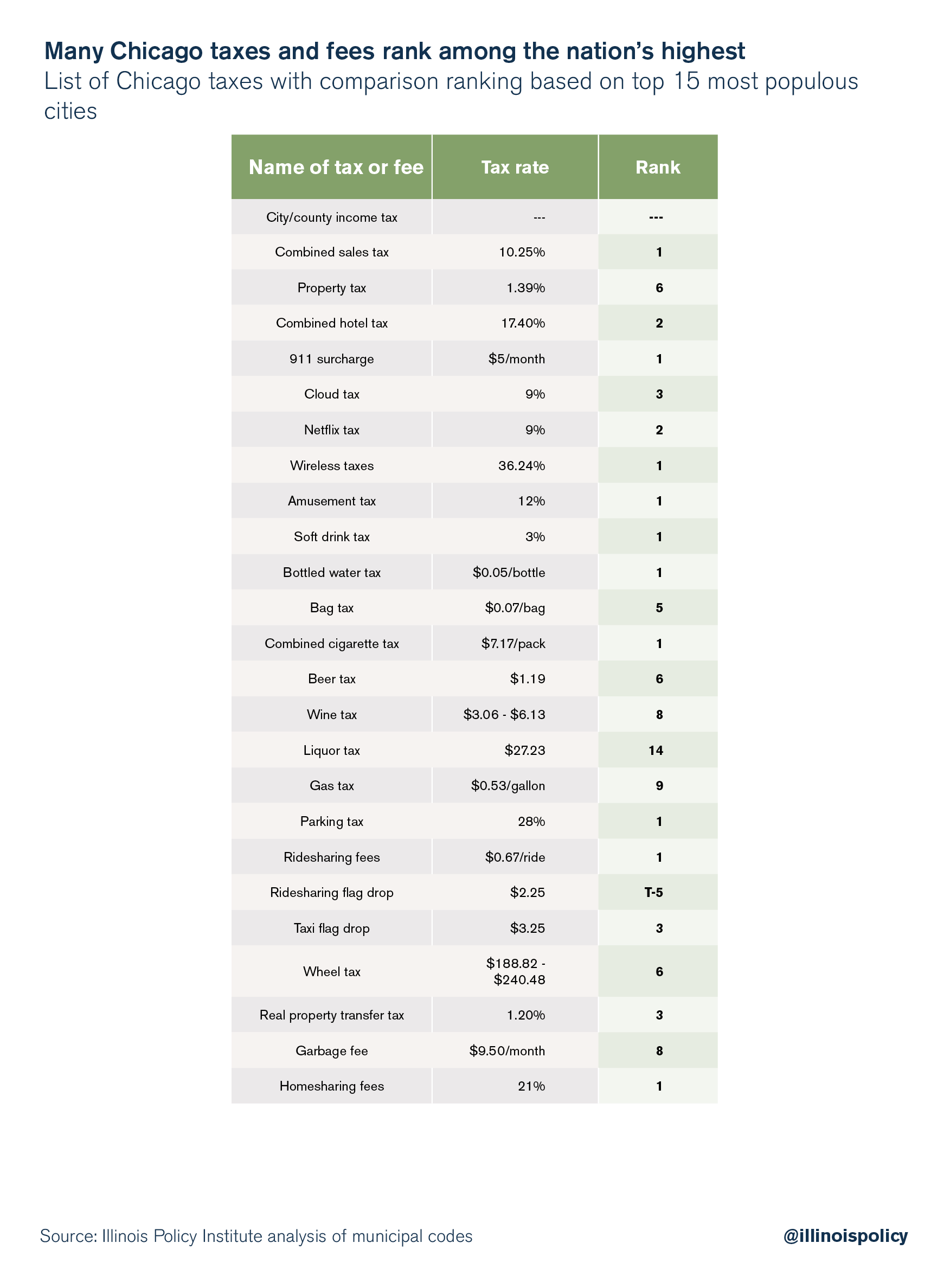
One of the most significant additional taxes you’ll encounter is the Hotel Occupancy Tax, sometimes referred to as a lodging tax or transient occupancy tax. This tax is levied specifically on the cost of your room when you stay at hotels, resorts, apartments, or other forms of temporary accommodation like Airbnb or VRBO rentals. In Chicago, this combined hotel tax rate is substantial, often totaling around 17.4% (this figure combines state, county, and city hotel taxes, plus potential other fees). This means that for every $100 you spend on a hotel room at establishments like The Palmer House Hilton or Hyatt Regency Chicago, an additional $17.40 or more will be added to your bill. This specific tax is not a sales tax; it’s a separate levy aimed at visitors utilizing lodging services.
Beyond the standard sales tax and hotel tax, travelers might also encounter:
- Tourism Surcharges: Small fees sometimes added to specific services or tickets to support local tourism initiatives.
- Resort Fees: Common in some hotels, these are mandatory daily charges for amenities like Wi-Fi, fitness center access, or bottled water. These are usually not subject to sales tax but are added as a separate line item.
- Service Charges: Particularly in restaurants for large groups or certain venues, these are distinct from tips and may or may not be subject to sales tax depending on local regulations.
Being aware of these distinctions is critical for accurate budgeting. When you’re looking at advertised prices for a hotel room on Expedia or Booking.com, always click through to see the “total price” which typically includes all applicable taxes and fees. Ignoring these additional charges can lead to significant overspending, especially on longer stays or when booking more expensive suites or villas.
Sales Tax and Your Chicago Travel Budget: Key Considerations
For any traveler or tourist visiting Chicago, the sales tax rate is a constant, albeit sometimes subtle, factor impacting almost every financial decision. From souvenir hunting to enjoying Chicago’s world-renowned food scene, understanding where and how this tax applies is key to effective budget management and a stress-free experience.
Shopping and Retail Experiences
Chicago is a shopper’s paradise, offering everything from high-end boutiques on the Magnificent Mile (North Michigan Avenue) to unique independent stores in neighborhoods like Wicker Park and Lincoln Park. Whether you’re purchasing clothing, electronics, books, or souvenirs, the 10.25% sales tax will be added to the sticker price.
This means a $100 sweater will cost you $110.25, and a $50 souvenir will come out to $55.13. While seemingly small on individual items, these additions can quickly accumulate over a trip, especially if shopping is a primary activity. For those on a budget travel plan, factoring in this percentage is critical. Even for luxury travelers, it’s a significant figure that can impact discretionary spending. When planning a shopping spree or looking for gifts, always assume the final price will be about 10% higher than the displayed tag. This small mental adjustment can prevent sticker shock at the register and help you stay within your allocated funds.
Dining Out: Restaurants, Cafes, and Food Tours
Chicago’s culinary scene is legendary, ranging from deep-dish pizza joints to Michelin-starred restaurants in areas like River North and the Gold Coast. When you dine out, the sales tax rules are a bit nuanced. Prepared food and beverages, whether consumed at a sit-down restaurant, a casual cafe, or bought for takeout, are generally subject to the full 10.25% sales tax rate. This includes your morning coffee, a hot dog from a street vendor, and a gourmet dinner.
However, if you purchase unprepared groceries from a supermarket for consumption in your apartment rental or extended stay hotel, the sales tax rate is significantly lower (typically 1%, though this can vary slightly by location for specific items) or even exempt for certain staples. This distinction can be a considerable cost-saver for travelers looking to manage food expenses. Opting for a few meals prepared in your accommodations or packing picnic lunches for days exploring Millennium Park or Lincoln Park Zoo can help offset the tax burden from dining out.
Remember, dining bills also typically involve tipping, which is a separate financial consideration. While sales tax is added by the establishment, a tip (usually 15-20% of the pre-tax bill) is customary for good service at sit-down restaurants and bars. Factor both the sales tax and the tip into your dining budget.
Attractions, Entertainment, and Activities
When it comes to Chicago’s myriad attractions, entertainment, and activities, the application of sales tax can be inconsistent. Generally, tickets for services or entrance fees to museums (like the Art Institute of Chicago, Field Museum, Shedd Aquarium, or Adler Planetarium), theaters (Broadway in Chicago), or architectural boat tours on the Chicago Riverwalk are often exempt from sales tax because they are considered services. However, this is not always universally true, and some venues may have specific rules or include other fees.
What is almost always subject to sales tax are any goods purchased at these venues. This includes souvenirs from gift shops, food and drinks from concessions, or merchandise bought at sporting events at Wrigleyville or the United Center. If you’re planning to buy a t-shirt or a snack while enjoying a show or visiting a landmark like the Willis Tower Skydeck, remember to add the 10.25% sales tax to the advertised price. For those attending music festivals or large events in Grant Park or Millennium Park, concession stand purchases will also incur this tax. Always confirm with the venue or check their website if you’re unsure about specific tax applications for ticketed events.
Practical Tips for Navigating Chicago’s Tax Landscape
Understanding the structure of Chicago’s sales tax is just the beginning. The next step is to integrate this knowledge into your practical travel planning and spending habits to ensure a smooth and budget-friendly trip.
Budgeting for Your Trip
Effective budgeting is the cornerstone of any successful trip, and this holds particularly true in a city like Chicago with its relatively high tax rates.
- Factor in Sales Tax Early: When you create your initial trip budget, don’t just allocate funds for the advertised price of goods and meals. Add an additional 10-15% buffer to your spending categories for shopping and dining to account for sales tax. For example, if you plan to spend $500 on meals and $300 on souvenirs, mentally add about $50-$75 to the food budget and $30-$45 to the shopping budget.
- Don’t Forget Hotel Tax: As discussed, hotel occupancy tax is a separate but significant cost. When researching hotels, always look for the “total price” that includes all taxes and fees before making a booking. A $200/night room could easily become $235-$240 once taxes and potential resort fees are added. This is especially relevant for longer stays or when considering luxury hotels like the Four Seasons Hotel Chicago.
- Utilize Budgeting Tools: There are numerous travel budgeting apps and spreadsheet templates available that can help you track your expenses in real-time. Inputting your estimated tax rates can give you a clearer picture of your spending as you go.
Savvy Spending and Saving Strategies
While you can’t avoid taxes, you can implement strategies to mitigate their impact on your wallet and enhance your overall lifestyle during your visit.
- Embrace Grocery Stores: For budget travelers or those with accommodation offering kitchenettes, buying groceries (unprepared food) is a fantastic way to save. The lower (or exempt) tax rate on these items, combined with the cost savings of cooking for yourself, can significantly reduce your food expenses.
- Look for Bundled Deals: Some tourism guides or attraction passes (like CityPASS) may offer discounted entry to multiple attractions. While the tickets themselves might be exempt from sales tax, the overall savings can make a difference, allowing you more wiggle room for taxable purchases.
- Happy Hours and Lunch Specials: Many of Chicago’s restaurants and bars offer happy hour deals or lunch specials that provide better value for your money. While sales tax will still apply, paying less for the base items means paying less in tax. This is a smart way to experience Chicago’s vibrant food scene without breaking the bank.
Understanding Receipts and Transparency
Always review your receipts carefully. Reputable businesses in Chicago will itemize sales tax separately from the cost of goods.
- Check for Itemization: Your receipt should clearly show the subtotal, the sales tax amount, and the grand total. This transparency helps you verify that you’re being charged correctly and understand exactly what you’re paying for.
- Query Discrepancies: If you notice an unusually high tax rate or unclear charges, don’t hesitate to politely ask the cashier or manager for clarification. Most businesses are happy to explain the breakdown of costs.
- Keep Records: For business stays or for personal record-keeping, retaining receipts can be valuable for tracking expenses or for any potential tax deductions if applicable (though unlikely for general tourism).
Beyond Sales Tax: Other Financial Considerations for Your Chicago Stay
While sales tax is a significant component of travel budgeting in Chicago, it’s part of a larger financial picture. A holistic understanding of all potential costs will ensure your trip is both enjoyable and financially sound, aligning with the comprehensive guides and experiences offered on a platform dedicated to travel and lifestyle.
Accommodation Taxes and Fees
Reiterating the importance of hotel occupancy taxes is crucial. Chicago has one of the highest combined lodging tax rates in the United States, often exceeding 17%. This applies to all forms of temporary accommodation, whether you choose a luxurious suite in a downtown hotel like the Hyatt Regency Chicago, a charming apartment through Airbnb, or a stay at a resort. Always confirm the total price, including all taxes and fees, before clicking “book.” Websites like Expedia or Booking.com will usually display this if you proceed to the final booking stage. This transparency is vital for managing your accommodation budget.
Transportation Costs and Fees
Getting around Chicago involves its own set of costs. While public transportation fares on the CTA (trains and buses) typically don’t include sales tax on the fare itself, purchasing a Ventra card (a reloadable fare card) or specific passes involves an initial purchase price which might have a sales tax component.
- Ride-Sharing and Taxis: Services like Uber and Lyft, and traditional taxi rides, often include surcharges or dynamic pricing that can fluctuate. While these are not sales tax, they add to your overall transportation expenses.
- Rental Cars: If you opt for a rental car, be prepared for additional taxes and fees beyond the daily rate. These can include state rental car taxes, airport fees (especially if picking up from O’Hare International Airport or Midway International Airport), and various surcharges. Always get a detailed quote that includes all taxes and fees from the rental company.
Tipping Culture in Chicago
While not a tax, tipping is a significant and expected part of financial etiquette in the United States, including Chicago. It’s crucial for travelers to factor this into their budget, as it can add 15-20% to the cost of services.
- Restaurants and Bars: It is customary to tip your server or bartender 15-20% of the pre-tax bill for good service.
- Taxi and Ride-Share Drivers: A tip of 15-20% is also appreciated.
- Hotel Staff: Consider tipping bellhops ($1-$2 per bag), housekeepers ($2-$5 per night), and concierge staff for helpful services.
- Tour Guides: A tip for tour guides is also customary, typically 10-20% of the tour cost or a set amount per person.
Ignoring tipping culture can lead to an incomplete budget and potentially awkward social situations. Integrating these expected costs into your lifestyle planning ensures a smoother and more respectful experience during your visit to Chicago.
In conclusion, while the question “What Is The Sales Tax For Chicago?” might seem straightforward, the answer reveals a multi-faceted system that significantly influences the total cost of your trip. The combined 10.25% sales tax on most goods and prepared foods, coupled with Chicago’s high hotel occupancy tax (around 17.4%), necessitates careful budgeting and planning.
From shopping for souvenirs along State Street to enjoying Chicago’s world-class dining, and from booking your accommodation to exploring iconic landmarks like Buckingham Fountain, every financial decision is touched by these taxes. By understanding these rates, differentiating between sales tax and other fees, and implementing savvy spending strategies, you can confidently navigate Chicago’s financial landscape. This proactive approach ensures that your focus remains on immersing yourself in the rich culture, breathtaking architecture, and unforgettable experiences that make Chicago a truly magnificent travel destination. Happy travels!
LifeOutOfTheBox is a participant in the Amazon Services LLC Associates Program, an affiliate advertising program designed to provide a means for sites to earn advertising fees by advertising and linking to Amazon.com. Amazon, the Amazon logo, AmazonSupply, and the AmazonSupply logo are trademarks of Amazon.com, Inc. or its affiliates. As an Amazon Associate we earn affiliate commissions from qualifying purchases.