
The allure of the New York Times is undeniable. It’s a global beacon of in-depth journalism, offering a wealth of information on everything from breaking world events to the intricacies of travel and lifestyle. For those with a passion for exploration, a keen interest in culture, and a desire to stay informed, the prospect of accessing its premium content freely is incredibly appealing. While the New York Times operates on a subscription model, and for good reason – the quality of their reporting is a testament to the resources required – there are indeed legitimate and ethical ways to enjoy a significant portion of their valuable content without a paid subscription. This guide will explore these avenues, focusing on how you can leverage available resources and strategies to access the New York Times for your travel planning, cultural enrichment, and lifestyle inspiration.
The New York Times website is a treasure trove for anyone planning their next adventure or simply dreaming of faraway lands. Within its digital pages, you’ll find extensive sections dedicated to Travel, featuring insightful destination guides, compelling attraction highlights, and experiential narratives that paint vivid pictures of places around the globe. Whether you’re yearning for the bustling streets of Tokyo, the historical grandeur of Rome, or the serene landscapes of the Canadian Rockies, the New York Times travel section often provides detailed itineraries, local tips, and recommendations for unique experiences.
Beyond destinations, the Hotels section delves into the nuances of accommodation, from opulent suites in five-star resorts to charming apartments and private villas. It explores amenities, service standards, and the overall experience of staying in different types of lodging. This granular detail is invaluable when discerning the perfect place to rest your head, whether you’re seeking a luxurious escape or a budget-friendly haven. The content here goes beyond simple listings, often featuring reviews and comparative analyses that empower travelers to make informed booking decisions.
The Tourism umbrella covers a broad spectrum of what makes a place worth visiting. You’ll find articles on local culture, exploring traditions, festivals, and the authentic pulse of a community. The culinary scene is often a focal point, with restaurant reviews and guides to local delicacies, allowing you to savor the flavors of your chosen destination. Practical tips for navigating local customs, transportation, and etiquette are also frequently provided, ensuring a smoother and more immersive travel experience.
When it comes to Accommodation, the New York Times offers a wealth of advice and analysis. This includes guidance on booking strategies, understanding booking platforms, and deciphering guest reviews to find reliable options. For those considering longer stays, whether for remote work or extended vacations, their content can also shed light on suitable options and considerations.
The Landmarks section is a particular draw for history buffs and sightseers alike. It brings to life famous places, architectural marvels, and the natural wonders that define our world. Imagine reading about the history and significance of the Eiffel Tower, the breathtaking scale of the Grand Canyon, or the ancient artistry of Machu Picchu. The articles often blend historical context with practical visitor information, offering a deeper appreciation for these iconic sites.
Finally, the Lifestyle section transcends specific travel types, offering perspectives on Luxury Travel, tips for Budget Travel, advice for Family Trips, and insights into Business Stays. This comprehensive approach ensures that readers can tailor their travel experiences to their individual needs and preferences, making the New York Times a holistic resource for all kinds of journeys.
Now, let’s delve into the practical strategies for accessing this rich content without a direct subscription.
Leveraging Public and Institutional Access
One of the most effective and legitimate ways to access content behind a paywall, including that of the New York Times, is through public and institutional resources. Libraries, in particular, are often key partners with major news organizations, providing their patrons with free digital access.
Public Libraries and Digital Resources

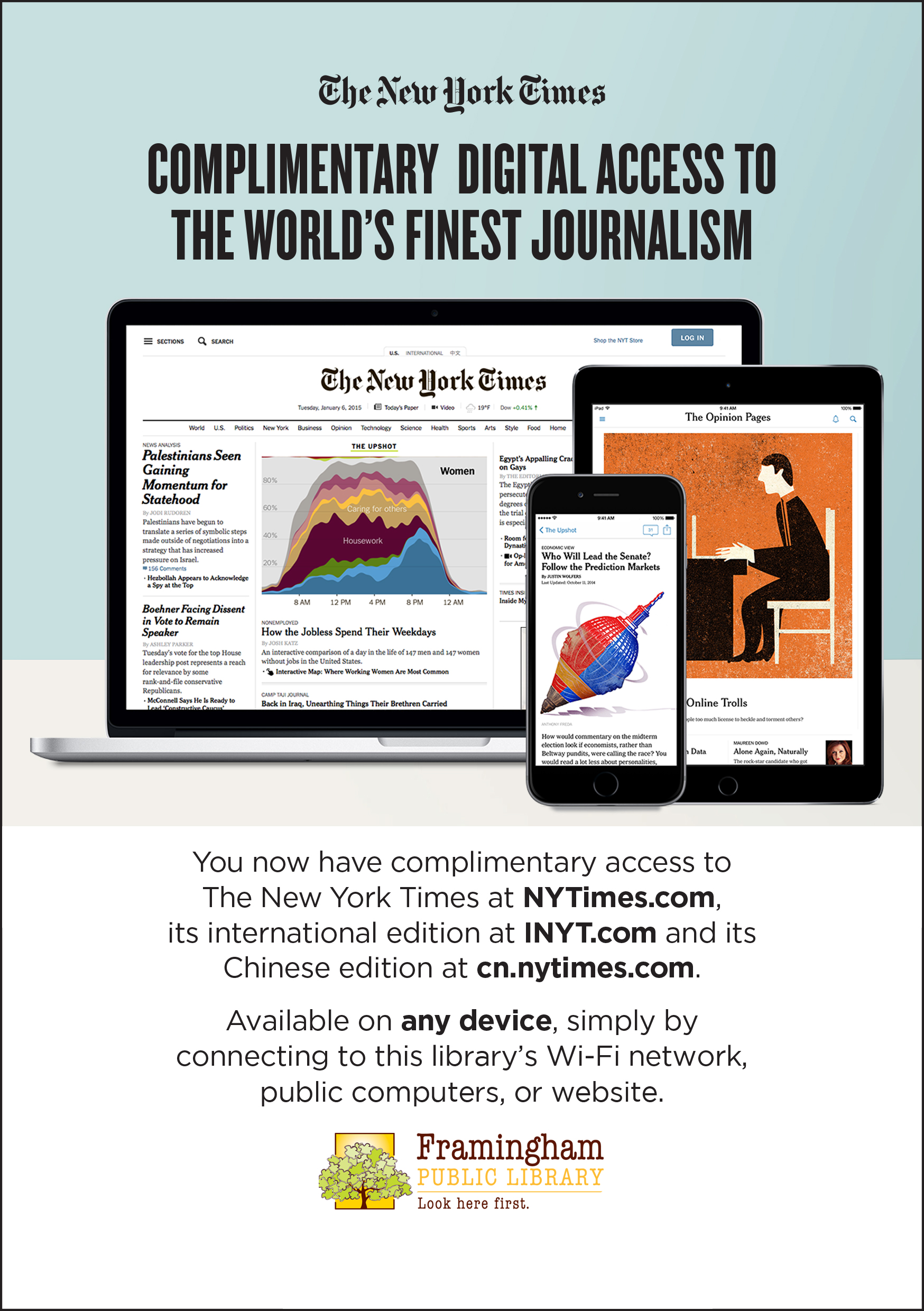
Many public library systems across the United States and even internationally offer access to the New York Times digital archive and current articles. This access is usually provided through the library’s website or a dedicated portal. To take advantage of this, you’ll typically need a library card from your local branch. Once you have your card, you can often log in using your library credentials to gain unlimited or a set number of free article views per month. The specific procedures vary by library system, so it’s advisable to check your local library’s website for details on their digital offerings and how to access them. This method is not only free but also supports a vital community institution. You might find articles on a specific destination, like planning a trip to Paris, or in-depth features on the history of a landmark, such as the Colosseum, all readily available.
University and Academic Libraries
If you are affiliated with a university or college, whether as a student, faculty member, or staff, you likely have access to extensive digital resources, including the New York Times. Academic libraries often subscribe to a wide array of databases and publications, and the New York Times is a common inclusion. Access is typically granted through the university’s network or by logging in with your student/faculty ID. This is an excellent resource for in-depth research, especially for topics related to the history of certain travel destinations or the cultural impact of specific landmarks. For instance, a student researching the architectural evolution of New York City could find invaluable material within the New York Times archives accessible through their university.
Utilizing Free Article Limits and Promotions
While the New York Times has a metered paywall, meaning you can read a certain number of articles for free each month, there are also other strategies involving promotions and alternative access points.
Understanding the Metered Paywall
The New York Times typically allows a set number of free articles per calendar month for unregistered users, and a higher number for registered users. While this number can change, it’s often around 5-10 articles for unregistered visitors and potentially more for those who create a free account. By carefully managing which articles you choose to read, you can still access a good amount of content. For example, if you are planning a trip to Italy, you could use your free article allowance to read about different regions, hotel recommendations in Florence, and tips for visiting the Vatican City. Once you hit your limit, you might need to wait until the next month or explore other methods.
Exploring Promotional Offers and Bundles
The New York Times frequently runs promotional offers, especially for new subscribers. While these may eventually lead to a paid subscription, they can offer a period of unlimited access at a significantly reduced cost or even for free. Keep an eye out for special deals around holidays or specific events. Furthermore, sometimes the New York Times partners with other services or travel companies, and these bundles might include a trial subscription. While not strictly “free” indefinitely, these promotions can provide extended access to premium content for research and planning purposes. For instance, a deal associated with a popular travel booking site might offer a few months of New York Times access, allowing you to explore articles on various destinations like Thailand or investigate luxury resorts in the Maldives.

Social Media and Newsletter Sharing
Occasionally, the New York Times will make certain articles freely available to everyone, often those of broad public interest or investigative pieces. These are sometimes shared through their social media channels or highlighted in their email newsletters. Signing up for their newsletters can be a great way to stay informed about breaking news and to discover which articles are currently open to all readers. Following the New York Times on platforms like Twitter or Facebook can also lead to discovering freely accessible content. For example, a well-researched travel guide to a city like Vancouver might be promoted and made accessible to a wider audience for a limited time.
By employing these strategies, you can significantly expand your access to the insightful and inspiring content offered by the New York Times, enriching your understanding of travel, culture, and the world around you, all without incurring subscription fees.
LifeOutOfTheBox is a participant in the Amazon Services LLC Associates Program, an affiliate advertising program designed to provide a means for sites to earn advertising fees by advertising and linking to Amazon.com. Amazon, the Amazon logo, AmazonSupply, and the AmazonSupply logo are trademarks of Amazon.com, Inc. or its affiliates. As an Amazon Associate we earn affiliate commissions from qualifying purchases.