
The mere thought of a monumental sculpture, a beloved city landmark, melting under the sun’s relentless gaze might sound like a scene from a fantastical film. Yet, the question, “Did the Chicago Bean melt?”, periodically surfaces, especially during sweltering summer heatwaves that occasionally grip the United States Midwest. This quirky query points to the public’s fascination with and sometimes misunderstanding of iconic artworks, particularly those that interact dynamically with their environment. Rest assured, Cloud Gate, affectionately known worldwide as “The Bean,” remains as robust and reflective as ever, a testament to its brilliant design and enduring materials. This article delves into the captivating story of The Bean, debunks the “melting” myth, and guides you on how to experience Chicago’s marvels, ensuring your travels are as cool and collected as the sculpture itself.
The Enduring Allure of Cloud Gate: Chicago’s Mirrored Masterpiece
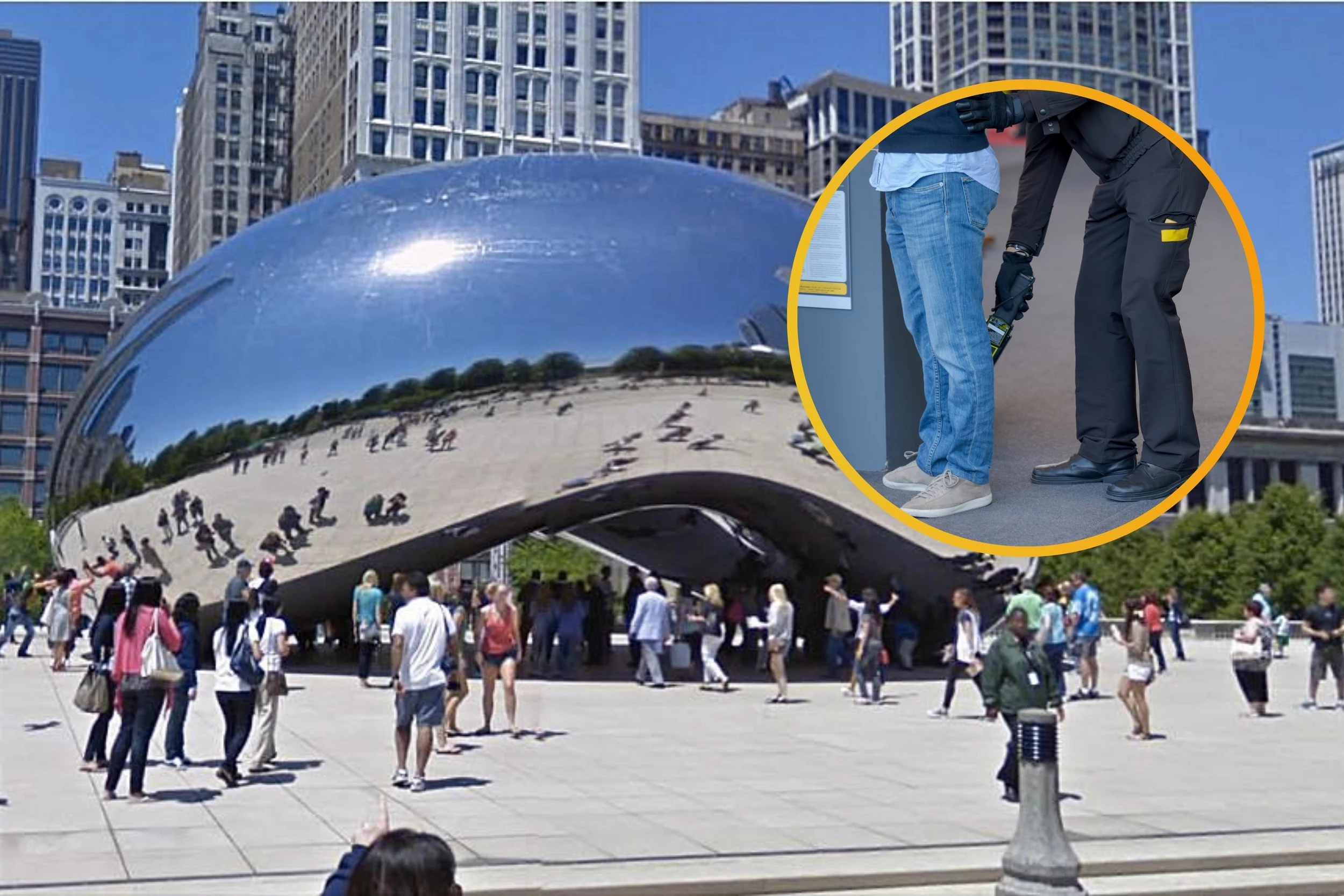
At the heart of Millennium Park in downtown Chicago, a glistening, seamless sculpture commands attention, reflecting the city’s magnificent skyline, the ever-changing sky, and the faces of countless visitors. This is Cloud Gate, one of the most recognizable and beloved pieces of public art in the world. Its unique form and reflective surface make it a constant source of wonder and an undeniable draw for anyone exploring the vibrant culture and architectural grandeur of Illinois‘s largest city.
An Icon of Modern Urban Art
Cloud Gate was conceived by the internationally renowned British artist Anish Kapoor and unveiled in 2004. Standing at 33 feet high, 42 feet wide, and 66 feet long, it weighs approximately 110 tons. What makes Cloud Gate truly remarkable is its construction: 168 highly polished stainless steel plates welded together to create a single, seamless surface. This meticulous engineering not only gives the sculpture its distinctive, mercury-like appearance but also ensures its incredible durability.
Kapoor’s vision for Cloud Gate was to create a sculpture that blurs the lines between art and viewer, object and environment. Its convex and concave surfaces distort reflections, transforming passersby and the urban landscape into a constantly shifting, ethereal tableau. From certain angles, the city appears upside down, while from others, you become an elongated, fluid reflection. This interactive quality is what truly elevates Cloud Gate from a mere object to an experience, making it a pivotal landmark for both art enthusiasts and casual tourists alike. It’s a place where you can literally see yourself in the art, creating a unique and personal connection with the city and the artwork itself. The sculpture invites interaction, encouraging visitors to walk around it, beneath its central arch, and photograph its myriad reflections, making it one of the most photographed pieces of public art globally.
Where to Find Chicago’s Reflective Masterpiece
Positioned prominently in Millennium Park, Cloud Gate serves as an anchor for the park’s other incredible attractions. Millennium Park itself is a sprawling 24.5-acre public park that was inaugurated in 2004, designed to celebrate the new millennium with world-class art, architecture, landscape design, and programming. It is located at 201 E Randolph St, in the Loop community area of Chicago, bordering the larger Grant Park.
The park is easily accessible from various points in the city, making it a convenient stop on any Chicago itinerary. Whether you’re staying in a luxury hotel along the Magnificent Mile or a cozy boutique accommodation in the West Loop, public transportation options, including the ubiquitous “L Train”, will bring you within easy walking distance. Visiting Cloud Gate is entirely free, contributing to its popularity as a democratic public space where art is accessible to everyone, embodying Chicago’s commitment to public art and urban revitalization. It’s a must-see for anyone interested in landmarks, urban design, or simply capturing that perfect travel photo.
Unpacking the “Melted” Myth: Heatwaves and Urban Legends
The internet, a fertile ground for both information and misinformation, is often where the “Did The Bean melt?” myth gains traction. During intense summer heatwaves, when temperatures in Chicago can soar, the idea that a large, metallic object might suffer some form of deformation becomes a fun, if absurd, talking point. However, understanding the engineering behind Cloud Gate quickly dispels any such notions.
The Bean’s Resilient Design: Why Melting is Impossible
The core reason Cloud Gate will never melt under ambient temperatures, no matter how extreme a Chicago summer gets, lies in its material composition and structural integrity. The sculpture is made from highly polished stainless steel, a metal known for its exceptional strength, durability, and high melting point. Stainless steel typically melts at temperatures far exceeding anything experienced on Earth’s surface, usually around 2,500 to 2,800 degrees Fahrenheit (1,370 to 1,540 degrees Celsius).
Even on the hottest recorded days in Chicago, when temperatures might climb into the triple digits (e.g., 100-110°F or 38-43°C), these temperatures are a mere fraction of what would be required to cause any structural change to the stainless steel. While the surface of The Bean can certainly become hot to the touch under direct sunlight, it is designed to withstand significant thermal expansion and contraction without deforming. The seamless welds and internal structure are meticulously engineered to manage these changes, ensuring the sculpture retains its iconic shape and reflective qualities year-round. So, the next time you hear whispers of The Bean melting, you can confidently explain the scientific marvel behind its unwavering form.
Chicago Summers: A Test of Endurance
While The Bean itself is impervious to the summer heat, Chicago’s summers can indeed be a test of endurance for visitors. The city experiences a continental climate, characterized by hot, humid summers and cold, snowy winters. July and August are typically the warmest months, with average daily temperatures often in the 80s°F (27-32°C) and occasional spikes much higher. The humidity, often originating from Lake Michigan, can make these temperatures feel even more intense.
For travelers planning a summer visit to Chicago, it’s essential to prepare for the weather. Lightweight, breathable clothing, plenty of water, and sunscreen are crucial. Many of Chicago’s attractions, particularly its museums and indoor venues, offer a welcome respite from the heat. Moreover, the city is dotted with numerous parks, fountains like the nearby Crown Fountain in Millennium Park, and waterfront areas along Lake Michigan and the Riverwalk, where cooler breezes and opportunities for refreshing activities can be found. Despite the heat, summer is a popular time to visit Chicago due to its vibrant festival scene, outdoor concerts at the Jay Pritzker Pavilion, and bustling patios, offering a lively atmosphere that perfectly complements the city’s robust cultural offerings.

Maximizing Your Visit to Millennium Park and Beyond
A trip to Chicago isn’t complete without spending ample time exploring Millennium Park and its immediate surroundings. While The Bean is undoubtedly a star attraction, the park and the wider city offer a wealth of experiences catering to all interests, from art and architecture to food and family fun.
Beyond The Bean: Exploring Millennium Park’s Treasures
Once you’ve admired Cloud Gate from every angle, take time to discover the other masterpieces within Millennium Park. Just a short stroll away, the interactive Crown Fountain mesmerizes visitors with its two 50-foot glass block towers displaying changing video images of Chicago residents, who appear to “spit” water onto a shallow reflecting pool—a playful and refreshing sight, especially on a hot day. During the summer, kids (and adults!) love to splash around in the water.
Adjacent to The Bean is the Jay Pritzker Pavilion, an outdoor concert venue designed by Frank Gehry, known for its distinctive flowing stainless steel ribbons and excellent acoustics. It hosts free concerts, festivals, and film screenings throughout the summer, providing a fantastic opportunity to enjoy music and culture al fresco. The Lurie Garden, a lush, perennial garden, offers a tranquil escape, showcasing prairie plants and a delightful urban oasis. For art lovers, the nearby Art Institute of Chicago, one of the oldest and largest art museums in the United States, is an absolute must-visit, housing an extraordinary collection spanning centuries and continents. These attractions collectively make Millennium Park a vibrant hub of culture and recreation, embodying the spirit of Chicago.
Experiencing Chicago: Accommodation, Culture, and Cuisine
Chicago is a city that thrives on experiences, offering a diverse range of activities that cater to every type of traveler. From world-class museums to iconic skyscrapers and a legendary food scene, there’s always something to see, do, and taste.
For accommodation, Chicago offers everything from luxurious five-star hotels with panoramic city views to charming boutique stays and budget-friendly options. Areas like the Magnificent Mile, Gold Coast, and Loop boast a plethora of high-end resorts and hotels, perfect for those seeking a luxurious travel experience. For travelers on a budget or looking for more local flavor, consider neighborhoods like the West Loop for trendy apartments or the Wrigleyville area for a lively atmosphere. Many hotels offer suites with amenities that cater to families or business travelers, ensuring a comfortable and convenient stay.
Culturally, beyond the Art Institute of Chicago, explore the Museum Campus, home to the Field Museum, Shedd Aquarium, and Adler Planetarium. Take an architectural boat tour along the Chicago River to marvel at the city’s innovative skyline, including the towering Willis Tower (formerly Sears Tower). Enjoy a leisurely stroll through Lincoln Park Zoo, one of the oldest zoos in the United States, which offers free admission.
When it comes to food, Chicago is a culinary paradise. Indulge in its famous deep-dish pizza, savor a classic Chicago-style hot dog, or explore the fine dining establishments that have earned the city a reputation as a gastronomic destination. From Michelin-starred restaurants to vibrant ethnic eateries and bustling food markets, the city’s diverse culinary scene promises an unforgettable adventure for your taste buds.
Planning Your Chicago Getaway: Tips for Every Traveler
A well-planned trip to Chicago can elevate your experience from good to extraordinary. Whether you’re a luxury seeker, a budget-conscious backpacker, a family on vacation, or a business traveler, considering a few key aspects will ensure a smooth and enjoyable journey.
Choosing Your Chicago Stay: Hotels, Suites, and More
Chicago caters to every accommodation need and preference. For those prioritizing luxury and prime location, consider hotels along the Magnificent Mile or in the Loop. These areas offer opulent rooms, concierge services, and often spectacular views, placing you within walking distance of major attractions and high-end shopping. Many feature luxurious suites, perfect for extended stays or those desiring extra space and amenities.
If budget travel is your focus, look for hotels outside the immediate downtown core but still well-connected by public transport. Neighborhoods like Lincoln Park, Wrigleyville, or even areas a bit further west can offer more affordable options without sacrificing convenience or local charm. Hostels and vacation rental apartments are also excellent choices for long-term stays or for travelers seeking a more authentic, localized experience. Always check reviews and compare prices across different booking platforms to find the best deal that suits your needs. Families might prefer hotels with pools and family-friendly amenities, while business travelers might prioritize hotels with robust Wi-Fi, meeting facilities, and easy access to the city’s financial district.

Navigating Chicago: Transportation and Timing
Getting around Chicago is relatively easy thanks to its comprehensive public transportation system. The “L Train” (elevated train) and bus network cover most of the city and its surrounding suburbs. Purchasing a Ventra card for unlimited rides or using contactless payment on your phone makes travel seamless. Taxis and ride-sharing services are also readily available, particularly in the downtown areas. For visitors flying in, Chicago is served by two major airports: O’Hare International Airport (ORD) and Midway International Airport (MDW), both of which have direct “L Train” connections to downtown.
The best time to visit Chicago largely depends on your preferences. Late spring (May-June) and early fall (September-October) offer pleasant temperatures, fewer crowds than peak summer, and beautiful scenery. Summer (July-August) is vibrant with festivals and outdoor activities, but expect higher temperatures and more tourists. Winter (November-April) can be very cold and snowy, but it also brings a magical festive atmosphere, ice skating in Millennium Park, and fewer queues at indoor attractions. Regardless of the season, Chicago’s dynamic blend of culture, history, and urban excitement ensures a memorable visit for every traveler.
In conclusion, “The Bean” did not melt, and it stands as a shining example of Chicago’s architectural and artistic prowess. This iconic landmark invites millions to interact with it, creating reflections and memories that endure long after the visit. So, pack your bags, prepare to be amazed by the reflection of the magnificent skyline, and explore all that the Windy City has to offer, confident in the knowledge that this silvery marvel will remain perfectly solid.
LifeOutOfTheBox is a participant in the Amazon Services LLC Associates Program, an affiliate advertising program designed to provide a means for sites to earn advertising fees by advertising and linking to Amazon.com. Amazon, the Amazon logo, AmazonSupply, and the AmazonSupply logo are trademarks of Amazon.com, Inc. or its affiliates. As an Amazon Associate we earn affiliate commissions from qualifying purchases.