
Hawaii, the idyllic archipelago renowned for its pristine beaches, lush rainforests, and vibrant culture, conjures images of tranquil turquoise waters and the gentle rustle of palm trees. It’s a destination that often evokes serenity and natural beauty, a stark contrast to the prehistoric presence of apex predators like alligators. The question, “Are there alligators in Hawaii?” might arise for curious travelers planning their escape to paradise, or perhaps it’s a fleeting thought prompted by an unusual encounter or a snippet of local lore. Understanding the actual presence, or more accurately, the absence and potential implications of such creatures, is key to appreciating the unique ecological balance of the Hawaiian Islands and to setting realistic expectations for visitors.
The Peculiar Case of Non-Native Species in Hawaii
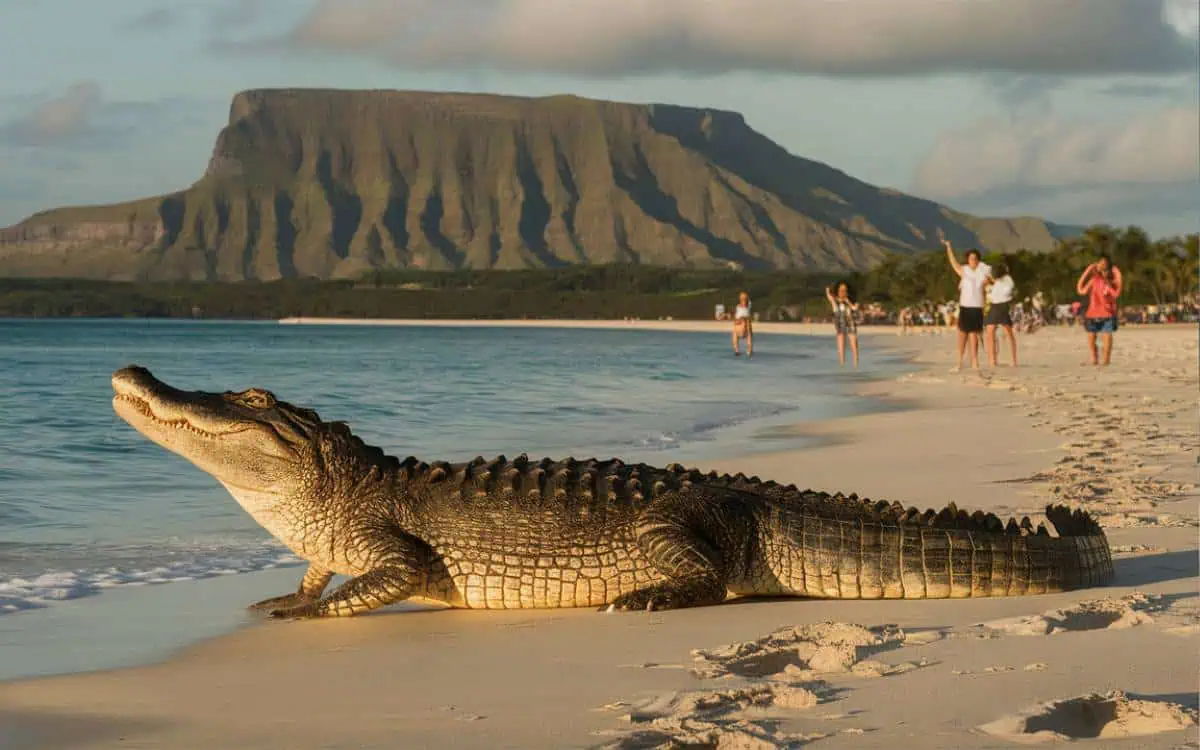
Hawaii’s isolation as a chain of volcanic islands in the middle of the Pacific Ocean has resulted in a unique evolutionary path for its native flora and fauna. This isolation has also made the islands particularly vulnerable to invasive species. While the question of alligators is often met with a definitive “no,” it’s important to understand why and what happens when non-native species do manage to arrive.
The Natural Habitat of Alligators
Alligators, specifically the American Alligator (Alligator mississippiensis) and the Chinese Alligator (Alligator sinensis), are native to specific regions of the world. The American Alligator is found in the southeastern United States, primarily in freshwater swamps, marshes, rivers, and lakes. The Chinese Alligator is critically endangered and endemic to a small region of eastern China. These species thrive in warm, humid climates with abundant water sources, conditions that, on the surface, might seem superficially similar to some of Hawaii’s lush environments. However, the geographical separation is immense, and there is no natural migratory pathway that would allow alligators to reach the Hawaiian Islands.
The Strict Biosecurity Measures of Hawaii
Due to its delicate ecosystem and the significant threat posed by invasive species, Hawaii maintains some of the strictest biosecurity measures in the United States. The Hawaii Department of Agriculture actively works to prevent the introduction of unwanted plants, animals, and pests. This includes rigorous inspections of luggage, cargo, and vessels arriving in the islands. The primary goal is to protect native Hawaiian wildlife and agriculture from diseases and competition that could devastate them. The introduction of a large predator like an alligator would have catastrophic consequences for the local ecosystem, which has evolved without such threats.
Addressing the Myth and Misconception
Despite the clear absence of native alligators, the question occasionally surfaces. This can be attributed to a few factors, ranging from common misconceptions about exotic wildlife to rare, isolated incidents that spark public interest.
The Possibility of Escaped or Introduced Pets
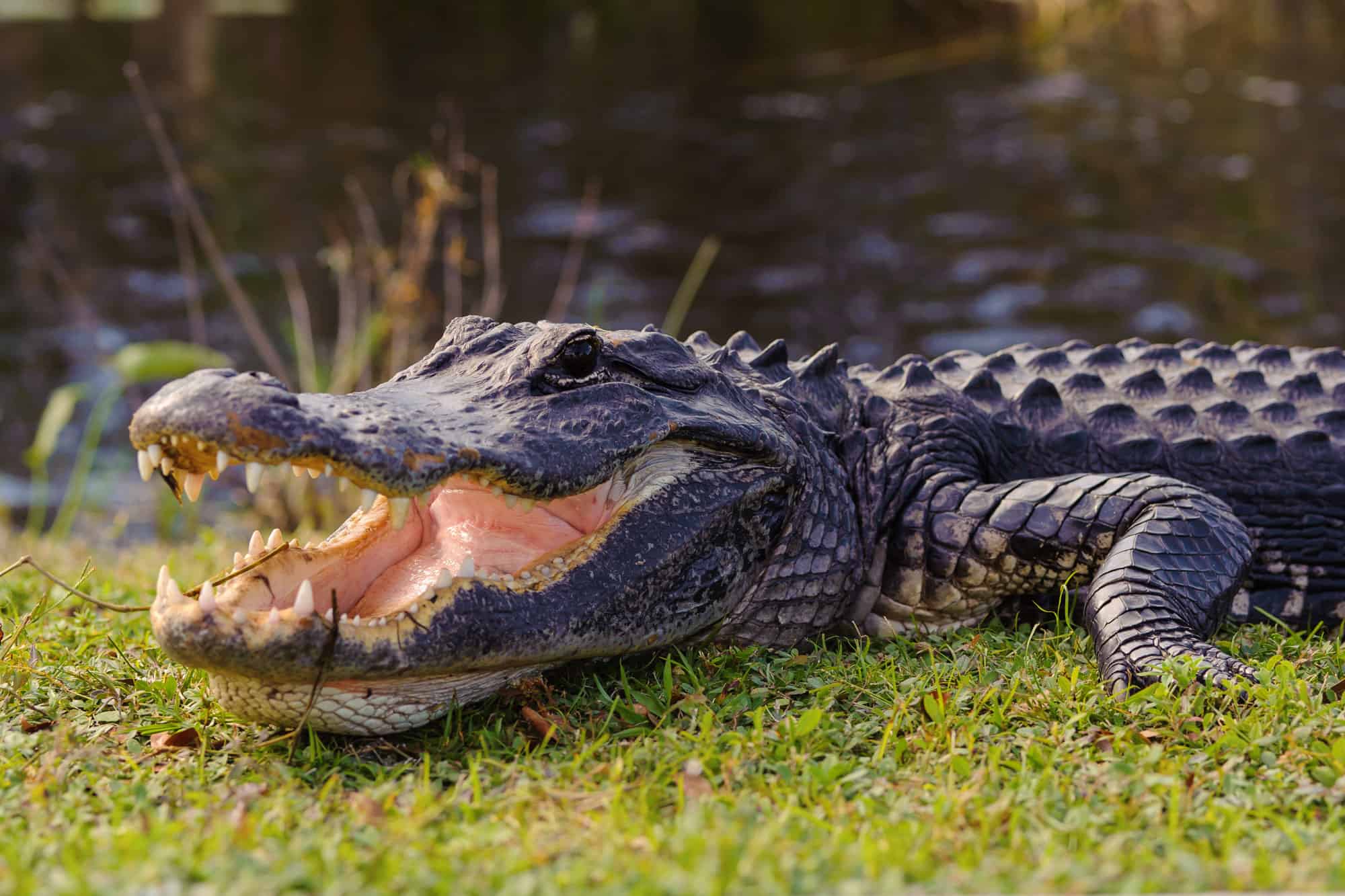
While not a natural occurrence, the possibility of an alligator being present in Hawaii stems from the illegal pet trade or accidental escape of an owned animal. In rare instances, exotic pets can be imported into the islands illegally, or owners may release them into the wild when they become unmanageable. However, the chances of an alligator surviving and establishing a breeding population in Hawaii are extremely low.
The Challenges to Alligator Survival in Hawaii
Several factors make Hawaii an unsuitable environment for alligator survival in the long term. Firstly, the islands’ small size and the limited availability of suitable freshwater habitats that are large and stable enough for an alligator population are significant constraints. Secondly, the consistent efforts of Hawaii’s Department of Agriculture and wildlife agencies mean that any detected non-native species are swiftly dealt with to prevent them from becoming established. While isolated sightings of non-native reptiles might occur, they are typically transient and do not represent a wild population. The public is often encouraged to report any unusual animal sightings to the authorities to aid in these efforts.
What to Expect When Visiting Hawaii’s Natural Wonders
For travelers planning a trip to Hawaii, focusing on the island’s incredible native and naturalized wildlife is far more rewarding and accurate than worrying about alligators. The islands offer a wealth of unique creatures and natural spectacles that are truly characteristic of this Pacific paradise.
Encountering Native Hawaiian Wildlife
Hawaii is a haven for birdwatchers, with many endemic species found nowhere else on Earth. The lush forests of Maui and the volcanic landscapes of the Big Island are home to birds like the ʻiʻiwi and the ʻapapane. In the ocean, visitors have the chance to snorkel or dive alongside sea turtles (honu), colorful reef fish, and even spot majestic humpback whales during their migration season in winter. The Hawaiian monk seal, an endangered species, can sometimes be seen basking on the shores of islands like Kauai.
Experiencing Hawaii’s Unique Ecosystems
From the verdant valleys of the Nā Pali Coast to the dramatic cliffs of the Waimea Canyon, Hawaii’s diverse landscapes offer unparalleled opportunities for exploration. Hiking trails wind through tropical rainforests teeming with unique plant life, leading to breathtaking waterfalls and panoramic vistas. Visitors can explore volcanic craters on the Big Island, witness the power of geothermal activity, and relax on black sand beaches formed by volcanic rock. The marine environments are equally spectacular, with opportunities for surfing, kayaking, and experiencing the vibrant coral reefs.

Conclusion: Enjoying Hawaii with Accurate Expectations
In conclusion, the answer to whether there are alligators in Hawaii is a resounding no. The islands’ unique geographical isolation, stringent biosecurity measures, and the lack of suitable natural habitats make it an impossible environment for alligators to exist in the wild. While the theoretical possibility of an illegally imported or escaped pet might lead to a fleeting, isolated sighting, it does not constitute a wild population. Travelers to Hawaii can embark on their adventures with the assurance that their encounters with wildlife will be with the islands’ spectacular native and naturally integrated species, from playful dolphins and majestic whales to vibrant birds and ancient sea turtles. The focus of any visit should be on appreciating the truly remarkable and unique natural heritage that makes Hawaii such an extraordinary destination.
LifeOutOfTheBox is a participant in the Amazon Services LLC Associates Program, an affiliate advertising program designed to provide a means for sites to earn advertising fees by advertising and linking to Amazon.com. Amazon, the Amazon logo, AmazonSupply, and the AmazonSupply logo are trademarks of Amazon.com, Inc. or its affiliates. As an Amazon Associate we earn affiliate commissions from qualifying purchases.