
In an increasingly interconnected world, where the ease of travel underpins so many of our personal and professional experiences, understanding the nuances of identification is paramount. For residents and frequent visitors to the picturesque state of Colorado, the concept of a Real ID carries significant weight. It’s not just another piece of plastic in your wallet; it’s a federally compliant identification card that serves as your key to seamless domestic air travel and access to certain federal facilities across the United States. As of the enforcement date of May 7, 2025, every traveler aged 18 and older will be required to present a Real ID compliant driver’s license or state identification card, or another acceptable form of identification such as a passport, to board domestic flights. This mandate, stemming from the Real ID Act of 2005, represents a critical security measure designed to enhance the integrity and security of state-issued driver’s licenses and identification cards.
For those dreaming of exploring the majestic Rocky Mountains, experiencing the vibrant urban culture of Denver, or embarking on any adventure that requires air travel, possessing a Colorado Real ID will become an indispensable part of their pre-trip preparations. This comprehensive guide aims to demystify what a Colorado Real ID entails, why it’s crucial for your travel plans, and how residents can navigate the application process to ensure their future journeys are hassle-free. From checking into a luxury resort in Vail to exploring ancient dwellings at Mesa Verde National Park, a compliant Real ID ensures your focus remains on the experience, not on potential travel disruptions.
The Real ID Act and Its Impact on Travel
The journey to understanding the Colorado Real ID begins with its foundational legislation: the Real ID Act. Passed by Congress in 2005, this Act was a direct response to the 9/11 Commission’s recommendation that the federal government “set standards for the issuance of sources of identification, such as driver’s licenses.” The aim was to establish minimum security standards for state-issued driver’s licenses and identification cards, making it more difficult for terrorists and criminals to obtain fraudulent identification. These standards include incorporating anti-counterfeit technology, requiring specific data elements, and verifying the identity of applicants. While the initial compliance deadlines have been extended several times, the ultimate enforcement date is now firmly set, making it imperative for individuals to obtain their Real ID compliant documents.
Understanding the Real ID Mandate
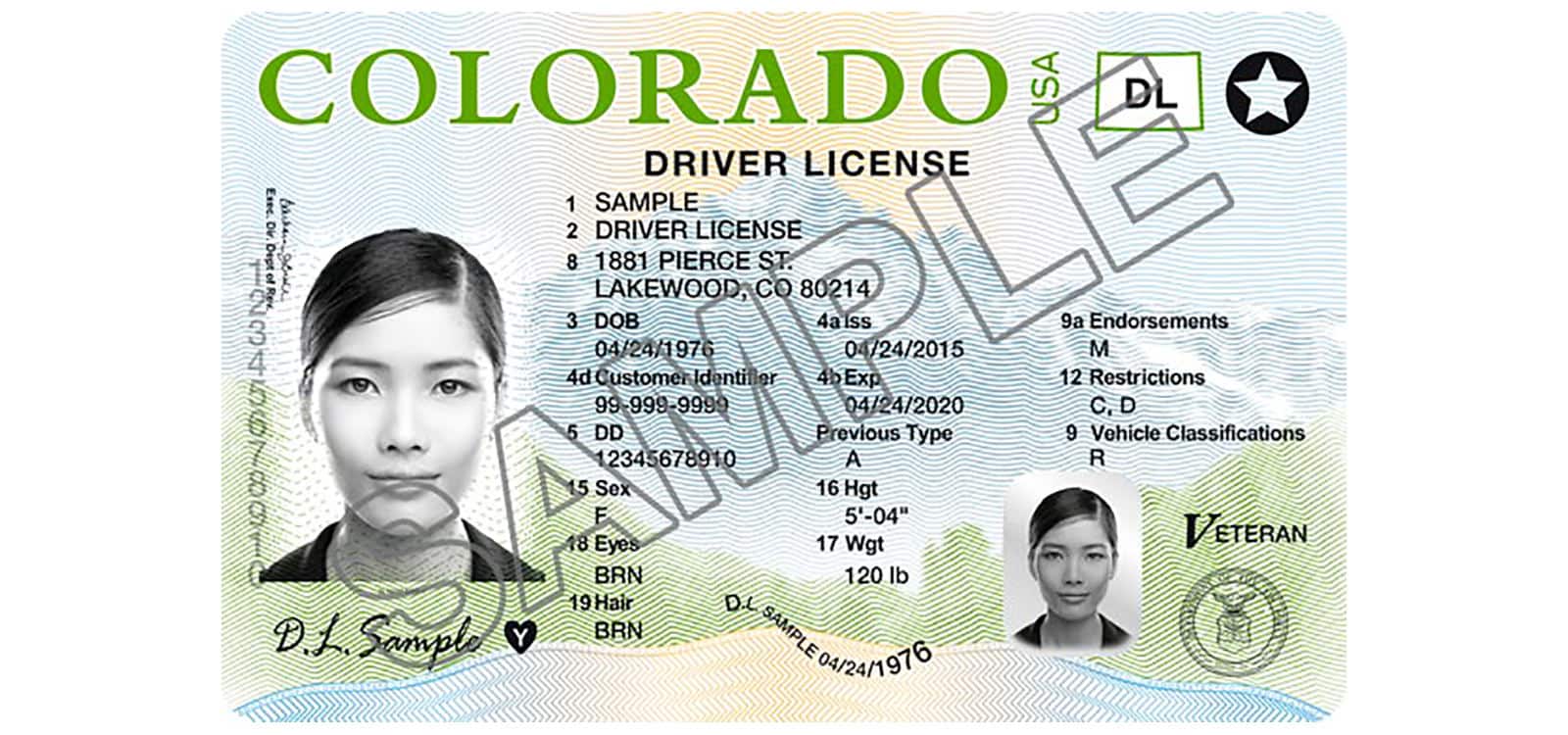
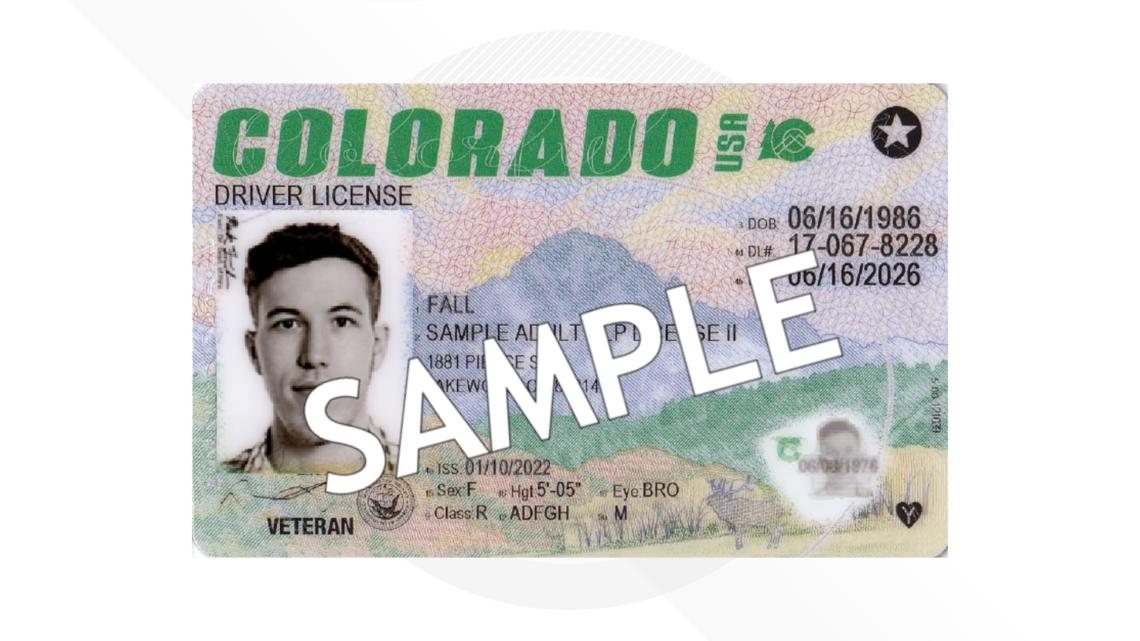
At its core, the Real ID mandate dictates that federal agencies, including the Transportation Security Administration (TSA), cannot accept state-issued driver’s licenses and identification cards that do not meet the Act’s minimum security standards for official purposes. This primarily impacts domestic air travel and access to certain federal facilities, such as military bases and nuclear power plants. For the average individual, the most significant implication is the requirement to present a Real ID compliant form of identification at airport security checkpoints. Licenses and IDs that are compliant typically feature a star in the upper right-hand corner, signifying that they meet the enhanced security requirements. Without this, travelers will need an alternative, federally accepted form of ID, like a valid U.S. passport, passport card, or military ID. The May 7, 2025, deadline serves as a crucial reminder for residents of Colorado and across the nation to proactively prepare for this change, ensuring their ability to embark on adventures and fulfill obligations without interruption.
Why Your Colorado Real ID Matters for Exploring the Centennial State and Beyond
For those residing in or planning a visit to Colorado, a Real ID is more than just a bureaucratic formality; it’s a passport to continued exploration and worry-free tourism. Imagine booking a flight into Denver International Airport (DEN) to experience the vibrant capital city, or perhaps a regional flight to Aspen for a world-class skiing adventure. Your Colorado Real ID will be the primary document ensuring you breeze through security, allowing you to focus on the breathtaking landscapes and unique experiences that await. Beyond Denver and Aspen, Colorado boasts a wealth of destinations, from the collegiate charm of Boulder to the historic allure of Colorado Springs, each offering distinct attractions and experiences. Whether you’re planning a hike in Rocky Mountain National Park, exploring the ancient cliff dwellings of Mesa Verde National Park, or marveling at the geological wonders of Garden of the Gods, a compliant ID simplifies your initial journey. Moreover, for business travelers or families planning cross-country vacations, the Colorado Real ID eliminates a potential point of friction, ensuring that domestic travel across the United States remains as smooth as the serene mountain lakes that dot Colorado’s landscape.
Navigating the Real ID Application Process in Colorado
Obtaining a Colorado Real ID is a straightforward process, provided you come prepared. The Colorado Division of Motor Vehicles (DMV), under the Department of Revenue, has streamlined the application to make it as efficient as possible. However, the key to a successful application lies in understanding the specific documentation required. This isn’t just about filling out a form; it’s about proving your identity, legal presence, and residency in Colorado with verifiable, original documents. The meticulousness of this process is precisely what gives the Real ID its enhanced security credibility.
Essential Documents for Your Colorado Real ID
When you embark on the journey to secure your Colorado Real ID, gathering the correct documents beforehand is the most crucial step. You will need to provide original documents (photocopies are generally not accepted) to verify several key pieces of information:
- Proof of Identity and Legal Presence: This is perhaps the most critical component. Acceptable documents include an original or certified birth certificate (with a raised seal), a valid, unexpired U.S. passport, or a foreign passport with a valid U.S. visa and I-94 form. This verifies who you are and that you are legally authorized to be in the United States.
- Proof of Social Security Number (SSN): You’ll need to provide documentation showing your full Social Security Number. Examples include your Social Security card, a W-2 form, or a pay stub with your name and SSN clearly visible.
- Proof of Colorado Residency: To demonstrate that you are a resident of Colorado, you must provide two different documents that show your current physical street address. These can include a utility bill, bank statement, mortgage statement, rental agreement, or a valid Colorado vehicle registration. The dates on these documents should generally be within the last year.
- Proof of Signature: This verifies your signature. A current or expired Colorado driver’s license, a credit card with your signature, or a valid passport are usually accepted.
- Proof of Name Change (if applicable): If your current name differs from the name on your birth certificate or other identity documents due to marriage, divorce, or a legal name change, you must provide official documentation for each name change. This could include a marriage certificate, divorce decree, or court order. Each name change must be traceable from your birth name to your current legal name.

Remember to bring original documents. The DMV staff will need to see them to verify your information, though they typically won’t keep them. Taking the time to gather and organize these documents meticulously will save you considerable time and potential frustration during your visit.
Where and How to Apply
Once you have meticulously gathered all your necessary documents, the next step is to visit a Colorado Division of Motor Vehicles office. While walk-ins might be possible at some locations, the most efficient approach is to schedule an appointment in advance. The Colorado Department of Revenue website offers an online scheduling system that allows you to choose a convenient date, time, and location. This not only minimizes your wait time but also ensures that the office is prepared for your visit.
During your appointment, a DMV representative will review your submitted documents to verify their authenticity and compliance with Real ID requirements. Be prepared to have your photograph taken and provide a digital signature. There will also be an application fee, which can typically be paid via cash, credit card, or check. After your application is processed and approved, you will usually receive a temporary paper license, with your official Colorado Real ID card mailed to your residential address within a few weeks. The process is designed to be thorough yet efficient, ensuring the integrity of the identification you receive.
Beyond the ID: Planning Your Colorado Adventure with Confidence
With your Colorado Real ID securely in hand, the world of travel and exploration truly opens up. The peace of mind that comes with knowing your identification is compliant with federal standards allows you to shift your focus from administrative details to the exciting aspects of planning and enjoying your Colorado adventure. The Centennial State offers an unparalleled diversity of experiences, from the towering peaks of the Rocky Mountains to the sun-drenched canyons of the southwest, all accessible with confidence.
Seamless Travel to Colorado’s Iconic Destinations
Your Colorado Real ID acts as a literal key, unlocking seamless access to Colorado’s myriad attractions. Flying into Denver International Airport will be a breeze, setting the stage for urban adventures in Denver itself – exploring its vibrant arts districts, indulging in its burgeoning culinary scene, or catching a game at one of its many professional sports venues. From Denver, the state’s natural wonders are within reach. Rocky Mountain National Park offers breathtaking hikes and wildlife viewing, while the dramatic red rock formations of Garden of the Gods near Colorado Springs provide stunning photo opportunities. For winter sports enthusiasts, destinations like Aspen, Vail, and Breckenridge offer world-class skiing and snowboarding, alongside charming mountain towns filled with unique boutiques and gourmet dining.
Further afield, a Real ID facilitates travel to regions rich in history and culture. Mesa Verde National Park, a UNESCO World Heritage Site, offers a glimpse into the lives of the Ancestral Pueblo people through its remarkably preserved cliff dwellings. With your compliant identification, you can easily rent a car at any major airport, enabling you to drive through scenic byways, visit quaint small towns, and explore the diverse landscapes that make Colorado a premier travel destination. The security and ease provided by your Real ID mean more time to immerse yourself in local culture, sample craft brews, or simply relax amidst the stunning natural beauty.
Accommodation and Logistics for Your Colorado Stay
Beyond air travel, your Colorado Real ID plays a supporting role in various logistical aspects of your trip. When checking into hotels, resorts, or other forms of accommodation, a valid, government-issued ID is almost always required. While a non-Real ID compliant driver’s license might still suffice for hotel check-ins or car rentals, having a Real ID ensures universal acceptance and removes any potential for confusion or delay. Colorado offers a spectrum of accommodation options to suit every taste and budget, from luxurious suites and sprawling villas in mountain towns to cozy apartments in urban centers and rustic cabins near hiking trails. Whether you are seeking a luxury travel experience with all the amenities, planning a budget travel adventure, or organizing a family trip, booking your stay well in advance, especially during peak seasons in popular areas like Aspen or Breckenridge, is highly recommended. Your Real ID simply adds another layer of security and convenience to these processes, allowing you to seamlessly transition from airport to hotel and begin your adventure without a hitch.
Enhancing Your Colorado Lifestyle and Tourism Experience
The overarching benefit of a Colorado Real ID is the enhanced sense of freedom and confidence it brings to your lifestyle and tourism endeavors. It’s about removing potential barriers so you can fully immerse yourself in the experiences Colorado has to offer. Imagine attending a music festival in Red Rocks Amphitheatre, exploring the craft brewery scene in Fort Collins, or discovering the unique boutiques and galleries in Telluride. With a compliant ID, the mundane logistical concerns fade into the background, allowing you to savor every moment. This extends to diverse lifestyle choices, from adventurers seeking extreme sports to those preferring leisurely cultural tours. Whether you’re on a business stay in Denver or a multi-week exploration of Colorado’s landmarks and natural beauty, the Colorado Real ID ensures your focus remains on creating unforgettable memories. It represents a commitment to secure and effortless travel, a fundamental aspect of the modern adventurer’s toolkit.
In conclusion, understanding what a Real ID is and obtaining your Colorado Real ID is an essential step for anyone planning to travel domestically within the United States after the enforcement deadline. It streamlines your airport experience, facilitates various aspects of your trip, and ultimately allows you to enjoy the unparalleled beauty and diverse offerings of Colorado and beyond without unnecessary complications. By taking the time to prepare and apply, you ensure that your adventures, whether for leisure or business, remain smooth, secure, and truly memorable. Don’t let a simple identification requirement deter you from experiencing the wonders that await; secure your Colorado Real ID today and open the door to boundless exploration.
LifeOutOfTheBox is a participant in the Amazon Services LLC Associates Program, an affiliate advertising program designed to provide a means for sites to earn advertising fees by advertising and linking to Amazon.com. Amazon, the Amazon logo, AmazonSupply, and the AmazonSupply logo are trademarks of Amazon.com, Inc. or its affiliates. As an Amazon Associate we earn affiliate commissions from qualifying purchases.