
Embarking on a journey, whether it’s an exhilarating adventure through the majestic Rocky Mountains or a serene escape to the vibrant cities of the Centennial State, often brings with it a checklist of preparations. From booking the perfect accommodation to meticulously planning your itinerary to discover iconic landmarks, every detail contributes to a seamless and unforgettable experience. Yet, amidst the excitement of travel planning, one crucial element often overlooked until the last minute is your identification. Specifically, for those traveling within the United States or accessing federal facilities, understanding “What is REAL ID Colorado?” has become an indispensable part of modern travel and daily life.
The REAL ID Act, a federal law enacted by Congress in 2005, significantly changed the standards for state-issued driver’s licenses and identification cards. Born out of the recommendations of the 9/11 Commission following the tragic events of September 11th, the act aims to enhance security by establishing minimum security standards for state-issued IDs. For residents and visitors alike in Colorado, knowing if your current ID is REAL ID compliant is no longer just a recommendation but a vital piece of information that can impact your ability to fly domestically or enter certain federal buildings. This comprehensive guide will delve into what REAL ID means for you in Colorado, how it affects your travel plans, and how to ensure you’re fully prepared for any adventure that comes your way.
Understanding REAL ID: Your Gateway to Seamless Colorado Travel
The concept of REAL ID can initially seem complex, but at its core, it’s about ensuring a higher standard of security for the identification documents we use. For a state known for its outdoor wonders, bustling urban centers, and a thriving tourism industry, understanding this standard is particularly important.
The Federal Mandate and Its Broad Implications
The REAL ID Act established federal requirements for state-issued driver’s licenses and identification cards to be accepted for specific federal purposes. These purposes include boarding federally regulated commercial aircraft (i.e., domestic flights) and accessing secure federal facilities, such as military bases, federal courthouses, or certain National Park Service sites that have security checkpoints. The initial deadline for enforcement was extended multiple times, with the current nationwide enforcement date set for May 7, 2025. After this date, a standard driver’s license or ID card that is not REAL ID compliant will no longer be accepted by the Transportation Security Administration (TSA) for domestic air travel.
This legislation was a direct response to the vulnerabilities exposed by the September 11th attacks, where terrorists were able to obtain state-issued identification documents that allowed them to board flights. By enhancing the security features and application processes for these documents, the federal government, primarily through the Department of Homeland Security (DHS), aims to prevent future security breaches. For any individual planning to fly from Denver International Airport to Grand Junction, or from Colorado Springs to anywhere else in the U.S., having a REAL ID or an alternative acceptable form of identification will be mandatory.
Colorado’s Approach to REAL ID Compliance
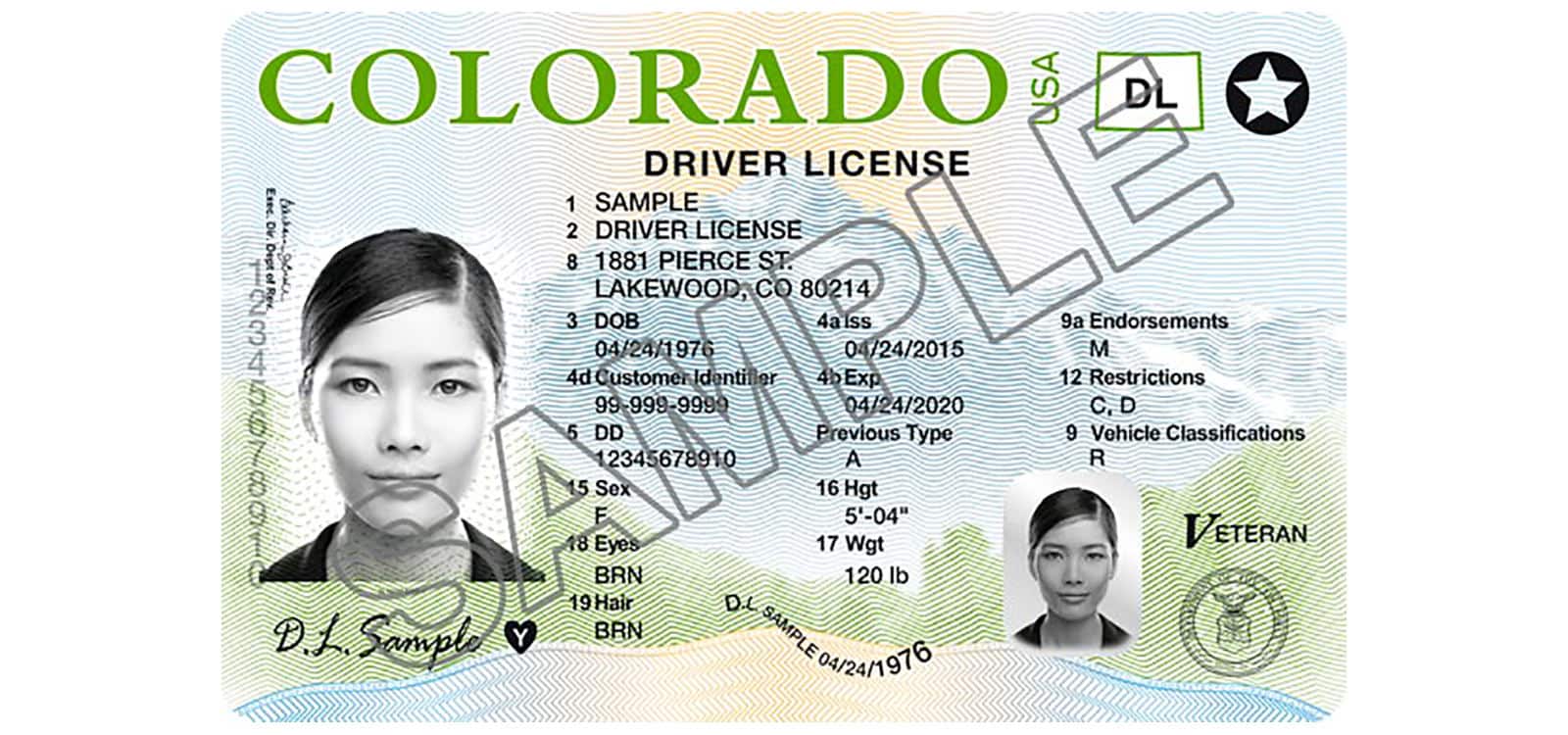
Colorado began issuing REAL ID-compliant driver’s licenses and identification cards in 2012, well ahead of many other states. This proactive approach means that a significant portion of Colorado residents already possess a compliant ID. You can easily identify a REAL ID-compliant card by looking for a star symbol — typically a gold or black star — located in the upper right-hand corner of your driver’s license or state ID. If your card has this star, you’re all set for federal purposes.
For those whose Colorado ID does not have the star, it means you have a standard driver’s license or ID, sometimes marked with “NOT FOR FEDERAL IDENTIFICATION.” While this type of ID is perfectly valid for driving, voting, or proving your age, it will not be accepted for domestic air travel or entry into federal facilities after the May 7, 2025 deadline. The good news is that obtaining a REAL ID in Colorado is a straightforward process, designed to integrate smoothly with the state’s efficient Division of Motor Vehicles (DMV) services.
Navigating Colorado with REAL ID: Travel and Access
For residents and visitors alike, Colorado offers an unparalleled array of experiences, from skiing in Aspen and Vail to hiking in Rocky Mountain National Park or exploring the vibrant culture of Denver. Ensuring your identification is up to date is a small step that can prevent significant disruptions to your plans.
Domestic Air Travel: A Must-Have for Colorado Adventures
The most impactful aspect of REAL ID for many is its requirement for domestic air travel. Whether you’re flying into Colorado for a ski trip, a business conference in Denver, or taking a regional flight to explore different parts of the state, your identification will be scrutinized by TSA agents. After May 7, 2025, if you don’t have a REAL ID-compliant driver’s license or state ID, you will need an alternative form of identification for domestic flights.
This is critical for anyone planning a Colorado travel itinerary that involves flying. Imagine arriving at Denver International Airport, excited for your luxury travel experience or a much-anticipated family vacation, only to be turned away at security because your ID isn’t compliant. This scenario is easily avoidable with proper planning. Many travelers consider a U.S. passport or passport card a robust alternative, as these documents are federally recognized and universally accepted for identification purposes, including international travel. Other acceptable forms include military IDs and permanent resident cards. For those who frequently cross international borders, a passport is already a necessity, making REAL ID less of a concern for domestic travel as long as they carry their passport.
Accessing Federal Facilities and Colorado Landmarks
Beyond air travel, REAL ID compliance is also essential for gaining entry to secure federal facilities. While many Colorado landmarks, like Garden of the Gods or most parts of Rocky Mountain National Park, do not require a REAL ID for general entry, specific federal buildings or military installations within the state will. For instance, if your itinerary includes a visit to the United States Air Force Academy near Colorado Springs or any other federal government office, a REAL ID or another acceptable federal ID will be required.

This impacts a range of individuals, from those on a business travel trip needing to access a federal courthouse to family trips that might include a tour of a historical federal site. While not as common a requirement for typical tourism activities, it’s a critical consideration for those with specific plans involving federal property. Always check the entry requirements for any federal facility you plan to visit to avoid unexpected access issues.
Obtaining Your REAL ID in Colorado: The Application Process
Securing a REAL ID-compliant driver’s license or state identification card in Colorado is a well-defined process. The state has made efforts to streamline the application, but it requires gathering specific documentation.
Essential Documents for Your REAL ID Application
To obtain a REAL ID in Colorado, you will need to present several documents in person at a DMV office. These documents prove your:
- Identity and Date of Birth: Original or certified copy of a U.S. birth certificate, valid U.S. passport, or foreign passport with an approved visa and I-94 form.
- Social Security Number (SSN): Your social security card, a W-2 form, or a pay stub with your SSN.
- Proof of Residency (Two Documents): Utility bills, bank statements, rental agreements, or mail from federal, state, or local government agencies, all showing your current Colorado street address.
- Proof of Signature: Your current Colorado driver’s license (if applicable), passport, or credit card with your signature.
- Proof of Name Change (if applicable): If your current name differs from your birth certificate (e.g., due to marriage or divorce), you’ll need certified legal documents like a marriage certificate, divorce decree, or court order.
It is crucial to bring original documents, as photocopies are generally not accepted. The Colorado DMV website provides a comprehensive checklist and a convenient “What Do I Need?” tool to help you gather the correct paperwork for your specific situation. This meticulous process ensures the integrity and security of the REAL ID system.
Where to Apply: Colorado DMV Locations and Appointments
Colorado has numerous DMV and driver’s license offices across the state where you can apply for a REAL ID. Popular locations include offices in Denver, Colorado Springs, Fort Collins, Boulder, and Grand Junction. Many of these offices now operate by appointment only, or highly recommend scheduling one, especially for REAL ID applications, which can take more time due to document verification.
Scheduling an appointment online through the Colorado DMV portal is highly recommended to minimize wait times and ensure a smooth experience. This proactive step aligns with smart travel planning principles, allowing you to get your necessary documents without disrupting your Colorado adventures. Before heading to any office, always double-check the specific requirements and operating hours, as these can vary by location and may change.
Planning Your Colorado Trip with REAL ID in Mind
As the May 7, 2025 deadline approaches, integrating REAL ID readiness into your overall Colorado travel and lifestyle planning becomes increasingly important. This small administrative step can have significant implications for your ease of movement and access.
Beyond REAL ID: Comprehensive Travel Planning
Thinking about REAL ID is just one facet of preparing for a memorable Colorado experience. When you’re dreaming of exploring Mesa Verde National Park’s ancient cliff dwellings, navigating the vibrant streets of Durango, or hitting the slopes of world-class ski resorts like Breckenridge or Telluride, your planning should encompass all aspects of your journey.
This includes securing the best hotels or unique apartments for your stay, understanding local cuisine and cultural experiences, and mapping out attractions. Whether you’re planning a budget travel expedition or a lavish escape, having all your documentation in order is foundational. Think of your REAL ID as an essential key that unlocks seamless access to your chosen modes of transportation and certain destinations, allowing you to focus on the joy of discovery.

Ensuring a Smooth Colorado Journey
To avoid any last-minute stress or missed flights, it’s advisable to check the status of your identification well in advance of your planned departure date. If you’re a Colorado resident, verify if your current driver’s license or state ID has the star symbol. If not, schedule your DMV appointment and gather your documents with ample time before May 7, 2025, or your next flight. For visitors to Colorado from other states, ensure your home state’s ID is REAL ID compliant, or plan to use an alternative federally accepted document like a U.S. passport.
Beyond identification, consider leveraging digital travel guides and booking platforms to streamline the rest of your trip. From finding suites with mountain views to securing villas for an extended stay, a well-organized trip starts with being prepared. By taking the necessary steps to understand and comply with REAL ID requirements, you’re not just adhering to a federal mandate; you’re investing in a more relaxed, secure, and enjoyable experience exploring all the wonders Colorado has to offer. Don’t let an oversight in documentation dim the sparkle of your Centennial State adventure. Prepare now, and travel with confidence.
LifeOutOfTheBox is a participant in the Amazon Services LLC Associates Program, an affiliate advertising program designed to provide a means for sites to earn advertising fees by advertising and linking to Amazon.com. Amazon, the Amazon logo, AmazonSupply, and the AmazonSupply logo are trademarks of Amazon.com, Inc. or its affiliates. As an Amazon Associate we earn affiliate commissions from qualifying purchases.