
Bed bugs are a traveler’s worst nightmare. These tiny, reddish-brown insects are masters of camouflage and can infest even the most luxurious accommodations. While the thought of sharing your hotel room with these unwelcome guests is unsettling, being informed and knowing what to look for can significantly reduce your risk of encountering them. This guide, drawing on expertise in travel, hotels, tourism, accommodation, landmarks, and lifestyle, will equip you with the knowledge to identify potential bed bug infestations and enjoy a pest-free stay.
Understanding the Scourge: What Are Bed Bugs and Why Should You Care?
Bed bugs (Cimex lectularius) are small, parasitic insects that feed on the blood of humans and animals. They are nocturnal and typically hide in the seams of mattresses, box springs, headboards, and even electrical outlets during the day. Their presence is not a reflection of poor hygiene, but rather their remarkable ability to hitchhike on luggage and clothing.
The primary concern with bed bugs is the itchy, red welts they leave on the skin after biting. While these bites are not known to transmit diseases, they can cause significant discomfort, allergic reactions, and secondary infections from scratching. For a traveler, especially one on a dream vacation to a place like Paris or a business trip to New York City, discovering bed bugs can ruin the entire experience. The stress and discomfort can overshadow the enjoyment of exploring iconic landmarks like the Eiffel Tower or attending important meetings.
The Hidden Life of Bed Bugs: Identifying the Signs
The challenge with bed bugs lies in their elusiveness. They are small, nocturnal, and adept at hiding. However, by knowing where to look and what to look for, you can significantly increase your chances of detection. This involves a systematic inspection of your hotel room upon arrival.
Visual Clues: What to Search For
The most direct way to identify a bed bug infestation is by spotting the bugs themselves, their eggs, or their waste.
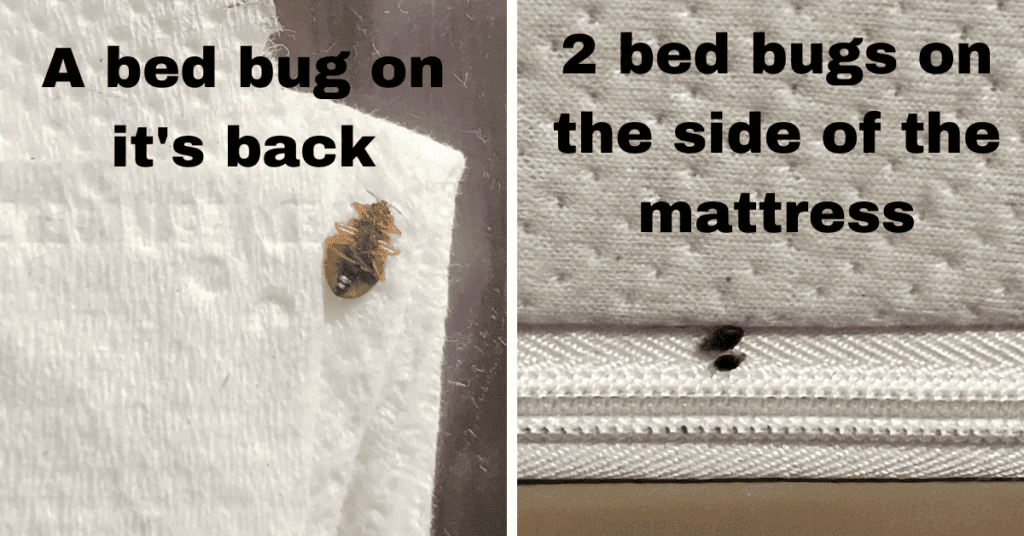
- The Bugs Themselves: Adult bed bugs are about the size of an apple seed (4-5 mm long) and have a flat, oval body. After feeding, their bodies become more elongated and reddish-brown in color. Immature bed bugs, called nymphs, are smaller and more translucent, turning redder as they mature and feed.
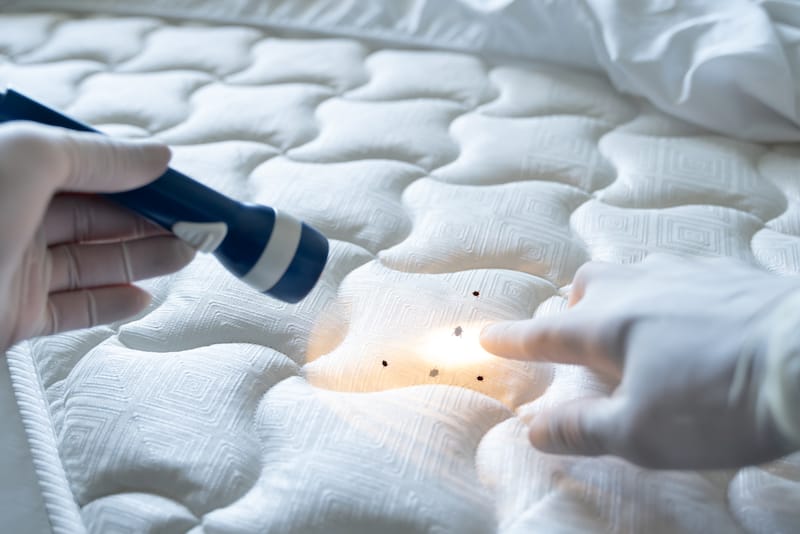
- Fecal Spots: Bed bug droppings are a tell-tale sign. These appear as small, dark or rusty-colored spots on your mattress seams, sheets, or nearby furniture. They are essentially digested blood and will smear if wiped.
- Blood Stains: You might find small blood stains on your bedding. These can occur if you roll over on a bed bug while it’s feeding, or if you crush one after it has fed.
- Eggs and Eggshells: Bed bug eggs are tiny (about 1 mm), pearl-white, and often found in clusters in hidden crevices. You may also find shed skins of nymphs as they grow, which are translucent and resemble the bed bugs themselves.
- Live Bed Bugs: In more severe infestations, you might find live bed bugs crawling on surfaces, especially at night. However, it’s more common to find evidence of their presence rather than the bugs themselves during a daytime inspection.
Strategic Inspection Points
When inspecting your hotel room, focus your attention on the areas where bed bugs are most likely to hide.
- The Mattress and Box Spring: This is the primary habitat. Carefully examine the seams, tufts, and labels of your mattress and box spring. Lift the mattress to check the underside and the frame.
- The Headboard: Bed bugs often congregate in the crevices and joints of headboards, especially those that are upholstered or have intricate designs.
- Bedside Tables and Furniture: Check the drawers, joints, and undersides of bedside tables, dressers, and any other furniture near the bed.
- Electrical Outlets and Fixtures: Bed bugs can hide in the small spaces around electrical outlets and light fixtures.
- Behind Wallpaper and Artwork: In older or less well-maintained hotels, bed bugs can find hiding places behind peeling wallpaper or the frames of pictures on the walls.
- Luggage Racks: The joints and folds of luggage racks can also be a hiding spot.
Proactive Strategies: How to Minimize Your Risk
While thorough inspection is crucial, there are also proactive steps you can take before and during your stay to minimize the risk of bringing bed bugs home or encountering them in your room. This is particularly relevant for those seeking a luxury travel experience in a reputable resort or a budget-friendly stay in a bustling city.

Pre-Travel Preparations and Hotel Selection
The journey to a bed bug-free vacation begins before you even pack your bags. Choosing your accommodation wisely and being prepared can make a significant difference.
- Research Hotel Reviews: Before booking, especially for a significant trip to a destination like Rome or a stay at a renowned establishment like the Plaza Hotel, scour online reviews. Look for specific mentions of bed bugs, pest problems, or cleanliness issues. Websites like TripAdvisor and Google Reviews can be invaluable resources.
- Consider Hotel Class and Location: While bed bugs can infest any hotel, some studies suggest they are more prevalent in mid-range and budget hotels. However, luxury hotels are not immune. The location of the hotel can also play a role, with some urban areas having higher reported rates.
- Pack Smart: Keep your luggage off the floor and away from the bed. Use a hard-shelled suitcase, as these are less inviting for bed bugs to burrow into compared to soft-sided bags.
On-Site Vigilance: Your Room Inspection Protocol
Once you arrive at your hotel, whether it’s a charming villa in Tuscany or a modern apartment rental in Sydney, it’s time to conduct your inspection. This should be a routine part of checking into any accommodation.
- The “Do Not Disturb” Inspection: Upon entering your room, before you unpack or settle in, perform a quick visual check. This is the best time to act if you find anything suspicious.
- Use Your Phone’s Flashlight: The flashlight on your smartphone is an excellent tool for illuminating dark crevices and seams where bed bugs might be hiding.
- Elevate Your Luggage: If possible, place your luggage on a raised surface like a luggage rack or a chair, away from the bed.
- Isolate Your Belongings: Consider keeping items you won’t immediately need, like extra clothes or toiletries, inside your suitcase or in a plastic bag to prevent potential contamination.
What to Do If You Suspect Bed Bugs
Discovering evidence of bed bugs can be a stressful experience, but reacting calmly and efficiently is key. Knowing the protocol can help mitigate the situation and ensure you don’t spread the infestation to your belongings. This knowledge is vital for any traveler, whether they are exploring the ancient wonders of Machu Picchu or enjoying a family trip to Orlando.
Immediate Actions and Reporting
If you find any signs of bed bugs in your room, it’s crucial to act swiftly and professionally.
- Do Not Unpack: If you haven’t unpacked, great. If you have, try to keep your belongings contained within your luggage.
- Do Not Disturb the Evidence: Avoid moving the mattress or making any drastic changes that could disturb potential evidence.
- Contact Hotel Management Immediately: Politely but firmly inform the front desk or management about your findings. Point out the specific evidence you have observed.
- Request a Room Change: The best course of action is to request a different room. Ideally, ask for a room that is far from your current location, preferably on a different floor, to avoid any potential cross-contamination.
- Document Your Findings: Take clear pictures or videos of any evidence you find (bugs, stains, etc.) using your phone. This documentation can be helpful if you need to escalate the issue later.
- Inspect Your New Room: Before accepting the new room, conduct a thorough inspection there as well, using the same protocol as before.
Post-Stay Precautions: Protecting Your Belongings
Even if you don’t find definitive evidence of bed bugs, it’s wise to take precautions with your luggage upon returning home. This is a good practice for anyone who has stayed in a hotel, resort, or any accommodation, be it a quaint bed and breakfast in the Scottish Highlands or a modern apartment in Tokyo.
- Upon Arrival Home: Do not bring your luggage into your bedroom or main living areas immediately. Keep it in a garage, on a porch, or in a less trafficked area.
- Inspect Your Luggage: Carefully inspect your suitcases, backpacks, and all pockets for any signs of bed bugs or their eggs.
- Vacuum Your Luggage: Thoroughly vacuum the interior and exterior of your luggage. Dispose of the vacuum bag or empty the canister immediately outside your home.
- Launder Everything: Wash all clothing, bedding, and any fabric items that traveled with you in hot water and dry them on the highest heat setting. This is crucial for killing any potential bed bugs or eggs.
- Consider Professional Treatment: If you are highly concerned or suspect you may have brought bed bugs home, consider consulting a pest control professional for an inspection of your home.
By understanding the signs, employing proactive strategies, and knowing how to react if an issue arises, you can significantly enhance your travel experience and ensure that your adventures, whether to explore the natural beauty of Banff National Park or enjoy the vibrant culture of Mexico City, remain free from the unwelcome intrusion of bed bugs. Travel with knowledge, and travel with confidence.
LifeOutOfTheBox is a participant in the Amazon Services LLC Associates Program, an affiliate advertising program designed to provide a means for sites to earn advertising fees by advertising and linking to Amazon.com. Amazon, the Amazon logo, AmazonSupply, and the AmazonSupply logo are trademarks of Amazon.com, Inc. or its affiliates. As an Amazon Associate we earn affiliate commissions from qualifying purchases.