
The crisp, thin air of autumn in Colorado inevitably sparks a singular question in the minds of residents and eager visitors alike: When will the snow begin to fall? For many, the first snowflake isn’t just a weather event; it’s a signal, the official start to a season of unparalleled outdoor adventure, cozy evenings by the fire, and breathtaking transformations of an already stunning landscape. [Colorado]’s reputation as a winter wonderland is well-earned, drawing travelers from across the globe seeking everything from exhilarating ski slopes to serene snowy vistas. Understanding the rhythm of [Colorado]’s snowfall is key to planning the perfect winter getaway, whether you’re a seasoned powder hound or simply looking to experience the magic of a snowy mountain town.

The arrival of snow is a dance between elevation, geography, and unpredictable weather patterns, making it both a highly anticipated and sometimes elusive event. While the Rocky Mountains reliably receive blankets of white, the timing and intensity can vary dramatically even within a few miles. This guide delves into the typical snowfall timeline, highlights iconic winter destinations, and offers essential insights for planning your unforgettable [Colorado] winter experience.
The Anticipation of Winter: Understanding Colorado’s Snowfall Patterns
[Colorado]’s diverse topography means that “when will it start snowing” has multiple answers, depending on where you are in the state. From the towering peaks of the Continental Divide to the rolling plains of the Front Range, the winter season unfolds in distinct phases, each offering its own unique charm and opportunities for exploration.Early Whispers: September and October Snows
For the highest elevations, winter often arrives surprisingly early, sometimes even before the leaves have fully turned golden. As early as September, the tallest peaks, especially those above 12,000 feet, will receive their first dusting of snow. These initial snowfalls are usually light and transient, often melting quickly under the autumn sun, but they serve as a tantalizing preview of what’s to come. Hikers traversing high passes in Rocky Mountain National Park or near iconic spots like the Maroon Bells during late September or early October might find themselves in a surprising, ethereal landscape of red and gold foliage capped with fresh white powder.
By October, the snow becomes more consistent at these higher altitudes. Ski resorts, particularly those known for early openings like Arapahoe Basin Ski Area (a strong contender for the earliest in the state, often opening in mid-October) and Loveland Ski Area, begin their snowmaking operations, eagerly awaiting natural precipitation to supplement their efforts. While October snows rarely settle permanently in lower elevations or cities like Denver or Colorado Springs, the sight of snow-capped peaks against a clear blue sky becomes a common and beautiful backdrop, signaling the imminent arrival of ski season. This period is perfect for those seeking a quiet, often less crowded experience before the peak winter rush, offering a unique blend of autumn beauty and early winter charm.
The Heart of Winter: November Through February
This is the quintessential [Colorado] winter, the period when the state truly transforms into the snow-covered wonderland seen on postcards.
November marks the official start for most ski resorts. By Thanksgiving, many of the major destinations, including Vail Ski Resort, Breckenridge Ski Resort, Aspen Snowmass, Steamboat Ski Resort, and Winter Park Resort, are open for business, often celebrating with significant early-season snowfall. Mountain towns become bustling hubs of activity, with skiers and snowboarders eager to hit the slopes. Cities along the Front Range Urban Corridor also typically experience their first significant snowfalls in November, which tend to stick around for longer periods compared to earlier dustings. This is when the true rhythm of winter sets in, and locals begin preparing for consistent snow accumulation.
From December through February, [Colorado] experiences its heaviest and most consistent snowfalls. This is prime season for winter sports enthusiasts, with resorts receiving regular powder dumps that contribute to deep bases. January and February are often the snowiest months, particularly in the San Juan Mountains in southwestern [Colorado], home to resorts like Telluride Ski Resort, Purgatory Resort, and Wolf Creek Ski Area, known for often receiving the most snow in the state. These months are characterized by cold temperatures, making the snow light, dry, and perfect for skiing and snowboarding – the legendary “Champagne Powder” that [Colorado] is famous for. While the mountains are draped in white, cities like [Denver] typically see several snow events, though accumulations are often less intense and melt faster than in the higher elevations. This peak season is when [Colorado] truly lives up to its image as a premier winter destination, with abundant opportunities for tourism and thrilling experiences.
Spring’s Last Hurrah: March and April Flurries
Just when you think winter might be winding down, [Colorado] often surprises with some of its biggest snowfalls in March and early April. This phenomenon, often referred to as “spring storms,” can deliver massive amounts of heavy, wet snow, especially to the mountains. While the days start to get longer and the sun feels warmer, these storms can refresh the slopes with significant new powder, extending the ski season well into spring. Resorts like [Arapahoe Basin Ski Area] are famous for their long seasons, often staying open into June or even July on big snow years.
By April, consistent snow in the cities becomes less common, with accumulations quickly turning to slush. However, the high country continues to accumulate snow, providing excellent spring skiing conditions characterized by sunny mornings and soft, corn snow in the afternoons. This is a favorite time for many locals, offering a relaxed atmosphere, fewer crowds, and the unique experience of skiing in a t-shirt under a warm sun. It’s a beautiful transition period, where the last vestiges of winter cling to the peaks while the valleys below begin to hint at the coming spring.
Iconic Destinations and Unforgettable Winter Experiences
Once the snow starts falling, [Colorado] transforms into a playground for winter enthusiasts, offering a diverse array of activities and destinations catering to every interest and lifestyle. From world-class skiing to serene snowshoeing and charming mountain town exploration, the state provides an unmatched backdrop for a memorable winter vacation.
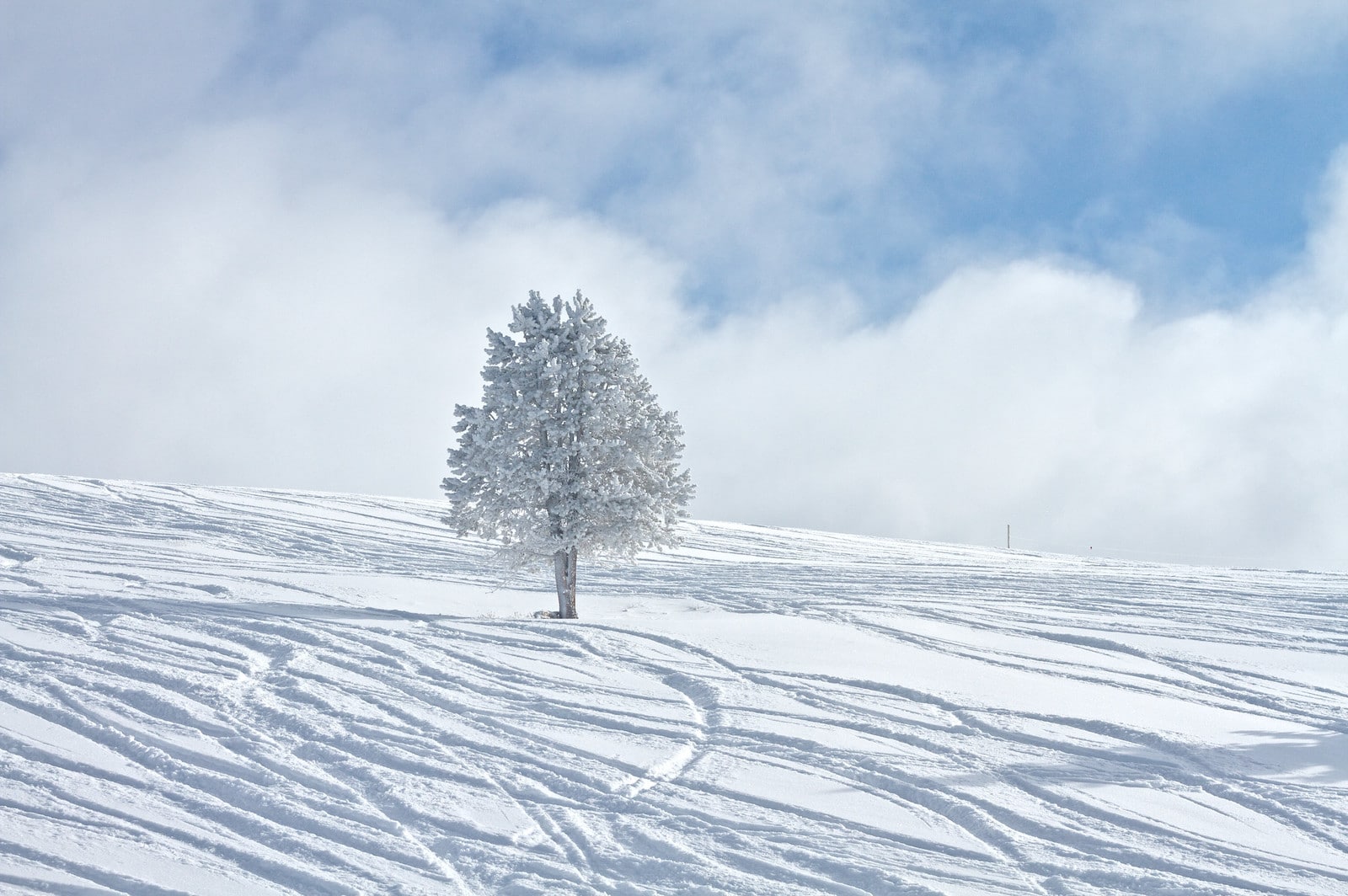
World-Class Ski Resorts and Mountain Towns
[Colorado]’s ski resorts are legendary, attracting millions of visitors annually. Each resort town offers a unique blend of skiing, accommodation options, and vibrant local culture.- Aspen and Snowmass: Synonymous with luxury travel and high-end living, [Aspen Snowmass] offers four distinct mountains—Aspen Mountain, Aspen Highlands, Buttermilk, and Snowmass—each with its own character. Beyond skiing, [Aspen]’s downtown is a hub for gourmet dining, boutique shopping, and a lively arts scene. The Little Nell stands as an epitome of luxury hotels, offering ski-in/ski-out access and unparalleled service, making it a dream destination for a luxury travel experience.
- Vail: Known for its expansive terrain, particularly the legendary Back Bowls, [Vail Ski Resort] is one of North America’s largest and most famous ski areas. The charming European-inspired Vail Village offers upscale lodging, fine dining, and lively après-ski scenes. Resorts like the Grand Hyatt Vail or the Ritz-Carlton, Bachelor Gulch provide opulent hotels and services for a premium mountain getaway.
- Breckenridge: This historic mining town offers a perfect blend of Victorian charm and world-class skiing. [Breckenridge Ski Resort] boasts five peaks and a vibrant Main Street filled with shops, restaurants, and historical landmarks. It’s a fantastic choice for family trips, with terrain suitable for all skill levels and a wide range of [accommodation] options from cozy condos to luxury suites.
- Steamboat Springs: Home to “Champagne Powder,” [Steamboat Ski Resort] is famed for its tree skiing and western heritage. The town itself maintains an authentic cowboy feel, with natural hot springs providing a perfect way to relax after a day on the slopes.
- Telluride: Tucked away in a box canyon in the San Juan Mountains, [Telluride] is renowned for its dramatic scenery, challenging terrain, and refined atmosphere. Its Victorian-era downtown is a designated National Historic Landmark District, offering a unique blend of rugged beauty and upscale charm. The free gondola connecting the town to Mountain Village adds to its unique accessibility and appeal.
- Other Noteworthy Resorts: [Winter Park Resort] is a favorite for [Denver] locals, offering diverse terrain and a vibrant base village. Copper Mountain is known for its naturally divided terrain, making it easy to find runs suited to your ability. For those seeking a more budget-friendly experience, Eldora Mountain Resort near Boulder offers excellent skiing without the long drive to the far reaches of the [Continental Divide].
Beyond the Slopes: Other Winter Wonders
[Colorado]’s winter appeal extends far beyond skiing and snowboarding. The snowy landscape invites a host of other activities, transforming familiar destinations into enchanting winter scenes.- Snowshoeing and Cross-Country Skiing: [Rocky Mountain National Park] becomes a serene wonderland, with miles of trails perfect for snowshoeing or cross-country skiing, offering solitude and breathtaking views. Many ski resorts also offer designated Nordic centers. Near Estes Park, the gateway to [Rocky Mountain National Park], you can find guides and rentals for these peaceful pursuits.
- Snowmobiling: For an adrenaline rush, snowmobiling tours are available in areas like Grand Lake and near [Breckenridge], allowing you to explore vast, snow-covered backcountry.
- Ice Skating: Outdoor ice rinks pop up in many towns, from the expansive rink in Evergreen to charming village rinks in [Vail] and Beaver Creek, offering a classic winter pastime.
- Hot Springs: After a cold day, soaking in [Colorado]’s natural hot springs is an iconic winter experience. Destinations like Ouray, Glenwood Springs, and [Steamboat Springs] offer rejuvenating thermal waters, often surrounded by snow.
- Winter Festivals and Events: Many towns host festive events throughout the winter, from torchlight parades at ski resorts to holiday markets and ice sculpting competitions, adding a touch of local culture and celebration to your travel experience.
- Scenic Drives: Even non-skiers can appreciate the beauty. A winter drive through Garden of the Gods near [Colorado Springs] offers stunning red rock formations dusted with white snow, creating a dramatic contrast that is truly unforgettable.
Planning Your Colorado Winter Getaway: Accommodation and Logistics
A successful [Colorado] winter trip requires careful planning, especially regarding [accommodation] and navigating the snowy conditions. With the right preparation, your visit can be seamless and incredibly rewarding, embodying the best of [Colorado] tourism.
Choosing Your Perfect Winter Accommodation
[Colorado] offers a vast spectrum of lodging, from ultra-luxury resorts to budget-friendly motels and charming vacation rentals. Your choice will largely depend on your desired [lifestyle] and travel budget.- Luxury Resorts: For an indulgent experience, consider properties like [The Little Nell] in [Aspen], The Broadmoor in [Colorado Springs], or [The Ritz-Carlton, Bachelor Gulch] in Avon. These establishments offer premium amenities, spa services, fine dining, and often ski-in/ski-out access, providing the ultimate in comfort and convenience for luxury travel.
- Boutique Hotels and Inns: Many mountain towns boast unique boutique hotels and historic inns that offer personalized service and a cozy, local feel. These are perfect for those seeking character and a more intimate experience. Check out options in [Ouray], Silverton, or Durango for a taste of authentic [Colorado] charm.
- Vacation Rentals (Condos, Cabins, Villas): Ideal for families or groups, vacation rentals provide more space, privacy, and often kitchens, which can be a budget-friendly option. Websites like Airbnb or VRBO list numerous properties in popular ski towns and more secluded areas, allowing for long-term stay flexibility.
- Budget-Friendly Options: For travelers on a tighter budget, cities like Frisco, Dillon, or Silverthorne offer more affordable motels and hotels with easy access to multiple ski resorts via shuttle services. Planning your trip during the shoulder seasons (early December or late April) can also yield better rates.
Booking well in advance, especially for peak season ([December] through [February] and holidays), is crucial, as popular accommodations fill up quickly.
Essential Tips for a Seamless Snow Trip
- Transportation: If driving, a four-wheel drive or all-wheel drive vehicle with good snow tires is highly recommended. [Colorado] law often mandates specific traction requirements on mountain passes, particularly along Interstate 70, during winter storms. Consider shuttle services from Denver International Airport directly to many mountain resorts to avoid driving in potentially hazardous conditions.
- Layer Up: [Colorado]’s winter weather can be unpredictable, with temperatures varying significantly throughout the day. Dress in layers, including a waterproof outer shell, insulated mid-layers, and moisture-wicking base layers. Don’t forget hats, gloves, and waterproof boots.
- Hydration and Sun Protection: The high altitude combined with dry air can lead to dehydration. Drink plenty of water. The sun’s intensity at elevation is also significant, even on cloudy days, so wear sunscreen and sunglasses or goggles.
- Altitude Sickness: Be aware of the symptoms of altitude sickness (headache, nausea, fatigue). Acclimatize slowly, stay hydrated, and avoid excessive alcohol consumption upon arrival.
- Check Conditions: Always check snow and road conditions before heading out, especially if you plan to drive mountain passes or visit backcountry areas. Websites like CoTrip.org provide real-time road information.
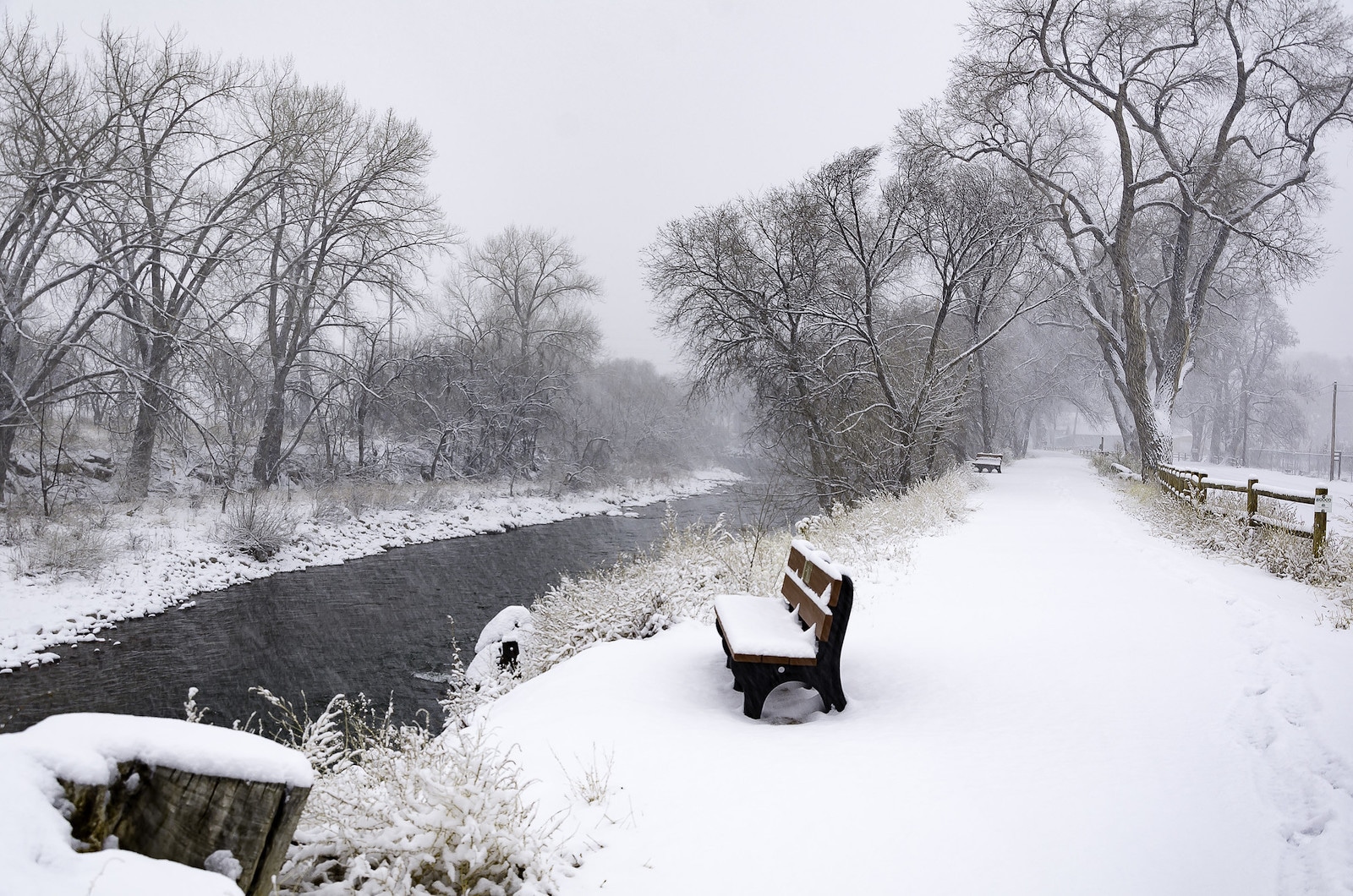
Embracing the Colorado Lifestyle: A Winter Wonderland Awaits
The question “When will it start snowing in [Colorado]?” is more than just a meteorological inquiry; it’s a prelude to a season rich with adventure, beauty, and unforgettable experiences. From the first flakes dusting the highest peaks in September to the lingering spring skiing in April and beyond, [Colorado]’s winter offers a dynamic and captivating environment. The distinct phases of snowfall allow for varied experiences, from the quiet solitude of early season to the vibrant energy of peak winter, and the relaxed charm of spring skiing.
Whether you’re drawn by the call of legendary ski slopes, the tranquility of a snowshoeing trail, the warmth of a natural hot spring, or the festive atmosphere of a mountain town, [Colorado] delivers a diverse range of activities that cater to every [lifestyle]. The state’s commitment to excellent [tourism] infrastructure, from luxurious [hotels] and resorts to accessible [accommodation] and well-maintained [landmarks], ensures that visitors can fully immerse themselves in the magic. Preparing wisely for the unique conditions of a [Colorado] winter will unlock a season of wonder, creating memories that will last long after the snow has melted. So, pack your bags, set your sights on the [Rocky Mountains], and prepare to discover your perfect winter story. The snow, in its own good time, will certainly arrive, transforming [Colorado] into the breathtaking wonderland it’s meant to be.
LifeOutOfTheBox is a participant in the Amazon Services LLC Associates Program, an affiliate advertising program designed to provide a means for sites to earn advertising fees by advertising and linking to Amazon.com. Amazon, the Amazon logo, AmazonSupply, and the AmazonSupply logo are trademarks of Amazon.com, Inc. or its affiliates. As an Amazon Associate we earn affiliate commissions from qualifying purchases.